
Clean Beauty, Ingredients, Natural, Reviva Labs, Skin Care
How Botanical Extracts Can Help Eye Area Issues Such as Dark Circles, Puffiness, and Wrinkles
Aug
The skin around the eyes tells stories long before words are spoken. A restless night, a stressful week, or even the natural march of time shows itself in the form of puffiness, shadows, or fine lines that gather in this delicate area. Unlike other regions of the face, the under-eye zone is thinner, more fragile, and far less forgiving of neglect. Yet it is also one of the areas where plant extracts – when carefully chosen and properly formulated – can make a remarkable difference.
While cosmetic science often celebrates breakthrough peptides or advanced retinoids, a quieter revolution has taken place through botanicals. For centuries, cultures around the world have turned to herbs, flowers, roots, and fruits to soothe tired eyes and restore brightness to the face. What was once folk wisdom has increasingly been confirmed by modern research, showing that many botanical extracts contain bioactive compounds with the ability to calm inflammation, boost circulation, and support the skin’s repair processes.
In exploring how these extracts can ease common eye area concerns, it is helpful to begin by examining the three most visible issues: dark circles, puffiness, and wrinkles. Each presents unique challenges, and each responds in specific ways to the right botanical care.
Reviva Labs' Eye Care Deep Dive


Why the Eye Area Is So Vulnerable
The eye region differs significantly from the rest of the face. The epidermis is far thinner – sometimes only half as thick – which makes blood vessels and pigmentation more visible. This fragility also means the area is prone to rapid moisture loss, leading to dryness that exaggerates fine lines. A reduced number of sebaceous glands compounds the problem, leaving this skin less naturally lubricated and more reliant on outside hydration.
Microcirculation plays an enormous role as well. When blood flow slows or capillaries leak, hemoglobin byproducts can pool beneath the skin, producing the blue-purple hue that many call “dark circles.” Meanwhile, poor lymphatic drainage can result in fluid retention, creating morning puffiness or bags. And as collagen and elastin fibers weaken with age, the skin loses its resilience, leading to creases and wrinkles that deepen over time.
Because of these vulnerabilities, any ingredient applied near the eye must be both gentle and effective. This is where botanical extracts excel: they deliver complex blends of antioxidants, polyphenols, flavonoids, vitamins, and minerals in forms the skin can recognize and use without unnecessary irritation.
Botanical Allies Against Dark Circles
Dark circles have multiple causes: genetics, thin skin, sluggish circulation, or pigmentation from sun damage. Botanicals that brighten, stimulate microcirculation, and strengthen the capillary walls can make a visible impact.
Arnica
Arnica montana flower extract is long used in herbal medicine for its circulation-supporting qualities. Applied topically in cosmetic concentrations, arnica helps diminish the appearance of bruising and discoloration by encouraging faster dissipation of pooled blood beneath the surface. In eye care, this translates into lighter under-eye shadows and less of that “bruised” look after fatigue or stress.
Vitamin K with Plant Extracts
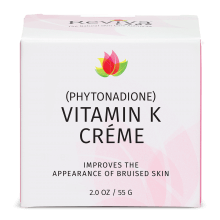
Though not a botanical itself, Vitamin K is often paired with fruit and herb extracts to support healthy circulation and reduce discoloration. Reviva Labs’ Vitamin K Crème, for example, includes parsley, mango, cranberry, and tangerine extracts, which not only condition the skin but also deliver antioxidants that complement Vitamin K’s role in reducing the look of under-eye darkness.
Licorice Root
Licorice root extract contains glabridin, a compound shown to interrupt melanin production. By inhibiting excess pigmentation, licorice can lighten brownish under-eye discoloration often linked to sun exposure or hormonal shifts. Its anti-inflammatory properties also help calm irritation, further improving skin clarity.
Mulberry and Bearberry
Both mulberry leaf extract and bearberry extract provide antioxidant activity alongside skin-brightening properties. Bearberry in particular contains natural arbutin, which gently reduces melanin formation. When blended with vitamin C derivatives, as in brightening serums, these botanicals help to even tone and soften shadowy areas.
Botanical Solutions for Puffiness
Under-eye puffiness is often due to fluid retention, allergies, or lifestyle factors like excess salt or lack of sleep. Botanicals that calm inflammation, promote drainage, and soothe tissues are invaluable here.
Cucumber
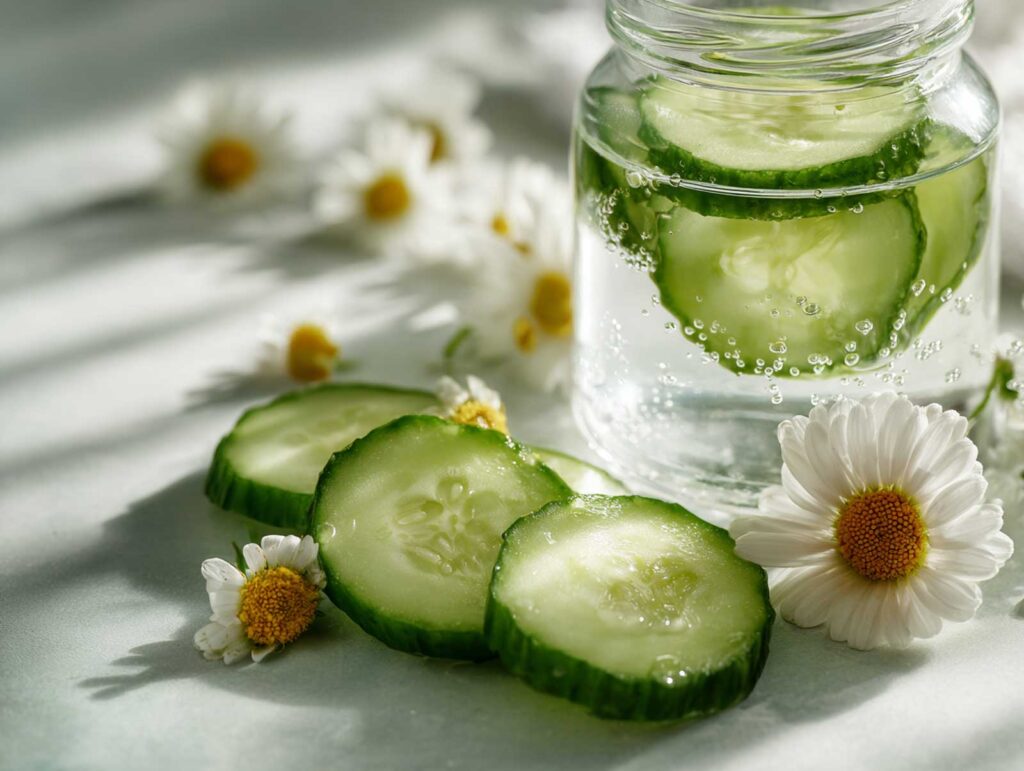
Few plants are as synonymous with eye care as cucumber. Its extract delivers flavonoids and tannins with anti-inflammatory effects, helping to reduce swelling and calm irritation. The high water content provides a cooling sensation that relieves tired eyes, while its antioxidants protect delicate skin from environmental stress.
Ivy Leaf and Elderflower
Ivy extract is known for its saponins, which support circulation and reduce water retention. Elderflower extract complements this by soothing and toning tissues. Together, they have been used in European herbal traditions to refresh the eye area and counter swelling, a synergy still seen in modern formulations like Reviva’s Eye Gelee Concentrate.
Green Tea
Rich in catechins such as EGCG, green tea extract fights puffiness by curbing inflammation and strengthening capillaries. It also contains caffeine, which can temporarily constrict blood vessels and reduce fluid accumulation. This dual antioxidant and decongesting activity makes green tea one of the most effective botanicals for swollen eyes.
Chamomile
Chamomile’s azulene and bisabolol compounds provide powerful calming action. Often found in eye creams and serums, chamomile reduces redness and irritation while soothing the skin’s surface. For puffy eyes triggered by irritation or sensitivity, chamomile is a safe, natural choice.

Botanicals that Address Wrinkles and Fine Lines
While hydration is essential for softening fine lines, true wrinkle care requires ingredients that stimulate collagen, defend against free radicals, and improve elasticity. Certain botanicals deliver all three.
Bakuchiol
Derived from the babchi plant, bakuchiol has earned attention as a plant-based alternative to retinol. Studies show it can boost collagen production, improve elasticity, and reduce fine lines without the irritation retinol often causes. Its antioxidant activity further protects against oxidative stress – a key driver of eye area aging.
Rosehip Seed Oil
Rosehip is rich in trans-retinoic acid, a natural vitamin A derivative, along with omega fatty acids that nourish the skin barrier. Regular use supports smoother texture, reduced crow’s feet, and more resilient skin. It is a botanical that combines regenerative potential with gentle nourishment.
Grape Seed and Resveratrol
Grape seed extract provides proanthocyanidins – antioxidants shown to be twenty times more potent than vitamin C in neutralizing free radicals. Resveratrol, also derived from grapes, offers additional antioxidant and anti-inflammatory activity. Together, they protect collagen and elastin fibers from degradation, helping maintain firmness around the eyes.
Calendula
Calendula flower extract brings carotenoids and flavonoids that support skin repair and reduce visible signs of irritation. Beyond its calming effects, calendula contributes to tissue regeneration, making it useful for minimizing the appearance of fine lines in fragile eye skin.
Aloe Vera
Long regarded as nature’s hydrator, aloe vera leaf extract delivers polysaccharides that draw and hold water in the skin. This plumping effect smooths fine lines, while its vitamins and enzymes aid in healing micro-damage caused by dryness or UV exposure.
How Botanicals Work Together in Eye Formulations
While individual extracts shine in particular roles, modern eye care formulations often combine multiple botanicals to address overlapping concerns. For instance:
- Reviva’s Eye Complex Firming Cream includes Spilanthes acmella, astragalus, calendula, red clover, arnica, and witch hazel—plants chosen for their ability to firm, improve circulation, and reduce shadows simultaneously.
- Reviva’s Eye Gelee Concentrate blends collagen and hyaluronic acid with cucumber, arnica, ivy, elderflower, and mallow, creating a multi-layered approach that hydrates, soothes puffiness, and minimizes fine lines.
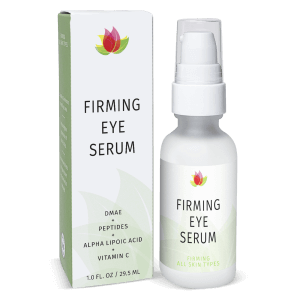
- Firming Eye Serum with DMAE and botanicals combines antioxidants such as alpha lipoic acid, green tea, and bioflavonoids with circulation-boosting peptides, tightening DMAE, and brightening vitamin C. The result is comprehensive support for wrinkles, bags, and dark circles.
These examples show how botanicals can be tailored into precise blends where one plant extract reinforces another, producing cumulative effects greater than the sum of their parts.
Lifestyle, Application, and Realistic Expectations
It is important to remember that while botanicals can dramatically improve the appearance of the eye area, they cannot override poor habits or genetic predispositions. Regular sleep, hydration, reduced salt intake, and sun protection remain essential partners in maintaining a bright and youthful gaze.
Application technique also matters. Eye creams or gels should be tapped gently with the ring finger, starting from the outer corner inward, to avoid unnecessary tugging. Cold storage of products like gels can add a de-puffing effect, as the coolness complements the circulation-supporting botanicals.
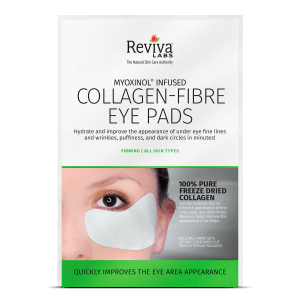
Consistency is key: most botanical extracts show cumulative benefits over weeks of use. Expect gradual improvement rather than an overnight miracle. That said, certain products – such as Reviva’s collagen fiber eye pads infused with hibiscus extract – do provide rapid hydration and a temporary smoothing effect, useful before events or long days.
The Future of Botanicals in Eye Care
As consumer demand shifts toward natural and transparent ingredients, botanical extracts will likely play an even greater role in eye care. Advances in extraction and stabilization are making once-fragile compounds more potent and reliable in formulations. For example, stabilized vitamin C esters paired with flavonoid-rich botanicals now offer brightening without irritation, while encapsulated resveratrol ensures antioxidant protection over time.
There is also renewed interest in ancient medicinal plants, such as ashwagandha, turmeric, and shiitake mushroom. Early studies suggest these botanicals not only reduce inflammation but may also influence cellular longevity pathways, opening new doors in anti-aging care.
Closing Perspective
The challenges of dark circles, puffiness, and wrinkles often feel inevitable, yet they are far from untouchable. Through the synergy of botanicals – whether it is the cooling calm of cucumber, the brightening power of licorice, or the collagen-supporting strength of bakuchiol – nature offers a toolkit to restore radiance to the eye area. These extracts do not promise the instant erasure of time, but they do provide steady, visible improvements that align with the skin’s natural rhythms.
More than cosmetic quick fixes, botanicals bring nourishment, balance, and resilience to the eye area. In doing so, they honor both tradition and modern science, helping each of us look a little more rested, a little more vibrant, and perhaps even a little more like ourselves again.
Session 7 – Eye Care Deep Dive