
Ingredients, Natural, Reviva Labs, Skin Care
How can you tell if your skin barrier is damaged?
Feb
I think “damaged barrier” gets thrown around as a trendy diagnosis, yet the underlying idea stays solid. The outermost layer of your skin, the stratum corneum, works like a smart seal. It holds water in, keeps irritants out, and helps your skin stay calm while it handles weather, friction, pollution, and the products you apply. When that seal breaks down, the skin loses water faster, becomes reactive, and struggles to bounce back after normal daily stress. Researchers track this with trans epidermal water loss, or TEWL, a measurable sign of how much water escapes through the skin. When TEWL rises, your risk of irritation rises with it.
Damaged Skin Barrier Repair Recommendations
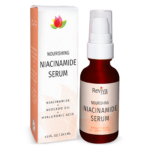
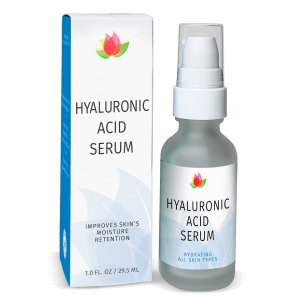


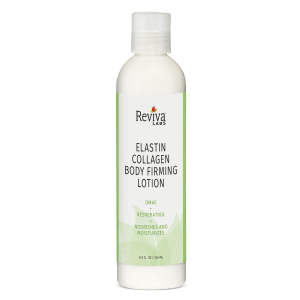
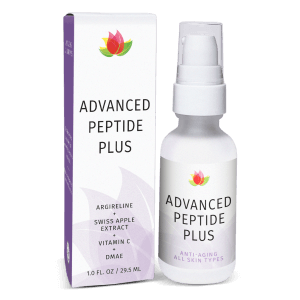
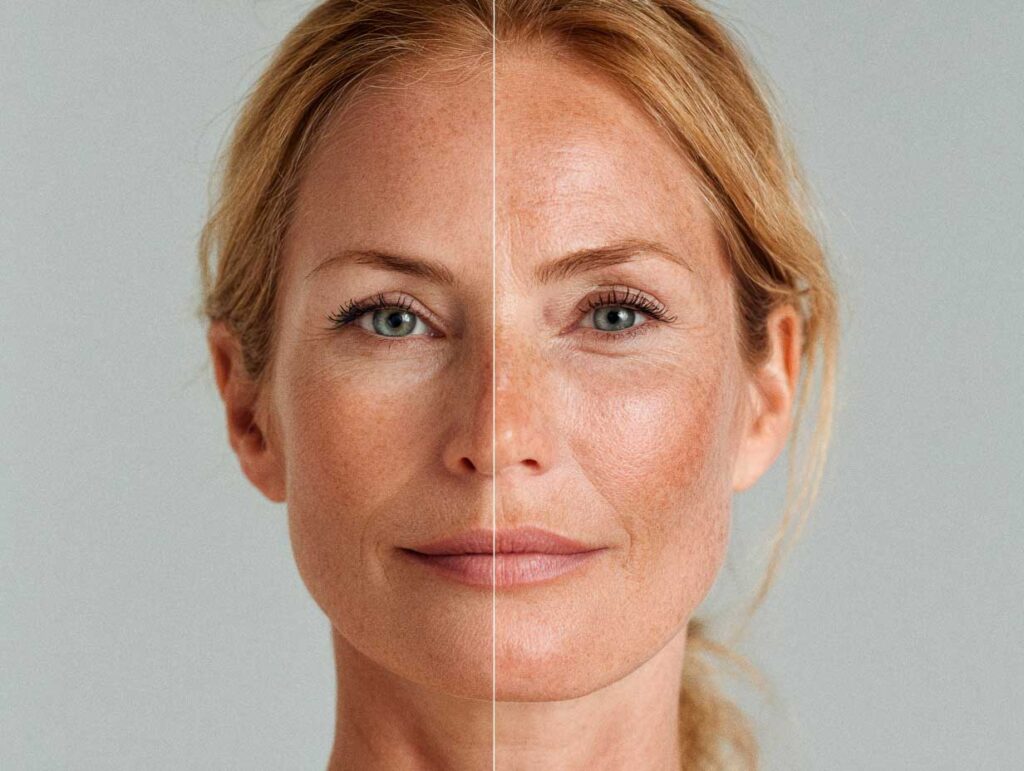
Most people miss the early signals because they expect barrier damage to look dramatic. It often looks ordinary at first. A little redness. A little dryness. A few bumps. The trouble is how those small changes stack together. When you spot the pattern, you can stop chasing random fixes and start rebuilding what your skin needs.
The barrier is physical, not poetic. Its “bricks” are flattened cells and its “mortar” is a lipid blend dominated by ceramides, cholesterol, and free fatty acids. Research on skin lipids keeps pointing to the same theme: barrier strength depends on both the amount and the balance of these lipids. When ceramide profiles shift, when long chain fatty acids drop, or when the mixture becomes disorganized, the seal leaks and inflammation follows. A leaky barrier also changes how your skin tolerates active ingredients, even ones you once used without trouble.
Here’s my opinion after reading the research and watching patterns in real routines. Most barrier damage today comes from overwork, not neglect. People cleanse too aggressively, exfoliate too often, rotate actives too fast, and treat every hint of texture like an emergency. Skin responds with stress signals, then we hit it again. You do not need a longer routine to solve this. You need a calmer one.
The early signs your barrier is struggling
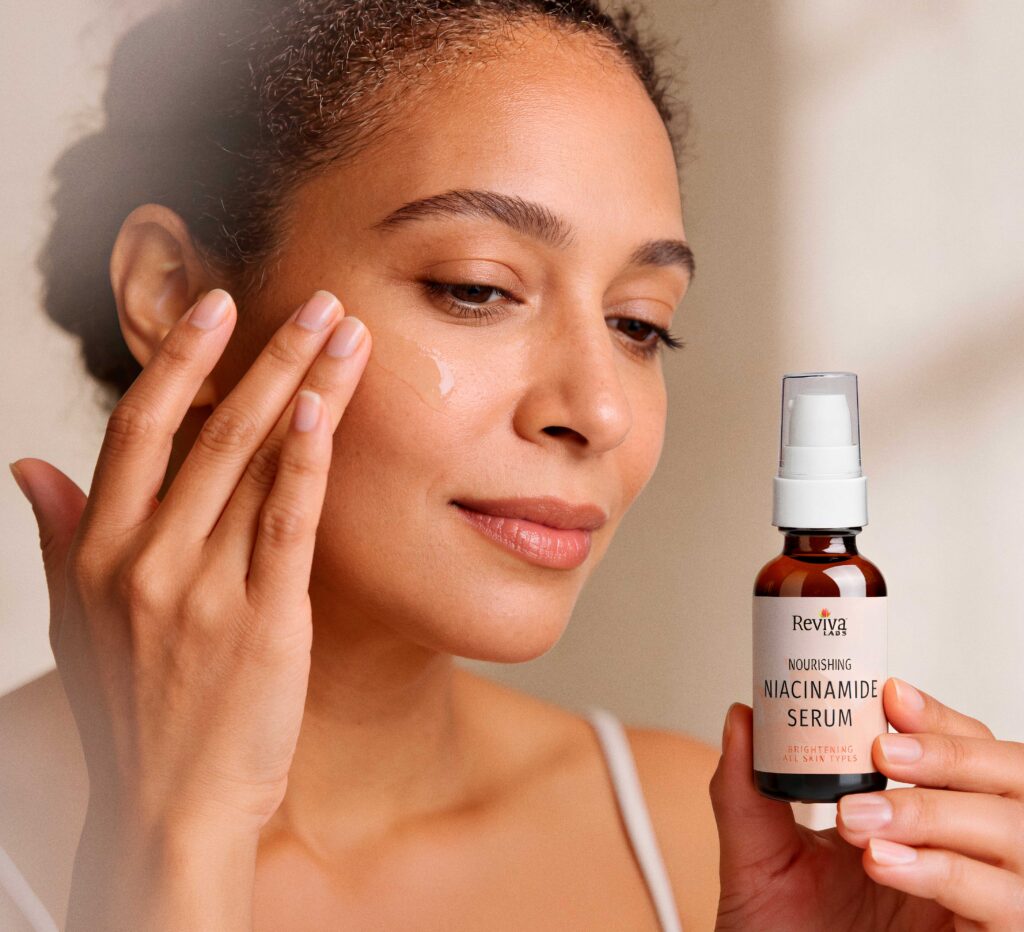
Start with sensation, because nerve endings report the problem early. If your face stings when you apply a product you have used for months, treat it as meaningful data. Burning, prickling, or itching during cleansing or moisturizing often tracks with barrier disruption because the protective layer thins and irritants reach deeper. TEWL research reinforces why this matters. Higher TEWL pairs with dryness and irritation in sensitive skin and barrier compromise scenarios, so sensation is not “in your head,” it matches measurable changes in barrier performance.
Tightness after cleansing is another early tell. Healthy skin can feel clean without feeling shrink wrapped. When the barrier weakens, even lukewarm water and mild surfactants pull too much from the surface, leaving you tight within minutes. This often pushes people to use richer creams, yet the tight feeling returns fast because the issue is not only oil, it is water loss. TEWL rises when the seal leaks, so hydration evaporates sooner.
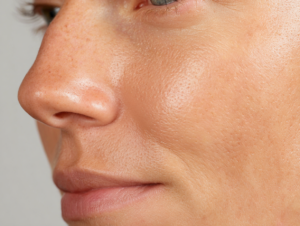
Redness shows up in a specific way with barrier stress. It tends to look diffuse, not sharply defined, and it lingers longer after cleansing, showering, or applying products. You might notice it around the nose, corners of the mouth, and cheeks where the barrier runs thinner. If you see redness paired with stinging, consider barrier stress first, before assuming allergy or “bad skin.” This aligns with dermatology discussions of barrier dysfunction and sensitive skin signs linked to increased TEWL and irritation loops.
Flaking can be tricky because it looks like dryness, yet it often reflects disordered shedding. When barrier lipids lose organization, the skin does not shed cells smoothly. Dead cells cling, roll, and form patches. Many people respond with scrubs, acids, or stronger cleansing, which worsens the cycle. Dry, rough, scaly texture correlates with changes in ceramides and barrier parameters in dry skin research, reinforcing why exfoliating harder can backfire when the core issue is barrier integrity.
Bumps and congestion can also signal barrier trouble, even when you think only acne belongs in that category. A stressed barrier can trigger inflammation, change how follicles shed, and shift the microbiome, all of which can show up as roughness, clogged pores, or scattered small bumps. People often label this “purging” and push actives harder. I see that as a mistake in many routines, because barrier stress can mimic acne activity. Research measuring barrier parameters in acne shows higher TEWL in acne patients, and treatment can impair the barrier further, which supports the idea that irritation and barrier strain can sit alongside breakouts.
A simple self-check that works in real life
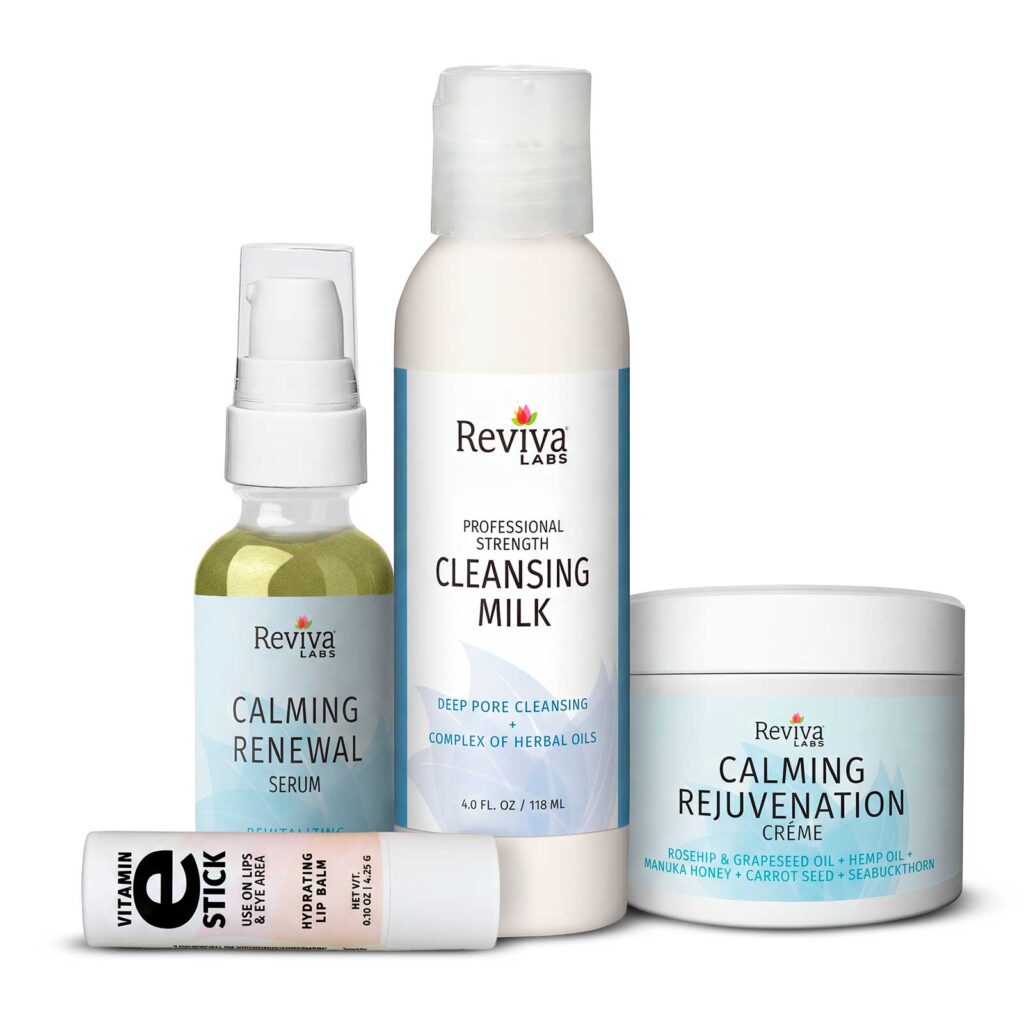
I like self-checks that rely on repeatable observations, not gadget buying. You can do this with a short “pattern audit” over seven days. Track how your skin feels right after cleansing, ten minutes later, and after your first leave on product. If stinging, tightness, or heat show up repeatedly, treat the barrier as the primary project. If redness increases with each step in your routine, treat the barrier as the primary project. If your skin feels calmer on days you skip actives, treat the barrier as the primary project.
Also watch your makeup and sunscreen behavior, because they expose surface disruption fast. When foundation pills, clings to patches, or separates even with good prep, your surface hydration and cell turnover often sit off balance. When sunscreen stings, your barrier often needs repair, even if the formula worked before. These are not proof on their own, yet they matter as part of a cluster.
If you want a science anchored benchmark, TEWL offers one. You will not measure TEWL at home with medical accuracy, yet you can treat your symptoms as TEWL proxies. Rising TEWL links with dryness, tightness, and irritation, and moisturizers can lower TEWL over time in many settings. When your symptoms track with that profile, a barrier focused plan tends to outperform a new active chase.
What causes barrier damage in the first place
Over cleansing leads the list. Surfactants can disrupt lipid organization, and frequent washing adds cumulative strain. TEWL literature notes soap and irritant surfactants can increase TEWL, which is the barrier leak signal you want to avoid. I see people scrub in the morning, scrub at night, use foaming cleansers, then wonder why their skin feels tight and reactive. The routine, not the person, often causes the problem.
Over exfoliation sits right behind cleansing. Acids, retinoids, scrubs, peeling gels, and “daily resurfacing” stacks can push your skin into chronic irritation even when each product looks mild on its own. Frequency drives damage. A routine can be gentle in theory and harsh in practice when you layer too many steps, too often, with too little recovery time.
Environmental stress compounds it. Cold air and low humidity increase water loss. Heat and friction trigger inflammation. Pollution and UV exposure increase oxidative stress and disrupt barrier recovery. If you live in an area with winter heating or spend time in strong sun, your baseline barrier workload rises. This does not mean you need fear the outdoors. It means your routine needs to protect and replenish, not strip and stimulate.
Sleep and stress matter more than most skincare marketing admits. Circadian biology influences skin physiology, including lipids, TEWL, hydration, and pH. A study on regular late bedtime found significant changes in barrier related measures, including TEWL and hydration differences between early and late bedtime groups, tying sleep habits to barrier quality. This fits a wider body of work on circadian rhythms in skin function and barrier repair timing.
The microbiome also enters the picture. Barrier disruption can shift microbial balance, and shifts in microbial balance can worsen inflammation and barrier strain. Reviews on skin microbiota and barrier maintenance describe the two-way relationship between host skin defenses and microbial communities. In plain terms, when the barrier struggles, the ecosystem shifts, and the shift can keep the skin reactive.
Actionable guidance that repairs the barrier fast
I prefer plans that reduce variables. Barrier repair works best when you stop the inputs that keep the wound open. Start by simplifying for fourteen days. Use a gentle cleanser once daily at night, and rinse with lukewarm water in the morning if you want a refresh. Avoid hot water, long showers, and textured washcloth friction on the face. The goal is to lower daily insult while your skin rebuilds lipids.
Next, build a moisturizer strategy around three roles: water binding, lipid replenishment, and water loss reduction. Humectants like glycerin support water binding. Lipid blends support the mortar. Occlusive ingredients reduce evaporation. Dry skin research supports the central role of lipids and the value of improving lipid composition alongside hydration changes. A Scientific Reports study on cosmetic dry skin found barrier improvements alongside increases in cholesterol, ceramides, and long chain fatty acids after consistent lotion use, reinforcing the idea that barrier repair is lipid work, not only hydration work.
Timing matters. Apply moisturizer to slightly damp skin, not dripping wet, not fully dry. This improves water retention at the surface so the moisturizer can trap more hydration. Reapply once during the day if you feel tightness or flaking, especially in cold or dry indoor air. Consistency beats intensity, because lipid rebuilding takes repeated support.
Pause strong actives during the repair window. Skip exfoliating acids, retinoids, scrubs, and strong cleansing masks. If you use acne treatments, discuss irritation with a clinician, because acne medications can worsen barrier strain. A cross-sectional study in acne patients measured higher TEWL in acne groups, and TEWL rose further in those using acne medications. The numbers offer a useful reality check. Mean TEWL in controls measured 10.63 g/m²/h, while acne patients on treatment measured 13.59 g/m²/h in that study, showing barrier strain can rise with treatment.
Protect your barrier during the day with sunscreen, because UV exposure impairs barrier recovery and worsens inflammation. If your sunscreen stings right now, swap to a formula designed for sensitive skin and avoid fragranced options. Apply over moisturizer so you buffer the surface. Sun protection does not fix the barrier alone, yet it prevents ongoing damage while you repair.
Then reintroduce actives with a slower pace than you think you need. Start with one active, two nights per week, and hold it there for two weeks. If your skin stays calm, move to three nights per week. If stinging returns, pull back again. This is not caution for its own sake. It respects the biology of lipid rebuilding and inflammation. A barrier that feels calm can tolerate change. A barrier that feels hot and reactive cannot.
A few practical rules keep people out of trouble. Do not add two new products in the same week during barrier repair. Do not treat every small bump with a new acid. Do not chase instant smoothness at the cost of comfort. If you want long term clarity and glow, you need a stable barrier first.
When you should seek help instead of self-treating
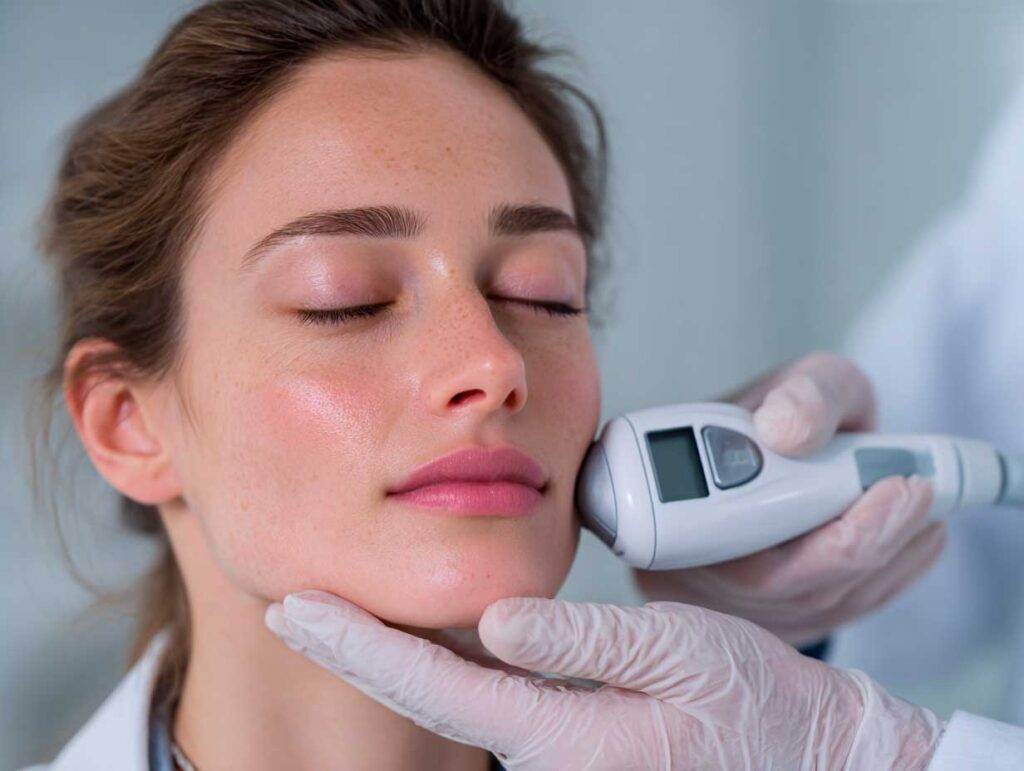
Barrier symptoms overlap with conditions that need medical diagnosis. If you have persistent rash, oozing, crusting, swelling, severe itch, or sudden worsening after a new product, consider contact dermatitis and seek clinical guidance. If redness concentrates with visible blood vessels and flares with heat, alcohol, or spicy foods, consider rosacea triggers. If flaking clusters around eyebrows and sides of the nose with scalp dandruff, consider seborrheic dermatitis. A barrier routine still helps, yet diagnosis guides the safest next step.
Also consider professional help if your symptoms do not improve after two to three weeks of a simplified repair routine. In most barrier stress cases, you should see meaningful improvement in comfort, redness, and tightness within that time frame when irritants stop and moisturization becomes consistent. If you see no change, another process might drive the symptoms.
Frequently Asked Questions
How do I know if it is dryness or barrier damage?
Dryness can exist without major reactivity. Barrier damage often includes reactivity. If your skin feels tight and stings with simple products, barrier strain sits higher on the list. If redness increases after cleansing or moisturizing, barrier strain sits higher on the list. If dryness improves with richer moisturizer yet stinging persists, barrier strain still sits higher on the list. TEWL research supports the link between barrier compromise and symptoms like tightness and irritation.
How long does barrier repair take?
Most people feel relief before they see full texture normalization. Comfort often improves within days when you stop irritants. Lipid remodeling takes longer. Research on barrier properties and lipid composition in dry skin shows measurable changes over weeks with consistent product use and routine stability, so expect a two-to-five-week arc for meaningful rebuilding.
Can I keep exfoliating if I use a thick moisturizer?
A thick moisturizer can reduce symptoms while the barrier stays strained underneath. If exfoliation triggers stinging, redness, or increased flaking, stop for the repair window. Your goal is not to tolerate discomfort. Your goal is to restore resilience so you can use actives without collateral damage. The acne barrier data also supports the idea that treatments can worsen TEWL, so buffering alone does not erase physiologic strain.
Does sleep change barrier health in a real way?
Yes, and this is not soft wellness talk. Studies link sleep patterns with changes in TEWL, hydration, and skin physiology, and circadian rhythm research shows skin surface lipids and physiologic parameters vary across the day. If your barrier feels fragile, stable sleep timing supports repair by aligning with skin’s natural rhythms.
Can probiotics or microbiome products fix my barrier?
Microbiome focused approaches look promising in research, yet you should treat them as support, not the foundation. Reviews describe how microbial balance relates to inflammation and barrier function, and microbiome-based interventions can support barrier outcomes in some settings. Still, you will not out supplement an over stripped routine. Start with gentle cleansing, consistent moisturization, and sun protection, then consider microbiome friendly additions if your skin tolerates them.
References
- Clinical Measurement of Transepidermal Water Loss, 2025, PMC: https://pmc.ncbi.nlm.nih.gov/articles/PMC12359141/
- Transepidermal Water Loss and Sensitive Skin, Dermatology Times, 2025: https://www.dermatologytimes.com/view/transepidermal-water-loss-and-sensitive-skin
- Skin Lipid Barrier Structure Function and Metabolism, 2024, PMC: https://pmc.ncbi.nlm.nih.gov/articles/PMC11450438/
- Alteration of barrier properties stratum corneum ceramides and microbiome composition in response to lotion application on cosmetic dry skin, Scientific Reports, 2022: https://www.nature.com/articles/s41598-022-09231-8
- Regular Late Bedtime Significantly Affects the Skin Physiological Characteristics and Skin Bacterial Microbiome, 2022, PMC: https://pmc.ncbi.nlm.nih.gov/articles/PMC9188400/
- Circadian Rhythms of Skin Surface Lipids and Physiological Parameters, 2024, PMC: https://pmc.ncbi.nlm.nih.gov/articles/PMC11673904/
- Skin Barrier Parameters in Acne Vulgaris versus Normal Controls, 2024, PMC: https://pmc.ncbi.nlm.nih.gov/articles/PMC11537166/
- Skin microbiota and the skin barrier, 2024, Indian Journal of Dermatology Venereology and Leprology: https://journals.lww.com/ijdv/fulltext/2024/03000/skin_microbiota_and_the_skin_barrier.4.aspx
- Microbiome-Based Interventions for Skin Aging and Barrier Function, 2025, PMC: https://pmc.ncbi.nlm.nih.gov/articles/PMC12505367/