
Clean Beauty, Natural, Reviva Labs, Skin Care
Why Does My Cleanser Make My Skin Feel Tight?
Feb
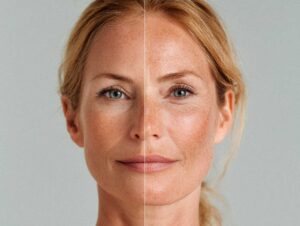
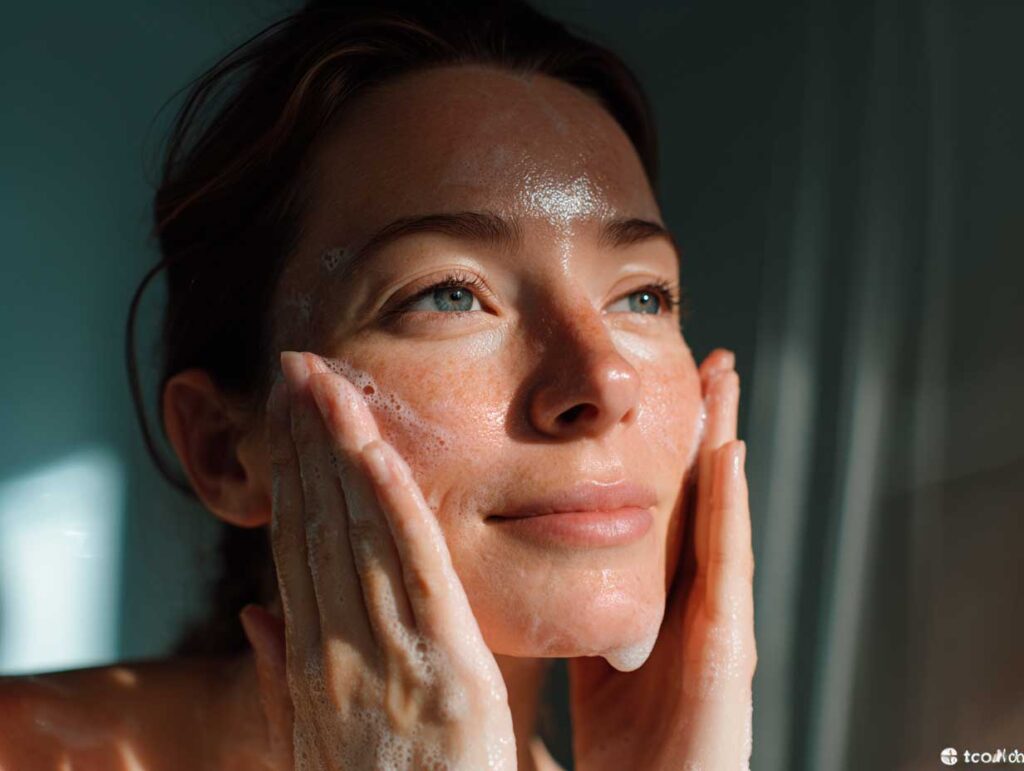
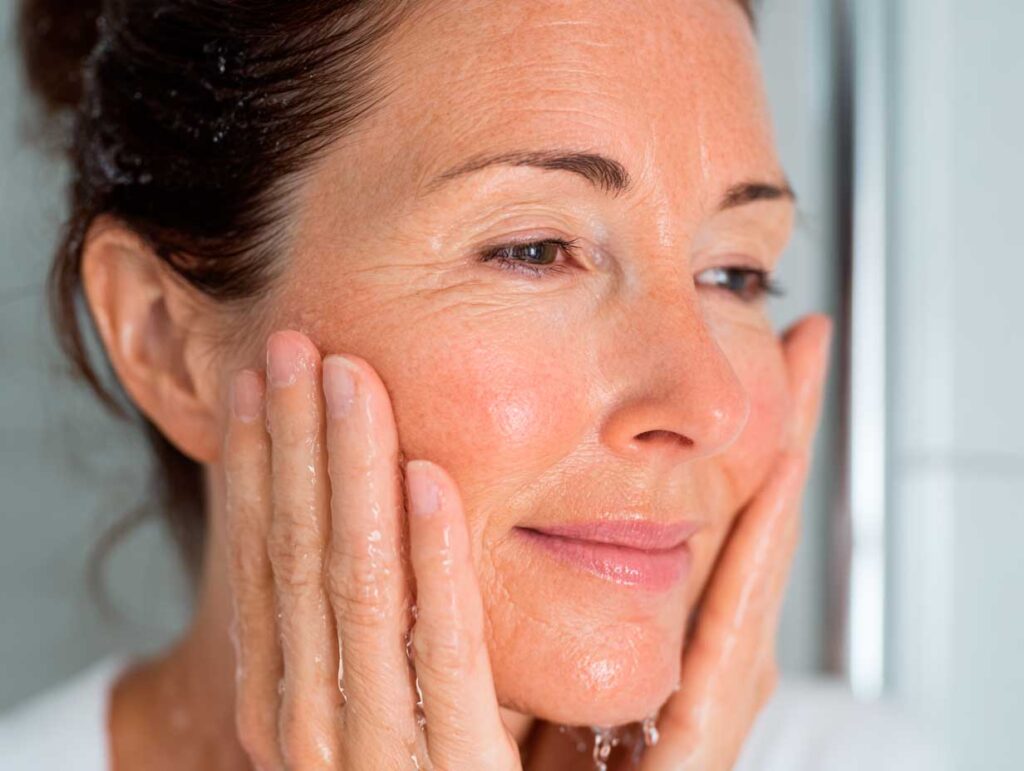
Few sensations in skincare are as common and as misunderstood as that stretched, slightly uncomfortable feeling that appears minutes after washing your face. Many people interpret it as proof their cleanser is working. The logic seems simple: oil is gone, pores feel clear, skin feels fresh. Yet what most people describe as “tight” is not a sign of purity. It is usually the first signal that the skin barrier has been pushed too far.
Clean skin should feel balanced. It should not feel rigid when you smile or dry when you speak. If your face feels as if it has shrunk after cleansing, your routine deserves a closer look. The issue rarely lies in cleanliness itself. It lies in how the cleansing process interacts with your skin’s protective structure.
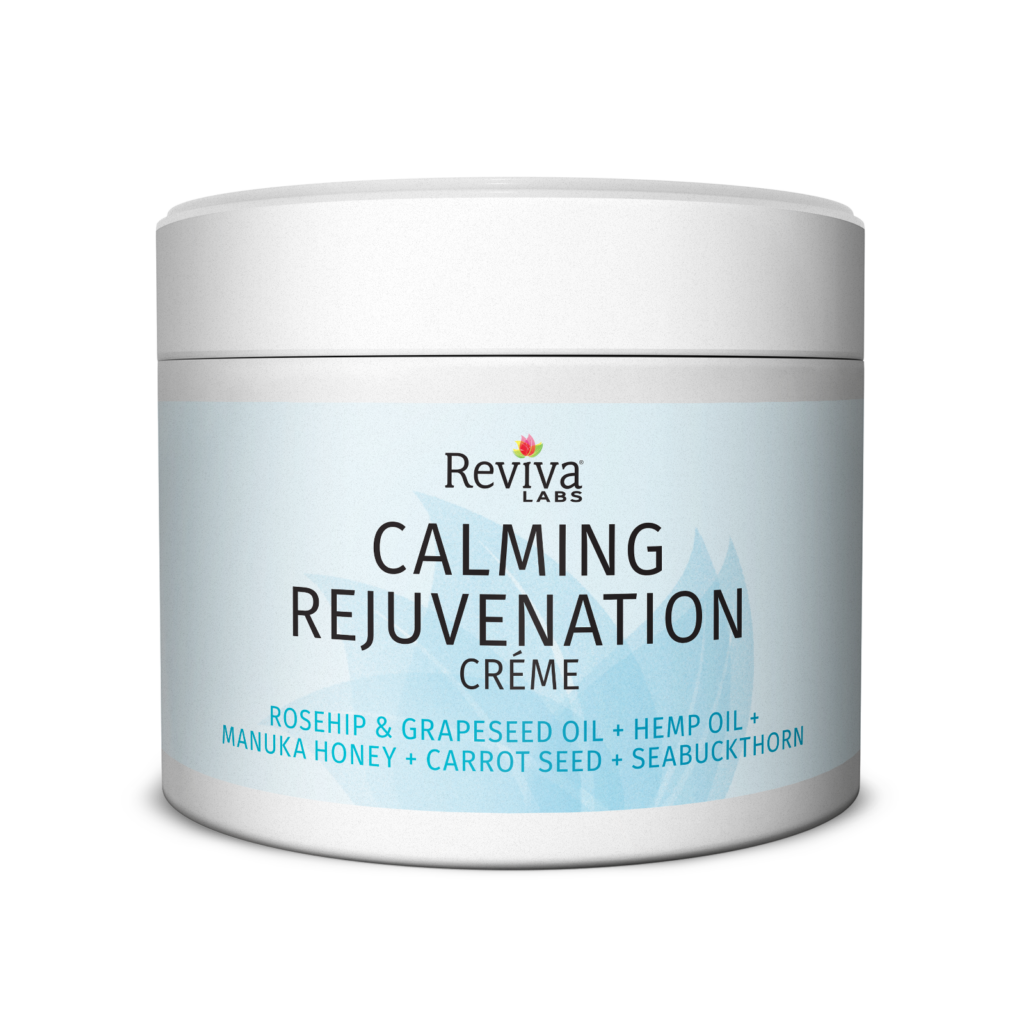
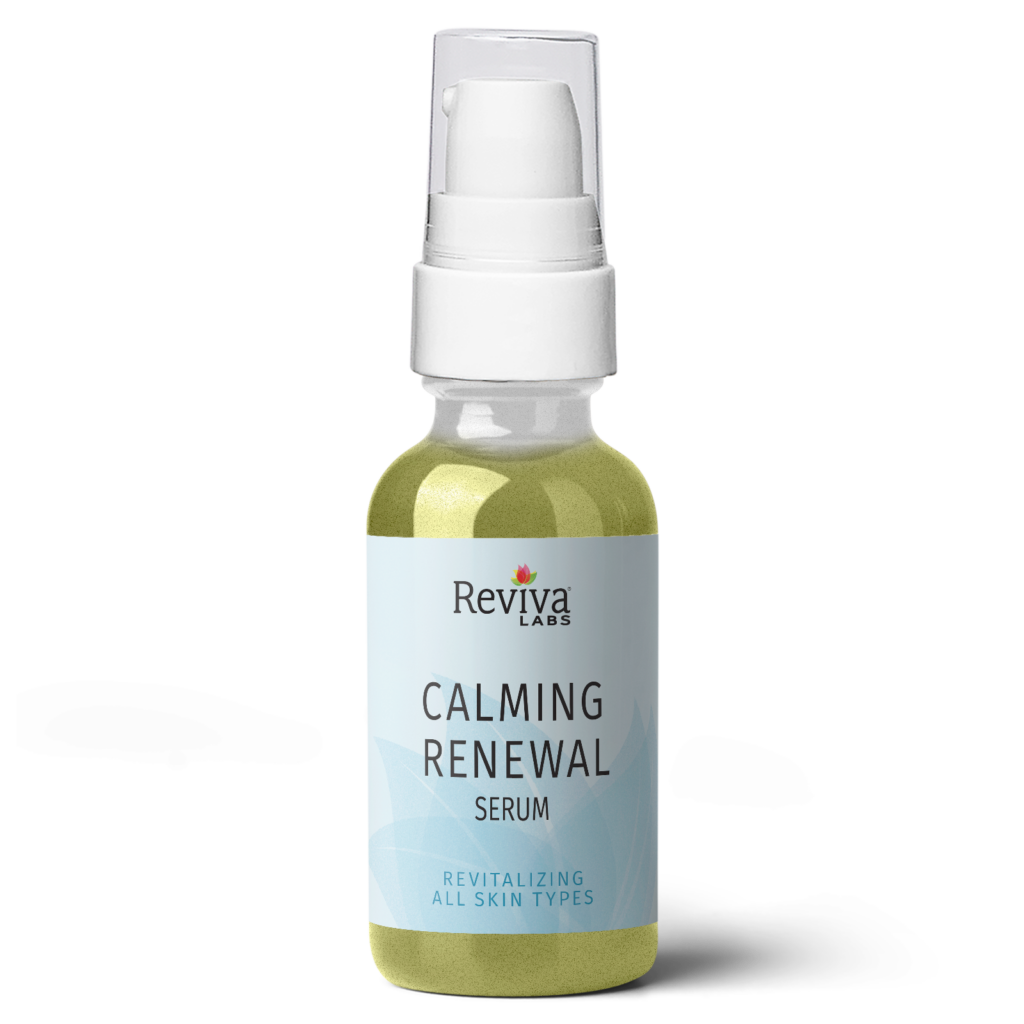
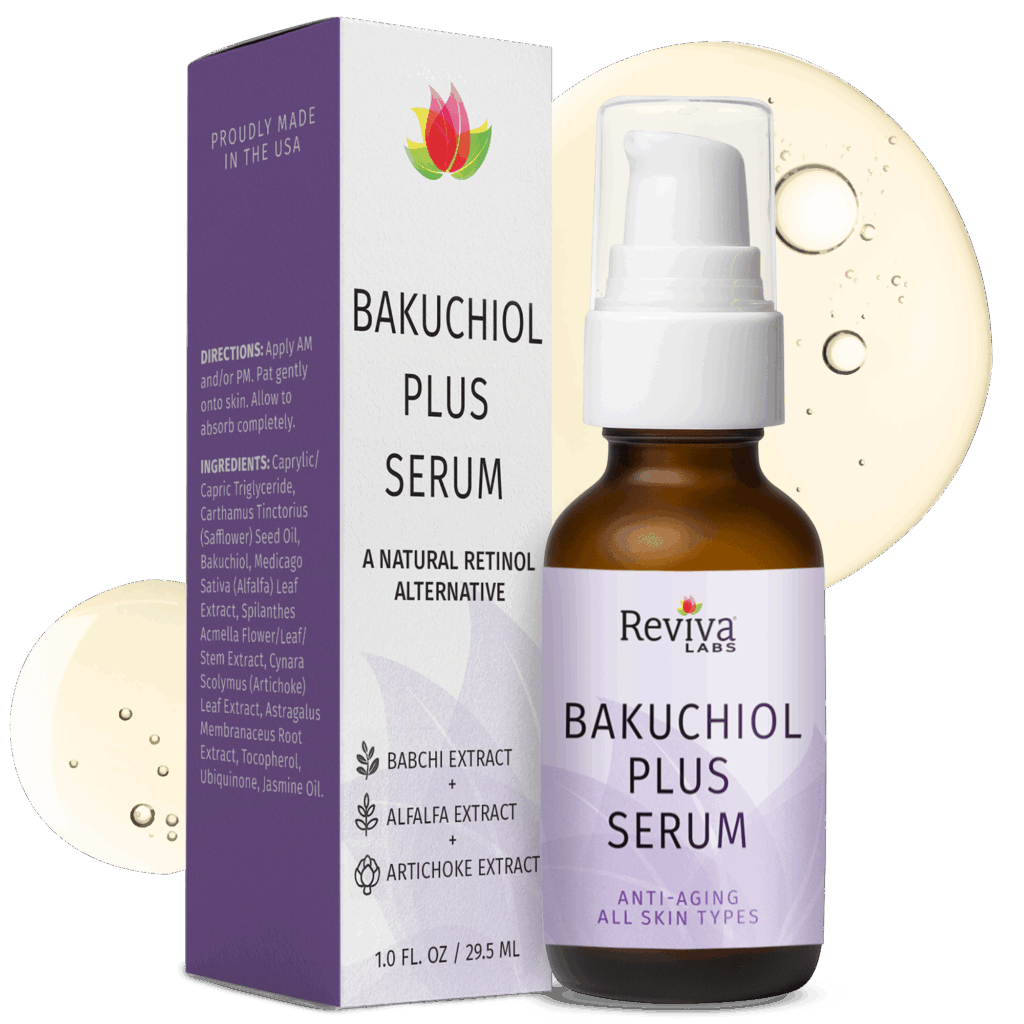
Post Cleansing Recommended Products


Understanding the Skin Barrier
To understand tightness, you must understand the barrier. The outermost layer of your skin, called the stratum corneum, functions as a defensive shield. It is composed of flattened skin cells embedded in a matrix of lipids that regulate moisture retention and environmental defense. When intact, this layer maintains hydration and protects against irritants, pollutants, and microbes.
Every time you cleanse, you disrupt that surface slightly. That is normal. Cleansers are designed to remove debris, sunscreen, excess oil, and makeup. A well-formulated cleanser lifts away unwanted residue without excessively disturbing the lipids that maintain balance. When that lipid structure is over-stripped, water begins to evaporate more rapidly from the surface. This increased evaporation is known as transepidermal water loss.
Research published in the Journal of Investigative Dermatology has shown that barrier disruption directly increases transepidermal water loss and can trigger low-grade inflammation.
Research published in the Journal of Investigative Dermatology has shown that barrier disruption directly increases transepidermal water loss and can trigger low-grade inflammation. The tight sensation that follows cleansing is often the first perceptible sign of this water imbalance. It is not dirt leaving your skin. It is moisture leaving your skin.

Why “Squeaky Clean” Is a Problem
For decades, marketing reinforced the idea that squeaky meant spotless. Foam equaled freshness. Matte equaled control. Many people grew up believing that if their skin did not feel stripped, it was not truly clean. That belief still influences buying decisions today.
The truth is more nuanced. Sebum is not the enemy. It lubricates the skin surface and slows moisture evaporation. When a cleanser removes too much oil, your skin shifts into a compensatory response. Oil production can increase within hours, which leads many people to wash again. This cycle continues, reinforcing dehydration while increasing shine.
That cycle often creates confusion. Someone with oily skin may feel tight immediately after cleansing, only to appear shiny later. They assume they need stronger cleansing. The rebound oil is a response to dehydration, not proof of excess oil production at baseline.
The Role of Surfactants in Tightness
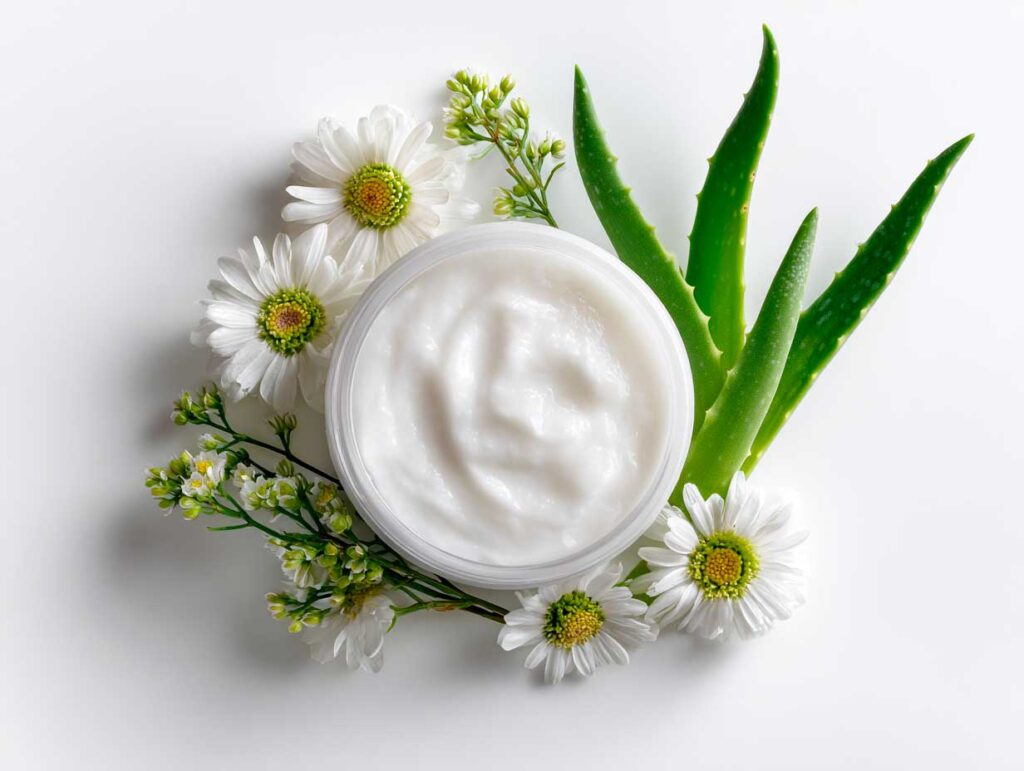
All cleansers rely on surfactants. These ingredients allow oil and water to mix so that debris can be rinsed away. The intensity of a cleanser’s impact depends largely on the type and concentration of these surfactants. Some are aggressive and highly foaming. Others are milder and paired with conditioning agents to reduce stress on the barrier.
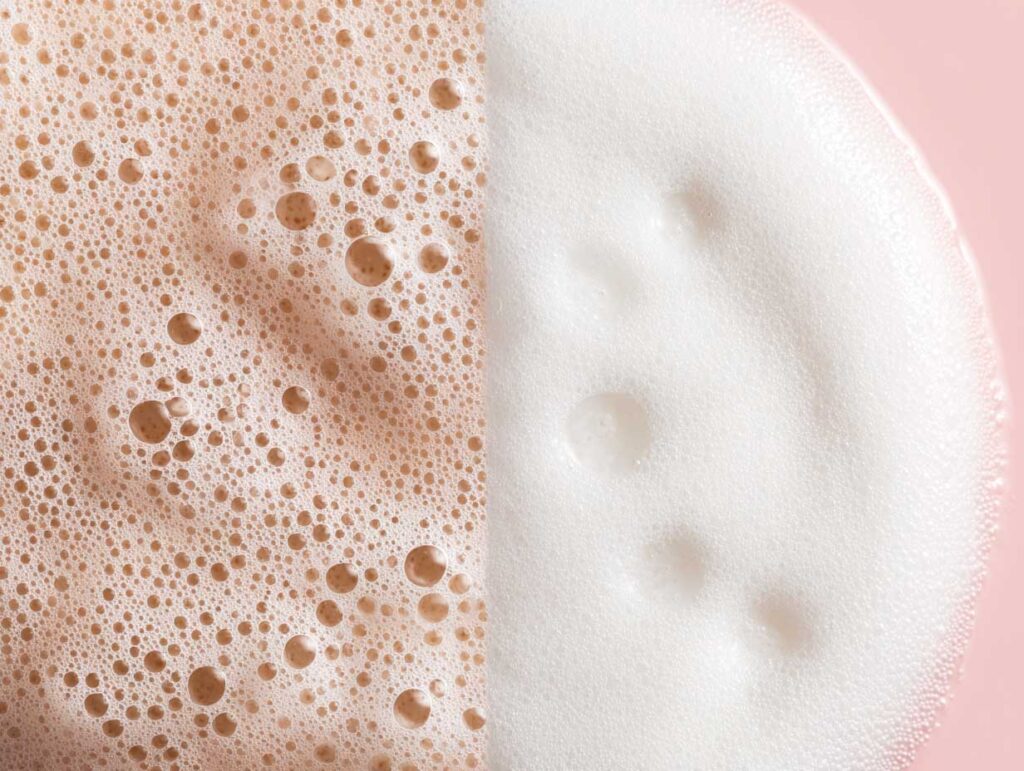
High-foaming cleansers often feel satisfying. The lather creates a sensory cue of cleanliness. Yet foam volume does not correlate with gentleness. In many cases, the richer the foam, the more lipid disruption occurs. Cream and milk cleansers, by contrast, rely on softer surfactant systems and often include emollients that cushion the cleansing process.
Within Reviva Labs’ category structure, cleansing sits under the “Prepare” phase of a functional skincare routine . Preparation is about creating a receptive surface for treatment products, not erasing the skin’s natural defenses. A cleanser that leaves skin tight is not preparing the skin effectively. It is forcing the rest of the routine to work harder.
Water Temperature and Technique
The formula is only part of the story. Water temperature influences how your skin responds to cleansing. Hot water dissolves oil more effectively than lukewarm water. That includes both surface oil and protective lipids. When combined with a strong surfactant system, hot water amplifies barrier disruption.
Many people wash their face in the shower under high heat. That environment strips moisture before the cleanser even touches the skin. Blood vessels dilate under heat, which can increase redness and sensitivity. Switching to lukewarm water often reduces post-cleanse tightness within days.
Technique matters as well. Rubbing aggressively with washcloths or cleansing brushes increases mechanical friction. Friction further disrupts the barrier, compounding the drying effect. Gentle massage with fingertips for a short duration is often sufficient for effective cleansing.
How Age Changes Cleansing Needs
Skin evolves over time. Oil production typically decreases with age. Hormonal shifts, particularly during perimenopause and menopause, alter barrier resilience. What once felt refreshing may later feel harsh.
The American Academy of Dermatology notes that aging skin produces less sebum and becomes more prone to dryness. This shift means cleansers must adapt as well. A formula that controlled oil effectively at age twenty-five may be overly stripping at age forty-five. Many people do not reassess their cleansers as they age, even though their skin biology has changed.
Reviva Labs has emphasized functional skincare since 1973, focusing on performance-driven formulas rather than trends . Functional cleansing must account for age, environment, and barrier condition. If your cleanser once worked and now causes tightness, the issue may be timing rather than formulation failure.
Exfoliating Cleansers and Frequency
Some cleansers contain glycolic acid, salicylic acid, or fruit enzymes. These formulas combine cleansing with exfoliation. Used correctly, they improve texture and clarity. Used too frequently, they compromise barrier integrity.
Exfoliating acids lower surface pH and accelerate cell turnover. That process can temporarily thin the protective lipid matrix. When exfoliation occurs daily without sufficient recovery time, tightness becomes more noticeable. Skin may also sting when applying moisturizer or appear flushed.
Reducing frequency often resolves the issue. Alternating between an exfoliating cleanser and a hydrating cleanser allows the barrier to recover. Observing how your skin feels ten minutes after washing is a useful diagnostic tool. If tightness appears before you apply any other product, the cleanser may be too aggressive or too frequent.
Environmental and External Factors
Climate exerts a significant influence on skin hydration. Cold air holds less moisture than warm air. Indoor heating systems further reduce ambient humidity. During winter, even gentle cleansers may contribute to tightness because the surrounding environment accelerates water loss.
Hard water introduces another variable. Minerals such as calcium and magnesium can leave residue on the skin. This residue interferes with the barrier and may increase dryness. If tightness persists despite formula changes, installing a water filter can improve comfort over time.
Travel also affects skin response. Changes in humidity, altitude, and water composition can alter how your usual cleanser performs. Skin that feels balanced at home may feel tight in a different environment, even when using the same product.
Recognizing Barrier Distress
Tightness rarely exists in isolation. Redness, flaking around the nose or mouth, and stinging upon product application often accompany barrier stress. These signs indicate that your skin requires support rather than stronger treatment.
Barrier repair centers on gentle cleansing and strategic hydration. Hyaluronic acid attracts water to the surface layers. Niacinamide supports barrier function. Emollients and occlusives help seal moisture within the skin. Reducing mechanical and chemical stress gives the barrier time to recover.
Recovery is not instantaneous. Mild disruption may improve within one to two weeks with consistent care. Severe over exfoliation or chronic over cleaning may require longer. Patience is essential, as rapid shifts between aggressive treatments often worsen instability.
Rethinking What “Clean” Should Feel Like
There is a cultural bias toward matte skin. Shine has been framed as something to eliminate. That framing influences how people judge their cleansing experience. A face that feels tight can feel controlled, even disciplined. Yet that discipline often backfires.
Healthy skin contains both oil and water. A subtle glow reflects hydration and barrier integrity. If you equate tightness with success, you may inadvertently sabotage long-term skin health. Shifting your definition of clean from stripped to balanced changes your purchasing and application decisions.
Practical Adjustments That Make a Difference
Improving post-cleanse comfort does not require a complete overhaul. Lowering water temperature can reduce lipid loss immediately. Using a smaller amount of cleanser can decrease surfactant exposure. Cleansing once daily rather than twice may allow the barrier to stabilize, particularly if you do not wake up oily.
Switching from a high-foam gel to a cream or milk cleanser often yields noticeable improvement within days. Observing how your skin feels after ten minutes without applying moisturizer offers insight into whether the adjustment worked. If your skin remains comfortable during that window, your cleansing approach is likely aligned with your barrier’s needs.
Frequently Asked Questions
Why does my skin feel tight even though I have oily skin?
Oily skin can still experience dehydration. Over stripping triggers compensatory oil production, which creates shine later in the day. The tightness you feel immediately after cleansing signals water loss rather than cleanliness.
Is foaming cleanser always harmful?
Not necessarily. Some foaming cleansers are formulated with mild surfactants and hydrating agents. The determining factor is how your skin feels afterward. Persistent tightness indicates imbalance.
How long does barrier recovery take?
Mild barrier disruption often improves within one to two weeks with gentle cleansing and consistent hydration. More significant irritation may require several weeks of reduced stress and barrier-focused care.
Should I stop cleansing in the morning?
If you do not wake up oily or sweaty, rinsing with lukewarm water may be sufficient. Reducing cleansing frequency can improve comfort for many skin types.
Can tightness cause breakouts?
Chronic over cleansing may increase rebound oil production. That excess oil can clog pores, potentially contributing to breakouts over time.
Restoring Comfort to Your Routine
Cleansing sets the tone for every product that follows. When performed thoughtfully, it creates a stable foundation for serums, creams, and treatments. When performed aggressively, it undermines those efforts. Tightness is not a cosmetic inconvenience. It is feedback.
Reviva Labs’ mission emphasizes skincare that positively and functionally affects lives . Functional cleansing supports hydration while removing debris. It respects the barrier rather than challenging it unnecessarily. If your cleanser leaves your skin feeling tight, your skin is offering guidance.
Adjust the formula. Adjust the frequency. Adjust the water temperature. When cleansing aligns with your skin’s biology, comfort replaces tension. Clean skin should feel calm, resilient, and ready for what comes next.
References
- American Academy of Dermatology Association. Dry skin causes. https://www.aad.org/public/diseases/a-z/dry-skin-causes
- American Academy of Dermatology Association. Dermatologists’ tips for relieving dry skin, includes guidance on warm water and avoiding irritating cleansing habits. https://www.aad.org/public/everyday-care/skin-care-basics/dry/dermatologists-tips-relieve-dry-skin
- Journal of Investigative Dermatology. Barrier Function of the Skin, explains TEWL and barrier role in limiting water permeation. https://www.jidonline.org/article/S0022-202X(15)30356-0/fulltext
- Journal of Investigative Dermatology. Transepidermal Water Loss measurement as a research tool for skin barrier function. https://www.jidonline.org/article/S0022-202X(18)32576-4/fulltext
- PMC. Cleansing formulations that respect skin barrier integrity, review of surfactant interactions and cleanser design. https://pmc.ncbi.nlm.nih.gov/articles/PMC3425021/
- PMC. Skin Cleansing without or with Compromise, discussion of soaps vs syndets and TEWL changes after washing. https://pmc.ncbi.nlm.nih.gov/articles/PMC8954092/