
Clean Beauty, Ingredients, Reviva Labs, Skin Care
Why Is My Skin Suddenly Sensitive to Everything?
Feb
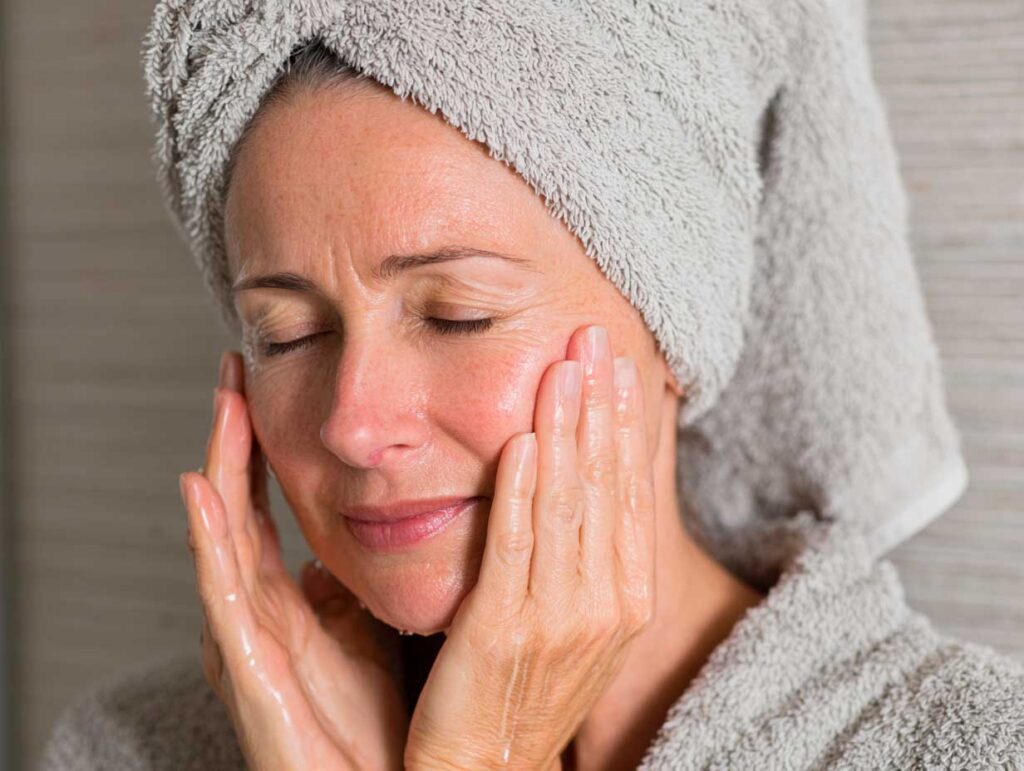
Your skin tolerated everything last month. Now it stings when you rinse with water. The cleanser you trusted for years burns. Your moisturizer feels heavy, greasy, wrong. Even products marketed as gentle seem aggressive. When skin flips like this, it feels dramatic. But it rarely happens without a reason.
Sudden skin sensitivity is not random. It is the visible result of invisible shifts. The barrier weakens. Inflammation rises. Nerve endings become more reactive. And once that cascade starts, even neutral inputs feel amplified. The question is not whether your skin has changed. It has. The question is why.
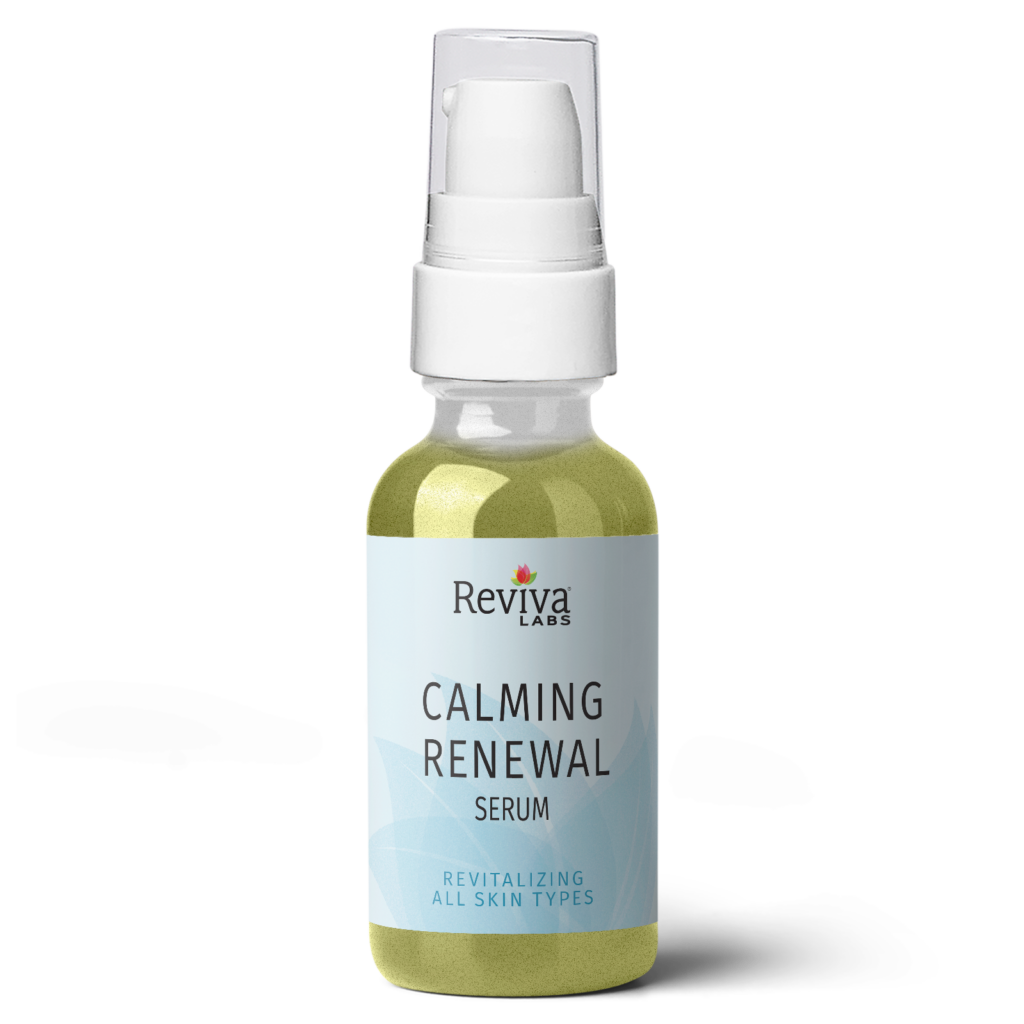
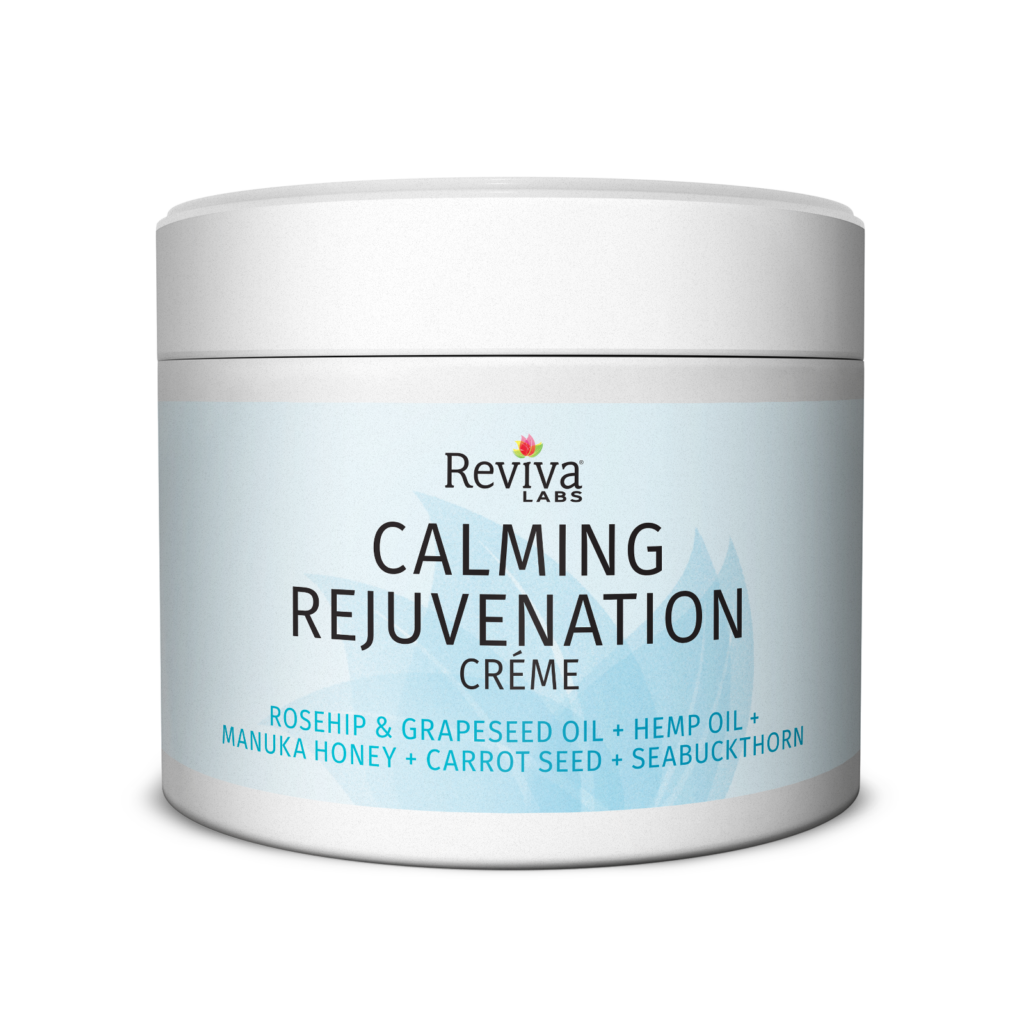
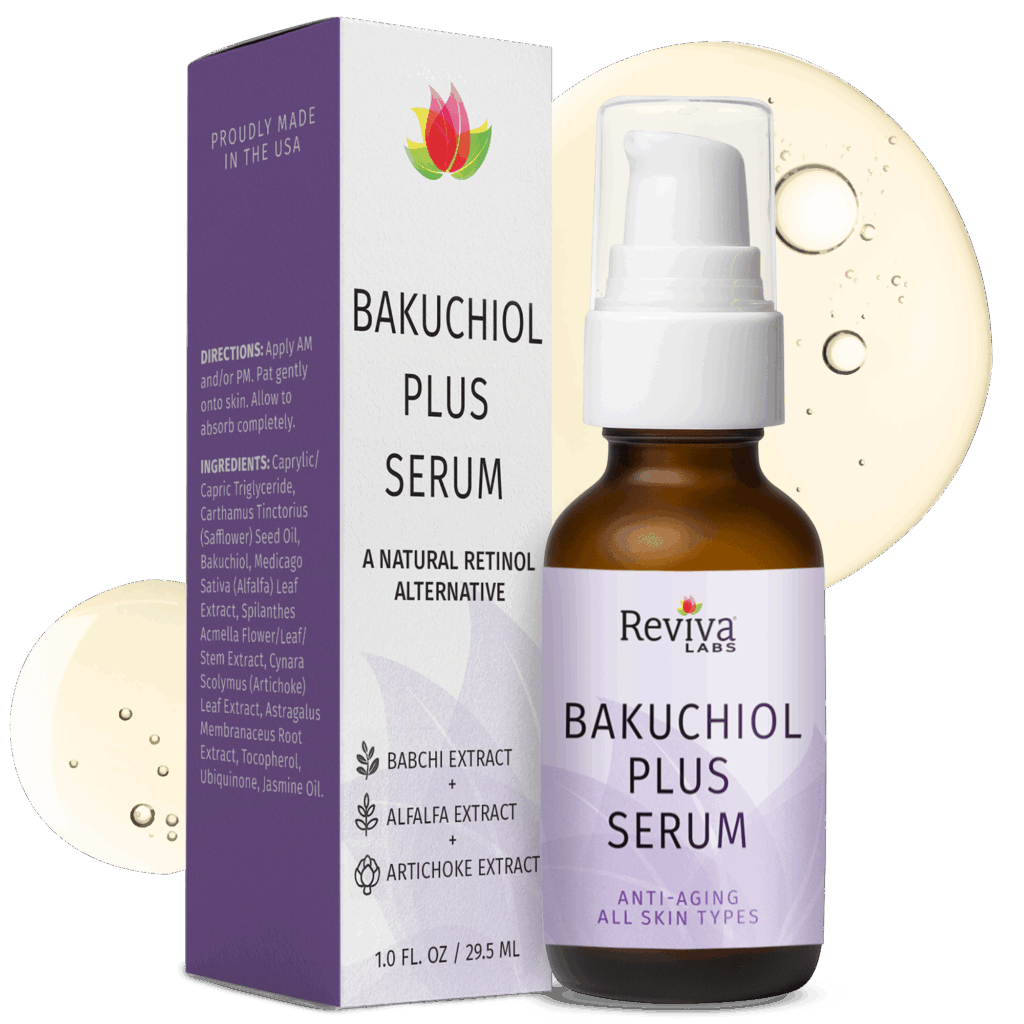
Sensitive to Everything Recommended Products

The Skin Barrier Is a Living System, Not a Static Wall
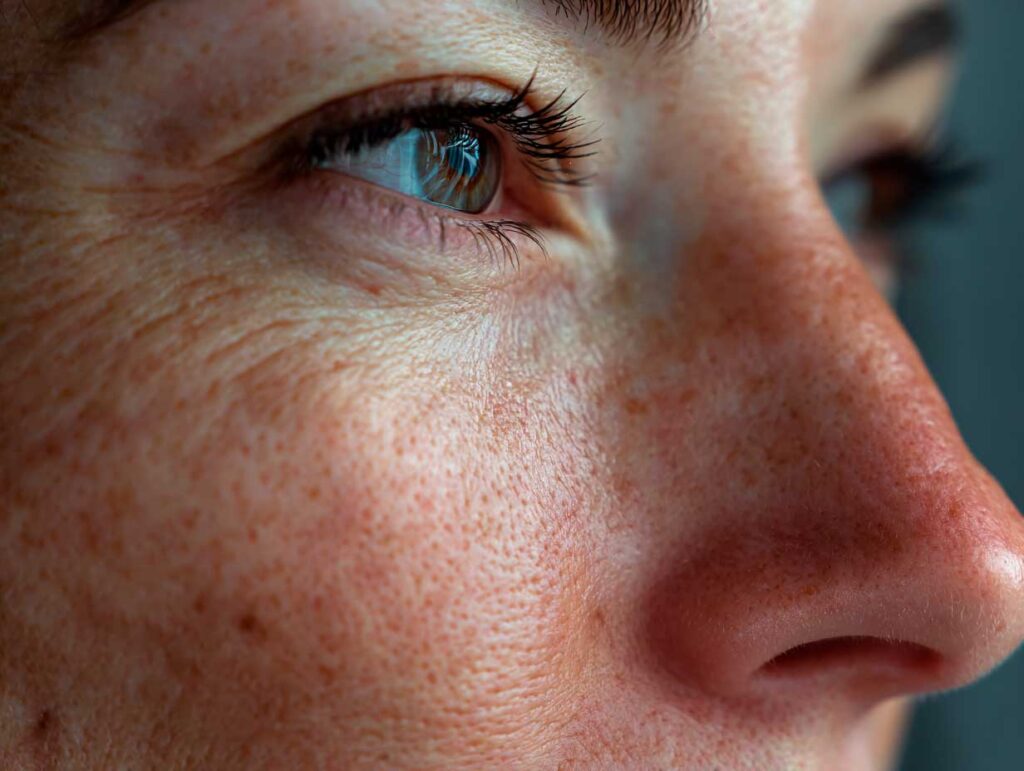
Most people think of skin as a surface. In reality, it is an active, dynamic organ. The outermost layer, the stratum corneum, functions as a semi-permeable barrier. It regulates water loss, blocks irritants, and maintains microbial balance. It does this through a precise structure of corneocytes embedded in a lipid matrix composed primarily of ceramides, cholesterol, and fatty acids.
When that lipid matrix becomes disrupted, microscopic fissures form. Water escapes more quickly. Irritants penetrate more easily. The nerve endings beneath the surface sit closer to exposure. What once felt neutral now registers as discomfort. Even water can sting when the barrier is compromised because the protective lipid layer is no longer buffering sensation.
Large surveys published in the Journal of Clinical and Aesthetic Dermatology report that up to 60 percent of women and 40 percent of men identify as having sensitive skin at some point in their lives. The data shows how common the experience is, but more important is what it implies. Sensitive skin is often acquired. It develops. It reflects change rather than destiny.
Over-Exfoliation and the Illusion of Progress
One of the most common triggers for sudden sensitivity is cumulative exfoliation – that is, over exfoliation. Not a chemical burn. Not an obvious mistake. Consistency. Modern routines often layer acids, enzymes, scrubs, retinoids, and resurfacing cleansers in pursuit of smoother texture and brighter tone.
Individually, these ingredients improve cell turnover. Together, they can thin the protective layer faster than it regenerates. Skin turnover averages about 28 days in younger adults and slows with age. When exfoliation outpaces regeneration, the barrier cannot fully repair between treatments.
This is where sensitivity begins. Tightness after washing becomes redness. Redness becomes stinging. Then the cascade expands. The irony is that many people double down at this stage, assuming they need more exfoliation to “fix” the irritation. The opposite is usually true. The barrier needs time, not force.
Functional skincare philosophy emphasizes preparation before correction. Stabilize first. Treat second. That sequence exists for a reason. Correction without preparation often leads to sensitivity.
Hormones and Internal Shifts
Skin sensitivity is not always topical. It often reflects internal shifts. Estrogen supports collagen production and barrier integrity. When estrogen declines during perimenopause or postpartum transitions, the skin becomes thinner and drier. Reduced sebum output decreases natural lubrication. Barrier lipids drop. Irritation increases.
Cortisol, the body’s primary stress hormone, also plays a role. Elevated cortisol impairs barrier recovery and increases inflammatory signaling. Research published in Dermato-Endocrinology demonstrates that psychological stress delays barrier repair and amplifies inflammatory response. This means even unchanged routines can begin to sting during periods of emotional strain.
Medication changes can also alter skin reactivity. Retinoids, acne treatments, certain antidepressants, and hormonal therapies all shift skin physiology. Sensitivity may be the first visible clue that something systemic has changed.
The Microbiome and Invisible Balance
Your skin is not sterile. It is an ecosystem. Trillions of microorganisms form a microbiome that regulates inflammation, maintains pH, and competes with pathogenic bacteria. When this ecosystem is disrupted, reactivity increases.
Over-cleansing, antibacterial products, aggressive exfoliation, and even frequent use of strong preservatives can shift microbial diversity. Reduced diversity often correlates with increased inflammatory conditions. The result is redness, itching, and unpredictable flare-ups.
Supporting the microbiome does not require trendy products. It requires moderation. Gentle cleansing. Balanced pH. Avoiding constant stripping. Often the most powerful intervention is subtraction rather than addition.

Environmental Shock and Climate Stress
Skin adapts slowly to environmental change. Rapid climate shifts can overwhelm that adaptation. Cold air reduces humidity. Indoor heating lowers moisture levels further. Wind accelerates transepidermal water loss. Even a short flight exposes skin to extreme dehydration in low-humidity cabins.
In warm climates, sweat, friction, and UV exposure increase inflammatory load. Travel between climates compounds these stresses. Sensitivity that appears after a move or trip often reflects environmental shock.
Hydration becomes critical in these moments. Ingredients such as hyaluronic acid, glycerin, and plant-derived lipids help restore water balance and flexibility. But hydration alone is not enough. Lipid replenishment must accompany water binding to truly stabilize the barrier.
Hidden Irritants in Daily Routine
Sometimes the cause of sudden sensitivity is not in your skincare lineup at all. Laundry detergent residue on pillowcases can irritate the face nightly. New hair products can drip onto the hairline. Hot showers dissolve protective lipids. Hard water leaves mineral residue that alters pH.
Friction also matters. Overuse of cleansing brushes, harsh towel drying, tight masks, and constant touching all increase micro-trauma. Individually these seem minor. Over weeks, they accumulate.
When skin becomes reactive, the instinct is to blame the newest product. Often the answer lies in a small behavioral shift repeated daily.
Aging and Changing Tolerance
What worked at 28 does not always work at 42. Sebum production declines with age. Lipid composition changes. Collagen decreases. Skin becomes less resilient to aggressive actives.
This does not mean aging skin is fragile. It means it requires recalibration. A routine designed for oil control in early adulthood may strip too much in midlife. Retinoid frequency that once felt tolerable may now need spacing. Skin is dynamic. It responds to time, environment, and physiology. Sensitivity often reflects that evolution.

When Sensitivity Signals a Condition
Not all sensitivity is routine-driven. Persistent redness, visible capillaries, itching, or clustered bumps may indicate rosacea, contact dermatitis, eczema, or perioral dermatitis. These conditions can begin subtly and escalate gradually.
If a simplified routine does not calm symptoms within several weeks, medical evaluation is wise. Self-experimentation during active inflammation often prolongs recovery.
The Reset Phase
When everything burns, reduce everything. Stop exfoliation. Pause retinoids. Eliminate fragrance. Use lukewarm water. Choose a gentle cleanser and a straightforward hydrating serum. Follow with a barrier-supporting moisturizer rich in lipids.
Maintain sunscreen but choose a formula designed for reactive skin. Consistency matters more than complexity. Barrier repair takes time. Expect at least two to four weeks for noticeable improvement in mild cases.
Once stability returns, reintroduce actives slowly. One product at a time. Space applications. Watch carefully for signals. The goal is not intensity. It is resilience.
Why Skin That Felt Fine for Years Can Shift Overnight
The shift rarely happens overnight. It accumulates quietly. Small stresses add up. A new product here. A colder winter there. Increased stress at work. Slight hormonal change. A few extra exfoliation sessions.
Then one day the threshold tips. Sensitivity surfaces. It feels sudden because the final straw is visible. The buildup was not.
Skin communicates through sensation. Tightness, redness, stinging, and itching are feedback. They are not betrayal. They are instruction. If you listen early, recovery is faster. If ignored, inflammation deepens.
FAQs When Sensitivity Appears
Why does water sting when I wash my face?
Water stings when the barrier is compromised because exposed nerve endings react to evaporation and osmotic shifts. Even neutral water can trigger sensation without lipid buffering.
Can I suddenly become allergic to a product I have used for years?
Yes. Repeated exposure can lead to delayed sensitization. Immune responses can develop over time even without prior symptoms.
Should I stop active ingredients permanently?
In most cases, no. Actives can be reintroduced once the barrier stabilizes. The key is frequency control and proper support.
How long does recovery take?
Mild barrier disruption often improves in two to four weeks with simplified care. Chronic inflammation or underlying conditions may require longer and medical guidance.
The Broader Lesson
Sensitive skin is not weakness. It is signal. It indicates that the balance between renewal and repair has shifted. Modern skincare culture emphasizes correction. Brightening. Smoothing. Resurfacing. But repair rarely gets equal attention.
Functional skincare systems prioritize preparation before prevention and correction. That sequence reflects physiology. Stabilize the barrier. Support the microbiome. Restore lipids. Then treat specific concerns. When your skin suddenly reacts to everything, it is not asking for more complexity. It is asking for restraint.
Simplify. Support. Rebuild gradually.
Your skin has not turned against you. It is adjusting. And when you respond with patience instead of panic, sensitivity becomes temporary rather than permanent.
References
- Dreno B et al. Sensitive skin: An overview. Journal of Clinical and Aesthetic Dermatology. 2013. https://www.ncbi.nlm.nih.gov/pmc/articles/PMC5849435/