
Clean Beauty, Ingredients, Natural, Reviva Labs, Skin Care
When Skin Pushes Back How to Calm and Comfort Sensitive Skin
Feb
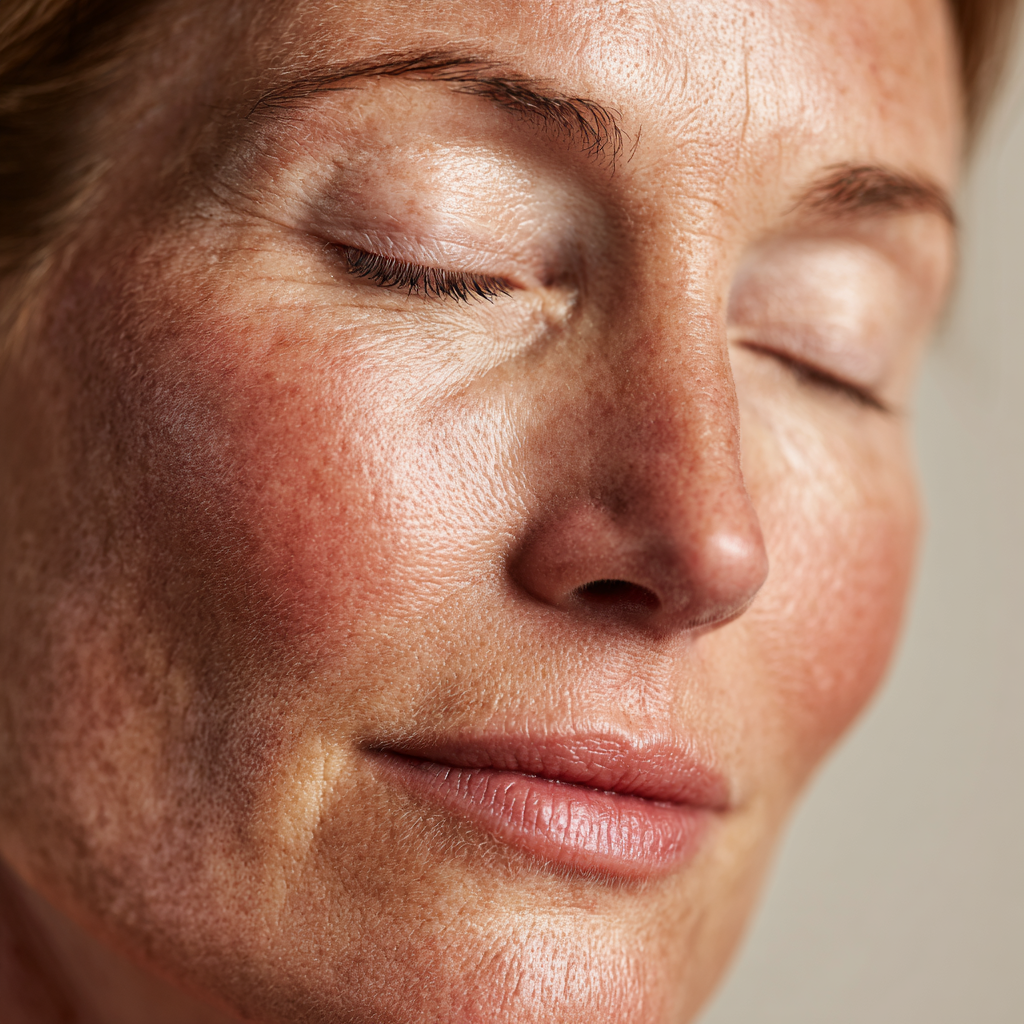
Skin rarely sends a formal warning before it acts up. One week everything feels balanced and calm, the next week your face looks flushed, feels tight, or reacts to products you have used for years without issue. Sensitive skin is not a fixed identity for most people. It is a state, one triggered by environment, stress, seasonal change, or subtle shifts inside the body. That reality is why soothing sensitive skin requires more than avoidance. It requires thoughtful hydration, texture awareness, and formulas built to support the skin barrier without overwhelming it.
Sensitive Skin Recommended Products

Sensitive skin shows up in predictable moments. Cold weather drives us indoors where forced heat strips humidity from the air. Summer sun, wind, and salt pull moisture from the surface. Travel disrupts routines and exposes skin to different water, climate, and sleep patterns. Even emotional stress can show on the face as redness or reactivity. These shifts change how skin behaves, even if your skin normally tolerates a wide range of products.
What many people mistake as sensitivity is often dehydration paired with a compromised barrier. When skin loses water, nerve endings sit closer to the surface and become more reactive. Redness becomes more visible. Texture can feel rough or uneven. Products sting when they never did before. Treating this state requires restoring comfort first, not forcing correction too quickly.
The goal of soothing sensitive skin is not to chase perfection. It is to help skin feel normal again. Calm skin absorbs hydration better, holds moisture longer, and responds more predictably to treatment products. When you address comfort and barrier support, everything else improves naturally.

Why skin becomes sensitive in the first place
Skin is designed to protect us, but that protection depends on a delicate balance of lipids, water, and structural proteins. The outermost layer relies on essential fatty acids and ceramides to keep moisture in and irritants out. When that balance shifts, the barrier weakens. Water escapes more easily, and external triggers slip through.
Environmental stressors play a major role. Indoor heat dries the air and pulls water from the skin surface. Wind increases evaporation. Sun exposure inflames tissue and accelerates moisture loss. These factors add up quickly, especially during seasonal transitions.
Product overload also contributes. Over-exfoliation, strong actives layered too aggressively, and constant switching between formulas confuse the skin. Even beneficial ingredients can create irritation when used without enough hydration or recovery time. Sensitive skin often reflects skin asking for less intensity and more support.
Another overlooked factor is texture preference. Heavy creams can feel comforting to one person and suffocating to another. Lightweight oils can feel nourishing to some and intimidating to others. The right product is not only about ingredients, but how it feels during application and after absorption.
Hydration as a sensory experience
Hydration is not only functional. It is sensory. When a product glides easily, absorbs smoothly, and leaves skin feeling comfortable rather than coated, the nervous system responds positively. That response matters for sensitive skin.
Calming formulas often rely on oils, humectants, and occlusives working together. Oils deliver essential fatty acids that repair barrier function. Humectants attract and hold water. Occlusives seal moisture in place. The balance between these elements determines how a product feels and performs.
One common misconception is that oils automatically sit on the surface or clog pores. In reality, well-formulated oils can absorb rapidly and disappear into the skin, delivering nourishment without residue. This is especially true when the oil blend mirrors the skin’s natural lipid profile.
Sensitive skin benefits from formulas that absorb before irritation has time to register. When a product sinks in quickly, there is less opportunity for friction, rubbing, or overstimulation. The skin receives comfort rather than resistance.
Calming Renewal Serum and the role of lightweight oils
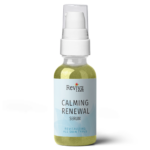
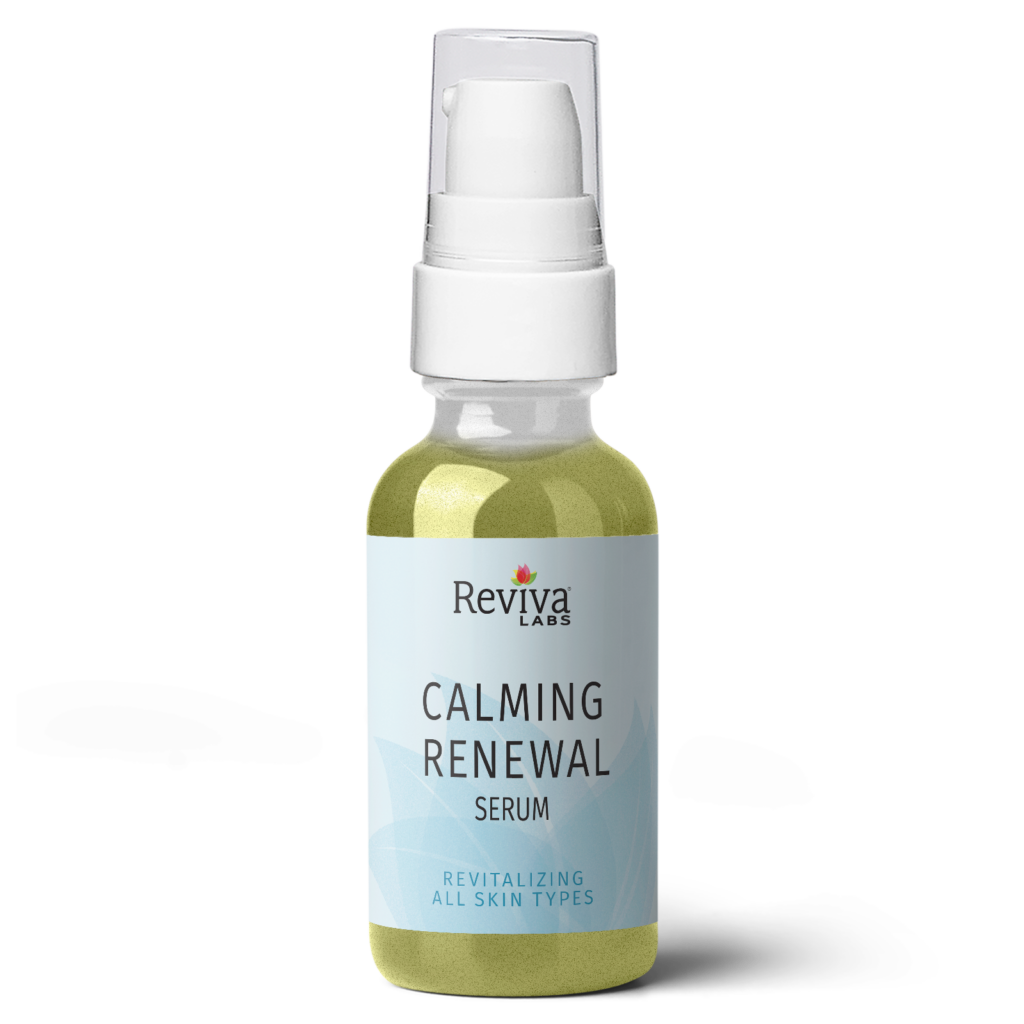
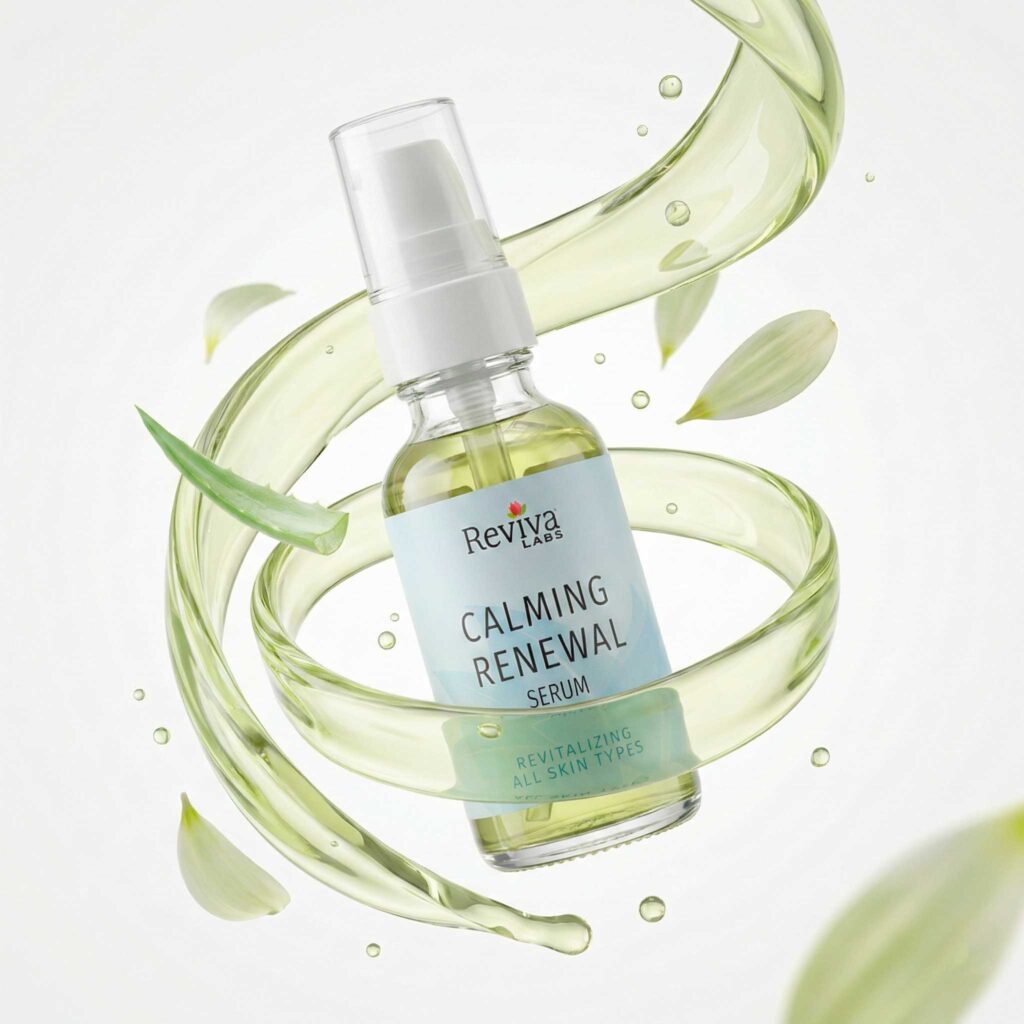
Calming Renewal Serum demonstrates how oils can work for sensitive skin when chosen and blended carefully. Though it is oil-based, it absorbs with surprising speed. This matters because sensitive skin often reacts to heaviness or lingering residue.
The formula relies on a blend of argan, rosehip, jojoba, and hemp oils. Each offers essential fatty acids that support barrier repair and moisture retention. These oils help replenish lipids that skin loses during dry seasons or periods of stress.
What makes the serum particularly suited for sensitivity is the inclusion of botanicals associated with soothing traditions. Ashwagandha, mushroom extracts, chinaberry, turmeric, and red seaweed contribute calming and antioxidant support. These ingredients address redness and reactivity without relying on harsh anti-inflammatory agents.
The sensory aspect also matters. The aroma comes naturally from the oils themselves. It feels earthy and spa-like during application, then fades quickly. For sensitive skin, this brief sensory moment can feel grounding rather than overwhelming.
Because the serum absorbs so efficiently, it works well both morning and night. In the morning, it provides comfort without interfering with sunscreen or makeup. At night, it replenishes lipids lost throughout the day. This flexibility allows users to respond to how their skin feels rather than forcing a rigid routine.

Why creams still matter for sensitive skin
While oils play a key role, creams offer another layer of support. Sensitive skin often benefits from formulas that combine hydration with protection, especially during daytime exposure.
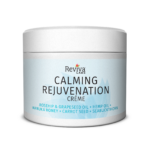
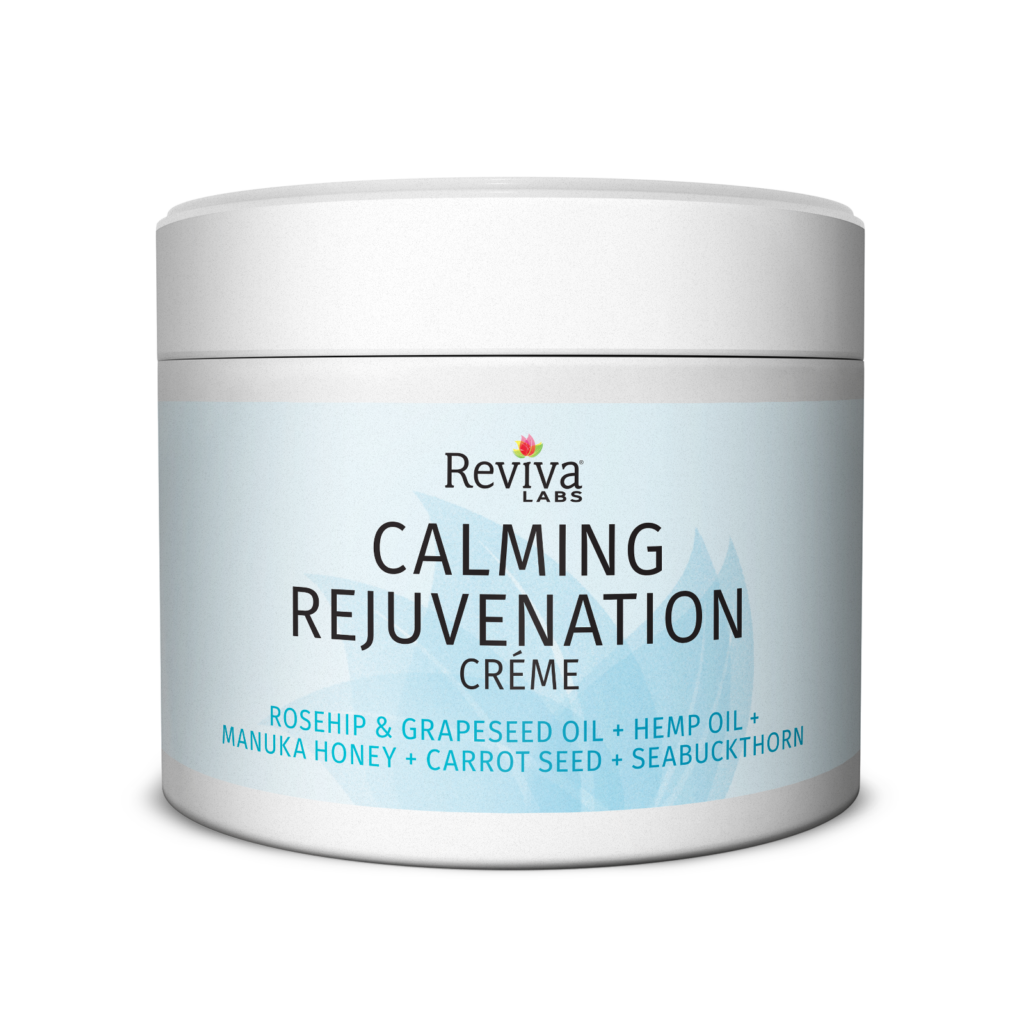
Calming Rejuvenation Creme builds on the principles of the serum but delivers them in a richer, cream-based texture. It incorporates nourishing oils alongside manuka honey, carrot seed oil, sea buckthorn, and beeswax. This combination provides moisture, antioxidant support, and a gentle occlusive layer.
Beeswax deserves special mention. In skincare, beeswax acts as a breathable seal. It helps lock in hydration without creating a heavy barrier. For sensitive skin, this means moisture stays in place while the skin still feels able to breathe.
Manuka honey contributes humectant properties and skin-comforting benefits. Sea buckthorn adds antioxidants and fatty acids that support repair. Carrot seed oil enhances nourishment while complementing the formula’s natural scent profile.
This cream works particularly well during the day when skin faces environmental stress. Wind, cold, and dry air all challenge hydration levels. A cream like this provides a buffer, helping skin stay comfortable longer.
Texture preference plays a role here too. Some people prefer a cream during the day because it feels protective. Others reserve it for times when skin feels especially reactive. The key is listening to how your skin responds rather than following rules blindly.
Advanced Peptide Plus as nighttime support
Sensitive skin does not exclude aging concerns. In fact, sensitivity often increases as skin matures and produces less oil naturally. Nighttime is an ideal opportunity to address multiple needs without overloading the skin.
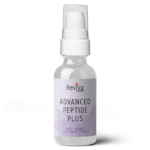
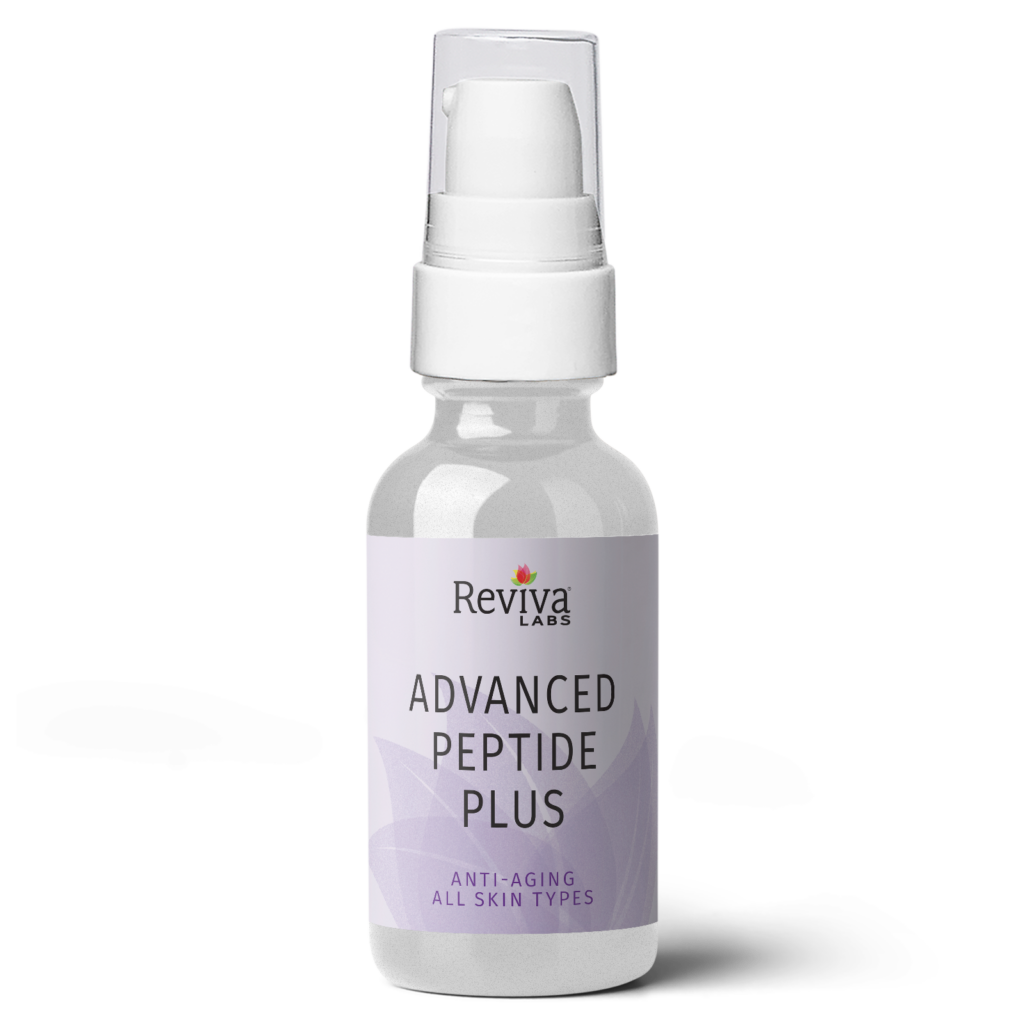
Advanced Peptide Plus offers a streamlined approach. It combines peptides, vitamin C derivatives, collagen, hyaluronic acid, argireline, and Swiss apple stem cell extract in a single formula. This concentration allows users to simplify routines, which sensitive skin often prefers.
Peptides support skin structure and help improve the appearance of fine lines. Hyaluronic acid enhances hydration. Argireline targets expression lines gently. Vitamin C derivatives contribute antioxidant support without the sting associated with stronger forms.
The texture is designed to absorb smoothly without heaviness. This makes it suitable for layering after an oil serum or beneath a calming cream. For those who travel frequently, its one-ounce size and multi-benefit profile make it especially practical.
Using this product at night allows skin to recover while addressing visible signs of aging. Sensitive skin benefits from this timing because it avoids daytime environmental triggers and gives ingredients uninterrupted contact.
Layering without irritation
Layering often intimidates people with sensitive skin. The idea of applying multiple products can feel risky. The reality is that thoughtful layering can actually reduce irritation when done correctly.
The general principle is simple. Start with the lightest texture and move toward richer formulas. This allows each product to absorb fully and minimizes friction.
One effective approach involves applying Calming Renewal Serum first. Its fast absorption prepares the skin and replenishes lipids. Advanced Peptide Plus can follow, delivering hydration and peptides. Calming Rejuvenation Creme can finish the routine, sealing everything in with comfort.
That said, sensitive skin does not demand strict order. Texture preference matters more than rules. Some users prefer the cream before the peptide formula. Others adjust based on time of day or climate. The most important factor is allowing each layer to absorb before adding the next. Patience matters. Rushing through application increases friction and can trigger redness. Taking a few moments between layers helps skin adjust and respond positively.
Seasonal strategies for sensitive skin
Winter sensitivity differs from summer sensitivity. In colder months, dehydration dominates. Indoor heat and cold air outside create a constant moisture drain. During this time, oils and creams become especially valuable.
In warmer months, sensitivity often stems from sun exposure and increased cleansing. Lightweight hydration and antioxidant support help maintain balance without feeling heavy. The flexibility of oil serums and peptide creams allows routines to shift naturally with the seasons.
Travel introduces its own challenges. Airplane cabins, different water sources, and disrupted sleep patterns all affect skin. Packing versatile products that address multiple needs reduces the temptation to experiment while away from home.
Listening to skin signals
Perhaps the most overlooked aspect of soothing sensitive skin is awareness. Skin communicates constantly. Tightness, warmth, itching, and redness all signal imbalance. Ignoring these signals often leads to overcorrection.
Sensitive skin thrives on consistency. This does not mean using the same product forever. It means allowing time for skin to respond before changing course. Introducing one new product at a time helps identify what supports comfort and what disrupts it.
Texture feedback is especially important. If a product feels good during application but uncomfortable later, it may not suit current conditions. Conversely, a product that absorbs instantly and leaves skin calm often indicates compatibility. Sensitive skin also benefits from restraint. Fewer products used thoughtfully often outperform long routines filled with competing actives. Calm skin responds better to treatment over time.

A philosophy built around real skin
The approach outlined here reflects a broader philosophy embraced by Reviva Labs. The brand’s focus has long centered on functional skincare built for real people, not idealized routines. Products aim to support skin across life stages, climates, and changing needs.
Soothing sensitive skin fits naturally into this philosophy. Rather than isolating sensitivity as a problem to fix, it treats it as a signal. When skin asks for comfort, hydration, and simplicity, responding thoughtfully restores balance.
Sensitive skin does not require fear. It requires attention. With the right textures, supportive ingredients, and a willingness to adjust routines based on how skin feels, sensitivity becomes manageable rather than limiting.
When comfort returns, skin looks healthier. Redness fades. Texture smooths. Products perform better. Most importantly, skincare becomes enjoyable again rather than stressful. Sensitive skin happens to everyone. Knowing how to respond makes all the difference.
FAQs
What causes skin to suddenly become sensitive?
Skin sensitivity often appears when the barrier becomes compromised. Seasonal weather shifts, dry indoor heat, sun exposure, stress, travel, and overuse of active ingredients can all reduce moisture levels and weaken the skin’s protective layer. When that happens, redness, tightness, and reactivity show up even if your skin was never sensitive before.
Is sensitive skin a permanent skin type?
For most people, no. Sensitivity is usually a temporary condition rather than a lifelong skin type. Once hydration levels are restored and the barrier is supported, skin often returns to its normal behavior. Paying attention to texture, absorption, and comfort helps prevent sensitivity from lingering.
Can oils work for sensitive or reactive skin?
Yes, when the oils are lightweight and well formulated. Oils rich in essential fatty acids can help repair the skin barrier and reduce moisture loss. Fast-absorbing oil blends are especially helpful because they nourish without sitting on the surface or creating heaviness.
How should I layer products when my skin feels irritated?
Start with the lightest texture and move toward richer formulas, allowing each layer to absorb before applying the next. Gentle oil serums can go first, followed by treatment creams or peptide formulas, and finished with a calming moisturizer. Texture preference matters more than strict rules, especially for sensitive skin.
How long does it take to calm sensitive skin?
Some people notice improvement within days once hydration and barrier support are restored. For others, it can take a few weeks of consistent, gentle care. The key is avoiding overcorrection and giving the skin time to recover while keeping routines simple and comforting.