
Ingredients, Natural, Skin Care
The Ozempic® Effect on Skin – Can Topical Products Lift and Fill Sagging Skin After Weight Loss

Nov
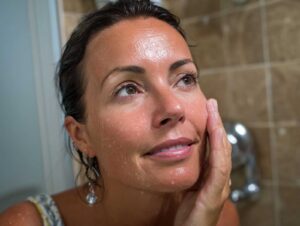
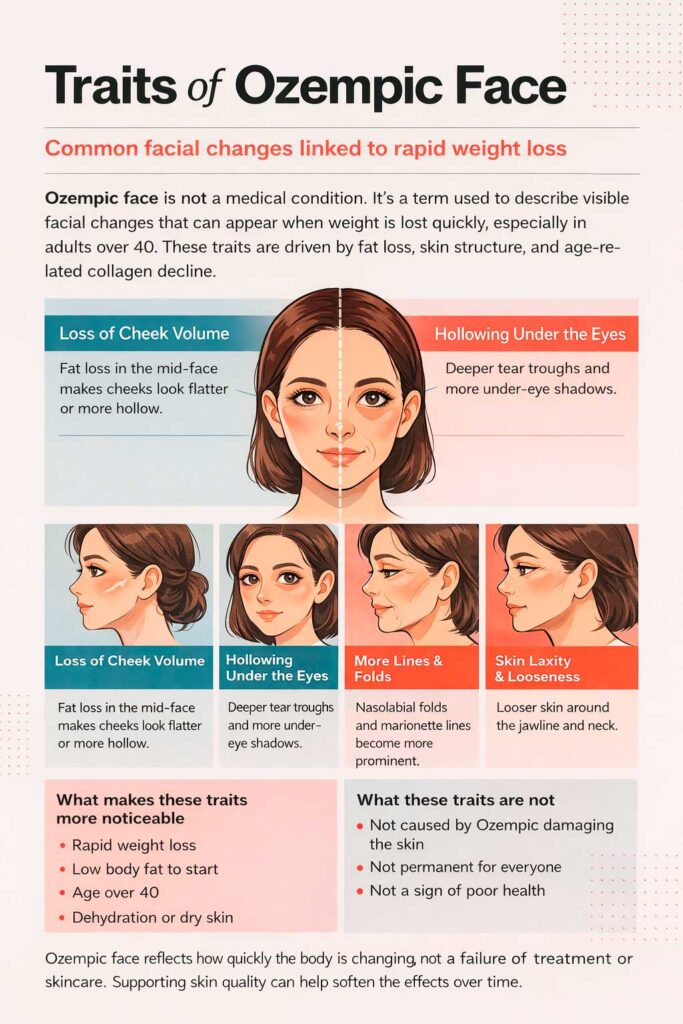
Rapid weight loss changes more than a number on a scale. It changes the face staring back in the mirror. Over the past few years, medications like Ozempic® and other GLP-1 drugs have reshaped how people lose weight. They work. Sometimes dramatically. And with that speed comes a visible side effect many users did not expect. Loose skin. Hollowed cheeks. Softer jawlines. A look people now casually call “Ozempic face.”
Topical Products Lift and Fill Sagging Skin After Weight Loss
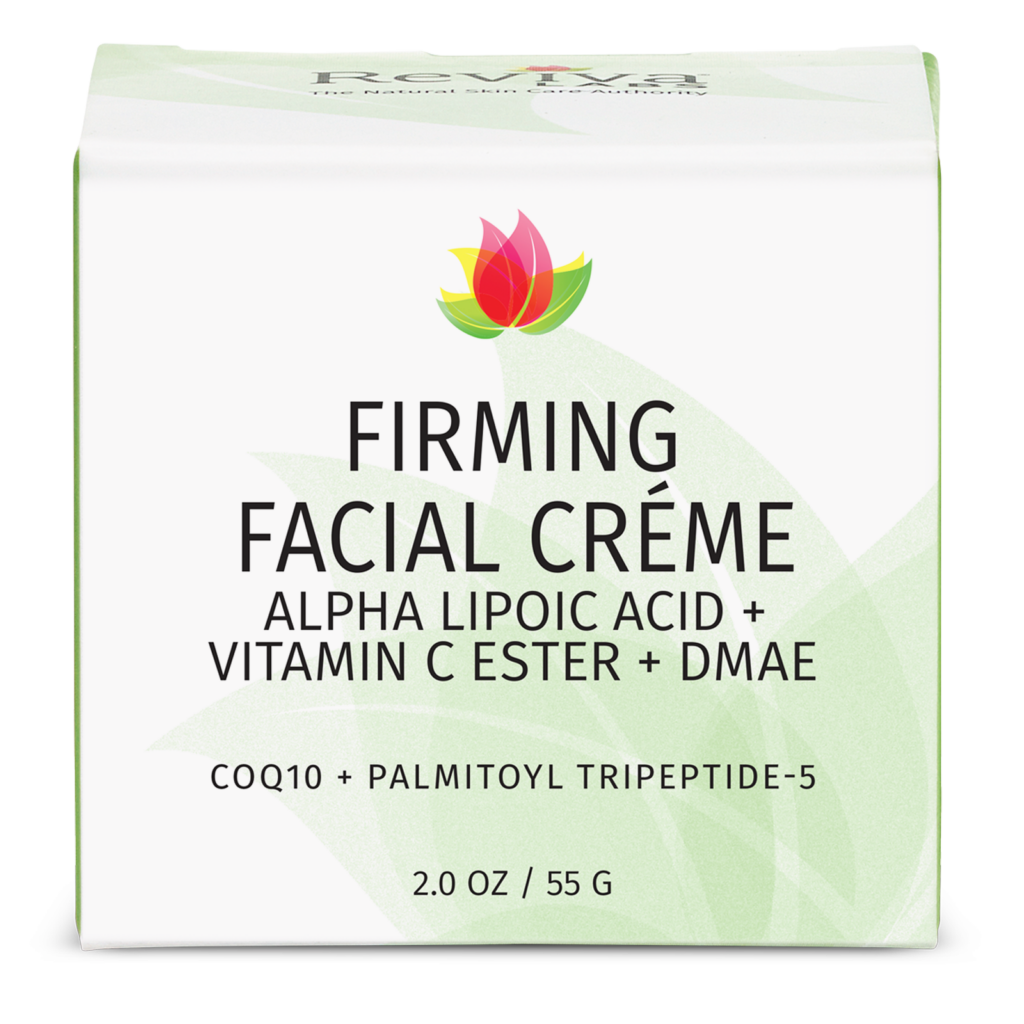

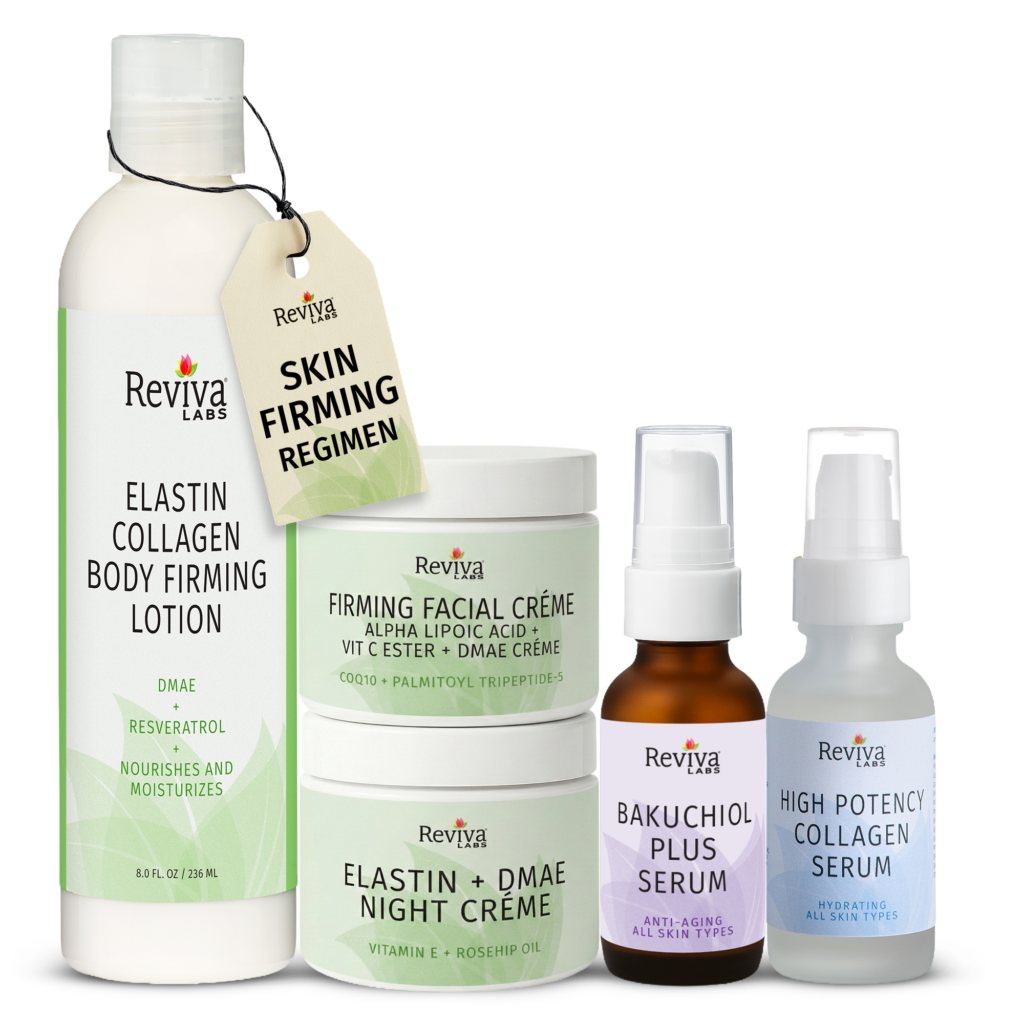
This article tackles the hard question behind the trend. Once weight loss leaves skin slack and deflated, can topically applied skincare products lift and fill it back in. Or is the damage permanent without procedures. The answer sits somewhere between optimism and realism, grounded in skin biology rather than marketing promises.
Why Rapid Weight Loss Changes the Face So Fast
Facial fat plays a quiet but critical role in how skin looks. It acts like natural scaffolding, supporting the dermis from beneath. When weight drops slowly, skin has time to adjust. Fibroblasts respond. Collagen remodeling happens. Elastin fibers reorganize. With rapid loss, especially over months rather than years, skin does not get that grace period.
GLP-1 medications suppress appetite and slow digestion. Users often lose significant weight quickly. Fat pads in the cheeks, temples, and around the mouth shrink. Skin that once draped smoothly now hangs with less support. This is not aging in the classic sense, but the result can look similar to accelerated aging.
Age compounds the effect. After about 40, collagen production declines roughly one percent per year. Elastin fibers fragment. Hyaluronic acid levels drop. When rapid fat loss hits skin already working with fewer structural resources, laxity shows faster and more clearly.
What Actually Changes in the Skin After Weight Loss
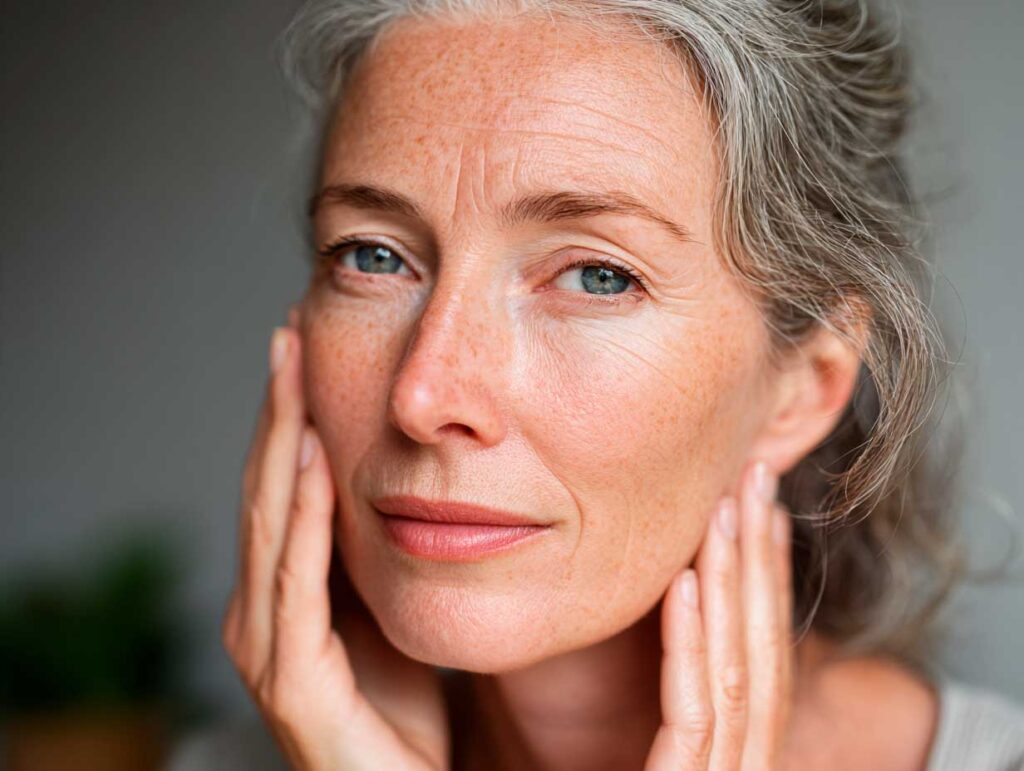
Sagging skin after weight loss involves three layers. The hypodermis loses fat volume. The dermis loses tension. The epidermis often becomes thinner and more fragile, especially if nutrition suffers during caloric restriction.
Collagen fibers stretch and fail to fully recoil. Elastin fibers, once damaged, regenerate poorly. Skin hydration drops, making creases more visible. Circulation can slow, reducing nutrient delivery and repair signaling. None of this means skin is broken beyond repair, but it does mean the fix is not simple.
The key point often missed is this. Loose skin is not only about elasticity. It is about volume, density, hydration, and surface integrity working together. No single product addresses all four.
What Topical Skincare Can Realistically Do
Topical skincare cannot replace lost fat. It cannot surgically tighten skin. It cannot instantly rebuild deep dermal architecture. Anyone claiming otherwise is selling fantasy.
What topical products can do is improve the quality of the skin you have. They can increase hydration, which visually plumps skin. They can support collagen synthesis over time. They can improve barrier function, so skin looks smoother and healthier. They can create temporary tightening effects through film-forming ingredients. And when layered correctly, they can meaningfully soften the look of laxity.
The difference between disappointment and satisfaction lies in expectations. Topical products improve appearance, not anatomy.
Hydration as the First Line of Defense
Dehydrated skin exaggerates sagging. Lines deepen. Texture looks crepey. The fastest visible improvement after weight loss often comes from restoring water content to the skin.
Humectants like hyaluronic acid draw water into the upper layers of skin. When used consistently, they create a plumper surface that reflects light better and reduces the look of hollows. This does not last forever without ongoing use, but it is real, measurable, and visible.
Hydration also improves cellular communication. Enzymatic processes involved in barrier repair and collagen signaling work better in a hydrated environment. Think of hydration as setting the stage. Without it, nothing else performs well.
The Role of Collagen-Supporting Ingredients
Collagen loss after weight loss is both mechanical and biological. Skin stretched over less volume loses tension. Fibroblasts sense less mechanical stress and slow collagen production. Topical ingredients can help re-stimulate those cells, modestly and gradually.
Vitamin C plays a central role here. It supports collagen synthesis and helps stabilize existing collagen fibers. Peptides act as signaling molecules, encouraging skin to behave as if repair is needed. Niacinamide improves barrier strength and reduces inflammation, creating conditions where repair proceeds more efficiently.
These ingredients do not rebuild lost fat. They do help thicken the dermis over time. Thicker dermis equals firmer appearance. Results show in months, not weeks.
Firming Ingredients and Temporary Lift
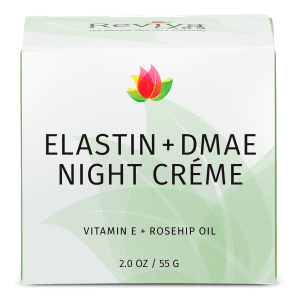
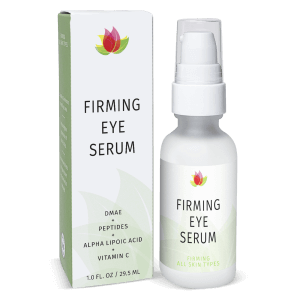
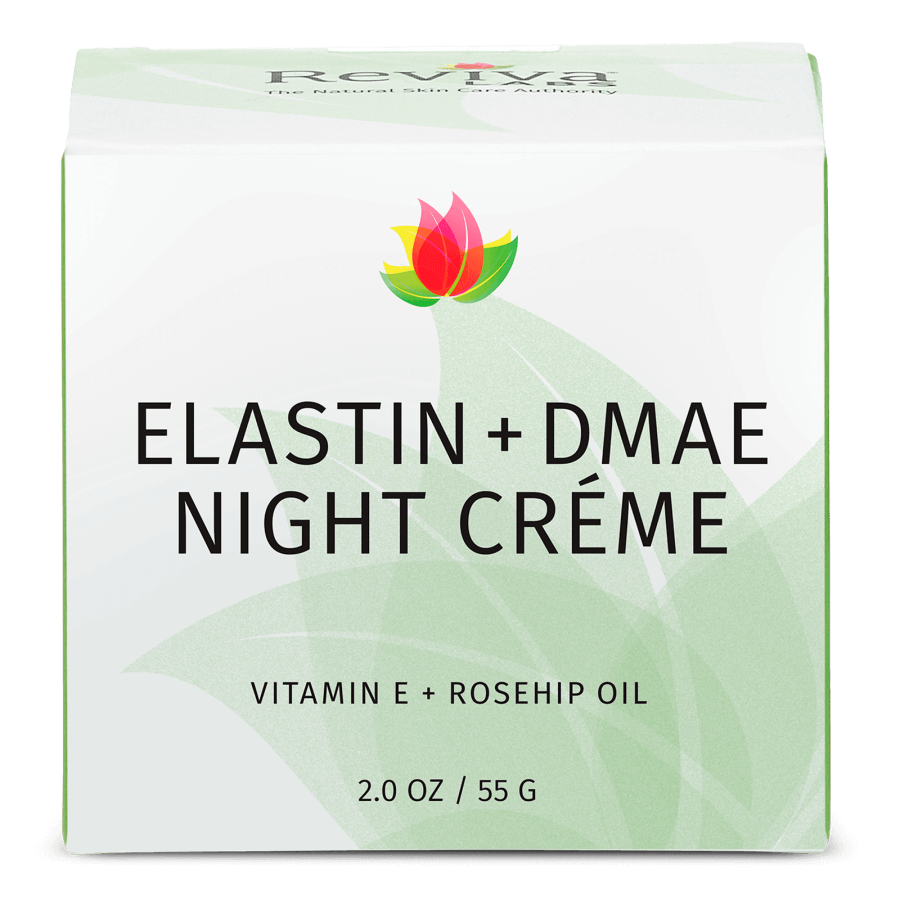
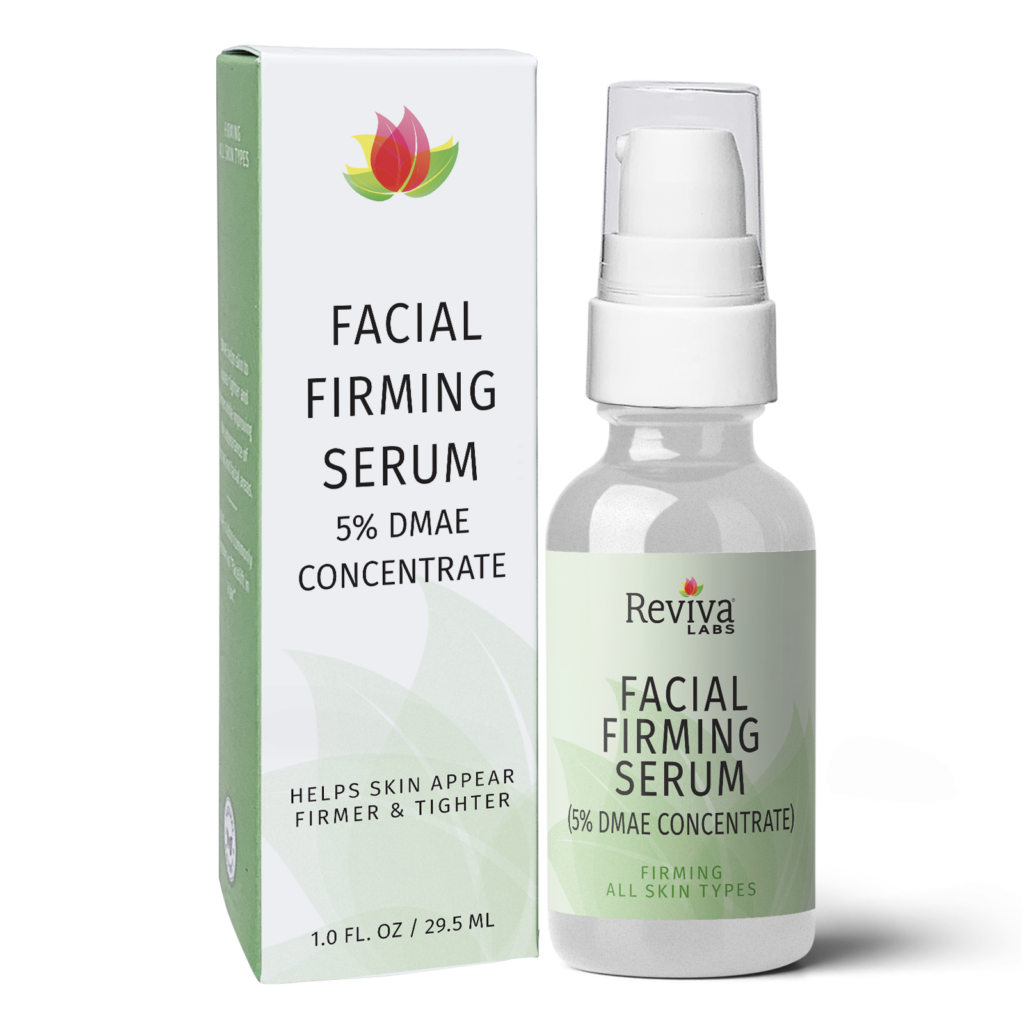
Some ingredients offer immediate tightening effects. DMAE is one example often discussed in firming products. Film-forming polysaccharides and algae extracts also create a subtle pulling sensation as they dry. This produces a visible but temporary lift.
These effects are cosmetic, not structural. They wash off. Yet they serve a purpose. For people adjusting to post-weight-loss changes, that immediate feedback builds confidence and bridges the gap while longer-term improvements develop underneath. Temporary lift is not fake. It is just not permanent.
Why Volume Loss Is the Hardest Problem to Fix Topically
Hollow cheeks and temples are driven by fat loss, not skin failure. No cream replaces adipose tissue. Hydration and dermal thickening can soften the edges, but true volume restoration requires injectables or surgical approaches.
That said, improving skin density and elasticity around volume loss changes how noticeable it feels. A firm, hydrated surface drapes better over less volume than a thin, dry one. This is where good skincare earns its keep. Consistency matters more than product count. Layering hydration, antioxidants, peptides, and barrier-supporting creams daily compounds results over time.
The Importance of Nutrition and Lifestyle
Topical products do not work in isolation. Rapid weight loss often comes with protein deficits, micronutrient gaps, and dehydration. Skin reflects that immediately.
Adequate protein intake supports collagen synthesis. Vitamin C from diet supports what topical vitamin C initiates. Zinc, copper, and essential fatty acids matter for skin repair. Water intake affects skin turgor more than most people realize. Sleep also matters. Growth hormone release during deep sleep drives tissue repair. Stress hormones break it down. Skincare works best when biology cooperates.
How Long Improvement Takes and What Plateau Looks Like
Most people notice improved hydration within days. Texture smooths within weeks. Firmness improvements take eight to twelve weeks with consistent use. Collagen support shows gradually over three to six months.
There is always a plateau. Topicals reach a ceiling where further visible improvement slows. That ceiling varies by age, genetics, degree of weight loss, and skin history. Accepting that limit avoids frustration and overspending.
When Skincare Is Enough and When It Is Not
For mild to moderate laxity, especially in younger users or those who lost weight gradually, skincare can produce satisfying improvement. Skin looks healthier, firmer, and more resilient. Sagging softens. Confidence returns.
For significant volume loss, deep jowling, or severe laxity, skincare plays a supportive role but not a corrective one. In those cases, professional treatments may fill the gap. Even then, good skincare improves outcomes and longevity of procedures. The smartest approach is layered. Restore hydration. Support collagen. Protect skin barrier. Use firming agents wisely. Support the body internally. Then reassess.
The Emotional Side of Post-Weight-Loss Skin Changes
Weight loss is supposed to feel like a win. When skin does not cooperate, disappointment hits hard. People feel older than before. Compliments shift to concern. That emotional piece matters.
Skincare routines provide more than physical benefits. They offer agency. A sense of rebuilding rather than accepting decline. That psychological lift is real and worth acknowledging.
FAQs
What exactly causes “Ozempic face” after weight loss?
“Ozempic face” is not caused by the medication itself acting on skin. It happens because rapid weight loss reduces facial fat pads that support the skin. When that volume disappears faster than skin can adapt, the result is sagging, hollowness, and softer contours. Age, genetics, and how quickly weight is lost all influence how noticeable the change becomes.
Can skincare products actually tighten loose skin after weight loss?
Topical skincare can improve how loose skin looks, but it cannot surgically tighten skin or replace lost fat. Well-formulated products increase hydration, improve skin density, support collagen production, and enhance surface firmness. These changes help skin appear smoother and more resilient, which reduces the visible severity of sagging over time.
Which skin concerns respond best to topical products after weight loss?
Dehydration, crepey texture, dullness, and mild to moderate laxity respond best to consistent topical care. Products that focus on hydration, barrier repair, antioxidants, and peptides tend to show the most visible improvement. Deep hollows and major volume loss are harder to address with skincare alone, though skin quality still benefits.
How long does it take to see results from skincare used for post-weight-loss skin?
Hydration and surface smoothness often improve within days to weeks. Firmer texture and better elasticity typically take two to three months of consistent use. Collagen-supporting benefits develop gradually and are most noticeable after three to six months. Results depend on age, skin condition, nutrition, and daily consistency.
Is skincare enough, or are in-office treatments always required?
Skincare is often enough for people with mild to moderate changes who want a natural improvement in skin quality. For more significant sagging or facial volume loss, professional treatments may provide additional correction. Even in those cases, topical skincare remains essential for maintaining results and supporting long-term skin health.
Final Takeaway Without the Hype
The Ozempic effect on skin is not a failure of skincare. It is a biological reality meeting accelerated change. Topical products cannot replace lost fat or perform miracles. They can improve hydration, firmness, texture, and overall skin quality in meaningful ways.
Used consistently and paired with proper nutrition and realistic expectations, topical skincare can absolutely lift the look of sagging skin and partially fill the visual gaps left behind by weight loss. Not perfectly. Not instantly. But enough to matter. And for many people, that difference is the one that counts.
References:
- American Society of Plastic Surgeons. “How plastic surgery can address ‘Ozempic face’.” (Published June 24, 2025) – https://www.plasticsurgery.org/news/articles/how-plastic-surgery-can-address-ozempic-face
- American Academy of Facial Plastic and Reconstructive Surgery. “Ozempic Face.” (Press page) – https://www.aafprs.org/Media/Press_Releases/The_Ozempic_Face.aspx
- American Academy of Dermatology Association. “Many ways to firm sagging skin.” – https://www.aad.org/public/cosmetic/younger-looking/firm-sagging-skin
- Chaudhary M, et al. “Skin Ageing: Pathophysiology and Current Market Treatment Modalities.” (2020) PubMed Central – https://pmc.ncbi.nlm.nih.gov/articles/PMC7403684/
- Al-Niaimi F, Chiang NYZ. “Topical Vitamin C and the Skin: Mechanisms of Action and Clinical Applications.” (2017) PubMed Central – https://pmc.ncbi.nlm.nih.gov/articles/PMC5605218/
- Boo YC. “Ascorbic Acid (Vitamin C) as a Cosmeceutical to Increase Dermal Collagen for Skin Antiaging Purposes.” (2022) PubMed Central – https://pmc.ncbi.nlm.nih.gov/articles/PMC9495646/
- Nusgens BV, et al. “Topically Applied Vitamin C Enhances the mRNA Level of Collagens and Their Processing Enzymes in the Human Dermis.” (2001) Journal of Investigative Dermatology via ScienceDirect – https://www.sciencedirect.com/science/article/pii/S0022202X15412564
- WebMD. “Loose Skin After Weight Loss.” (Updated Aug 29, 2024) – https://www.webmd.com/obesity/loose-skin-after-weight-loss
- WeightWatchers (WW). “How Weight Loss Affects Your Skin.” (Feb 15, 2024) – https://www.weightwatchers.com/us/blog/weight-loss/loose-skin-after-weight-loss
- Forbes Health. “How to Tighten Loose Skin After Weight Loss.” (Oct 1, 2025) – https://www.forbes.com/health/weight-loss/loose-skin-after-weight-loss/
Trademark and affiliation notice: Ozempic® is a registered trademark of Novo Nordisk. This article is for educational purposes only. We are not affiliated with Novo Nordisk, and Novo Nordisk does not endorse our products or content.