A mirror never shouts, yet it quietly reveals everything. One morning you notice the faint crinkle near your mouth looks a little deeper than yesterday. Science backs your hunch: beginning in our mid-twenties, skin collagen drops by roughly one percent each year, setting the stage for visible change. That figure may feel small but compounded over decades it rewrites the face we present to the world. I’ve spent years studying – and battling – this slow-motion shift, and the good news is that early clues let us course-correct before sag becomes set in stone.
Collagen is the sturdy protein scaffold woven through the dermis, anchoring moisture, elastin, and fat pads in a springy matrix. Picture it as rebar inside concrete. When those fibrous strands fray with time, the surface above starts to ripple. Natural hormonal shifts, oxidative stress, and the steady tick of cellular senescence all play their part. Yet external forces – think ultraviolet radiation, high-sugar diets, polluted air – slash at collagen with the precision of a laser, speeding the process far beyond biology’s original timetable.
Skin rarely announces a major structural loss overnight; instead, it offers whispers. First comes subtle dehydration. Collagen acts like a sponge that keeps water where it belongs; as supplies thin, so does that dewy resilience we associate with youth. Next arrives a flattening of facial contours. Cheeks that once bounced light now cast gentle shadows, and the jawline softens into blurred edges. Even makeup settles differently, clinging to texture it used to glide over without hesitation.
Texture Tells a Hidden Story
Run clean fingertips across your cheek in natural light. If they meet a field of microscopic ridges rather than a baby-smooth plain, collagen may be slipping. Fine lines fan outward from the corners of the eyes first because this delicate zone endures tens of thousands of blinks daily on scant structural backup. Soon, faint creases etch across the forehead and form vertical pleats between the brows. They might vanish when you relax, but their mere existence signals diminished collagen support.
Dry patches offer another breadcrumb. Because collagen locks in water, its decline leaves the lipid barrier compromised. Moisture escapes, and the skin surface grows rough. Many people mislabel this phase as simple dryness and pile on heavier creams. Hydration is vital, but without addressing the underlying protein deficit those creams act like umbrellas over a leaky roof – helpful, yet not a true repair.
Widen your gaze to pore size. Enlarged pores develop partly because collagen rings that once cinched them tight begin to slacken. If you notice foundation settling into dots that photographs amplify, you’re witnessing structural fatigue. This enlargement often shows up on the nose and inner cheeks, where sebaceous activity combines with collagen loss for a double hit.
Subtle Shifts in Color Reveal the Truth
Tone changes can whisper louder than wrinkles. Healthy collagen scatters light evenly, granting that coveted lit-from-within glow. As its lattice thins, skin grows translucent; blood vessels, previously padded, peek through and lend a ruddy cast. Dark circles deepen too – not merely from late nights but from thinning under-eye tissue that exposes pooled capillaries beneath.
A sallow or yellowish hue sometimes follows. Collagen breakdown releases fragments that harden into glycation end-products, dulling reflection. Pair this with slower cell turnover and you’ll witness a gradual greying of vibrance. Bruises hang around longer because fragile capillary walls find less structural support, another color cue that collagen safety nets are missing.
Broken capillaries also take center stage. Without sturdy protein to cushion micro-traumas – everything from sneezes to rigorous workouts – tiny vessels burst more easily, producing spider-like threads. Though harmless, they broadcast the steady march of structural erosion.
Feel and Bounce Factor
Collagen’s tactile loss may surprise you before its look does. Pinch a region beside the mouth and watch how fast it rebounds. Youthful skin snaps back like a rubber band; collagen-depleted skin lingers in a shallow valley momentarily. You might also feel tissue shifting under fingers, especially near the chin and lower cheek where gravity collects what collagen once held aloft.
Sagging feathers in around the jawline and under the chin, creating the dreaded “tech neck” rings many attribute only to screen time. Take note of how indentations from pillowcases or eyeglass frames linger. Prolonged marks indicate a weaker structural meshwork incapable of rapid recovery.
Healing speed slows as well. A minor blemish that formerly vanished in days now leaves a pigment trail for weeks. That delay isn’t merely about surface turnover; collagen orchestrates wound repair, so its absence elongates every phase from inflammation through remodeling.
Lifestyle Hazards That Accelerate the Slide
Ultraviolet radiation pelts collagen fibers with free radicals, slicing and cross-linking them until they crumble. Even small daily exposures compound damage if broad-spectrum SPF isn’t in play year-round. High-energy visible light from screens appears less potent but still contributes, especially at close range.
Sugar is another stealth saboteur. In a process called glycation, excess glucose binds to collagen, stiffening fibers so they fracture instead of flex. Smokers face dual threats – nicotine narrows blood vessels starving fibroblasts, and smoke particles launch oxidative barrages that unravel protein helices. Chronic stress unleashes cortisol, which dampens collagen synthesis and encourages micro-inflammation. Late-night worry sessions literally etch themselves onto facial contours.
Poor sleep throttles growth hormone, the nighttime architect behind collagen assembly. Processed diets lacking vitamin C, zinc, and amino acids deny fibroblasts their raw materials. Finally, environmental pollution spawns reactive oxygen species that chew through collagen faster than skin can patch the breach.
Strategic Skin Support Moves
Topical antioxidants are first-line defenders. Vitamin C in its stabilized forms bolsters new collagen formation while neutralizing rogue radicals. Retinoids – classic vitamin A derivatives – boost fibroblast activity, thickening the dermal matrix over months. Peptides, especially signal peptides like palmitoyl tripeptide-5, mimic fragments of broken collagen and trick skin into producing more.
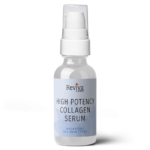
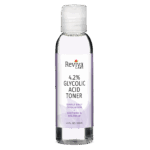
Gentle chemical exfoliation keeps the surface receptive; alpha hydroxy acids such as glycolic acid dissolve dead cells that hide fresh growth. I reach for Reviva Labs Glycolic Acid Facial Toner when I want precise, low sting resurfacing that clears the path for serums. Immediately afterward, Reviva Labs High Potency Collagen Serum supplies soluble collagen and hyaluronic acid to re-inflate the hydration reservoir. A single product mention is optional, yet readers often ask for a concrete example they can research.
Nutrition matters as much as jar care. A plate rich in colorful produce delivers vitamin C, manganese, and phytonutrients that shield existing collagen, while lean proteins supply glycine and proline – the building blocks of new strands. Hydration keeps the extracellular matrix supple, so drink water and eat water-dense fruits. For those eager to go deeper, in-office modalities – microneedling, radiofrequency, ultrasound – create controlled injury, coaxing skin to lay fresh collagen in response. Approach them with realistic expectations and professional guidance.
Many clients wonder whether powdered or liquid collagen supplements work? Oral collagen primarily breaks down into peptides during digestion, yet emerging studies suggest these fragments may signal skin to ramp up production internally. Results vary, and consistency over months is essential.
Another frequent question: How quickly will topical strategies show results? Surface hydration arrives in days, but visible firmness usually takes eight to twelve weeks because true collagen remodeling is slow. Patience paired with habit delivers the pay-off.
Do men need collagen? Men sometimes dismiss collagen care, assuming thicker skin grants immunity. While male dermis indeed starts with higher collagen density, hormonal changes and lifestyle stressors still erode its structure. The same clues – dull tone, enlarged pores, reduced bounce – apply regardless of gender, so proactive care benefits everyone.
Is collagen during pregnancy safe? Pregnant readers often ask about safety. Many collagen-friendly ingredients such as vitamin C, peptides, and hyaluronic acid are pregnancy-safe, but retinoids are typically off-limits. Always check with a healthcare professional before introducing active formulas during this period.
Commitment questions surface too. Do you need an elaborate routine? Not necessarily. A well-formulated cleanser, antioxidant serum, moisturizer with barrier support, and diligent sun protection form a powerful quartet. Layer dedicated collagen boosters as budget and tolerance allow.
Stepping into Tomorrow with Resilient Skin
Collagen isn’t a fountain of youth – more like a structural savings account. Every smile, sunny walk, or late-night laugh withdrawal reduces the balance, yet wise deposits can keep the ledger healthy. Listen to the whispers: that whispered roughness at sunrise, the way blush no longer sits quite right, the lingering pillow mark. Each hint offers an invitation to act, restoring support beneath the surface so expression and vitality shine through, unmuted by time.
Full Episode: Collagen The Secret Framework for Younger-Looking Skin
References (for validation, not part of article body)
Bill Levins, a marketing professional since the early 1990s, collaborated with clients like Campbell’s Soup and PWC. In 2004, he began working with Reviva Labs, becoming VP of Marketing in January 2018 and President in June 2018. He led the company through challenges, including the founders' deaths and the COVID-19 pandemic. In June 2024, after Reviva Labs' acquisition by Sendayco LLC, Bill became VP of Marketing for Sendayco, overseeing multiple brands.



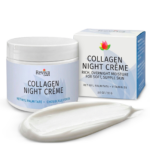 Collagen Night Créme
1 × $20.00
Collagen Night Créme
1 × $20.00 Reviva Labs Catalog 1 × $0.00
 Firming Facial Créme
$28.00
Firming Facial Créme
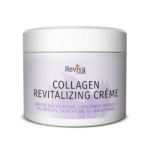
$28.00 Collagen Revitalizing Créme
$38.50
Collagen Revitalizing Créme
$38.50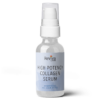 High Potency Collagen Serum
$28.00
High Potency Collagen Serum
$28.00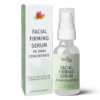 Facial Firming Serum (5% DMAE Concentrate)
$24.00
Facial Firming Serum (5% DMAE Concentrate)
$24.00