
Ingredients, Natural, Reviva Labs, Skin Care
Should You Apply Hyaluronic Acid to Wet, Damp, or Dry Skin?
Jan
Water weighs nothing on your face, yet it decides whether hyaluronic acid works for you or against you. People talk about concentrations, molecular weights, and fancy delivery systems, but the moment you apply it matters more than most labels admit. Hyaluronic acid does one job better than almost any other skincare ingredient. It binds water and holds it in place. The catch sits right in the name. No water, no binding. This simple truth explains why some people swear by hyaluronic acid and others walk away disappointed, tight, or flaky.
Hyaluronic acid exists naturally in your skin. It cushions tissue, supports elasticity, and helps maintain surface smoothness. With age, sun exposure, and daily cleansing, natural levels drop. Topical products step in to replace what skin loses over time. Yet topical hyaluronic acid does not act alone. It needs water from somewhere. The question becomes where that water comes from and what happens after the product sits on your skin.
Hyaluronic Acid Recommended Products
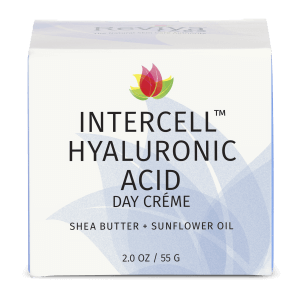

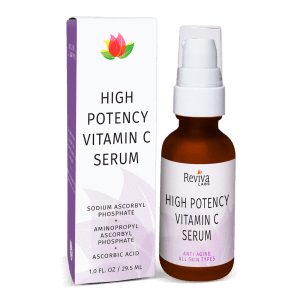
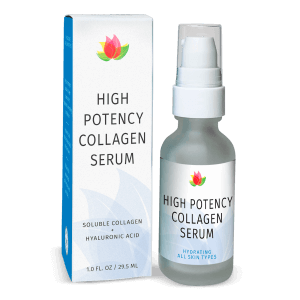
Many routines fail not because of the product but because of timing. Applying hyaluronic acid on bone dry skin forces it to search for moisture. In humid air, it pulls water from the environment. In dry climates or heated indoor air, it pulls water from deeper skin layers. This creates a brief plumping effect followed by dehydration. Skin feels tight later in the day. Fine lines appear more obvious by evening. The ingredient did its job, but the environment worked against it.
Wet, damp, and dry are not interchangeable states of skin. Each changes how hyaluronic acid behaves. Understanding the difference helps you decide how to apply it and what to layer after. This decision matters more than brand, price, or bottle design.
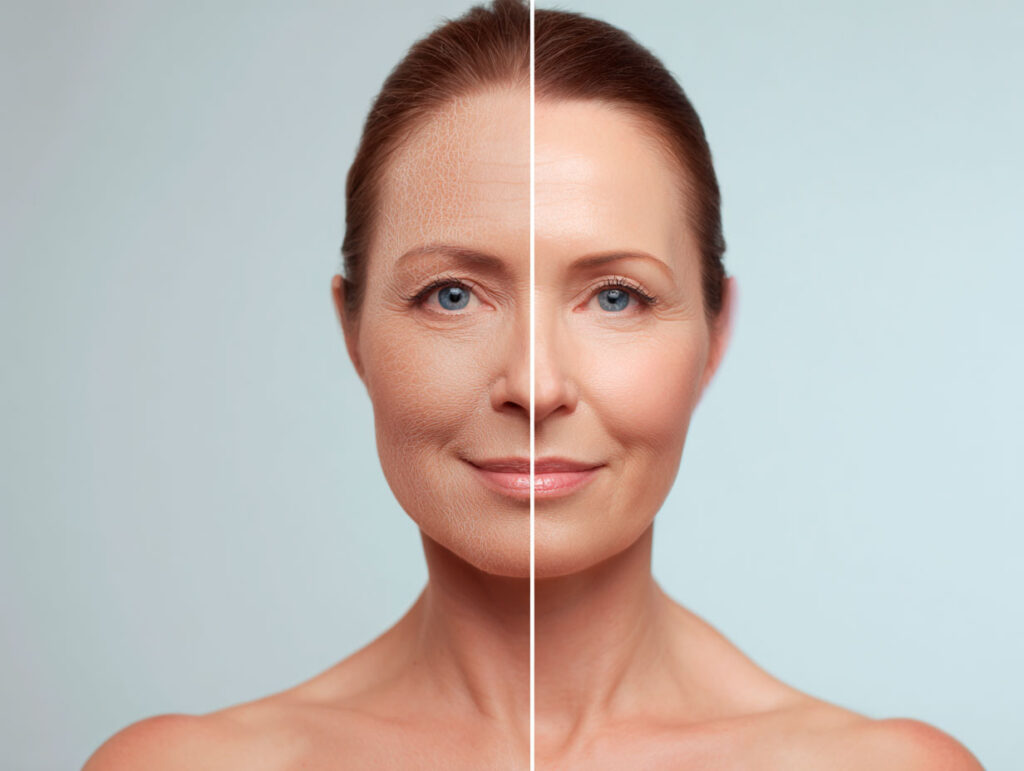
How hyaluronic acid actually works on skin
Hyaluronic acid functions as a humectant. It attracts and binds water molecules. One gram can hold up to six liters of water under ideal conditions, a figure often cited in cosmetic chemistry texts and dermatology literature. This binding increases surface hydration, supports barrier enzymes, and improves the appearance of fine lines linked to dryness. These effects rely on water availability at the surface.
Skin holds water in layers. The outermost layer, the stratum corneum, contains corneocytes embedded in lipids. Water sits between these cells, not inside them. When water levels drop, enzymes slow down, desquamation becomes uneven, and texture suffers. Hyaluronic acid helps stabilize this water content when applied correctly.
Topical hyaluronic acid does not permanently increase skin hydration on its own. It works during wear time. Once washed off, the benefit ends unless supported by occlusives or barrier-repair ingredients. This explains why some people see instant results that fade fast. The ingredient performs as designed, but the routine stops short.
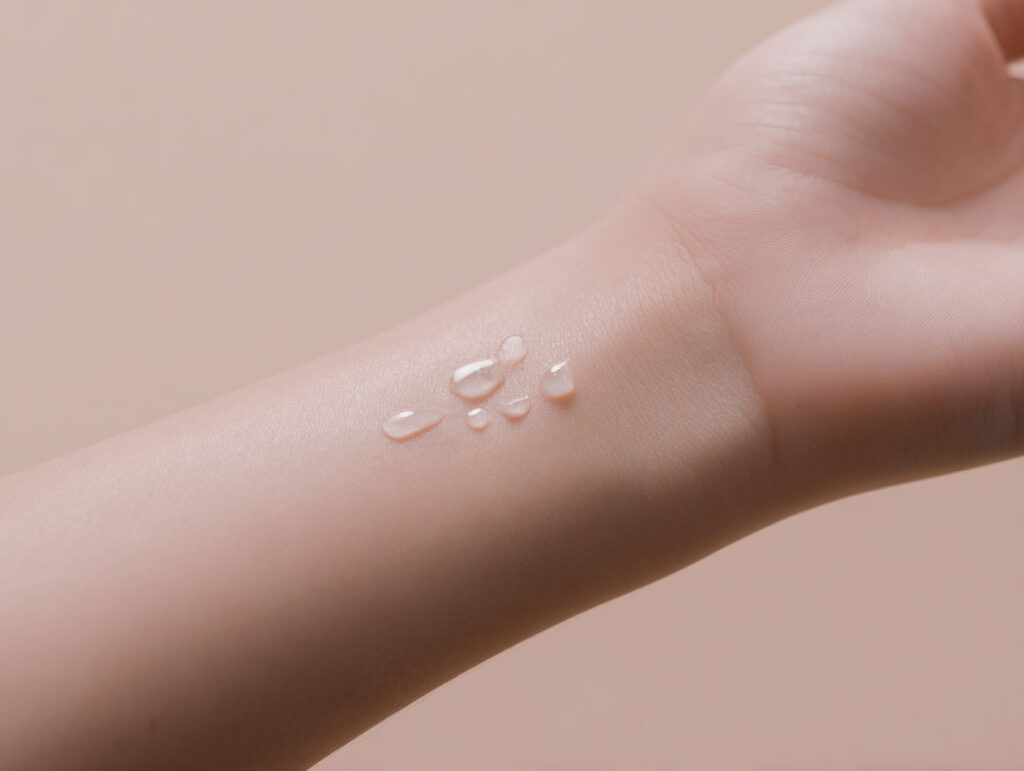
Applying hyaluronic acid to wet skin
Wet skin means visible water on the surface. Think of stepping out of the shower without towel drying or splashing water on your face and applying serum immediately. In this state, hyaluronic acid has abundant water to bind. The molecule pulls water into a thin gel-like network across the skin. Hydration spikes quickly. Skin feels cool, plump, and smooth.
This method works well for body care and very dry skin types. It also helps after exfoliation or shaving, when transepidermal water loss runs high. The drawback lies in dilution. Excess water thins the product, reducing even spread and slowing absorption. Some formulas bead up or slide off before they settle.
Another issue involves evaporation. If wet skin sits uncovered, water evaporates quickly, especially in dry air. Hyaluronic acid holds onto some of it, but not all. Without sealing the surface, you risk losing moisture fast. This creates a cycle of initial comfort followed by rebound dryness.
Wet-skin application demands a follow-up layer. A cream, oil, or lotion needs to go on within seconds. This traps the bound water and slows evaporation. Without that step, wet-skin use loses its advantage.
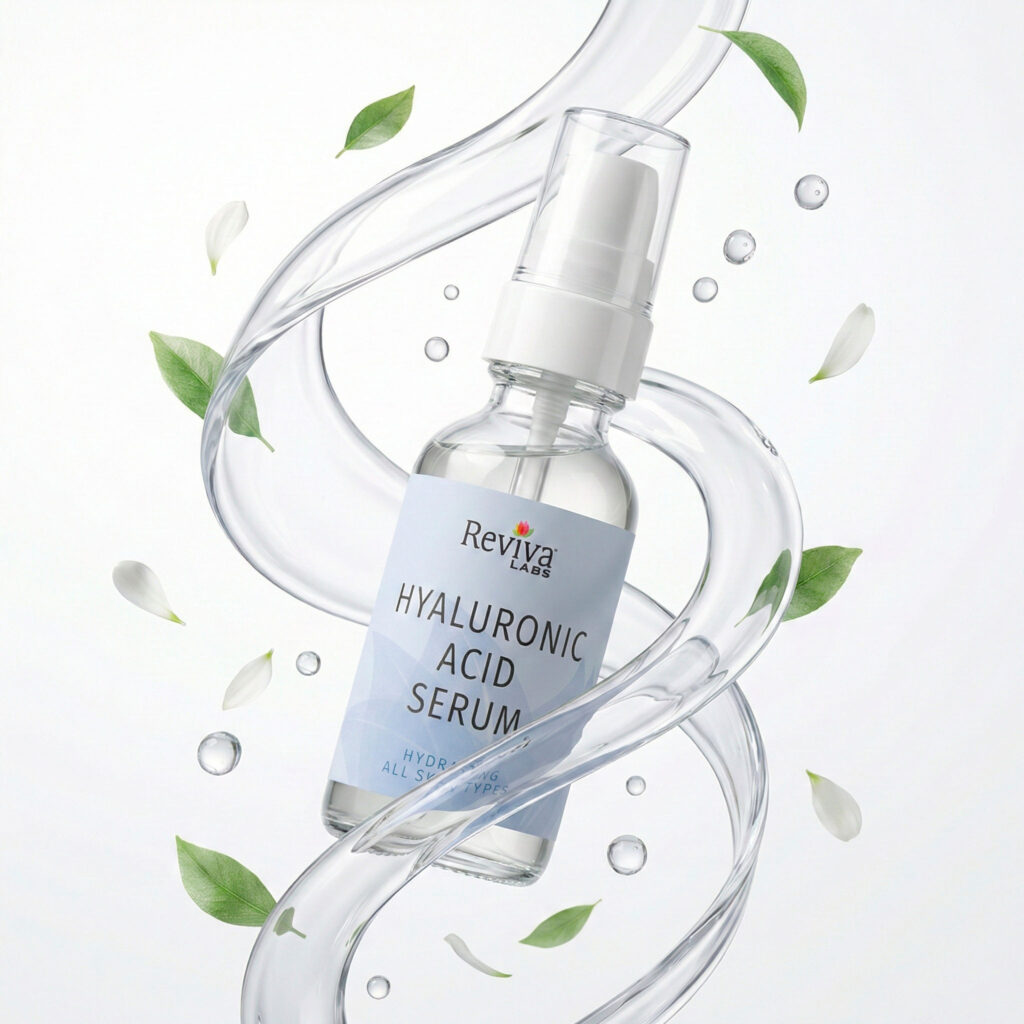
Applying hyaluronic acid to damp skin
Damp skin strikes the balance most people need. Damp means no visible droplets, yet skin still holds surface moisture. This usually happens after cleansing, toning, or misting lightly and patting dry. At this stage, hyaluronic acid finds enough water to bind without excessive dilution.
On damp skin, the ingredient spreads evenly, absorbs faster, and forms a flexible hydration network. This state mirrors how hyaluronic acid works naturally within the skin’s extracellular matrix. It supports water movement without flooding the surface.
Most dermatologists and formulators favor damp application for facial care. It suits all climates, all skin types, and most product textures. Serums, gels, and light lotions perform consistently this way. The finish feels comfortable rather than slick.
Sealing still matters. A moisturizer layered on top locks in hydration and supports barrier lipids. This step completes the process. Without it, even damp-skin application loses longevity, especially overnight or in air-conditioned spaces.
Applying hyaluronic acid to dry skin
Dry skin application remains common, often because routines move too fast or instructions lack clarity. Skin feels dry to the touch. No visible moisture remains. In this situation, hyaluronic acid must pull water from somewhere else.
In humid environments, ambient air provides enough moisture for short-term binding. In arid climates or winter heating, ambient humidity drops below thirty percent. Under those conditions, hyaluronic acid pulls water from deeper epidermal layers. This increases transepidermal water loss over time. Skin feels tight later. Flaking appears around the mouth or eyes. Makeup settles poorly.
Dry-skin application does not always fail. When followed immediately by a rich moisturizer, the occlusive layer supplies water through the cream itself. Many moisturizers contain water as their first ingredient. In this pairing, hyaluronic acid binds moisture from the cream rather than the skin. Timing matters. Delay breaks the chain.
Problems arise when hyaluronic acid sits alone on dry skin for minutes. The ingredient works, but the direction of water movement shifts inward instead of outward. This explains mixed reviews and inconsistent experiences.
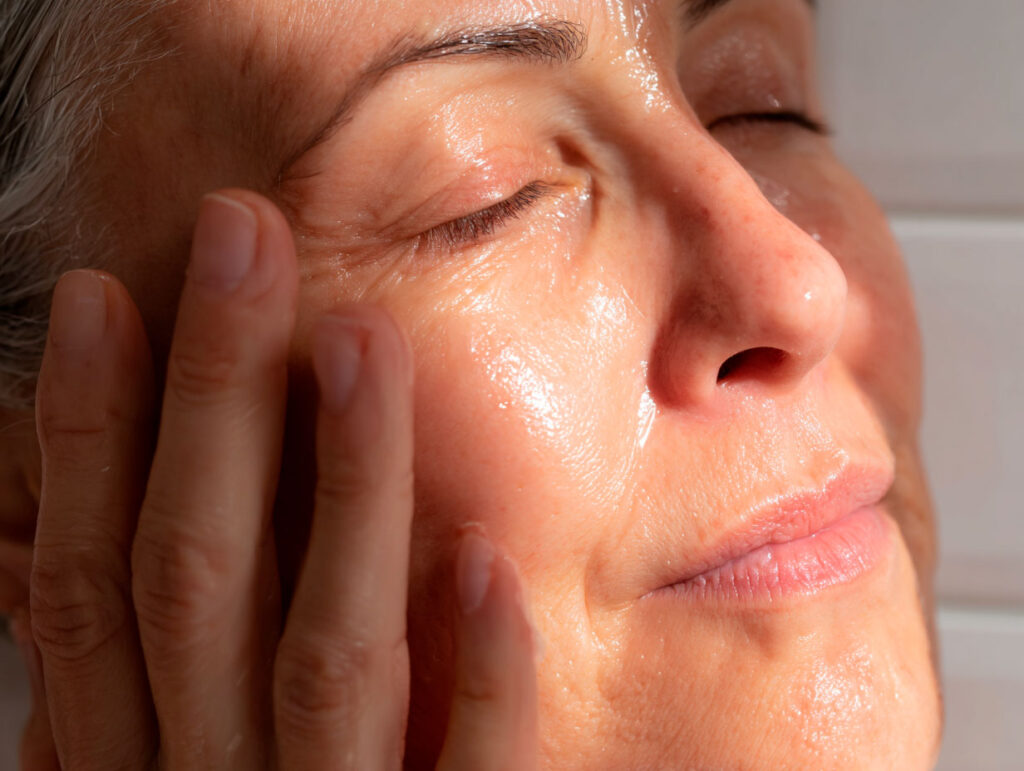
Climate, skin type, and formulation matter
No single rule fits everyone. Climate plays a large role. In humid regions, even dry-skin application can work acceptably. In desert climates, damp application becomes essential. Indoor heating and air conditioning lower humidity year-round, turning many homes into dry environments regardless of geography.
Skin type influences results as well. Oily skin often tolerates dry-skin application better because sebum slows water loss. Mature or barrier-impaired skin loses water faster, increasing risk of dehydration when hyaluronic acid lacks surface moisture.
Formulation matters too. Products combining hyaluronic acid with glycerin, sodium PCA, or panthenol offer multiple humectants. These formulas draw water from more sources and hold it longer. Products paired with ceramides, cholesterol, or plant oils seal hydration more effectively. Single-ingredient serums demand careful application and layering.
Low molecular weight hyaluronic acid penetrates slightly deeper, increasing hydration within upper epidermal layers. High molecular weight forms sit on the surface, improving slip and smoothness. Multi-weight blends perform best across skin layers. Application technique affects all forms.
The role of toners, mists, and essences
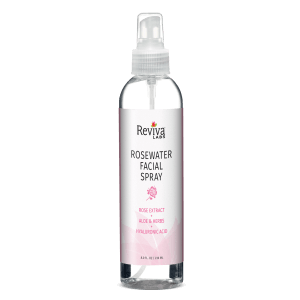
Hydrating toners and mists simplify damp-skin application. They reintroduce water after cleansing without soaking the skin. Light humectant toners create an ideal surface for hyaluronic acid. A gentle pat removes excess while keeping skin receptive.
Essences often contain water, humectants, and penetration enhancers. Applying hyaluronic acid after an essence mimics damp-skin conditions even when skin feels dry to the touch. This technique works well for layered routines.
Facial mists refresh hydration throughout the day. A light mist before reapplying hyaluronic acid revives its binding ability. This matters in dry offices or during travel. Spraying after application also helps when followed by a moisturizer.
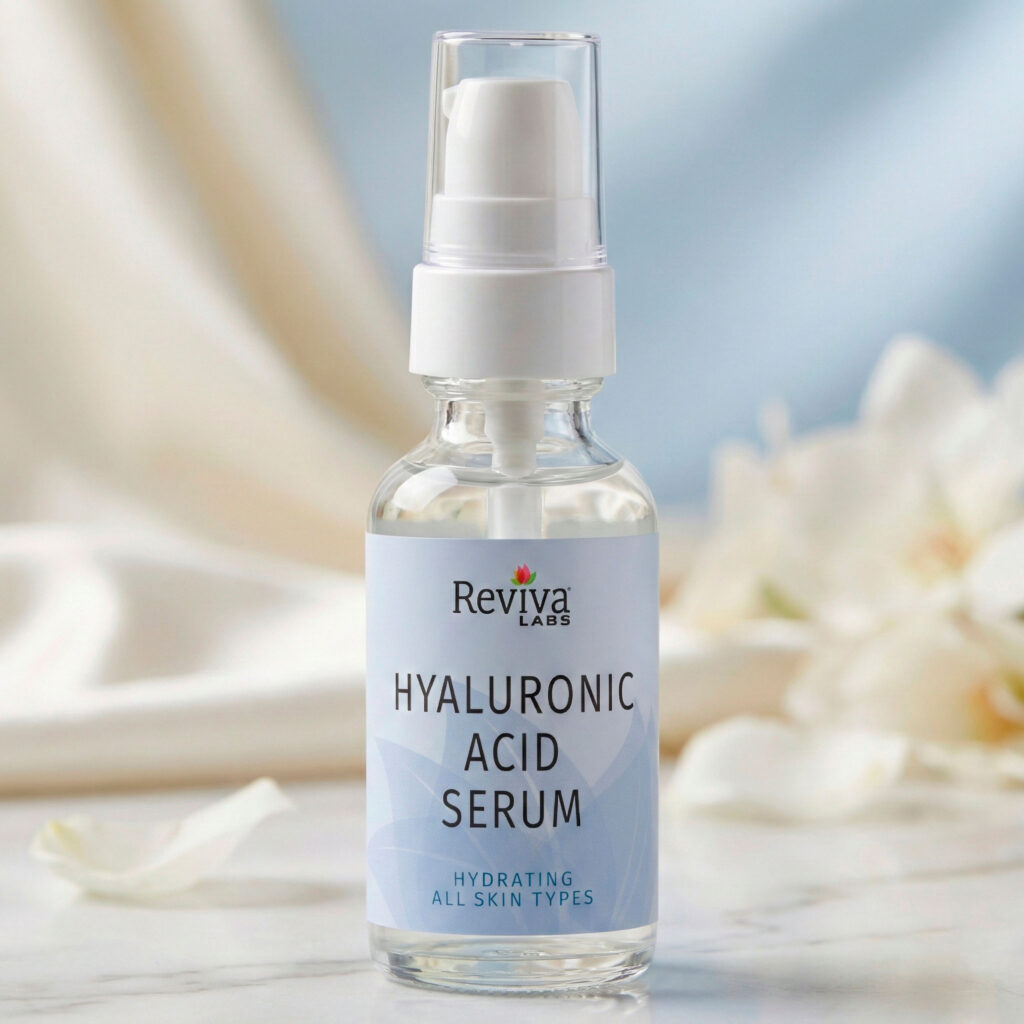
Sealing the deal with moisturizers
Hyaluronic acid works best as part of a system. A moisturizer completes that system. Occlusives slow water loss. Emollients smooth gaps between cells. Barrier lipids restore structure. Together, they extend the benefits of hyaluronic acid beyond the first hour.
Light gels suit oily skin and humid climates. Creams and lotions suit normal to dry skin. Oils alone lack water and should sit on top of hydrated layers, not replace them. The sequence stays simple. Cleanse, apply hyaluronic acid on damp skin, then moisturize.
Skipping the final step wastes potential. Many complaints about hyaluronic acid trace back to this omission. The ingredient hydrates, but nothing keeps that hydration in place.
Common myths and mistakes
One myth claims hyaluronic acid hydrates on its own. It does not. It manages water rather than creating it. Another myth says more product equals more hydration. Excess layers often feel sticky without adding benefit. Thin, even application works best.
Rubbing aggressively disrupts distribution. Gentle pressing improves contact. Waiting too long between steps allows evaporation. Moving smoothly from one layer to the next maintains hydration flow. People also confuse tingling with effectiveness. Hyaluronic acid should feel neutral. Stinging suggests barrier damage or incompatible ingredients layered together.
FAQs people keep asking
Should you apply hyaluronic acid before or after toner?
After toner works best. Toner provides water and primes the skin surface.
Can you apply hyaluronic acid under makeup?
Yes. Allow it to absorb fully and follow with moisturizer and sunscreen before makeup.
Does hyaluronic acid work at night?
Yes. Nighttime offers less environmental stress. Damp application followed by a night cream supports overnight repair.
Is hyaluronic acid enough for dry skin alone?
No. It needs a sealing moisturizer to prevent water loss.
Does drinking water replace topical hyaluronic acid?
Hydration supports skin health but does not replace topical humectants. Both matter.
The simplest answer to the original question sits right in front of the mirror. Damp skin wins. Wet skin works with quick sealing. Dry skin risks dehydration unless paired immediately with a moisturizer. Hyaluronic acid rewards attention to timing more than any other skincare ingredient. When water comes first and sealing follows, skin looks smoother, feels comfortable, and holds hydration longer. When that order breaks, even the best formula falls short.
Hyaluronic acid does not need tricks or hype. It needs water, timing, and a supporting layer. Get those right and the ingredient does exactly what it promises, quietly and consistently, day after day.