The skin around your eyes tells a story. It’s the first place to show fatigue, stress, or signs of aging. Many people turn to eye creams expecting fast fixes, but results often disappoint. The reason is not always the product itself – it’s how people use it. The most common mistake with eye creams is assuming one formula works for every concern.
Eye creams are not a one-size-fits-all solution. They vary widely in texture, ingredients, and intended purpose. Using the wrong type can leave your skin greasy, irritated, or with no visible improvement at all. Knowing how to pick the right eye product – and how to use it properly – makes the difference between wasted money and real results.
The Biggest Mistake: Choosing Eye Creams Without a Goal
The eye area is unique. The skin here is thinner than the rest of the face, making it more delicate and vulnerable. According to the American Academy of Dermatology, the eyelids are the thinnest skin on the body at just 0.5 millimeters thick. This fragility means the area loses moisture faster, shows fine lines earlier, and reacts more strongly to harsh ingredients.
The most frequent mistake people make with eye creams is buying them without considering their specific eye concerns. Instead, they choose products based on general promises or fancy packaging. One person might want to reduce puffiness, while another is focused on dark circles, and another is worried about crow’s feet. A single cream cannot effectively address all of these at once.
Think of it like shopping for shoes. You wouldn’t wear running sneakers to a formal event. In the same way, you shouldn’t use a hydrating balm for fine lines if your main issue is morning puffiness. Each concern calls for targeted ingredients. Using the wrong one not only wastes money but can also make the issue worse.
How to Match the Right Eye Product to Your Concern
Before investing in an eye cream, decide on your goal. Once you know your priority, you can match it with the right ingredients.
For fine lines and wrinkles, retinol and peptides are the strongest allies. Retinol helps encourage cell renewal, while peptides support collagen production. Both improve the look of aging skin, but they should be used carefully since the eye area is sensitive.
For puffiness, caffeine is a key ingredient. It constricts blood vessels and helps reduce swelling. Lightweight gel textures are best here because they won’t weigh down the skin.
For dark circles, look for brightening agents like vitamin C, niacinamide, or licorice extract. These help reduce pigmentation and improve brightness over time. Pairing them with hydrating ingredients like hyaluronic acid can make the area appear plumper and less shadowed.
For dryness, thicker creams with ceramides, shea butter, or squalane work well. These replenish the skin barrier and lock in moisture. They are especially helpful in winter or for people with naturally dry skin.
Why Texture Matters
Many people ignore the texture of their eye cream, but it plays a huge role in how effective the product feels and performs. A rich balm might be perfect for nighttime repair but feel too heavy under makeup. On the other hand, a gel may feel refreshing in the morning but not provide enough overnight nourishment.
Pay attention to when and how you plan to use your eye cream. If you wear makeup daily, a lightweight formula that absorbs quickly will layer better. For nighttime, a more emollient texture allows the skin to repair while you sleep. Using one product for day and another for night is often the most effective approach.
How Much Product Should You Use?
Another common mistake is applying too much eye cream. A pea-sized amount is enough for both eyes. Using more does not increase effectiveness – it often causes irritation or milia (tiny white bumps that form under the skin). Instead of slathering it on, use your ring finger to gently tap the product around the orbital bone. The tapping motion helps distribute the cream evenly without tugging on the delicate skin.
Applying too close to the lash line is another error. Eye creams naturally migrate as they warm on the skin, so applying too near the lashes can lead to stinging, watery eyes, or clogged pores. The safe zone is the orbital bone – the bony ridge around the eye socket. From there, the product spreads just enough to treat the under-eye and lid area.
The Role of Lifestyle in Eye Care
Even the best eye cream can only go so far if lifestyle habits work against it. Lack of sleep, dehydration, smoking, or high salt intake can worsen puffiness and dark circles. A study published by the Centers for Disease Control and Prevention found that about 35% of adults in the United States get less than seven hours of sleep per night. Poor sleep directly impacts how the eye area looks each morning, often more than skincare can fix.
Hydration also matters. Drinking enough water helps reduce fluid retention and supports skin elasticity. Pairing good lifestyle habits with the right eye cream produces better results than skincare alone.
How to Tell If an Eye Cream Is Working
Eye creams rarely provide instant results. Most take several weeks to show noticeable improvement. A good benchmark is six to eight weeks of consistent use. If you don’t see any difference after that time, the formula may not be right for your needs.
Keep your expectations realistic. No cream will erase deep wrinkles or remove hereditary dark circles. However, the right product can smooth fine lines, improve hydration, reduce puffiness, and brighten mild pigmentation. The key is to look for gradual improvements rather than overnight changes.
When to Start Using Eye Cream
There is no set age when everyone should begin using eye cream. The right time depends on your skin type and concerns. Many people start in their late twenties, when early signs of fine lines appear. Others with very dry skin may benefit from using eye cream even earlier. Preventive care often works better than trying to reverse established damage.
Consistency is more important than age. If you wait until wrinkles are deep, results will be limited. Starting earlier with lightweight hydration and occasional use of brightening or firming ingredients can help preserve the skin’s smoothness.
Ingredients to Avoid Around the Eyes
Not every skincare ingredient is safe for the delicate eye area. Strong acids, high concentrations of retinoids, and harsh exfoliants can cause irritation. Fragrance is another common trigger for sensitivity. If a product causes stinging, redness, or peeling, you should discontinue use. Gentle formulas are better suited for long-term eye health.
Always patch test new products before applying them around the eyes. Even if the ingredients seem safe, each person’s tolerance is different. Place a small amount on the side of your neck or jawline before applying it to the eye area.
FAQs About Eye Creams
Do I really need a separate eye cream, or can I use my regular moisturizer? While some moisturizers are gentle enough, dedicated eye creams are formulated with textures and ingredients better suited to the thin skin around the eyes.
Can eye creams get rid of dark circles completely? Not always. If dark circles are genetic or caused by bone structure, creams can only improve brightness, not eliminate them.
How often should I apply eye cream? Most eye creams can be used twice daily, but it depends on the formula. Lightweight gels work well in the morning, while richer creams are better at night.
Can I use retinol eye cream every day? It depends on your tolerance. Start with two to three times a week, then gradually increase if your skin responds well without irritation.
Are expensive eye creams always better? Not necessarily. The effectiveness comes from the ingredients and formulation, not the price tag. Many affordable options perform just as well as luxury brands.
Nancy Reimer is a seasoned Sales Training/Product Education Development executive with over 20 years experience in cosmetics, personal care and supplement industries. Her experience includes training and selling in Natural, Prestige, and Specialty channels. She is consumer oriented, sales driven and a dedicated team player; analytical and detailed oriented with excellent communication and people skills. Nancy’s addition to the Reviva Labs’ team is guaranteed to help Reviva continue growing and expanding.



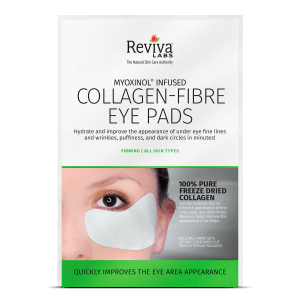 Collagen Fibre Eye Pads with Myoxinol
1 × $30.00
Collagen Fibre Eye Pads with Myoxinol
1 × $30.00 Reviva Labs Catalog 1 × $0.00
 Elastin + DMAE Night Créme
$20.00
Elastin + DMAE Night Créme
$20.00 Light Skin Peel Mild Exfoliant
$26.00
Light Skin Peel Mild Exfoliant
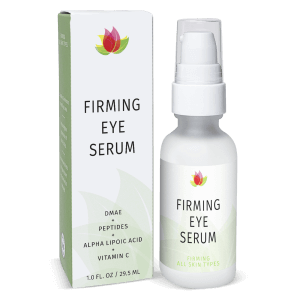
$26.00 Firming Eye Serum
$22.00
Firming Eye Serum
$22.00 Eye Complex Firming Creme
$18.00
Eye Complex Firming Creme
$18.00