Time leaves fingerprints on every face, but not all of them have to be permanent. Years of sunshine, city air, stress, and simple biology push skin toward dryness, dullness, and fine lines. Scientists have measured how ultraviolet light alone drives a huge share of visible change on our faces over time, which is why protection is the first pillar of a smart routine. The second pillar is repair and resilience, and that is where antioxidants shine. If you have wondered whether they are worth the effort, the short answer is yes, and the longer answer is even better. I spend a lot of time with ingredient decks and clinical papers, and the case for antioxidant care gets stronger with age.
Free Radicals Do Not Take Days Off
Everyday life creates reactive oxygen species inside skin. Sunlight sparks them, pollution adds fuel, and normal metabolism creates its own steady trickle. In younger skin there is more built-in defense, and systems that clear cellular waste move a little faster. As the years pass that balance tilts, and small hits of oxidative stress accumulate into visible change. Lipids in the barrier start to oxidize, which makes skin feel rougher and look dull. Proteins like collagen and elastin face a double assault from enzymes and oxidation, and the results show up as laxity and etched lines. Pigment production gets nudged by inflammatory signals, which is why spots often seem to linger longer than they used to.
Why Neutralizing Reactive Molecules Changes What You See in The Mirror
Antioxidants are molecules that can donate an electron to a reactive free radical and turn it into something harmless. That simple exchange interrupts a chain reaction that would have chipped away at cell membranes, proteins, or DNA. In practice that means fewer signals that switch on collagen-degrading enzymes. It means less oxidation of the lipids that keep your barrier comfortable and flexible. It also means far less color noise created by inflammation, which is why complexions often look brighter after a few weeks of steady use. None of this turns back the calendar, but it does nudge biology toward a calmer default, and calm skin tends to look smoother and more even.
The Antioxidant Network Works Better Than Any Lone Hero
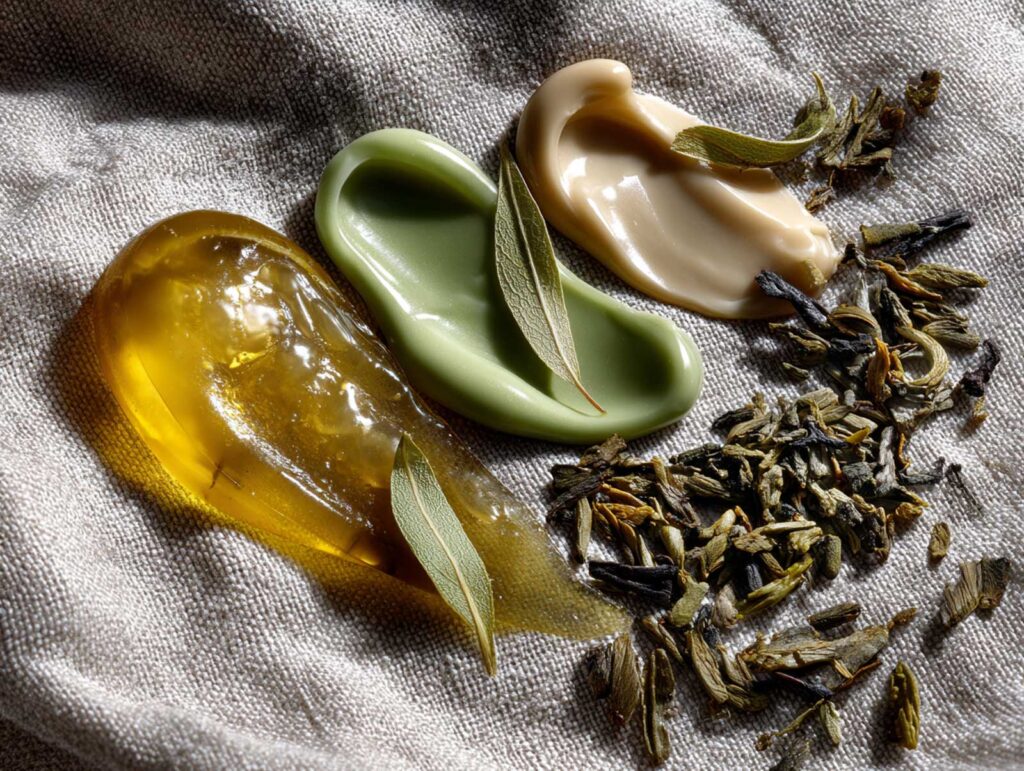
You will often hear people talk about vitamin C or vitamin E as if they were soloists. They can be, but skin treats them like a choir. Vitamin E is a lipid-phase antioxidant that protects the oils in your barrier. Vitamin C patrols water-based spaces and helps recycle vitamin E back into its active form. Coenzyme Q10 lives in membranes and supports mitochondrial resilience. Resveratrol and green teapolyphenols help quiet inflammatory cascades that otherwise lead to redness and long-term wear and tear. Niacinamide supports the antioxidant economy by improving the barrier, calming oil activity, and contributing to repair, which reduces the burden on everything else. When you pair these actives wisely, you get more than the sum of the parts because several pathways are protected at once.
Older Skin Needs Defense and Comfort at The Same Time
The most common complaint I hear from people in their fifties and beyond is that strong products feel harsh, while gentle products feel like they do not do enough. Antioxidants are the rare category that can be both active and kind. Formulas with vitamin C derivatives, vitamin E, green tea, resveratrol, and CoQ10 feel pleasant and cushiony on mature skin, especially when they are carried in oils or glycerin rich bases. They help the barrier hold moisture longer, which makes lines look softer by midday. They also give a quiet boost to tone and vitality without the tightness you might remember from early acid toners. I like to think of them as daily insurance that also makes your skin feel nice right now.
Oxidative Stress Fuels Wrinkles and Sagging Through Enzymes You Never See
Every time sunlight triggers a burst of reactive oxygen species, it sends a message to enzymes called matrix metalloproteinases. Those enzymes are very good at chewing through collagen and elastin. Over time, that steady nibbling shows up as draping around the jawline and deeper folds around the mouth. Antioxidants blunt that message, which helps slow the pace at which those enzymes are called into action. That is one reason people often notice a gradual improvement in firmness when they commit to morning antioxidant care and sun protection. The change is not a single dramatic moment. It looks like skin holding its shape better week after week.
Brightening Happens Because Oxidation and Pigment Are Linked
Older skin is not just about lines. It is also about uneven tone and stubborn spots. Oxidative stress pushes pigment-producing cells to work harder, and it turns small marks into more obvious patches. Antioxidants interrupt the signals that amplify this, and several of them also have direct tone benefits. Vitamin C helps with a more even look across the face. Niacinamide helps steady pigment transfer, which limits the spread of shade from one cell to another. Resveratrol and green tea calm the background noise that keeps discoloration hanging around. When you layer these actives consistently, spots often soften from the edges inward and your whole face looks quieter.
Your Barrier Loves Antioxidants Because Lipids Hate Oxidation
Ceramides, cholesterol, and fatty acids make up the mortar between the bricks of your outer skin. Those oils keep water inside and irritants out, which is why older skin feels better when you protect them. Reactive molecules like to attack double bonds in those lipids, which starts a chain reaction called lipid peroxidation. That is a fancy way of saying your moisture shield goes a little ragged. Antioxidants patrol the neighborhood and hand off electrons before damage spreads. Oils rich in vitamin E are especially helpful here, and vitamin C supports the recycling loop that keeps vitamin E useful. If your face often feels prickly or tight by late afternoon, boosting this pair can make a real difference.
Enzymatic Antioxidants Live Inside Skin and Benefit from Topical Support
Human skin already contains powerful enzymes that neutralize oxidative stress, including superoxide dismutase and catalase. Their activity tends to dip with age, and environmental stress makes the workload heavier. Topical formulas sometimes include superoxide dismutase, and while enzymes are big and do not always penetrate deeply, they can still help near the surface where much of the daily battle happens. Many modern serums take a smarter approach by reducing the total load with a mix of vitamins, soothing botanicals, and barrier builders, which indirectly helps those internal enzymes keep up. Think of your routine as a way to support the talent your skin already has rather than trying to replace it.
Vitamin C Is Powerful, But the Form Matters a Lot for Comfort
Pure l-ascorbic acid is the gold standard for brightening and antioxidant action, but it likes a very low pH and can be prickly on dry, mature faces. That does not mean you have to skip vitamin C. Derivatives such as sodium ascorbyl phosphate and magnesium ascorbyl phosphate are gentler while still offering impressive tone and resilience benefits. Oil-soluble ascorbyl esters can be even more comfortable in drier climates or winter months. Many people find that a derivative serum in the morning, plus a peppy retinoid at night, gives a steady lift without irritation. If your cheeks flush easily or your skin feels thin, start with derivatives first and patch test on the jawline for a couple of days before moving to the center of the face.
Vitamin E Is the Unsung Hero in Mature Skin Routines
You feel it more than you see it. Vitamin E sits in the lipid layer where it intercepts reactive molecules that would otherwise pockmark your barrier. It also partners beautifully with vitamin C, which returns vitamin E to its active state after it has done its job. That recycling loop matters because it turns a single application into hours of protection. People often notice that their skin feels more supple and stays that way longer when vitamin E is part of the morning routine. If your moisturizer already contains natural oils, check the ingredient list for tocopherol or tocopheryl acetate. It is a small line with a large impact.
Niacinamide Brings Balance Where Age Brings Friction
Niacinamide sits at a special intersection of benefits for older skin. It helps reduce the look of spots, it quiets redness that makes texture appear worse, and it supports barrier lipids, so your face feels less parched. It is also an antioxidant, which means it helps with the invisible chemistry that drives visible change. I reach for a simple niacinamide serum when someone tells me their skin is both shiny and tight by midafternoon, a sign that oil and water are out of sync. Over a few weeks the T-zone looks more settled while the cheeks feel calmer. The net effect is a face that looks rested even on a busy day.
Plant Polyphenols Help Skin Keep Its Cool
Green tea, resveratrol, and similar botanicals do more than mop up free radicals. They also influence pathways that turn minor daily insults into lasting marks. That calming action is valuable in older faces where recovery is slower. Less background irritation makes fine lines look softer because their edges are not inflamed. It also helps sunscreen feel better and wear longer because angry skin tends to stew under occlusion. If your face easily flushes with heat or fragrance, reaching for serums or creams that feature these botanicals can be a wise move. The pleasant bonus is that these formulas often smell like very little, which is exactly what sensitive skin wants.
Coenzyme Q10 Helps Cells Spend Energy More Wisely
Mitochondria are the power plants inside cells, and they create their own share of reactive species during normal work. CoQ10 supports those membranes and helps maintain a calmer baseline. Topically, people often notice a soft visual effect after a few weeks that reads as better bounce and more consistent tone. It pairs nicely with vitamin E since both live near lipids, and with niacinamide because calm energy use helps barrier repair stay on schedule. It is not flashy, and that might be why CoQ10 remains an insider favorite, but mature skin often responds beautifully to that quiet steadiness.
Antioxidants And Sunscreen Are Better Together Than Apart
If your skincare time is limited, spend it in the morning with antioxidants and sunscreen. The two are complementary. Antioxidants disarm the free radicals that slip past sunscreen, and sunscreen lowers the total number of radicals created in the first place. Together they change the math in your favor. Long term trials have shown that daily protection slows visible photoaging significantly over a handful of years, and breakfast-time antioxidants amplify that effect on days when life takes you outdoors. Your skin will still show life’s story, just with fewer footnotes written by the sun.
When To Use Them and How to Layer Without Pilling
Most formulas that feature vitamins C and E, niacinamide, green tea, resveratrol, or CoQ10 are happiest on clean, dry skin. If you like very light textures, put an antioxidant serum on first, give it a minute, then add a hydrating layer with hyaluronic acid and finish with your moisturizer. If you prefer creams and oils, choose a lotion that already blends several antioxidants with emollients and make that your main morning step. Sunscreen goes on last. At night, pair soothing antioxidants with a retinoid or a gentle acid if your skin enjoys that rhythm. If you find that layers start to roll when you rub them, use less and press products in with an open palm rather than sweeping strokes.
How Long It Takes to See a Change and What to Watch
Brightening from vitamin C and niacinamide often shows in two to four weeks with steady use. Improvements in firmness from a calmer enzyme picture build more slowly and can take two to three months, which is why photos taken in the same light are such a useful reality check. Pay attention to how your face feels by midday. Less tightness and fewer itchy corners around the nose are early signs that your barrier lipids are safer. Watch for the way foundation sits on the skin. When oxidation and inflammation quiet down, makeup looks more like skin and resists creasing along the cheeks.
Sensitive Skin Can Use Antioxidants With A Few Smart Tweaks
If you react easily, you still have options. Choose vitamin C derivatives rather than pure l-ascorbic acid. Look for fragrance-free formulas and avoid alcohol-heavy vehicles that feel cold at first and tight an hour later. Start with applications every other morning for one week, then move to daily as comfort allows. Patch test along the jaw or behind the ear. Use a moisturizer with vitamin E and calming botanicals as your last step. Many people who struggle with retinoids find that a steady antioxidant routine in the morning, plus a very gentle retinoid twice a week at night, delivers progress without drama.
Aging Is Not One Problem So Do Not Expect One Ingredient to Fix It
As the decades pass, skin loses water more quickly, repairs more slowly, and collects more marks from the environment. There is no single molecule that solves all of that. What you can do is combine a few well-chosen antioxidants with sun protection and hydration and let time do the rest. That is why I like formulas that blend vitamins C and E with niacinamide or green tea, and why I often suggest pairing a targeted serum with a creamy antioxidant moisturizer. The routine feels pleasant, so you actually do it, and the results accumulate quietly in the mirror.
What About Supplements and Antioxidant Pills
This is a common question, especially from people who already take a multivitamin. Oral antioxidants have a place in overall wellness, but the skin competes with other organs for those nutrients. Topical delivery puts active molecules right where the problem is, at the surface and in the upper layers. Think of diet as the foundation, and topical care as the finishing work. Both matter, and both are better together, but only one gets to your crow’s feet in minutes rather than hours. If you choose to add a supplement, keep your dermatologist in the loop, especially if you are on prescribed medications.
Can You Mix Vitamin C And Niacinamide
This myth lingers because of old studies that used extreme heat and low pH in a beaker. In real formulas on real faces these two play well together, and you will see them combined in modern serums and creams for good reason. If you prefer to keep them separate, use vitamin C in the morning and niacinamide at night, but there is no need to avoid the pairing. What matters more is the total feel of the routine and whether your skin enjoys it. If it does, results follow.
Do Antioxidants Replace Retinoids or Acids
They do different jobs. Retinoids coach cells to act younger, which shows up as smoother texture and a more refined look over time. Acids clear away dull surface cells so fresh ones can shine through. Antioxidants protect what you gained and keep daily damage from stealing that progress. Most mature skin routines do well with antioxidants in the morning and a retinoid at night, with a mild acid used a couple of evenings a week if your face tolerates it. The trick is to keep the total load comfortable so you can keep going for months and years.
Two Examples of How I Use Them in Real Life
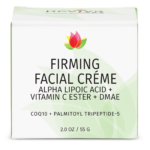
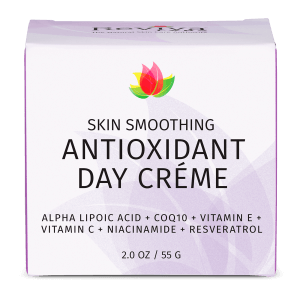
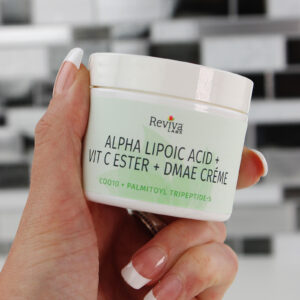
On mornings when I want a quick, calm routine that still works hard, I reach for a blended antioxidant cream that pairs vitamins C and E with niacinamide, CoQ10, and green tea, then I add sunscreen. If I need a little more tone help, I swap the cream for a simple niacinamide serum first, give it a minute to settle, and seal it with a moisturizer that includes vitamin E. Both patterns feel light, sit well under makeup, and keep my face feeling good until the afternoon. That is the quiet magic of antioxidant care for mature skin. It works, and it makes the day more comfortable.
How To Evaluate a Formula Without a Chemistry Degree
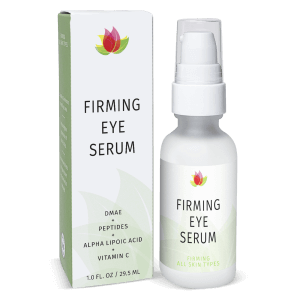
Packaging matters because oxygen and light degrade many antioxidants. Look for opaque or amber bottles and tight pumps rather than open jars. Ingredient lists tell a story even if you only recognize a few names. Tocopherol is vitamin E. Ascorbyl words usually mean a form of vitamin C. Camellia sinensis signals green tea. Ubiquinone is CoQ10. If you see several of those neighbors together, odds are good the product will offer broad support. Price is not a reliable signal of success, and texture is personal, so chase comfort and consistency first.
Why Antioxidants Feel So Rewarding After Midlife
There is a simple human reason antioxidant routines become beloved in later decades. They make skin feel better right away while also making a difference in three months. That combination keeps motivation high, which is the secret element in every effective routine. When your face feels calmer by lunchtime and your reflection looks a bit brighter, you keep going. That steadiness is what turns ingredient science into softer lines and a happier mirror over time. Aging still happens, and we should be gentle about that, yet there is real joy in caring for skin in ways that help it thrive.
A Quick Note on Two Everyday Options You Might Already Have
If you like to keep routines simple, a daily antioxidant moisturizer can be a smart anchor. One that blends vitamins C and E with niacinamide, CoQ10, and green tea gives wide coverage in one step and layers well with sunscreen. If you prefer a lean base that you can mix and match, a niacinamide serum is hard to beat for brightness, calm, and barrier support. Use either pattern consistently for a full season and take a fresh photo in the same window light. The quiet progress you see will be your proof.
As a long time natural skin care fan I discovered Reviva Labs many years ago. After buying and using Reviva products for several years, I started contributing to Reviva Labs' blog in 2015.


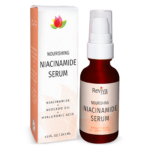 Nourishing Niacinamide Serum
1 × $24.00
Nourishing Niacinamide Serum
1 × $24.00 Reviva Labs Catalog 1 × $0.00
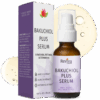 Bakuchiol Plus Serum
Original price was: $32.00.$24.00Current price is: $24.00.
Bakuchiol Plus Serum
Original price was: $32.00.$24.00Current price is: $24.00.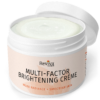 Multi-Factor Brightening Créme
$42.00
Multi-Factor Brightening Créme
$42.00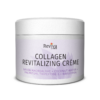 Collagen Revitalizing Créme
$38.50
Collagen Revitalizing Créme
$38.50 High Potency Vitamin C Serum
$32.00
High Potency Vitamin C Serum
$32.00