
Ingredients, Natural, Reviva Labs, Skin Care
What are the Benefits of Mango Butter in Skincare?
Feb
Mango butter rarely shouts for attention. It sits quietly on ingredient lists, often overshadowed by shea, cocoa butter, or trend-driven oils. Yet formulators keep coming back to it for one reason. It works. Mango butter delivers comfort, barrier support, and lasting softness without the heaviness many people associate with rich butters. Once you look closely at how it behaves on skin, it becomes clear why it earns a permanent place in serious skincare formulas.
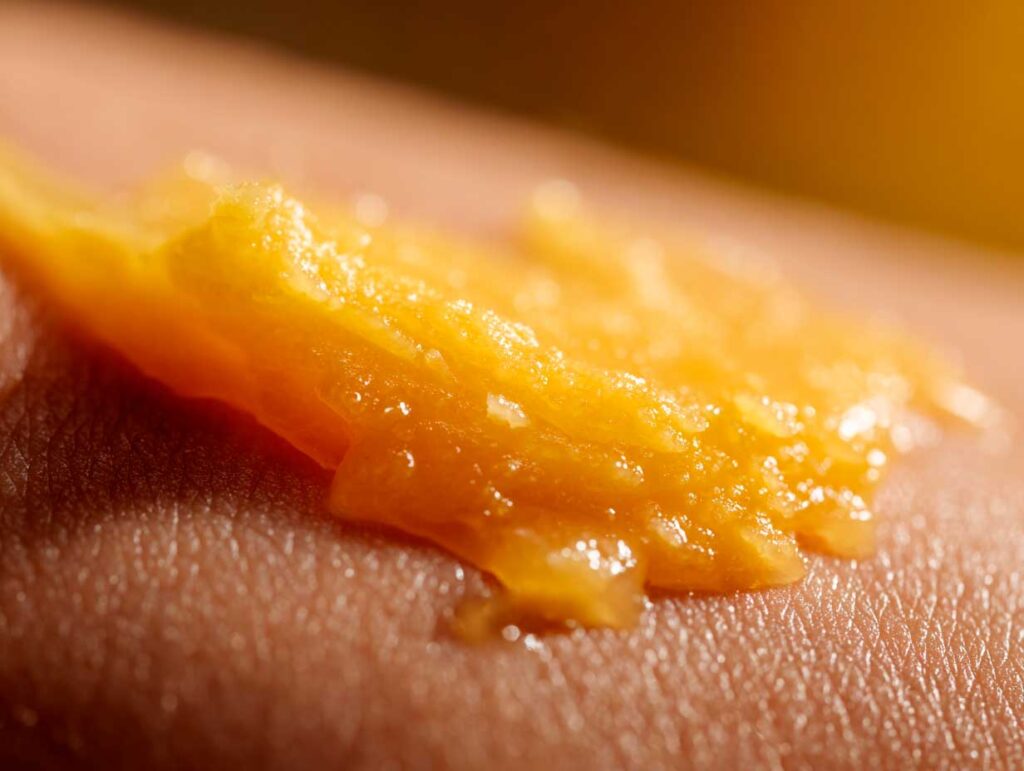
Mango butter comes from the seed kernel of the mango fruit, botanically known as Mangifera indica. Unlike mango extract, which often appears for scent or antioxidant appeal, mango butter functions as a true emollient. It melts near body temperature, spreads evenly, and leaves behind a breathable layer that helps skin hold moisture. For dry, compromised, or mature skin, this matters more than fragrance or novelty. The real value lies in how skin feels hours later, not minutes after application.
What sets mango butter apart is balance. It offers richness without grease and structure without stiffness. Many plant butters either sit too heavy or melt too fast, leaving skin dry again shortly after use. Mango butter holds its ground. It forms a soft, flexible seal that supports the skin barrier while still allowing skin to behave like skin. That combination explains why it shows up in lip treatments, body balms, hand creams, and facial products designed for long wear.
Understanding the Composition of Mango Butter
Understanding mango butter means looking beyond the romantic idea of tropical fruit and into its fatty acid profile. Mango butter contains a mix of oleic acid and stearic acid, along with smaller amounts of palmitic and linoleic acids. Oleic acid contributes to softness and slip. Stearic acid gives structure and helps formulas feel substantial without waxiness. Together, they create a butter that melts cleanly and absorbs gradually, not all at once.
This fatty acid balance also explains mango butter’s compatibility with many skin types. Dry skin appreciates the occlusive support. Mature skin benefits from the smoothing effect on rough texture. Even combination skin often tolerates mango butter better than heavier alternatives because it does not clog pores as easily when properly formulated. While no ingredient suits everyone, mango butter earns its reputation as a low-drama, high-performance choice.

Barrier Support and Moisture Retention
Barrier support remains one of the most important benefits mango butter brings to skincare. The skin barrier acts like a protective wall, keeping water in and irritants out. When that wall weakens, skin feels tight, flaky, reactive, or inflamed. Mango butter helps reinforce this barrier by filling in gaps between surface cells. It does not repair skin in a medical sense, but it creates conditions where skin can recover more efficiently.
People often confuse hydration with moisture. Hydration refers to water content. Moisture refers to oil content. Mango butter addresses moisture. By slowing water loss from the skin surface, it allows hydrating ingredients already present in the skin or applied earlier in a routine to stay put longer. This makes mango butter especially effective when layered over humectants like glycerin or hyaluronic acid.
Texture, Feel, and Long-Term Comfort
Texture plays a major role in how people judge skincare, even if they do not consciously admit it. Mango butter contributes to a cushiony, comforting feel that signals care and protection. It spreads smoothly without dragging and leaves skin feeling soft rather than slick. This sensory experience matters because people stick with products that feel good to use. Consistency leads to results, not novelty.
For facial skincare, mango butter often appears in night creams, eye treatments, and barrier-focused formulas. At night, skin naturally loses more moisture due to increased transepidermal water loss. Mango butter helps counter this process by creating a gentle seal while you sleep. Unlike some heavier occlusives, it does not feel suffocating or mask-like. Skin still feels breathable in the morning, not coated.
Benefits for the Eye Area
In eye care, mango butter shines. The skin around the eyes lacks oil glands and loses moisture quickly. Mango butter’s smooth texture and mild nature make it suitable for this fragile area. It helps soften fine lines caused by dryness and improves makeup wear by reducing creasing. The effect comes from comfort and conditioning, not from dramatic tightening or instant illusions.
Why Mango Butter Works So Well for Lip Care
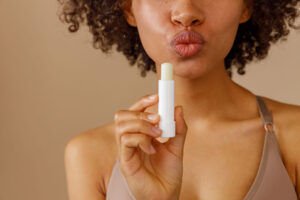
Lip care remains another area where mango butter proves its worth. Lips lack sebaceous glands entirely, which means they rely almost entirely on topical support. Mango butter adheres well to lip skin, offering longer-lasting protection than lighter oils. It also blends well with waxes and antioxidants, creating balms that protect against dryness without feeling sticky or stiff.
Use on the Body and High-Stress Skin Areas
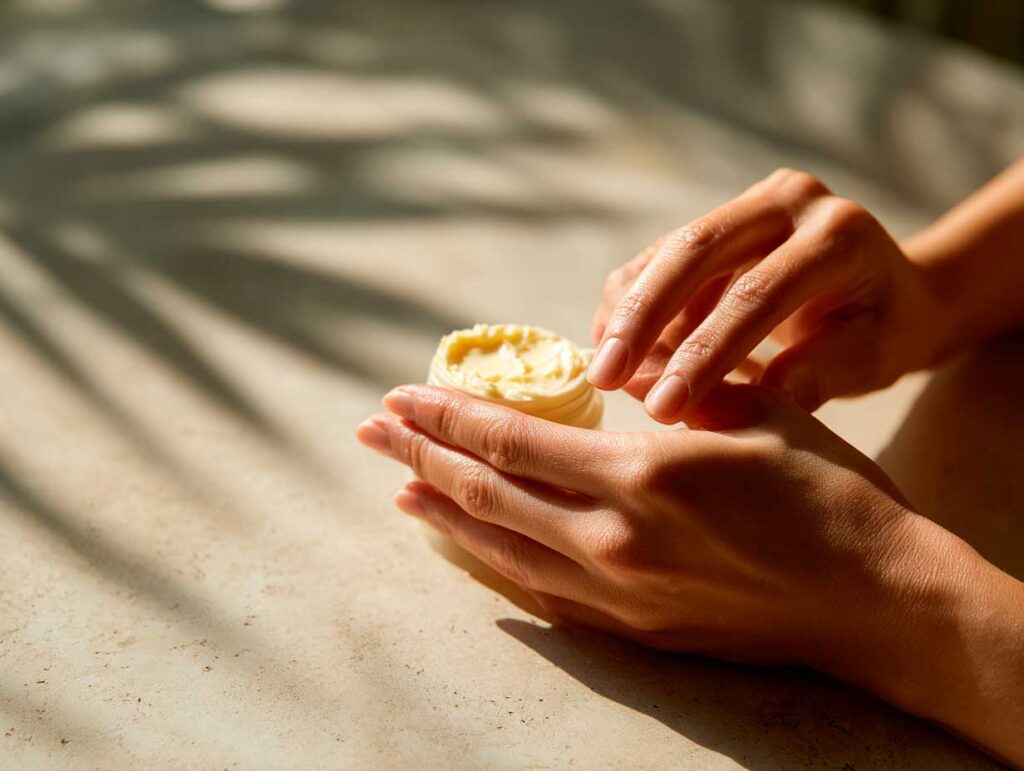
On the body, mango butter supports skin exposed to repeated stress. Hands, elbows, heels, and knees all experience friction, washing, and environmental exposure. Mango butter helps soften rough patches while improving overall skin feel. In body creams and lotions, it adds richness without making products difficult to spread. This matters for daily use, where ease encourages consistency.
Formulation Stability and Ingredient Compatibility
One overlooked benefit of mango butter lies in its stability. Compared to some plant oils, mango butter resists oxidation more effectively. This means formulas maintain freshness longer and require fewer stabilizing additives. From a formulation standpoint, this reliability supports cleaner, simpler ingredient lists while still delivering performance.
Mango butter also blends well with other functional ingredients. It pairs comfortably with ceramides, peptides, vitamins, and botanical extracts. It does not overpower delicate actives or interfere with absorption when used thoughtfully. Instead, it acts as a supportive base that improves comfort and wear time of more active ingredients.
Mango Butter and Sensitive or Aging Skin
For people dealing with sensitive skin, mango butter often proves easier to tolerate than fragranced oils or highly processed occlusives. It lacks the natural latex proteins found in shea butter, which can trigger reactions for some individuals. While sensitivity always varies, mango butter tends to sit quietly on skin without provoking redness or itching.
The role mango butter plays in aging skin deserves special attention. As skin ages, it produces less oil and loses elasticity. Fine lines become more visible due to dryness rather than structural collapse alone. Mango butter helps address this by restoring softness and flexibility. Skin appears smoother because light reflects more evenly from a hydrated, conditioned surface.
This smoothing effect does not mean mango butter fills wrinkles or stimulates collagen. Its benefit lies in improving surface quality. When skin feels comfortable and supple, it looks healthier. This matters for realistic skincare expectations. Mango butter supports appearance through care, not transformation.
Barrier Recovery and Seasonal Use
People with compromised skin barriers, including those recovering from over-exfoliation or harsh treatments, often benefit from mango butter-based products. During recovery phases, skin needs calm, predictable ingredients. Mango butter delivers nourishment without unnecessary stimulation. It supports the skin while it finds its balance again.
Seasonal changes highlight mango butter’s versatility. In winter, it helps protect against cold air and indoor heating. In summer, it can still work in lighter formulations where comfort remains important after sun exposure. Mango butter does not trap heat or feel suffocating when used appropriately, which makes it adaptable year-round.
Sourcing, Sustainability, and Sensory Benefits
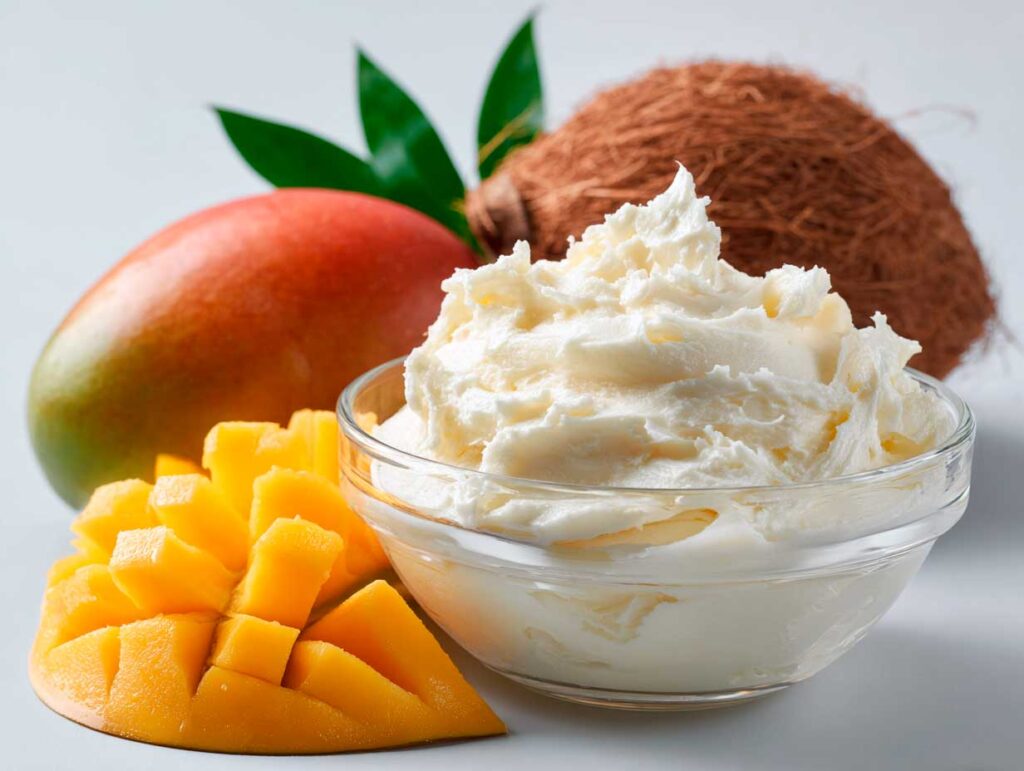
From a sustainability perspective, mango butter often comes as a byproduct of the food industry. The fruit pulp goes to consumption. The seed kernel becomes a valuable skincare ingredient. This reduces waste and supports a more responsible supply chain when sourced thoughtfully. For brands focused on responsible formulation, this adds quiet value without marketing noise.
Mango butter’s neutral scent also matters. It allows formulators to control fragrance rather than fight it. Products can remain fragrance-free or lightly scented without masking strong base notes. This supports accessibility for people sensitive to fragrance while still allowing creative freedom when scent plays a role.
Professional and Consumer Trust
In professional skincare settings, mango butter earns trust through performance. Estheticians value ingredients that calm skin after treatments, support barrier recovery, and improve client comfort. Mango butter fits these needs without complicating protocols. It integrates easily into routines designed for long-term skin health rather than instant effects.
Home users often describe mango butter products as comforting or reliable. These words matter. Skincare does not need drama to deliver results. Ingredients like mango butter build loyalty through consistent performance rather than spectacle. Over time, skin learns what feels good and responds accordingly.
How to Use Mango Butter Effectively
When evaluating a product with mango butter, placement on the ingredient list matters. Higher placement usually indicates greater concentration. Texture also offers clues. Products that feel dense yet melt easily often rely on mango butter’s structure. This tactile feedback helps consumers identify formulas designed for nourishment rather than lightweight hydration alone.
It also helps to consider how mango butter fits into a routine. Used alone on damp skin, it seals in moisture effectively. Layered over serums, it improves comfort and wear. Used sparingly, it avoids heaviness while still delivering protection. Application technique often determines satisfaction as much as the ingredient itself.
Realistic Expectations and Long-Term Skin Health
Mango butter does not promise miracles. It does not erase wrinkles, clear acne, or change skin tone. What it offers instead is consistency. It supports the skin barrier, improves softness, and enhances comfort. Over time, these benefits contribute to healthier-looking skin that responds better to the rest of a routine.
For people overwhelmed by constant ingredient trends, mango butter offers reassurance. It has history, function, and restraint. It fits into skincare built on care rather than spectacle. That alone makes it worth appreciating in an industry often distracted by novelty.
As skincare moves back toward barrier health and long-term skin comfort, mango butter feels less like an old standby and more like a smart choice. It earns its place quietly, doing its job without demanding attention. In many ways, that is exactly what good skincare should do.
FAQs
What skin types benefit most from mango butter in skincare?
Mango butter works well across a wide range of skin types because it balances richness with a light, breathable feel. Dry and mature skin benefit most noticeably since mango butter helps reinforce the skin barrier and reduce ongoing moisture loss. Sensitive skin often tolerates mango butter better than heavier plant butters because it lacks the latex proteins found in shea butter. Combination skin can also respond well when mango butter appears in a properly balanced formula, since it softens and protects without overwhelming the skin or leaving a greasy residue. As with any ingredient, formulation matters more than the butter alone.
Is mango butter pore-clogging or too heavy for facial use?
Mango butter is considered a low to moderate comedogenic ingredient, which means it is less likely to clog pores when used correctly. Its fatty acid profile allows it to melt into the skin gradually rather than sitting on the surface in a thick layer. In facial products, mango butter is often used in controlled amounts to add comfort and barrier support without heaviness. People prone to congestion often tolerate mango butter better than denser butters or wax-heavy formulas, especially when it is paired with lightweight emollients and humectants.
How should mango butter products be used in a skincare routine?
Mango butter works best when applied as a sealing or conditioning step rather than a standalone hydrator. It performs especially well when layered over water-based serums or applied to slightly damp skin, where it helps lock in existing moisture. In facial routines, mango butter products are typically used at night or in barrier-focused creams. For lips, hands, and dry body areas, it can be used as often as needed. Using a small amount and warming it between the fingers before application helps improve spread and absorption while avoiding excess product buildup.