
Clean Beauty, Reviva Labs, Skin Care
What is Leaking Skin and How Do You Treat It to Get More Out of Your Everyday Skincare?

Jul
The term “leaking skin” might sound strange at first, but it’s a powerful way to visualize a critical issue that quietly sabotages your skincare results. You could be applying top-tier serums, moisturizing daily, and layering products in all the right steps – yet still see only modest improvement. The reason? Your skin barrier might be compromised and leaking essential moisture and nutrients faster than your products can replenish them.
This invisible dysfunction, often masked as chronic dryness, irritation, or dullness, affects far more people than we realize. In fact, recent dermatological studies suggest that over 60% of individuals with sensitive skin suffer from an impaired barrier that actively loses water through transepidermal water loss (TEWL). That’s not just dehydration – it’s structural leakage. So how do you spot leaking skin? And more importantly, how do you fix it? Here’s what you need to know.
Your Skin Barrier Isn’t Just a Wall
Think of your skin as a brick-and-mortar structure. The “bricks” are your skin cells, while the “mortar” is made up of lipids – fats like ceramides, cholesterol, and free fatty acids. Together, this barrier locks in moisture and protects against external aggressors like pollution, UV rays, and bacteria.
When that mortar weakens, gaps appear between the bricks. Moisture seeps out. Irritants seep in. Inflammation increases. And suddenly your once-resilient skin becomes reactive, dull, rough, and persistently flaky. This is “leaking skin.”
You may not see visible holes, but the effects are hard to ignore skincare products that stop working, makeup that cakes or peels, and skin that feels tight no matter how much moisturizer you use.
Why Leaking Skin Happens
Multiple factors can erode your skin’s natural defense system. Environmental conditions – cold wind, dry air, heat, and UV exposure – can all strip your lipids. Over-cleansing or using harsh exfoliants breaks down the barrier further. Stress, poor diet, and even some medications disrupt your skin’s microbiome and lipid production. Aging naturally decreases your ability to produce ceramides, while conditions like eczema or rosacea worsen the issue.
Ironically, some popular skincare habits actually accelerate leakage. Using high concentrations of acids or retinoids without barrier support can cause microcracks in the skin’s surface. Alcohol-based toners and over-washing remove protective oils. And many assume more exfoliation equals faster results – but for leaky skin, that can lead to a vicious cycle of inflammation and peeling.
What Makes a Barrier-Repairing Routine Work
To fix leaking skin, you need more than hydration – you need to rebuild. That means using formulas that support your skin’s natural lipid balance, replenish moisture reservoirs, and calm irritation. You also need to shift your skincare priorities: protect first, treat second.
Products that feature ceramides, cholesterol, fatty acids, and niacinamide are foundational. But just as important are humectants like hyaluronic acid and glycerin, which draw moisture in, and occlusives like squalane or shea butter that help seal it in.
Equally vital is what you avoid: stripping cleansers, harsh scrubs, and a constant rotation of actives. When skin is leaking, less is more – gentleness is your greatest ally.
The Best Ingredients to Stop the Leak
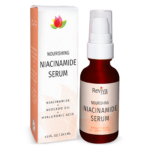
Several ingredients have proven especially effective in restoring barrier function: Niacinamide (Vitamin B3) works on multiple levels. It boosts ceramide production, strengthens skin’s structural integrity, and has anti-inflammatory benefits that soothe compromised skin. Reviva’s Nourishing Niacinamide Serum combines niacinamide with hydrating hyaluronic acid and avocado oil to calm, balance, and reinforce your skin.
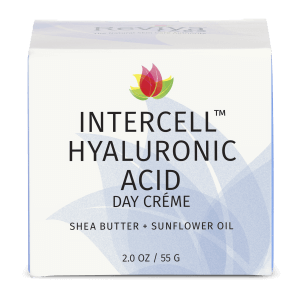
Hyaluronic Acid is another hero. It binds up to 1000 times its weight in water, helping dry, tight skin feel immediately plumper and elastic. Used in a layered routine, like Reviva’s Hyaluronic Acid Serum followed by their InterCell Hyaluronic Acid Day Crème, it can create a cushion of hydration that transforms how your skin looks and feels.
Squalane, ceramides, and cholesterol mimic skin’s natural oils and rebuild its protective seal. These should be integrated into your moisturizers or night creams to reduce TEWL and improve skin texture over time.
Panthenol (Vitamin B5), allantoin, and calendula extract soothe inflammation and support healing, making them ideal for skin that’s both dry and reactive.

How to Build a Skincare Routine That Seals, Not Leaks
Morning:
- Start with a gentle, hydrating cleanser. Avoid foaming or gel-based cleansers with sulfates.
- Apply a hydrating toner or mist. Choose one that’s alcohol-free and rich in humectants.
- Layer a humectant serum like hyaluronic acid, patting it into damp skin.
- Follow with a barrier-supporting serum such as niacinamide.
- Lock it in with a ceramide-rich moisturizer.
- Finish with sunscreen – every single day. UV rays further degrade your lipid barrier even on cloudy days.
Evening:
- Use a creamy or oil-based cleanser that removes buildup without stripping.
- Apply a calming toner or essence.
- Alternate nights using a nourishing serum (like a collagen or peptide formula) and an exfoliant (no more than once or twice a week).
- Use a rich night cream that includes emollients and occlusives.
- Optional: Add a sleeping mask a few nights a week to trap hydration.
Reviva’s InterCell Hyaluronic Acid Night Gel is a good example of an overnight product that builds and preserves moisture without clogging pores. Its gentle formula supports even severely dry or leaky skin in arid environments.
Stop Chasing Results and Start Sealing Them In
One of the frustrating aspects of leaking skin is that your products can’t work as designed. Serums full of active ingredients sit on the surface, unable to penetrate because of the skin’s impaired absorption ability. Moisturizers evaporate before they hydrate. You’re not just wasting money – you’re missing out on the real potential of your routine.
Fixing your barrier changes that. It’s like patching a hole in a water tank. Suddenly, the tank holds pressure. Suddenly, your skin holds nutrients, hydration, and all the healing compounds you’ve been applying. And within a few weeks, your skincare starts working again – better than before.
Signs Your Skin Barrier Is Finally Working
You’ll notice a change not just in texture but also in behavior. Your skin will feel less reactive to changes in weather or products. You’ll experience fewer breakouts or flare-ups. Fine lines may soften slightly – not from magic, but from sustained hydration. And makeup will apply more smoothly and last longer.
You might even find that you need fewer products over time. Once your skin becomes efficient again, you can simplify your routine, choosing only the most effective and well-formulated items.
Common Myths About Barrier Repair
Some believe that oily skin doesn’t need barrier support, but even oily skin can be dehydrated and leaky. Others assume that barrier repair is only for people with eczema or rosacea. The truth is, almost everyone experiences some level of barrier compromise due to lifestyle, climate, or product overload.
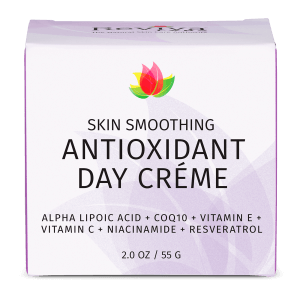
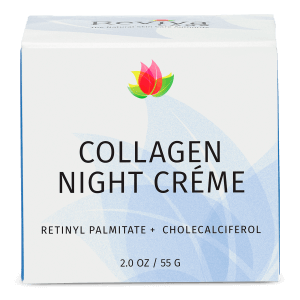
Another misconception is that you need fancy, expensive treatments to rebuild the barrier. While ceramide-spiked luxury creams exist, many mid-range options like Reviva’s Collagen Night Crème or Antioxidant Day Crème offer ample support when used consistently.
Can Barrier Repair Help with Other Skin Issues?
Yes. Strengthening your skin’s natural defenses improves many common skin conditions. Acne-prone individuals often benefit from barrier repair, especially if they’ve overused drying products like benzoyl peroxide. Aging skin, which naturally produces less oil and ceramides, shows improved firmness and elasticity once the barrier is restored. Even people with melasma or post-inflammatory hyperpigmentation find that a healthier barrier helps reduce triggers and enhances the results of brightening products.
When to See a Professional
If your skin burns with even water, or if you experience constant peeling, itching, or redness despite gentle skincare, it may be time to consult a dermatologist. Conditions like atopic dermatitis or seborrheic dermatitis can mimic leaking skin but require prescription treatment.
Still, for the average person with a slightly stressed or over-processed barrier, adjusting your skincare strategy is often enough to bring balance back.
The “Leaky Skin” Takeaway
Leaking skin isn’t just a cute metaphor – it’s a physiological reality. And it’s more common than most people realize. The good news? It’s also one of the easiest problems to fix when you take the right approach.
By focusing less on high-octane actives and more on healing, sealing, and hydrating, you can transform your skin from the inside out. You’ll feel the difference – and finally get the payoff you’ve been hoping for from your favorite products.