
-
×
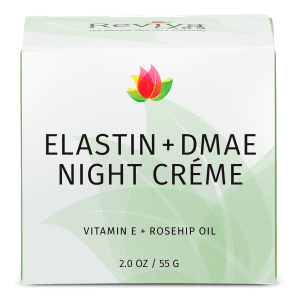 Elastin + DMAE Night Créme
1 × $20.00
Elastin + DMAE Night Créme
1 × $20.00 -
×
 Nasolabial Fold+ Multi-Peptide Complex
1 × $53.90
Nasolabial Fold+ Multi-Peptide Complex
1 × $53.90
Clean Beauty, Natural, Reviva Labs, Skin Care
What Night Cream Is Best for Aging Skin
15
Sep
Sep
Skin never clocks out, but night is when I see it do its smartest work. Oil production dips, your face spends hours not fighting the sun or pollution, and repair signals surge. That is why a good night cream can punch above its weight. It is not just a thicker moisturizer, it is an evening strategy that helps your barrier bounce back, infuses lasting hydration, and supports the kind of renewal that shows up a week from now in the mirror. I like to think of it as the quiet shift that does the heavy lifting while you sleep, and the choice you make here can speed up that progress.
A fair question comes up all the time. Is an ordinary daytime moisturizer enough at night, or do you need a separate nighttime formula. If your goal is real change in firmness, brightness, and smoothness, a dedicated night cream gives you the best odds. It brings richer emollients that stick around longer on drier skin, and it stacks skin friendly actives in a way that pairs with how skin behaves overnight. I have tested countless routines and the pattern is consistent, when the night product is dialed in, everything during the day works better too.
There is another reason a specific night formula matters. Many of the most proven actives do their cleanest work in darkness. Retinoids are famous for being light sensitive, certain exfoliants sit better on skin when sweat and sunscreen are not in the mix, and even classic hydrators such as hyaluronic acid feel more effective when transepidermal water loss rises in the evening. Add in the fact that your pillow hours remove the friction of makeup, wind, and frequent touching, and you can see why an overnight cream becomes a reliable engine for change. The right one bathes skin in moisture, coaxes a smoother texture, and sets up tomorrow’s glow before your alarm goes off.
The trick is picking the best night cream for your face right now rather than in theory. Aging skin is not a single type, it is a cluster of needs that shift with the season, stress, and hormones. Some faces crave water, others need oil, many want both. One person wants to chase firmness, another wants to fade spots gently, and a third wants to do all of that while keeping the barrier calm. I will walk you through the ingredients that matter, show how to match textures to skin type, and answer the common questions that make shopping feel easier and more precise.
Reviva Labs' Night Repair Rituals
Why night care pays off
Aging shows up first as a moisture story. Fine lines look deeper when water is low, and rough texture steals light from the surface. That is why deeply hydrating night creams are the first anchor. Look for formulas that pair humectants, the water binders, with emollients that soften, plus occlusive agents that reduce water escaping while you sleep. When these three sit together in a balanced way, you wake up with a smoother feel and better bounce. It is not a one-night miracle, but the difference is visible within days if your cream suits your skin’s thirst.
Repair is the second anchor. Skin repairs day and night, yet many repair enzymes and signals ramp up while you sleep, which is exactly when you want antioxidants and barrier helpers on board. A smart night cream leans into that natural rhythm. It will bring in supporting cast members like vitamins, peptides, and soothing plant lipids that keep those quiet processes running smoothly. If you are consistent, you stack small wins that show up as fewer etched lines and a more even look across cheeks and forehead.
Comfort is the third anchor, because skin that feels calm looks better, period. Aging complexions can burn the candle at both ends, dehydrated from heat or travel, reactive from actives, or just peevish for no clear reason. A well-built night cream takes that into account. It avoids heavy fragrance, minimizes common irritants, and uses barrier kind emulsifiers and oils that behave on sensitive faces. If you have ever had a routine that made you glow for a week and then revolt, you know the value of calming support. Night is the perfect window for that reset.
Finally, there is the routine lift you get in the morning. A good night cream improves the way sunscreen and makeup sit the next day. Fine flakes weigh less on the surface, and the moisture gradient across the day feels easier to maintain. I find that once people dial in nighttime care, they often cut back on midday spritzes and touch ups because their skin keeps its balance longer. That is a pleasant side effect and a reason to treat your night jar like your best ally rather than an optional extra.

What makes a night cream different from a day cream
The obvious difference is texture, but that is a half-truth. Plenty of night creams are rich, and that is useful on dry skin, yet richness alone is not the point. It is the pairing of actives and barrier support in a way that suits hours of contact time. Night formulas often include more oil soluble vitamins, a higher level of peptides, and a quieter, skin like finish that does not need to play well with sunscreen or makeup. They can lift heavy because they do not need to layer under five daytime steps.
Day moisturizers focus more on light feel, quick dry down, and a base that hugs sunscreen without pilling. Many also include antioxidants that scavenge free radicals generated by light exposure. Those are important details, but they are not the same as the slow hydration and repair support you want at night. If a label looks nearly identical between a day and night product, check the occlusive and emollient side. Night should lean a touch more substantial for most faces, even if you choose a gel cream rather than a balm.
Another distinction is how night formulas handle exfoliation and retinoids. Many of the gentlest retinoid serums are designed to be worn at night for good reason. They can sit without interference, and the risk of daytime irritation drops when you separate them from sun and sweat. Some night creams tuck a small amount of exfoliating acid or encapsulated retinol into a cushy base, trading speed for comfort. That can be an excellent approach for beginners or for anyone who wants to ease in without a separate treatment step.
One note on fragrance and color. A tiny amount of scent can make a jar feel luxurious, and a cream can be tinted by oils or vitamins naturally. The important detail is how your skin responds. If your barrier is touchy, gravitate to quieter formulas with minimal fragrance and a short list of colorants. Night is about comfort and repair, not sensory fireworks. Your nose can enjoy a whisper. Your skin will thank you if you keep the party small.

Actives that work while you sleep
Retinoids are the headliners for many of us. Retinol and its cousins support a smoother look, more even tone, and better bounce over time. If your skin tolerates it, a night cream or serum with a sensible retinol strength is a smart investment. You can also turn to bakuchiol, a plant derived option that targets similar concerns with a gentler profile. I have seen great results from people who cycle retinol and bakuchiol across the week, gaining steady progress with fewer dry spells.
Peptides are the second big category. They are small chains of amino acids designed to nudge the skin toward a more youthful behavior, often by signaling support for collagen. Do they replace a retinoid. Not in my experience, yet they add a cushion of performance and make a noticeable difference in texture, especially when paired with good hydration. A night cream that includes a few well studied peptides can be a workhorse for those who prefer a slower, calmer build.
Acids deserve a careful mention. Glycolic and lactic acid can refine texture and brighten tone, and nighttime is an excellent window for their use. The key is dosing. A small amount tucked into a cream can maintain smoothness, where a separate higher strength acid is better used a few nights each week. The goal is fresh, not fragile. If you are already using a retinoid, consider alternating nights with acids rather than stacking them unless your skin is hardy and you are experienced. Pull back the moment you feel stingy or see new flaking.
Antioxidants round out the actives that help you bank progress at night. Vitamins C and E, CoQ10, green tea, and resveratrol are among the classics that support skin during repair. While vitamin C is more famous in the morning under sunscreen, certain stable forms sit nicely at night where they can contribute without the pressure of daily light. Build them into your cream if your skin enjoys them or choose a separate serum a few times a week. Consistency matters more than hitting every single option at once.
Hydration that lasts past breakfast
Humectants pull water toward the skin, which is crucial when evening air is dry, or your indoor heat is on. Hyaluronic acid is the popular choice because it binds water well, but glycerin remains one of the most dependable options and works across climates. Blends are ideal. Look for a cocktail of humectants rather than a single star, since each has a slightly different feel and water binding profile. Your skin benefits from that diversity over hours of wear.
Emollients soften and smooth; think of them as the glide that lets skin feel supple rather than tight. Plant oils such as sunflower, jojoba, and rosehip deliver fatty acids your barrier needs. Light esters give slip without heaviness. Shea and mango seed butters hug dry patches well. Aging skin rarely hates emollients, it only objects to the wrong match. If you often wake up feeling tight, reach for a cream with a more generous emollient blend and apply to still slightly damp skin to lock in extra comfort.
Occlusives slow water loss. Petrolatum is the classic, yet many people prefer plant waxes, ceresin alternatives, or silicone free systems that use squalane or beeswax. You do not need a thick ointment unless your barrier is very compromised. A cream with a modest occlusive backbone often does the job, especially when you layer it as the last step. If cheeks feel parched, try a tiny dot of a balm over those exact areas as an added seal. That spot treating approach keeps the T zone happy and the dry bits satisfied.
Another helpful move is to consider the water content of your evening routine as a whole. If you apply a watery essence, a serum rich in humectants, and then a cream, you have created a generous reservoir. If you keep your steps minimal, choose a night cream that brings its own water binding agents in a meaningful way. There is no single right path; there is only a clear aim, wake with skin that feels plump rather than tight and looks smoother to the eye.
Barrier builders for calmer mornings
Ceramides, cholesterol, and free fatty acids are the structural fats that make your barrier sturdy. A night cream that includes these in a balanced ratio can help repair a barrier that feels thin or reactive. Mature skin often benefits from this trio because the natural reservoir of these lipids dwindles with time. You will not feel fireworks from ceramides; you will see fewer bad mornings. That is the goal when you are in this for the long game.
Niacinamide is another barrier friend. It supports a more even tone, helps with oil balance for those who need it, and contributes to a calmer look. In my experience, the sweet spot for night creams sits around moderate levels rather than very high. You want the benefits without tipping into dryness from too much sebum control on already dry skin. If you are using a brightening serum with niacinamide, a night cream with a smaller amount provides support without redundancy.
Soothers matter more with age because irritation lingers longer. Aloe, allantoin, panthenol, oat derivatives, and green tea are classic calming agents that sit comfortably in night formulas. They play well with actives, and they help you stay on track without downtime. If you have ever quit a promising product because your face felt peevish, you know how valuable these quieting ingredients can be. They are the reason a strong formula still feels like a hug.
If your skin cycles through cranky phases, consider a two-jar approach. Keep a richer, primarily barrier focused night cream on hand for those weeks and rotate your more active night cream the rest of the time. Alternating helps you keep progress steady without pushing too hard when your face asks for gentleness. That flexibility is not a step back; it is a strategic move that mature skin often rewards with better results.

Matching texture to skin type
Dry skin usually loves classic creams with a blend of humectants and oils. Look for mid to high emollient content and a comfortable occlusive finish. A touch of shea, squalane, or beeswax can make all the difference between waking up tight and waking up dewy. If you feel grease, you probably used too much, or the oil blend is not your match. Adjust quantity first before switching products, a pea sized dollop is surprisingly effective when the cream is well built.
Normal to combination skin often prefers gel creams at night. The water forward base with a satin finish keeps the T zone clear while softer areas get the moisture they need. These formulas shine when they use multiple humectants and a smart emollient microdose that does not swamp pores. If your combination skin leans dehydrated rather than oily, a gel cream under a thin layer of a richer cream on cheeks can be the perfect hybrid.
Oily or acne prone skin still ages, and it still benefits from night cream. The difference is weight and occlusion. Choose lighter textures with proven hydrators, soothing agents, and actives that respect breakout prone faces. Niacinamide, green tea, and low-level retinoids sit well here. The goal is to support the barrier and improve texture without sealing in too much heat or oil. If you fear creams because of past breakouts, test on the sides of the face first for a week and watch how your skin responds.
Sensitive skin benefits from shorter ingredient lists and fragrance light builds. Aim for creams rich in barrier lipids and soothers with only gentle actives. If you want retinoid like benefits without the drama, a well formulated bakuchiol night cream can be a kind choice. Always patch test along the jawline for a few nights when trying a new active rich formula. A quiet success beats a fast but rocky path every time, especially when your barrier gets grumpy easily.
Retinoids and bakuchiol at night
If you can tolerate a retinoid, it remains the gold standard for smoothing fine lines, evening tone, and supporting a firmer look over time. The best approach is slow and steady. Start with a gentle strength two or three nights a week, buffer with your night cream, and only increase frequency when your face feels bored and resilient. Skin does not reward rush here. The patience you bring to retinoids pays you back with fewer setbacks and more visible gains.
Bakuchiol is a strong option for those who want a similar direction with lower odds of dryness or sting. It can be used nightly by most people and pairs well with peptides, antioxidants, and hydrating agents. I have seen clients alternate retinol and bakuchiol or use bakuchiol nightly as a maintenance step after a focused retinoid season. Both strategies can work well. The key is to listen to your barrier and ease up when skin asks for a break.
Many night creams now include a whisper of encapsulated retinol or a comfortable dose of bakuchiol. This can simplify your routine if you prefer fewer steps. The cream provides slip, hydration, and active support in one jar. If you adopt this route, skip a separate retinoid serum to avoid doubling up. Keep your focus clear, one strong lever per night is usually enough to keep progress moving forward with minimal drama.
What about pairing acids with retinoids. You can do it, but not every night. Try scheduling your stronger acid nights on different evenings than your retinoid nights and keep your cream very soothing on those days. If you wake up with new flaking or a tight feel that makeup exaggerates, increase your recovery nights and lean on barrier builders. The best night routine is the one you can sustain for months, not a sprint you abandon after two weeks.
Peptides, antioxidants, and smart extras
Peptides shine as supportive players in night creams for aging skin. They will not produce a time machine effect, but they help your face hold a smoother surface and a more refined look, especially between the brows and along smile lines. Look for creams that combine multiple peptide types rather than a token sprinkle. Variety gives you better odds across different pathways that influence texture and bounce.
Antioxidants support the quiet repair that happens while you sleep. Vitamins C and E, CoQ10, green tea, and resveratrol show up again and again in night formulas for good reason. They help reduce the visible impact of environmental stress from the day and support a brighter, healthier look over time. Stable forms matter here, so lean on brands that use well tested versions and disclose percentages when possible. Slow gains are the standard, measure results in weeks, not nights.
Niacinamide belongs in this section too because of its multi-tasking nature. It can soften the look of spots, support the barrier, and help with oil behavior. In a night cream, a moderate level usually plays nicest with mature skin. Pair it with hydrating agents and calming plant extracts to keep comfort high. If you also use a dedicated brightening serum, you can place that serum on alternating nights to avoid redundancy and keep irritation low.
A few extras can make a difference in comfort. Panthenol is a quiet favorite, aloe provides instant relief on reactive evenings, and squalane gives cushion without heaviness. These are not showy ingredients, yet their presence in a night cream often separates a jar you finish from one you abandon half full. Pay attention to how skin feels not just immediately, but also the next morning under sunscreen. That is the true readout of a good night formula.
How to build your night routine around the cream
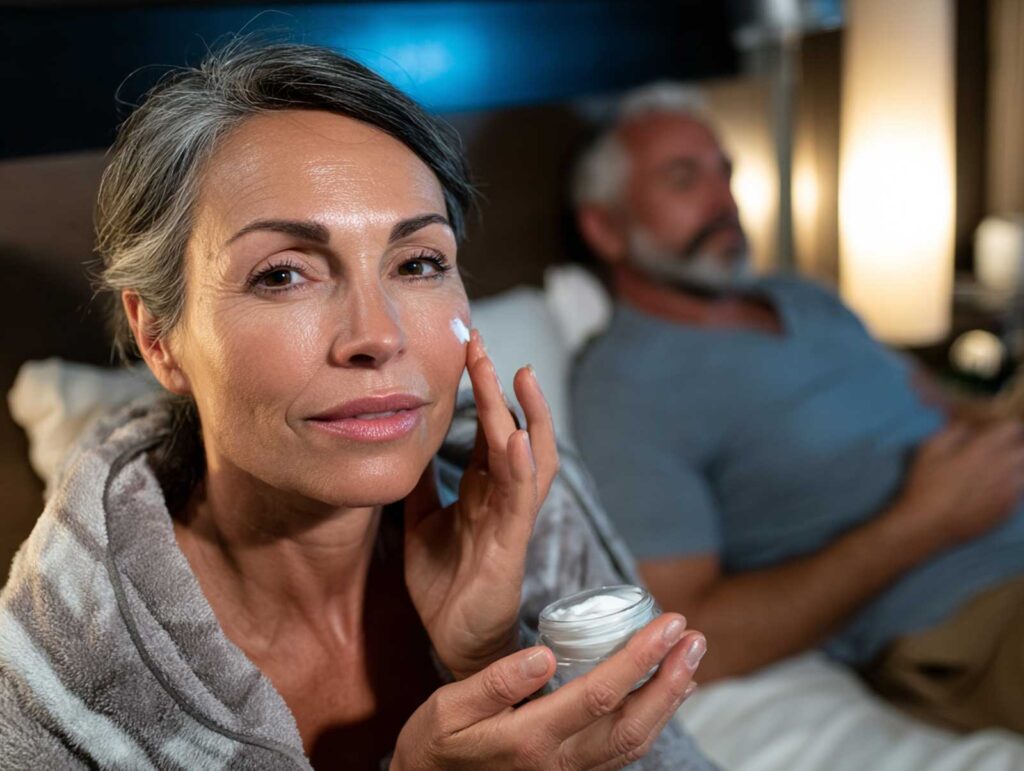
Cleanse gently and thoroughly. Night cream cannot do its best on top of sunscreen residue or long wear makeup. If you wear heavy SPF or foundation, consider a short oil cleanse before your regular cleanser. You want a soft, clean surface without a squeaky feel. Pat dry, leave the skin slightly damp if your cream plays well with water, and move quickly to your treatment steps so you do not lose that moisture to air.
If you use a treatment serum, apply it before your night cream. Retinoids, peptides, or brightening serums can go here. Give that layer a minute to settle, then apply your night cream with a light hand. More is not better, even at night. Spread a thin, even layer, adding a second dab on the driest patches if needed. Your goal is coverage, not a mask. If you wake up greasy, you used too much, or your formula is too heavy for your current needs.
Eyes can take either your night cream or a dedicated eye cream depending on your preference. If your night cream is rich and gentle, tap a tiny amount around the orbital bone and you are done. If you prefer a targeted eye treatment, use that first and then apply night cream to the larger face area. Keep products out of the lash line and lids unless the label says it is safe there. Comfort and consistency matter more than chasing ten micro steps.
Neck and chest age with your face, so take whatever is on your fingertips and press it down through those zones. You do not need a separate product for these areas unless they are much more reactive than your face. Most night creams perform beautifully on the neck and chest. The habit of carrying your last swipe of cream downward pays off quietly over time when those regions keep pace with your cheeks and forehead.
How to choose by your main concern
If dryness is the loudest issue, choose a night cream that pairs multiple humectants with mid to rich emollients and a modest occlusive finish. Ingredients such as glycerin, hyaluronic acid, sunflower oil, shea, squalane, and ceramides read like a winning roster. A cream like this is the perfect base for periodic use of a retinoid or acid because it helps buffer and recover in the same move. Expect your makeup to glide better within a week when moisture is stable again.
If loss of firmness is front and center, lean on peptides, supporting antioxidants, and a thoughtful oil phase. Peptides will not hoist everything back alone, yet they do contribute to a tighter, more refined look when used consistently. Pair that with a retinoid serum on alternating nights for a classic one two. If you prefer a more botanical lean, bakuchiol based night creams with peptides can bring visible refinement with less dryness for many faces.
If uneven tone and spots nag you, consider a night routine that schedules brightening serums two to four nights per week and uses a hydrating, barrier friendly cream on top. On the off nights, use a simpler night cream with niacinamide and antioxidants so you maintain progress without overdoing it. Brightening is a marathon. Sun care during the day decides the outcome, but night care makes the race more comfortable and keeps you moving.
If sensitivity and redness dominate, strip the routine back. Choose a quiet, fragrance light night cream focused on barrier lipids, humectants, and soothers. Save retinoids or acids for later and introduce them only after two or three weeks of stable comfort. Your best night cream in this phase is the one that makes mornings feel uneventful. Once the baseline is calm, you can layer in actives with a better chance of success and fewer detours.
How much science should guide your pick
A little science goes a long way when you choose a night cream. I lean on proven patterns that show up across decades of research and practice. Moisture first, barrier support second, actives that your skin actually tolerates third. I also pay attention to one number that can frame expectations. Collagen content in skin declines by roughly one percent per year in adulthood, which is a tidy way to remind us that progress is gradual and maintenance matters. You do not need a lab coat to benefit from that knowledge; you only need patience and a good jar.
You will see brand stories and ingredient spotlights everywhere, and many are helpful, but your face decides. Keep a simple test in mind. If a night cream gives you better mornings within two weeks without any new irritation, you are on the right track. If you wake up shiny but still tight, you need a different texture or a better humectant and emollient balance. If you wake up smooth and comfortable but see no improvement in eight weeks, add or adjust an active rather than quitting the base cream that keeps your barrier happy.
I also like to check the first ten ingredients. That section tells you most of what you need to know about the feel and focus of the cream. If you see a nice blend of water binders and skin friendly oils near the top, you can expect comfort. If you see a parade of heavy occlusives and little else, you might feel smothered unless you are very dry. If you see actives nestled after those base builders, it often signals a thoughtful formula designed to do more than sit on the surface.
A final scientific habit that pays off is patch testing. Put a pea sized amount along your jawline for three nights. Watch for redness, sting, or new clogged pores. If you pass that test, roll it out to the full face. You can love a brand and a story, but this tiny experiment is what protects your barrier and keeps your routine moving forward.
Two quiet night workhorses from Reviva
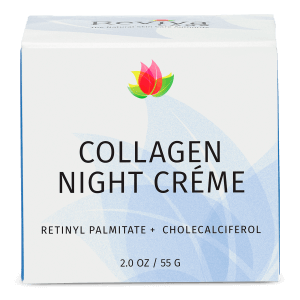
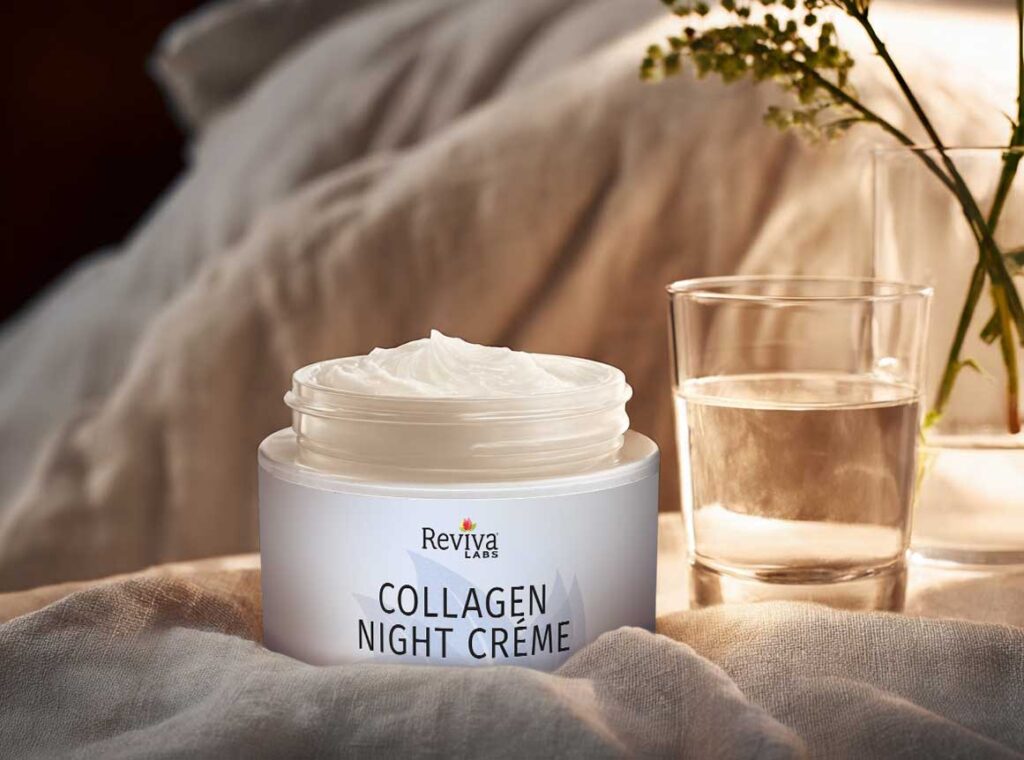
If you prefer a targeted pick from a legacy brand that treats night care seriously, I have two steady options. Reviva Labs Collagen Night Crème is a classic for faces that want moisture and a smoother morning. It combines soluble collagen with emollients to plump the look of fine lines while you sleep, and it feels like a comfortable, not greasy, blanket on dry cheeks. The jar aims squarely at hydration and softness, and it does that job well for many mature skin types.
When firmness is your main wish, Reviva Labs Elastin & DMAE Night Crème brings a gentle nudge toward a tighter, more refined look. It layers hydrolyzed elastin with DMAE in a soft cream base, which makes it a practical choice for necks and jawlines that want a touch more hold by morning. I like it for people who prefer to save retinoids for a separate step or season, and I especially like it for those who love a comfortable feel rather than a medicinal scent at night. Both picks sit happily on top of a simple hydrating serum if your skin is thirsty.
Neither option tries to be a ten in one, and that is their charm. They are reliable, barrier friendly night creams that leave room for your treatment serum on alternating nights, or they can stand alone when you want a calmer season for your skin. That flexibility is exactly what mature skin tends to reward. If you enjoy a steady routine that makes your mornings easy and your makeup kinder, either of these jars can be a helpful anchor.
And a gentle reminder, even the nicest night cream needs daily sunscreen to lock in your progress. You do not want to spend all night supporting your barrier only to undercut it under noon sun. Keep that rhythm steady, feed your skin well at night, and defend it well by day. That is when aging skin looks its best and feels the most like itself.
Common questions, answered naturally
Can oily skin skip night cream. I would not advise it. Oily skin can still be dehydrated, and a light gel cream at night helps balance water without clogging. It can actually lead to less oil production over time because your skin does not need to overcompensate. The key is texture and restraint. Use a thin layer and adjust as your T zone learns the new rhythm.
Is retinol mandatory for results. No, it is powerful, but not the only path. You can build a routine around peptides, niacinamide, and bakuchiol and see steady progress. The results may be slower, yet comfort and consistency win in the long run. Many people also use retinoids seasonally and maintain with gentler options at other times. That approach can be very effective.
How much product should I use. Start smaller than you think. A pea sized amount often covers the face when the formula is well made, with a dot more for the neck. If you wake greasy, cut the amount in half for a week. If you wake tight, increase slightly or add a thin layer of a balm on the driest patches only. Precision beats slathering every time.
When will I see changes. Hydration improvements can show within days, especially in how makeup sits. Texture and tone take longer. Give a new night cream two to four weeks before you judge, and eight to twelve weeks if it includes slow burn actives like peptides or bakuchiol. Take a quick selfie in consistent light before you start. Your eye adapts faster than your camera, and the photo keeps you honest about progress.
Can I use the same cream on neck and chest. Yes, and you probably should. Those areas are often drier and show lines early because of movement and sun. Carry your night cream down with gentle presses. If your chest is breakout prone, use a lighter layer there or choose a gel cream for that zone. The small habit of including these areas pays off more than any fancy trick.
Putting it all together for real life
Night cream shopping is easier when you filter for your biggest need first, then choose texture, then add a favorite active. If your main issue is dryness, lock that down first. If firmness motivates you, choose peptides in a texture you love and build from there. If spots annoy you, schedule your brightening a few nights a week and keep your off nights soothing. When in doubt, start simpler and add complexity later. Skin loves a plan that gives it room to breathe.
Pay attention to how your face feels in the morning under sunscreen, not just right after your night routine. If your cream makes sunscreen glide and sit without balling, you are likely in a good place. If sunscreen pills, try letting the night cream sink in a touch longer before bed, or reduce the amount. Tiny tweaks like that keep your rhythm smooth. You do not need a huge overhaul to fix small friction points.
Seasonal shifts are a final variable. Nearly everyone needs a richer night cream in winter and a lighter one in high summer, even if the ingredients stay similar. You might keep the same family of actives year-round and change only the base. I rotate textures that way myself. It makes the whole routine feel custom without reinventing it every three months.
Think of your night cream as both a comfort step and a strategy. It should feel good as you apply it and it should make tomorrow’s skin cooperate. If it fails either test, you have better options. There is no score for loyalty to a jar that is almost right. The win is a cream that helps you wake up to skin that looks rested, hydrated, and steadily more refined. That is the best night cream for aging skin, the one that earns its place by making your mornings easier and your mirror kinder.
Episode 10 – Night Repair Rituals