Most people are surprised to hear that the average skin surface pH sits close to 4.7, not the neat and tidy 5.5 that gets tossed around in casual skincare chats. That small shift matters because the acid mantle sets the pace for enzymes that glue or release dead cells, shapes which microbes thrive on your face, and even nudges your lipids into better order. I like to think of the barrier as a living neighborhood where every resident has a job, from the brick-like cells that keep the walls standing to the oils that fill the gaps and the tight seals that keep moisture inside. When one neighbor misses a shift, the whole block feels it. Redness lingers, products sting, and comfort seems to evaporate no matter how much cream you layer on.
Spend a few minutes with the barrier and you quickly see why a gentle routine works better than a heavy hand. The outermost layer is thin, yet it carries a complex to-do list. It keeps water in, keeps irritants out, coordinates immune messaging, and even trains the microbiome that lives on top. If that sounds like a lot, it is, but the skin is good at it when the parts are supplied with the basics they need. Give those parts too little support or push them too hard and recovery slows. That is often when skin feels tight or looks angry, and that is often when we add more steps instead of stepping back.
I have seen the barrier bounce back quickly when a routine gets simpler and more targeted. People expect elaborate regimens to perform miracles, yet the biology rewards consistency and patience more than novelty. A few carefully chosen ingredients, the right texture for your climate, and a pause on the harsh stuff usually beats a drawer full of solutions. It might not feel flashy, but it works because it respects the structure you are about to meet in detail.
The barrier is not one thing. It is an alliance of cells, lipids, proteins, water channels, enzymes, and invisible electrical charges that keep the surface slightly acidic. If you want calmer, steadier skin, it helps to know what each part is trying to do, and how each can go off track. The good news is that most problems point to practical fixes you can start tonight.
The brick, the mortar, and the acid veil
The top layer you can touch is the stratum corneum. It looks quiet, but there is a lot going on. The “bricks” are flattened, dead yet dynamic cells called corneocytes. They are packed with keratin and wrapped in a tough protein shell that resists swelling in water. The “mortar” is a stack of lipids that form broad, repeating sheets between those cells. These lipid sheets keep water from slipping out too fast and block irritants from slipping in. Sitting over everything is the acid mantle, a slightly acidic film of sweat, sebum, and other molecules that keeps enzymes humming and microbes in balance. Take that acidity away for long spells and you see more flaking, more itch, and more trouble from opportunistic microbes.
Trouble starts when the bricks are weak, the mortar is thin or disorganized, or the surface pH drifts upward for long stretches. Weak bricks shed unevenly, which makes texture look rough and gives that powdery, tight feeling after cleansing. Thin or disorganized mortar sputters at its main job, so transepidermal water loss rises and skin feels parched even after you moisturize. When the pH climbs, several enzymes that are happiest in acid speed up or slow down at the wrong time. That can mean a rush of shedding that exposes fresh cells too soon or a slowdown that leaves dead cells clinging. Either way, your barrier spends energy patching rather than protecting.
Everyday choices tug on these levers. Hot water, scratchy towels, strong surfactants, and a string of exfoliating acids can nudge the pH upward and strip the lipid sheets faster than your skin can rebuild them. Low humidity rooms pull water out of corneocytes and make the mortar more brittle. A string of late nights or a run of tough workouts without good recovery can also tilt the system. You do not have to be perfect to fix it, but the pattern matters far more than any single product.
Keratinocytes grow up into barrier architects
Your barrier begins several layers deeper where keratinocytes are born. These cells climb upward, change shape, and build specialized packages called lamellar bodies that carry lipids and enzymes. As they reach the border between the granular layer and the stratum corneum, they dump those packages into the spaces between cells. That dump is not messy, it is engineered. The lipids settle into orderly stacks, enzymes set the schedule for shedding, and antimicrobial peptides help police the surface. When the system runs smoothly, the landscape stays glossy yet calm.
This assembly line can slow down or malfunction. Inflammation is a big disruptor because it diverts cellular energy toward defense rather than construction. Harsh topical routines can do something similar by repeatedly forcing emergency repairs. Genetics can tilt the odds too. Variants that affect filaggrin, a protein that bundles keratin and feeds the skin’s natural moisturizing factor, change the way cells mature and hydrate. Those changes do not doom you to poor skin, but they do raise the stakes when you push the routine too far.
Recovery depends on giving those deeper layers a break from chaos and the materials they need to do their work. Think of it like a night shift for a tired crew. Dial down disturbances at the surface, add back the building blocks, and sleep becomes more productive for your skin. That is one reason consistent bedtime moisture, and a steady routine make such a big difference for comfort by morning.
The lipid matrix that seals the wall
Between the corneocytes lies a lamellar matrix built from ceramides, cholesterol, and free fatty acids. These lipids line up into long, repeating sheets that resist water flow. By mass, ceramides make up roughly half of the stratum corneum lipids, cholesterol accounts for about a quarter, and free fatty acids contribute much of the rest. These numbers vary a little by site and season, but the theme holds. When this matrix is abundant and well organized, water loss stays low, and you feel cushioned yet light. When the matrix is thin or jumbled, moisture leaves faster, irritants sneak in, and stinging becomes common.
The body builds these lipids from dietary fats and internal pathways, then traffics them into the spaces between corneocytes. Chain length and saturation patterns matter here. Longer, straighter chains pack tightly and create less leaky sheets. Shorter or kinked chains create gaps. In conditions like atopic dermatitis, you often see more short chain ceramides and a drop in certain very long chain species. That shift relates to both genes and ongoing inflammation, and it helps explain why comfort can feel fragile during flares.
Products help most when they echo the pattern the barrier expects. Mixtures that supply ceramides, cholesterol, and fatty acids together tend to outperform single lipid formulas. Even better when the fatty acids include linoleic acid rich sources, since your skin leans toward that acid when it repairs. You can absolutely get there with gentle moisturizers that keep those three families in the recipe rather than heavy, occlusive waxes alone. Occlusion can be useful for brief spells, but the core fix comes from rebuilding, not just covering.
Ceramides set the seal and how they lose their grip
Ceramides are a broad family rather than one ingredient, and the skin uses many types to build its sheets. Some ceramides have extra fatty acids attached, which helps form the long periodicity phases that make the barrier tight. Others act like spacers that keep layers at the right distance. Shorten their tails and the structure loosens. Reduce certain classes and the water resistance slips. You might not see the chemistry, but you feel it as thirsty skin that cannot hold on to water for long.
Ceramides can slip for several reasons. Age nudges the mix toward fewer total ceramides, especially some of the longer ones, which is one reason winter feels rougher than it used to. Chronic overuse of strong cleansers, frequent peels, or scrubs also trims the supply faster than the skin can restock. Inflammatory signals change the enzymes that build ceramides and the enzymes that break them down, which shifts the mix toward shorter, less efficient species. When that happens, the best move is to quiet the triggers, simplify the routine, and feed a balanced lipid blend rather than just one fatty hero.
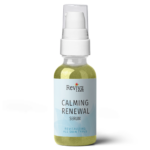
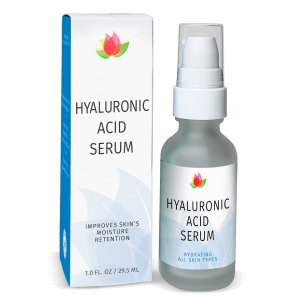
This is where ingredient labels can guide you. Look for formulas that mention multiple ceramides rather than a single one and make sure cholesterol and fatty acids show up too. A calm formula without a big perfume load or tingling actives will usually perform best because it lets the lipids settle into sheets without extra irritation. If you prefer a lighter texture, layer a watery hyaluronic serum first, then seal with a lipid cream. Reviva’s Hyaluronic Acid Serum can serve that first role well, since it draws water into the upper layers and gives your barrier something to hold on to while your lipid cream knits.
Cholesterol and free fatty acids keep the sheets flexible
Cholesterol is often cast as a villain in diet talk, yet your skin leans on it daily. It slips between ceramides and fatty acids and helps the sheets flex as you move. Too little cholesterol and the matrix becomes brittle. Too much and the layers can swell in ways that let water leak. Free fatty acids round out the trio with a special nod to linoleic acid, an essential fatty acid your body cannot make. Linoleic acid tends to be incorporated into special ceramide types and into the bound lipids that tether to corneocyte envelopes.
This side of the matrix goes out of whack when diets are extremely low in polyunsaturated fats, when you strip the surface with strong cleansers, or when you rely too heavily on occlusive waxes without replacing the missing building blocks. The fix is not complicated. Keep daily cleansing gentle and brief, avoid long hot showers on your face, and use moisturizers that contain a mix of cholesterol and plant oils high in linoleic acid. Grapeseed, sunflower, and rosehip are classic sources that feel light and play nicely in formulas aimed at comfort.
You can also use the calendar as a tool. If your climate swings, add a second thin layer of lipid cream in the evening during colder months or when the indoor heat is running. The goal is simple. Give your barrier the materials it prefers at the time it needs them most, and it will use them to build tighter sheets that leak less and sting less.
Natural moisturizing factor lives inside the bricks
Natural moisturizing factor, or NMF, is a stew of free amino acids, pyrrolidone carboxylic acid, lactic acid, urea, sugars, and salts that lives inside corneocytes. It acts like tiny sponges that attract and hold water. NMF comes largely from filaggrin, a protein that breaks down as cells reach the surface. When NMF is plentiful, corneocytes swell properly and the surface feels supple. When NMF is scarce, cells become brittle, light scatters more, and fine lines look sharper because the bricks cannot plump.
You can deplete NMF by scrubbing, by aggressive acid use, or by long soaks followed by air drying without any moisturizer. Certain genetic variants that lower filaggrin production also reduce NMF and tilt skin toward dryness. The help here is straightforward. Choose humectants that mimic elements of NMF and then trap that new water with lipids so it does not vanish into dry air. Glycerin, lactic acid in low, skin friendly percentages, and urea in gentle strengths are workhorses for this job. A simple hyaluronic serum under a lipid cream is a quick way to nudge NMF function without drama.
It also helps to time your routine. Apply humectants after cleansing while the skin is slightly damp, then follow with your lipid cream to slow evaporation. That tiny window after a shower or cleanser is valuable because your barrier is more permeable and your corneocytes are ready to drink. Give them water and a seal, and they reward you with better texture by morning.
Corneodesmosomes are the rivets that let old cells release on time
Corneocytes are meant to let go. They do it through little protein rivets called corneodesmosomes that dissolve at the right moment. Enzymes that clip these rivets prefer an acidic environment. Push the surface pH upward for long spells and those enzymes either work too fast or too slow. Too fast and you peel or flake in scaly patches. Too slow and you collect a stubborn film of dead cells that makes your best serum feel like it is bouncing off.
You can feel the difference in the shower. If the surface tingles with small stings when water hits, you have probably pushed your rivets toward the too fast lane. This happens when you layer exfoliating acids without rest days or when you scrub routinely. On the other hand, if makeup pills on application or if cleansers never seem to rinse clean, you might have a slow-release problem with dead cells clinging past their appointment. Gentle routines fix both. Short contact low strength acids applied no more than a few nights per week can set a smoother rhythm. The rest of the time, let low pH cleansers and balanced moisturizers keep the enzymes comfortable.
Sticking with mildly acidic products helps in quiet ways. It protects enzyme timing and keeps the matrix’s electrical charges tuned. That tuning lowers the friction between corneocytes and helps water glide through by the correct path. Your skin does this juggling without your input when you give it a peaceful environment. That is the main reason routine calm beats routine intensity.
The acid pH sets the pace for almost everything above it
The skin’s surface pH is not a small footnote. It is a setting that affects desquamation, antimicrobial defense, and barrier recovery. On average, healthy surface pH centers around 4.7, which favors the proteins that hold the matrix together and slows microbes that prefer neutral territory. Raise that pH for long spells and you see more scaling, more itch, and more susceptibility to irritation. You also see a tilt in lipid processing because several enzymes that create the barrier lipids prefer acid.
What pushes pH upward for long periods is not one wash. It is the long trend. Reaching for extremely alkaline cleansers, letting product residue linger, or leaving exfoliating agents on all week without buffering steps makes a bigger difference than most people expect. If your skin often feels better on vacation, it might be because your routine got simpler and the pH trend drifted downward. The fix is friendly to your schedule. Choose a nonstripping cleanser made for face, limit water temperature, and apply a moisturizer within minutes of cleansing. Add a product with lactic acid at a gentle level if you want an easy way to lean your pH in a skin friendly direction without the prickly feel of stronger acids.
Once you make these changes, you usually notice less shine from reactive oil and fewer tiny bumps that look like roughness rather than inflamed acne. That is your pH at work behind the scenes. When it is set well, almost every other part of your barrier gets to work in a more stable range.
Tight junctions sit one layer below to offer a second seal
Just beneath the stratum corneum, the granular layer uses tight junctions to seal space between cells. These junctions form a paracellular fence that forces water and solutes to take the long way through cells rather than sneaking between them. If the proteins that build these junctions, like claudin-1, fall too low, the fence leaks and water finds a back road out. That leak does not always show as dramatic redness, but it does stack the deck toward a surface that stings and a barrier that recovers slowly.
Inflammation can downshift tight junction proteins, and genetics can nudge their baseline lower. The practical takeaway is simple. Protect this layer by limiting daily irritation and by keeping your lipid matrix healthy, because the two layers talk to each other. When lipids are in order, the deeper seals do not have to work as hard to keep moisture in. When the lipids are thin and the pH drifts, tight junctions carry more of the load and will complain sooner.
You can help this seal by keeping your exfoliation schedule modest, especially during seasonal changes, and by prioritizing moisturizers that provide barrier lipids rather than relying on silicone slip alone. Good slip feels nice, but it is the lipids that encourage those deeper seals to stay firm and responsive over time.
Sebum, sweat, and the microbiome are not afterthoughts
Sebum gets a bad rap, but the right amount helps the acid mantle, carries antioxidants, and slows water loss from the surface. Sweat adds minerals and helps set the surface pH. The microbiome then settles on top of this environment and contributes to balance by crowding out opportunists and making small compounds that discourage invaders. Strip sebum too often and the system compensates with reactive oil that feels greasy yet still leaves you dry. Block sweat regularly with occlusive layers without ever rinsing them away and your surface ecology can tilt toward microbes that love stagnant pockets.
You can keep this system friendly by cleansing at a normal pace, not a frantic one. One to two face washes a day is enough for most people, with a simple rinse after workouts to remove salt. Look for light textures in warm weather and give the skin a little more cushion in cold, dry air. If your skin gets angry easily, add a green tea or oat element for its soothing potential. That type of support can steady the way your microbiome behaves even when your schedule gets messy.
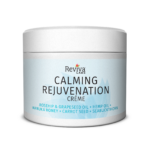
If you prefer a focused step for red, reactive days, a calming moisturizer that leans on barrier lipids and gentle botanicals can be helpful. Reviva’s Calming Rejuvenation Creme fits that profile and layers easily over a hydrating serum, which makes it a practical choice when your face needs a quiet night rather than a new project.
Water transport and aquaporins keep hydration moving
Water does not just sit still in the skin. It moves along gradients and through channels. One channel family, aquaporins, helps shuttle water and glycerol through living layers. When these channels are supported and the gradients are not extreme, your skin feels hydrated without looking puffy or sticky. When the air is desert dry or the barrier springs leaks, water races out and channels cannot keep up, so even generous moisturizers feel like they vanish.
You can ease this imbalance with humectants that hold water near the surface and with lipids that slow its escape. Glycerin is a quiet star here because it partners with aquaporin-3, and it works well in all seasons at modest amounts. Hyaluronic acid helps too, especially when layered under lipids. The pairing is the point. Humectants that pull in water need a friendly seal to hold it. If you only use watery serums in dry air, the gradient can flip and you will feel drier. Add an oil in water cream over top and the whole system steadies.
Climate control helps more than most people expect. A bedroom humidifier in winter, shorter showers, and moving your face farther from vents can hold TEWL in a healthier range. Those tiny shifts make your nightly routine work harder for you without buying anything new.
Weather, altitude, and indoor air nudge water loss up or down
Transepidermal water loss, or TEWL, rises in dry, cold air and falls in warm, humid air. That is why even perfect routines feel different in January and July. Indoors, forced heat dries rooms quickly and keeps TEWL elevated unless you counter it. Airplane cabins and mountain towns exaggerate the effect because humidity is lower, and the pressure changes do not help. If your skin flares on travel days, this is probably part of the story.
There is a calm way to adapt without rewriting your regimen every season. Keep your cleanser and actives steady and adjust the cushion around them. In winter, add a second pea sized layer of your barrier cream at night or swap to a richer texture. In summer, keep the texture lighter but do not abandon lipids entirely. Water leaves fast on hot, windy days too, so a thin lipid layer remains your friend even if your face feels glowy. Culture the habit of applying moisturizer within minutes of bathing, which captures water before it can sprint away.
These boring steps unlock the most relief. People often assume their face needs an exotic fix when the room itself is the problem. Start with air and water, then adjust formulas only if comfort still lags.
Stress, hormones, and sleep loss change barrier behavior
Your skin listens to your brain and your endocrine system. Short sleep, heavy stress, and big swings in hormones can slow barrier recovery and hike TEWL. Cortisol and other stress signals change how quickly keratinocytes rebuild their lipid stacks and how tightly corneodesmosomes hold together. In practice, that looks like skin that flushes more easily, reacts to products that were fine last month, and takes longer to calm down after a long day.
There is no serum that cancels stress, but you can make the barrier’s job easier while life is choppy. Pull back on exfoliation, keep your cleanser gentle, and lean on moisturizers that mimic the skin’s own lipid mix. This is a perfect time to treat your routine like a warm blanket rather than a challenge course. A few weeks of calm is often enough to see comfort return and resilience improve, even if your calendar is still wild.
Sleep itself is an underrated active. The skin uses the night to knit, and it does that knitting better when it is not distracted by irritation. A simple, quiet evening ritual with humectant plus lipids and no fragrances that hang around is the most reliable way I know to make mornings smoother when stress is high.
Aging and life stage shifts are not a verdict
With age, total ceramides often drop, the mix shifts toward shorter species, and NMF can sag as filaggrin dynamics change. Hormonal shifts also alter sebum levels, which changes how the acid mantle behaves. None of this is a verdict against comfortable skin. It simply means your barrier appreciates a bit more material support and a bit less daily provocation.
If you notice makeup sitting on top of texture that did not used to exist, this is likely the story. The fix is not another scrub. It is a steady, boring routine that nudges water in, seals the top, and avoids pH drift. Use humectants that corneocytes love, then seal with a multi lipid cream that lists ceramides, cholesterol, and plant oils. Keep acids modest and retinoids paced, especially in winter. Your barrier will still adapt and deliver; it just needs you to drive gently.
People often fear that richer creams will cause congestion as they age. Texture matters more than labels. Many rich creams spread thin and settle cleanly if they use lightweight oils and the right emulsifiers. Patch testing on the jawline for a few nights helps you find your sweet spot without risking a widespread reaction.
Ingredients and habits that help recalibrate a moody barrier
Some ingredients quietly earn their way into every barrier repair routine. Glycerin and hyaluronic acid pull water into the upper layers and make cells feel springy. Urea and lactic acid at gentle strengths add water and encourage soft, even shedding. Niacinamide helps by nudging the skin to make more ceramides on its own while calming redness through several pathways. Ceramides, cholesterol, and linoleic acid round out the list by rebuilding the sheets between cells where water is most likely to slip away.
Habits matter just as much. Shorten hot showers, use a face cleanser that leaves skin calm rather than squeaky, and apply moisturizer within a few minutes. Space out your exfoliating nights and listen for sting or tightness as early warning signs. Consider the room you sleep in and the air on your commute. Every tiny nudge toward comfort reduces the need for your skin to fight, and the calmer it is, the smarter it becomes at repairing itself.
When you have a flare, think subtraction before addition. Remove potential irritants for a week, lean on humectant plus lipid, and only then add actives back one at a time. This is not exciting, yet it is the blueprint that returns skin to baseline the fastest. Your barrier loves boring.
When to exfoliate and when to pause the buffing
Exfoliation can be useful, but it is often overdone. When you remove the outermost cells you expose fresher ones, and that can look brighter for a day. Do it too often and you expose cells that are not ready to face the air. That creates a loop of tightness, flaking, and stinging that pushes you to exfoliate again because texture looks rough. It is a trap many of us fall into.
Keep exfoliation as a gentle rhythm, not a constant habit. Choose a single leave on exfoliant at a modest strength and give it nights off. Aim for a surface that feels smooth when you run your fingers across it, not a surface that squeaks or blushes. If you are in a cold, dry season, pause the acids for a week and see whether comfort improves with just humectants and lipids. You might discover that what you thought was dullness was really thirst and that adding water plus a seal was enough to bring your glow back.
Retinoids deserve the same respect. They are valuable tools, but they ask for a steadier barrier and a measured ramp. Start two nights a week, moisturize before and after the pea sized dose, and increase slowly. If you hit a patch of sting or flake, pull back and give the barrier a few days of quiet. It will thank you by letting you tolerate your retinoid longer over the coming months.
A simple reset plan that respects every part of the barrier
When skin feels off, I like a three-week reset. For the first week, pare back to a gentle cleanse, a hydrating serum, and a balanced lipid cream, morning and night. Keep water lukewarm, pat dry, and apply within minutes. Limit actives to sunscreen by day and skip exfoliants entirely. In week two, if comfort is good, add a single calm brightener like niacinamide or a small dose of lactic acid once or twice. In week three, reintroduce any treatment you miss, still watching for sting or tightness. The sequence sounds simple because it is, and that is what works.
For people who prefer named examples, try a basic pairing such as Reviva’s Hyaluronic Acid Serum under a soothing lipid cream like the Calming Rejuvenation Creme at night. The serum supports water content, the cream supplies lipids and comfort, and the texture suits a wide range of climates. If you already have favorites that fit the same profile, use them. The principle matters more than the label on the bottle.
Pay attention to how the surface feels in the first minutes after application. Comfort without prickling is your green light. If something stings repeatedly, even a beloved product, set it aside for a few weeks. Your barrier does not hold grudges. When it is calmer, it often welcomes products that felt sharp during a stressed patch.
Questions I hear often when barrier issues show up
People ask whether tightness means their barrier is broken. Tightness is a clue, but not a diagnosis. It usually means water is leaving faster than it should, or that pH drift and enzyme timing are off. The fix is to add water, add a seal, and reduce anything that pushes pH up. If comfort returns within days, your barrier was strained but not broken. If sting and scaling persist for weeks, it is smart to simplify further and consider a chat with a dermatologist.
Another common question is whether oily skin can still have a compromised barrier. Absolutely. Reactive sebum can pool while the lamellar sheets between cells remain thin. That mix looks shiny yet feels tight and stings with actives. The move is the same. Gentle cleansing, a humectant layer, and a balanced lipid cream in a lighter texture. Many people with oily yet sensitive skin do better with two thin layers than one heavy one.
People also wonder if you can fix the barrier while using retinoids or acids. You can, but the pace changes. Use your active less often and stack it between two layers of moisture, humectant first and lipids second. Give the skin more off nights than on nights until comfort stabilizes. Once the barrier is happy, you can let your active reclaim one more night each week.
Finally, people ask how they can tell if their microbiome is part of the problem. You cannot swab your face at home and get a reliable answer, but your skin often tells you through patterns. If small things sting that never did before, if you flush with minimal triggers, and if comfort never lasts, your surface ecology may be out of rhythm. The fix still starts with gentle cleansing, calm moisturizers, and a pause on irritants. That calm lets your original residents recolonize and defend the surface more effectively.
What to remember when your barrier feels fragile
Your barrier is a team effort, not a single wall. Corneocytes act as bricks, lipids fill the gaps, and NMF holds water inside the bricks. Enzymes trim the rivets that release old cells, and the acid mantle sets their pace. Tight junctions offer a second seal beneath the surface, while sebum, sweat, and the microbiome refine the top. Water channels help move hydration through living layers, and climate decides how hard the system must work to keep pace.
Every one of these parts can go off track. The good news is that the fixes are friendly. Shorter showers, a calmer cleanser, a humectant to feed the bricks, and a lipid cream to seal the mortar are the backbone. Keep the pH gently acidic, space out exfoliation, and treat retinoids with respect. If stress or seasons are wild, change your textures rather than your core actives, and give your skin quiet time to knit. The more you see the barrier as a neighborhood, the easier it becomes to protect its residents so they can protect you right back.
Elaine Levins is a vital leader at Reviva Labs, shaping the brand’s 51-year legacy of quality skincare. With a passion for innovation and natural solutions, she ensures the company remains at the forefront of the beauty industry. Elaine collaborates with her team to create science-backed products that address diverse skin concerns while maintaining Reviva Labs' commitment to quality and integrity. Her dedication drives the brand’s mission to deliver effective, natural skincare for healthier, radiant skin.



 Vitamin E Oil E-Stick
1 × $5.00
Vitamin E Oil E-Stick
1 × $5.00 Reviva Labs Catalog 1 × $0.00
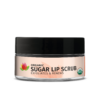 Organic Sugar Lip Scrub
$18.00
Organic Sugar Lip Scrub
$18.00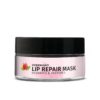 Overnight Lip Repair Mask
$18.00
Overnight Lip Repair Mask
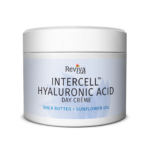
$18.00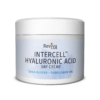 INTERCELL™ Hyaluronic Acid Day Créme
$18.00
INTERCELL™ Hyaluronic Acid Day Créme
$18.00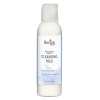 Cleansing Milk
$14.00
Cleansing Milk
$14.00