
Clean Beauty, Ingredients, Skin Care
Why Hormones Make Your Skin Moody (And What You Can Do About It)
Dec
Some days your skin wakes up looking bright and calm, and other days it seems to stage a full-scale revolt. Maybe you see a breakout that wasn’t there the night before, or you feel dry patches showing up out of nowhere. You might even look in the mirror and think, Well, that wasn’t there yesterday. When this happens, it’s tempting to blame products or stress or sleep – and sometimes those things matter – but most of the time, your hormones are calling the shots. They play a bigger role in your skin’s day-to-day shifts than most people realize, and once you learn how they work, the puzzle starts to make a lot more sense.
Hormones affect everything from oil production to hydration to how quickly your skin repairs itself. They influence breakouts, dryness, sensitivity, and even how firm or smooth your skin appears. And because hormone levels never stay still – they rise, fall, spike, level, dip – the skin reacts to that rhythm. The good news is this: once you notice the pattern, you can work with your skin. You can adjust what you use, how you care for your skin, and even what choices you make each day to help your skin stay steady, even when hormones aren’t.
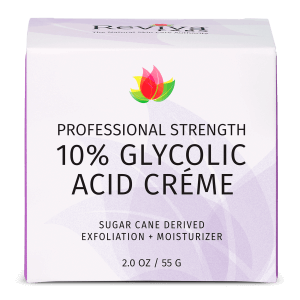
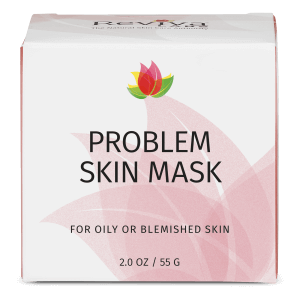
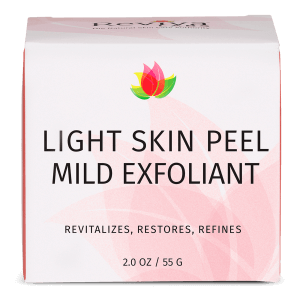
Skincare for blemished skin & hormonal acne
How Hormones Speak to Your Skin
Your skin is always listening to your hormones, even when you’re not. Hormones communicate through receptors in your skin that trigger changes in oil production, water retention, inflammation, and cell renewal. When hormones like androgens rise, your oil glands get the message and start pumping out more sebum. That’s why breakouts are so common during adolescence or any phase of life where androgen activity increases. One study found that sebum production can increase by up to 60% during high-androgen phases of the cycle.
Estrogen, on the other hand, tends to play the opposite role. It supports collagen, hydration, and elasticity. It helps skin stay plump and gives your complexion that smoother, more luminous appearance. When estrogen is at healthy levels, your skin usually feels more balanced, even if you still get the occasional breakout. But when estrogen levels dip – whether during certain parts of your monthly cycle, after pregnancy, or especially during perimenopause or menopause – your skin loses some of that support.
Another player in the hormonal cast is cortisol, the stress hormone. When cortisol increases, your skin often shows more redness, more oiliness, and more sensitivity. One clinical review found that cortisol can slow wound healing by up to 40%, which is one reason breakouts last longer during stressful periods.
And that’s without even getting into progesterone, insulin, and thyroid hormones – all of which influence how your skin behaves. Put simply, hormones are always adjusting, so your skin is always adjusting too.
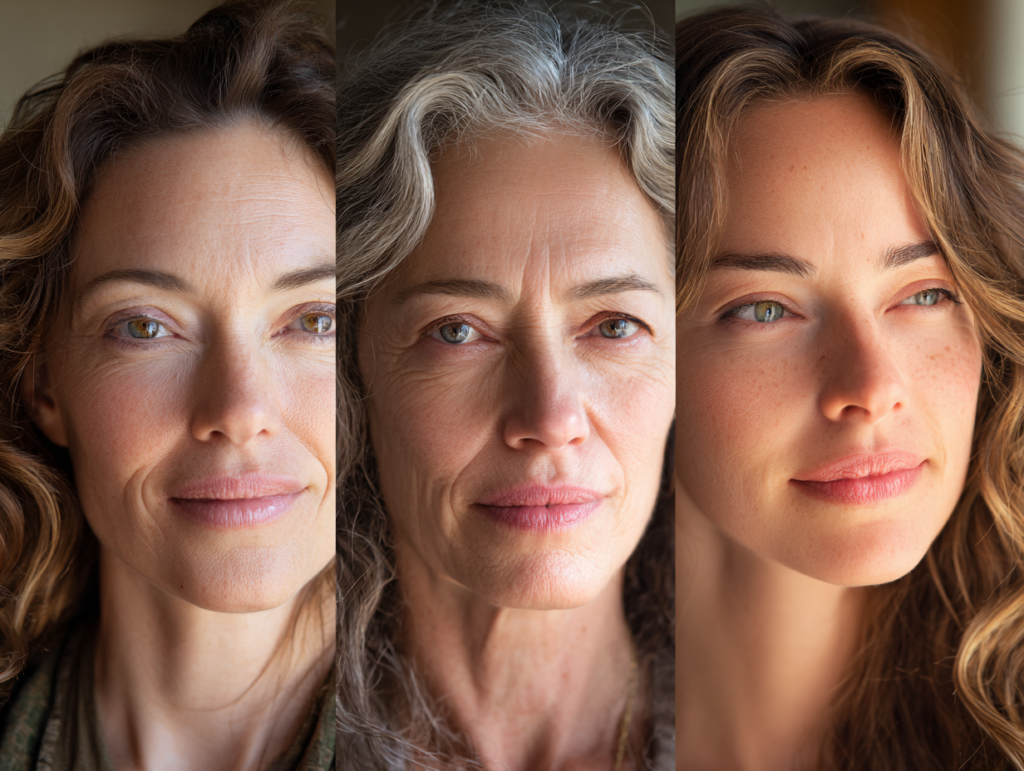
The Phases of Life That Tug Your Skin in Different Directions
Hormones don’t shift in one predictable line. Instead, they change over years, months, and sometimes even hours. That’s why your skin doesn’t always behave the same way from one decade to the next, or even one week to the next.
During adolescence, rising androgens tell your oil glands to work overtime. Many people experience oily skin, clogged pores, and breakouts during this time. But despite what some used to believe, this doesn’t end the moment you reach adulthood. Adult hormonal acne is extremely common, especially for women.
Then there’s the monthly cycle for people who get periods. In the first half of the cycle, estrogen tends to be higher, and skin often looks calmer and more hydrated. But in the week or so before your period, progesterone rises and estrogen dips. Progesterone can cause swelling around the pores, which traps more oil and makes breakouts more likely. If you notice that your skin gets oilier, more sensitive, or more breakout-prone right before your period, this is usually the reason.
Pregnancy is a whole different hormonal ride. For some, higher estrogen levels create that well-known glow. For others, the same hormonal shifts lead to acne, melasma, or unpredictable patches of dryness or redness. Hormones during pregnancy fluctuate rapidly, so your skin may feel like it’s changing from month to month.
And once you reach perimenopause or menopause, estrogen levels decline more noticeably. Skin may feel dryer, less firm, or more delicate. Collagen production decreases, and skin may develop fine lines more quickly. Hydration becomes harder to maintain, and sensitivity becomes more common.
Even outside reproductive hormones, your skin reacts strongly to lifestyle hormones. If stress is higher, cortisol rises. If you’re sleeping poorly, melatonin production changes. If blood sugar spikes frequently, insulin rises and can fuel extra oil production. Hormonal signals overlap constantly – and your skin reacts to all of them.
What These Hormonal Shifts Look Like on the Surface
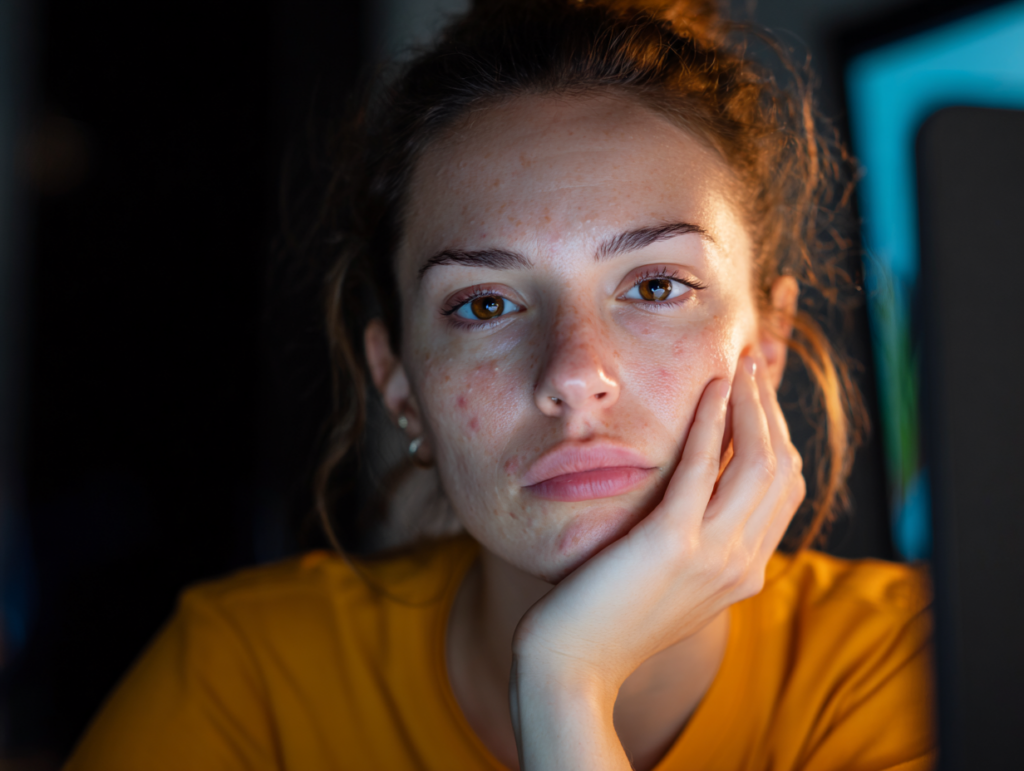
When hormones swing, skin shows it in different ways. Some people get breakouts along the chin or jawline. Some see extra oil around the T-zone. Some feel dryness, flakiness, or tightness where they once felt perfectly balanced. Others experience redness or patches that look irritated, even without switching products.
Hormonal acne often appears as deep, painful bumps beneath the skin. These don’t always come to a head, and they take longer to heal. They’re especially common on the jawline and chin, which is an area that responds strongly to hormone changes.
Dryness linked to lower estrogen often feels different from dryness caused by dehydration or over-cleansing. The skin feels thinner, less cushioned, and slower to bounce back when stretched or pressed. Moisturizer may help, but it might not feel like it lasts long.
Sensitivity, redness, or irritation can flare when hormones affect your skin barrier. When the barrier gets weaker, ingredients you once tolerated may suddenly sting or feel uncomfortable. Even weather changes feel more dramatic when the skin barrier isn’t as strong.
Pigmentation changes, like melasma or dark patches, can appear when hormones increase your skin’s reactivity to sunlight. This is especially common during pregnancy or when certain hormones surge. No matter how your skin reacts, it’s rarely random. When hormones shift, skin always follows.

How to Support Your Skin When Hormones Won’t Sit Still
It helps to take a calm and flexible approach. Skin responds best when it has consistent care paired with small adjustments when hormones bring on changes.
Start with the basics: a gentle cleanser, a moisturizer that truly hydrates without clogging pores, and a broad-spectrum sunscreen you’ll actually wear daily. These three steps matter more during hormonal swings because your skin barrier needs extra support when oil, hydration, or inflammation levels shift.
Cleansers that strip the skin may feel tempting when your face is oily, but they can backfire by irritating the barrier. A mild cleanser keeps things balanced. Use lukewarm water, not hot, because heat can trigger redness and worsen irritation.
Moisturizer is essential, even for oily skin. Lightweight, non-pore-clogging formulas give your skin the hydration it needs to stay stable. Hormones can cause dehydration even when your skin is producing excess oil, so skipping moisturizer can make things worse, not better.
Sunscreen is critical if your skin is prone to hormonal pigmentation or sensitivity. Even short bursts of sun exposure can deepen discoloration during hormonal shifts.
Beyond the basics, think about timing. If you know breakouts tend to appear before your period, you can prepare by using products that help keep pores clear or reduce inflammation. Look for products that use salicylic acid a beta-hydroxy acid that helps skin shed dead skin cells and helps reduce redness and swelling. If dryness always shows up mid-cycle or during menopause, choose richer moisturizers formulated with hydrating ingredients like ceramides, glycerin or shea butter.
For stress-linked changes, lifestyle choices matter. Even small routines – a consistent sleep schedule, a calming activity you enjoy, or small breaks from screens – can reduce cortisol and help your skin behave better. Stress doesn’t need perfection; it responds well to patterns, not extremes.
Nutrition also plays a role. Steady blood sugar helps steady hormones, which in turn helps balance oil production. Meals with protein, fiber, and healthy fats support that balance and keep your skin from reacting so dramatically.
If hormonal acne or other issues become severe or disruptive, a dermatologist or medical provider can help identify what’s happening and whether treatment is needed. Skin that reacts strongly to hormones isn’t something you’re doing wrong – it’s often something your body simply needs help regulating.
Working With Your Skin Through Each Shift
Hormonal changes aren’t going anywhere. They follow you from adolescence through adulthood, through pregnancy or major life events, and through aging. Instead of seeing these shifts as problems, it helps to treat them like messages from your skin.
If your skin needs more hydration, give it more. If it needs calm, give it gentle care. If breakouts appear at predictable times, adjust your routine during those windows. Small shifts, made at the right time, often give you the biggest improvements.
The best approach is a mix of curiosity and consistency. Pay attention to patterns, respond with care, and don’t panic when your skin changes. Your hormones are dynamic – and so is your skin.
Frequently Asked Questions
Why do I break out at the same point every month?
Because progesterone rises and estrogen dips before your period, your pores swell slightly and trap more oil. This creates a perfect setup for breakouts, especially around the chin and jawline.
Can hormonal skin changes happen even if my cycle is regular?
Yes. Regular cycles don’t mean stable hormones. Levels still rise and fall throughout the month, and your skin responds to those shifts.
Why does my skin feel thinner or dryer as I get older?
Lower estrogen levels reduce collagen, elasticity, and hydration. This makes skin feel more delicate and less cushioned.
Can stress hormones really cause breakouts?
They can. Cortisol stimulates oil production, slows healing, and increases inflammation. This combination makes breakouts more likely and more persistent.
How do I know if my breakouts are hormonal?
Hormonal breakouts tend to appear on the chin and jawline, feel deep or tender, and show up cyclically – often around the same time each month.