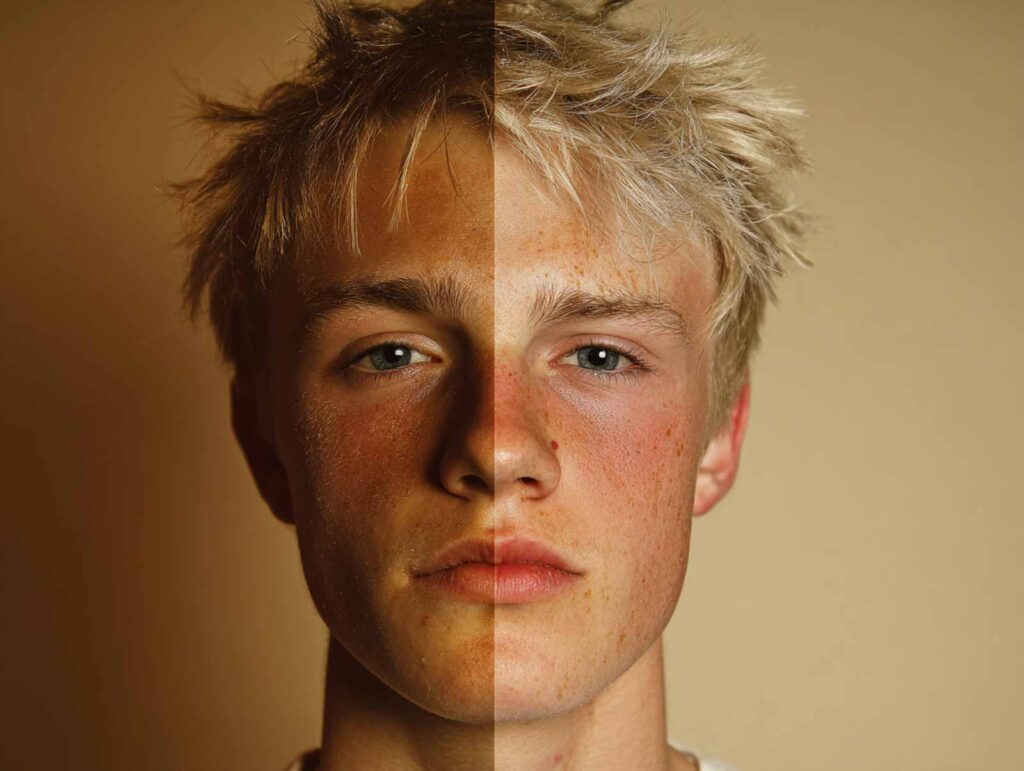
When you are a teenager, the warmth of the sun feels like freedom. The beach, the pool, the park – long afternoons outdoors are filled with friends, laughter, and the golden glow that makes skin look kissed by summer. But what feels harmless in youth carries a quiet cost. Years later, the choices made during those carefree afternoons reveal themselves in lines etched around the eyes, spots scattered across cheeks, and skin that seems older than its age. Sunbathing during teenage years sets the stage for how skin ages, and the story it tells in adulthood is often written in UV rays.
The Skin’s Memory of Youthful Sun
Skin is the body’s largest organ, but it is not forgiving when it comes to ultraviolet (UV) light. UV exposure triggers immediate reactions like tanning or sunburn, yet its most significant effects unfold over decades. Dermatologists often describe skin as having a “memory.” Every hour spent under the sun without protection is logged in that memory, accumulating in invisible damage. By the time someone reaches their 40s or 50s, much of the visible aging – wrinkles, loss of elasticity, rough texture – is not simply due to time. It is due to choices made in youth. Studies show that up to 80 percent of visible skin aging is caused not by chronological age but by exposure to UV radiation throughout life.
Teenage Skin and Its Vulnerabilities
Teenagers often believe their skin is resilient. It heals quickly from pimples or scratches, and a tan seems like a healthy glow rather than damage. Yet this period is uniquely risky. The skin is still developing, and repeated burns or deep tans cause cellular injury that increases the risk of both premature aging and skin cancer later on. Sunburns in adolescence double the risk of developing melanoma in adulthood. The problem is not just burning, either. Even if a teenager tans without visible redness, UV rays still reach the deeper dermis, breaking down collagen and elastin. These structural proteins give skin its firmness and bounce. Once damaged, they do not regenerate fully, and the decline in skin elasticity becomes evident as early as the 30s.
For decades, tanning was promoted as fashionable. Bronze skin was seen as a symbol of health, leisure, and beauty. But the biology tells a different story. A tan is not a shield of wellness – it is skin’s SOS signal. When UV radiation penetrates, it damages DNA in skin cells. In response, melanocytes produce more pigment (melanin) to try to defend against further harm. The darker color is essentially evidence of DNA injury. Over years, that injury builds up mutations, some of which can lead to cancer. Others accumulate as spots, uneven tone, and rough patches. What teenagers often see as beauty is actually a visible sign of underlying harm.
How Sun Damage Shows Up Later
In early adulthood, the effects of teenage sunbathing can be subtle. Skin might tan unevenly, freckles may darken, and hydration may decline. But as decades pass, the signs intensify. Fine lines appear sooner. Pigmentation becomes blotchy. Collagen loss makes cheeks and jawlines less firm. Even pores may appear larger, as UV exposure degrades the support structures around them. Beyond aesthetics, precancerous lesions known as actinic keratoses often arise on areas frequently exposed in youth: the forehead, nose, shoulders, and chest. Many people are surprised that their skin looks older than their peers who avoided tanning or used sunscreen as teens.
Sun and the Science of Aging
Sunlight accelerates aging through several biological pathways. Ultraviolet A (UVA) rays penetrate deeply into the dermis, where they produce free radicals that break down collagen fibers. Ultraviolet B (UVB) rays cause surface burns and DNA mutations. Together, they overwhelm the skin’s natural repair systems. Antioxidants in skin can neutralize some free radicals, but with chronic exposure, defenses weaken. This is why people who spent their teenage summers outdoors without protection often see sagging skin, lines, and age spots by midlife, compared to those who were more careful.
The Emotional Weight of Skin Changes
Beyond science, there is the emotional dimension. Many adults reflect on their youthful sun habits with regret. They wish they had known the long-term cost of tanning oil or skipping sunscreen. Skin changes can affect self-confidence, leading to more makeup use, costly cosmetic treatments, or avoidance of mirrors and photos. Some embrace these signs as natural, but others feel betrayed by choices made when they were simply enjoying summer with friends. The lesson is not to scold the past but to encourage today’s teens to value their future selves.
Why Early Prevention Matters
Prevention is powerful, and it works best when started young. Sunscreen, hats, and shade are not just protective accessories; they are investments in future skin. Dermatologists emphasize that the majority of skin damage occurs before age 20. This makes adolescence the critical window for establishing habits that last a lifetime. Applying a broad-spectrum SPF daily, even when it is cloudy, protects not just against cancer but also against wrinkles, spots, and sagging that otherwise arrive too early. Unlike many health decisions, skin care offers visible proof decades later of whether those habits were followed.
Repairing the Past, Protecting the Future
For those who already spent teenage years sunbathing, not all is lost. Modern skin care can reduce visible signs of damage and support healthier skin going forward. Ingredients such as Vitamin C, niacinamide, and retinol help brighten tone and encourage cell turnover. Antioxidants like CoQ10 and resveratrol strengthen defenses against lingering free radicals. Exfoliating treatments with glycolic acid refine rough texture and fade discoloration. Hyaluronic acid restores moisture that sun exposure often depletes. While no cream can fully erase decades of sun damage, consistent care can dramatically improve appearance and slow further decline.
Supportive Skin Care Options
Skincare companies have developed targeted formulas that address sun-related concerns. Products rich in Vitamin C, such as high-potency serums, brighten uneven tone and support collagen. Antioxidant day creams fortified with CoQ10, niacinamide, and resveratrol provide daily defense against free radicals. For those noticing fine lines or sagging linked to sun damage, formulas with DMAE or peptides can help skin appear firmer and more resilient. Night creams with collagen or elastin provide nourishing hydration when skin repairs itself most actively. Brightening serums that feature ingredients like niacinamide, arbutin, and kojic acid target dark spots caused by years of tanning. These are not replacements for prevention, but they offer meaningful tools for those who want to support their skin after earlier sun exposure.
The Role of Lifestyle in Skin Longevity
Skin is influenced not just by what is applied topically, but also by daily habits. Diets rich in colorful fruits and vegetables provide antioxidants that support repair. Hydration helps skin maintain elasticity. Smoking and excessive alcohol, on the other hand, worsen UV damage and speed visible aging. Regular dermatology checkups are also essential, especially for adults who experienced frequent sunburns as teenagers. Early detection of suspicious moles or lesions can save lives. Caring for skin is both an aesthetic and medical responsibility.
Lessons for Today’s Teens
The central message for teenagers is simple: your skin will thank you tomorrow for the choices you make today. The bronze glow of a tan lasts only weeks, but the consequences last a lifetime. Protecting skin with sunscreen does not mean avoiding fun outdoors. It means enjoying the sun safely, with hats, shade breaks, and protective clothing. It means seeing a clear, youthful complexion not as an endless guarantee but as something worth protecting. Teens may not imagine themselves at 40 or 50, but one day they will look back. Future confidence, health, and comfort depend on present-day choices.
Why Parents and Educators Matter
Parents, schools, and health educators have an important role in shaping sun-smart behavior. Teenagers often resist nagging, but they respond to real stories. Showing images of premature wrinkles or sun damage through UV photography can be more persuasive than lectures. Encouraging sports teams or outdoor clubs to use sunscreen as part of their routine helps normalize protection. Small interventions early can change habits for a lifetime.
A Lifelong Investment
Skin is the one outfit worn every day, for life. It reflects not just health but history. Every tan line, every freckle, every wrinkle tells a story of past choices. Sunbathing as a teenager is a story many people wish they could rewrite. While the past cannot be undone, the present can always be improved. Daily care, protection, and mindful living preserve not just skin’s appearance but also its health. And that is a gift worth giving to yourself at any age.
As a long time natural skin care fan I discovered Reviva Labs many years ago. After buying and using Reviva products for several years, I started contributing to Reviva Labs' blog in 2015.



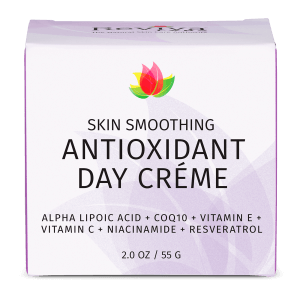 Antioxidant Day Créme
1 × $28.00
Antioxidant Day Créme
1 × $28.00 Reviva Labs Catalog 1 × $0.00
 Nourishing Niacinamide Serum
$24.00
Nourishing Niacinamide Serum
$24.00 Multi-Factor Brightening Créme
$42.00
Multi-Factor Brightening Créme
$42.00 Firming Facial Créme
$28.00
Firming Facial Créme
$28.00 High Potency Vitamin C Serum
$32.00
High Potency Vitamin C Serum
$32.00