
Ingredients, Reviva Labs, Skin Care
Why We Get Stretch Marks

Dec
Some marks make their way onto your skin with almost zero warning. One day everything looks familiar, and the next you notice faint lines that weren’t there before. Stretch marks have a quiet way of appearing during some of life’s biggest transitions, from growth spurts to pregnancy to rapid changes in weight or muscle. They can catch you off guard, and it’s easy to wonder if there’s anything you can do to soften how they look. The short answer is yes, and the longer answer is that your skin is more adaptable than it may seem.
Stretch marks are incredibly common, yet people rarely talk about them until they appear on their own skin. They tend to show up in places where the skin needs to stretch quickly, and even though the marks themselves are harmless, they can feel frustrating or unexpected. What helps is knowing what’s happening beneath the surface and how everyday skincare can help smooth and support the area. This isn’t about chasing perfection. It’s about working with your skin so these lines look calmer and blend more easily with your natural tone.
Skincare Beneficial to Stretch Marks
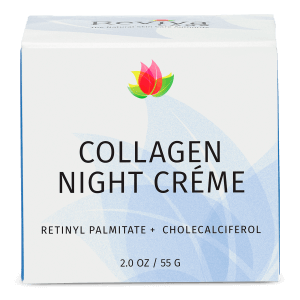
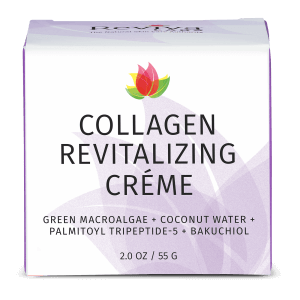
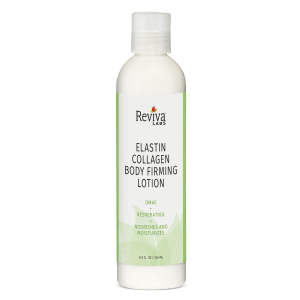
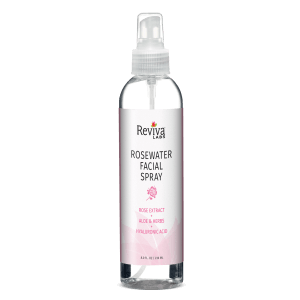
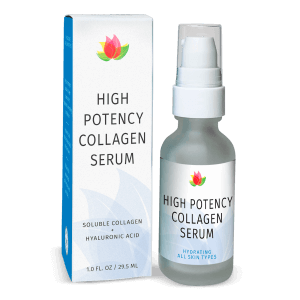
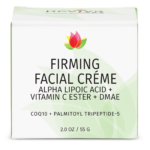
Even if your stretch marks are older or more pronounced, improvement is absolutely possible. Your skin renews itself constantly, and when you support that natural cycle, things begin to shift. These changes won’t happen overnight, but with the right products and steady care, you can coax the skin into looking more even and supple. The more you give your skin what it needs, the more cooperative it becomes.
How Stretch Marks Form Beneath the Surface
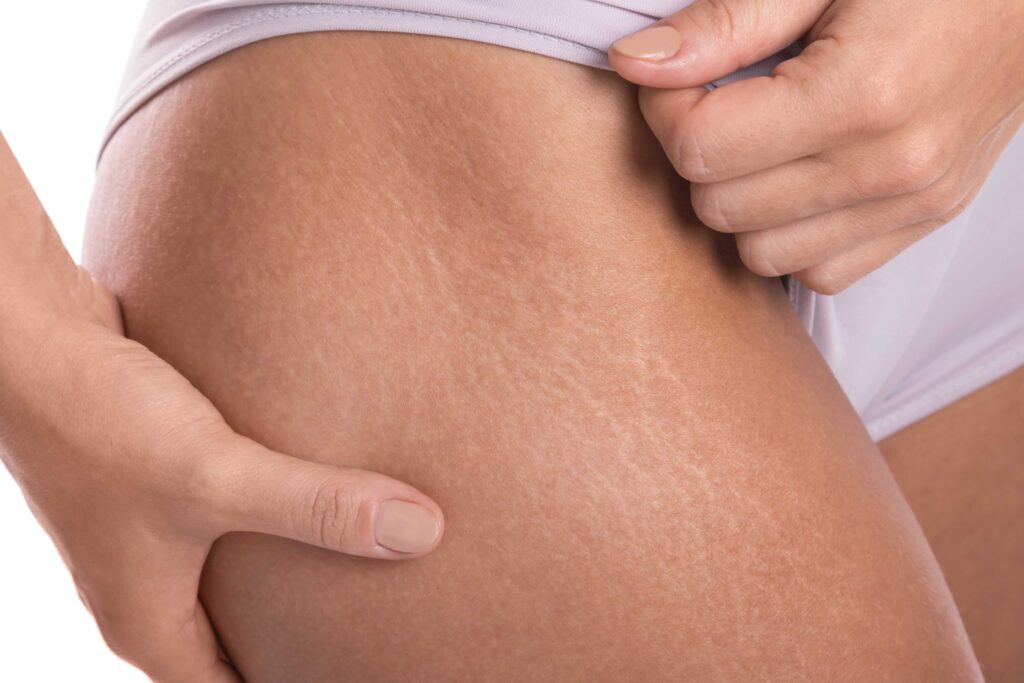
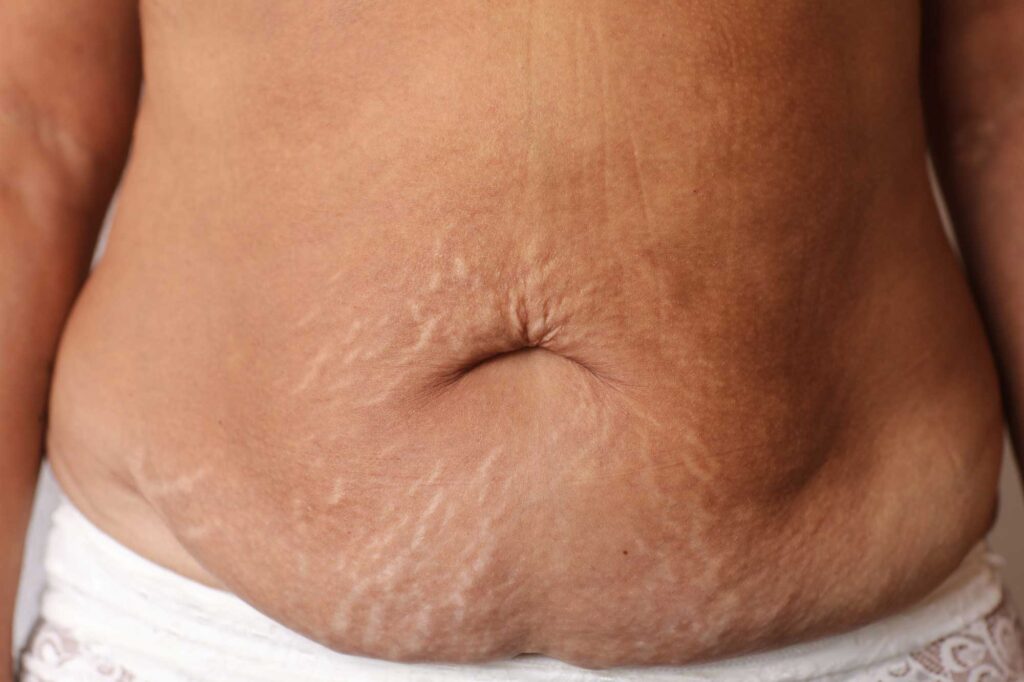
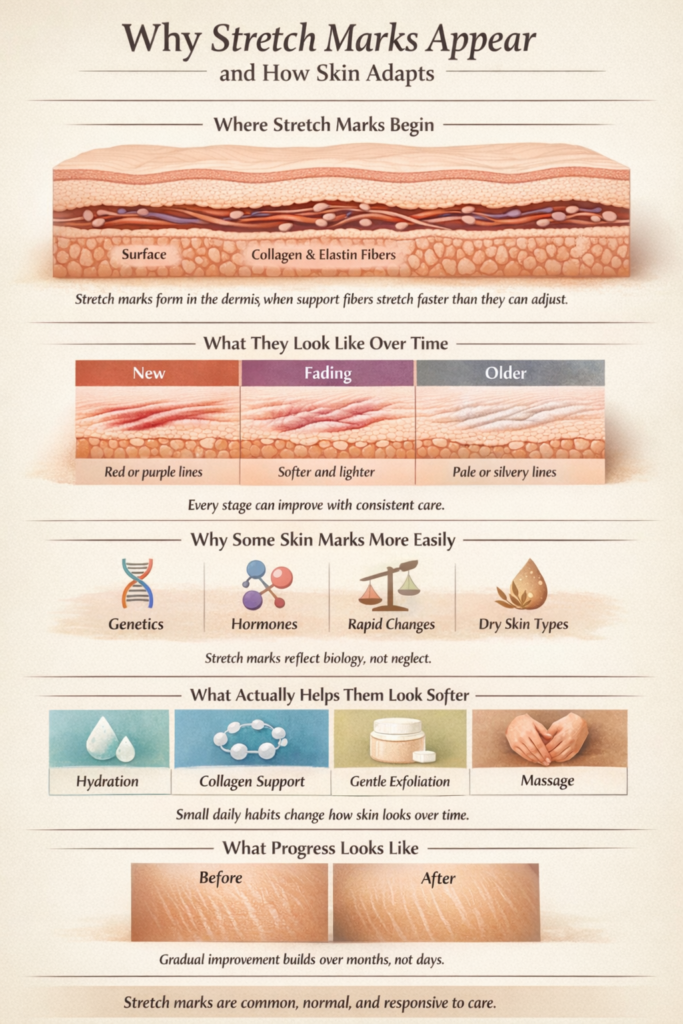
Stretch marks look like streaks that sit just below the top layer of your skin. When they first appear, they may look pink, red, or purple. Over time, they fade into softer tones that blend more easily with your natural color. They form when the deeper layers of the skin stretch faster than they can comfortably adjust, which causes collagen and elastin fibers to pull apart slightly. This isn’t something you can see happening in real time. But once those fibers shift, the skin above them reflects that change.
This is why stretch marks can appear during periods of rapid growth or change. It isn’t that the skin is weak; it simply hasn’t had time to adapt. The National Institutes of Health notes that as many as 90 percent of pregnant people develop stretch marks, which highlights how widespread they are and how normal they are across all skin types.
Fresh stretch marks look the boldest because the tissue is still in motion, and that’s often the stage when people feel the most self-conscious about them. As the deeper layers settle, those early lines soften. Older marks can look pale, silvery, or slightly textured. Even then, there’s often room for improvement in tone, softness, and overall smoothness.
Why Some People Get Stretch Marks More Easily Than Others
Genetics play a big role in whether you develop stretch marks. If your family members have them, you may be more likely to see them as well, even if your skin changes aren’t dramatic. Hormones also influence how easily the deeper layer stretches. For example, cortisol, a stress hormone, can naturally weaken the ability of collagen and elastin to keep up with rapid change.
Weight fluctuations and muscle growth can also contribute. When your body changes quickly, the skin has to stretch whether it’s ready or not. That’s why stretch marks aren’t limited to any one group. Teens can get them during growth spurts. Athletes can get them during periods of intense training. Anyone can get them during life transitions. They don’t indicate poor health or lack of care.
Another interesting factor is skin type. Some naturally dry skin types have a harder time staying flexible, which makes stretch marks feel more noticeable. Oily or combination skin types may still get stretch marks, but their natural moisture can sometimes make the lines appear lighter or softer.
The Role of Collagen and Elastin in Stretch Marks
Collagen gives your skin its firmness, and elastin gives it the ability to stretch and snap back. These fibers live in the deeper dermis, which is where stretch marks begin. When those fibers stretch too quickly, they can’t maintain perfect structure. The result is a change that you eventually see on the surface.
As you age, collagen production naturally slows, which can make stretch marks look more pronounced than they did years earlier. That doesn’t mean they’ve gotten worse; it simply means the surrounding skin has changed. That’s also why topical care makes a difference. Products that support collagen and improve surface texture help stretch marks blend in more easily.
It’s important to remember that you can’t fully reverse the structural change underneath the skin. What you can do is significantly improve how the skin looks and feels. Many people notice major changes in tone, texture, or smoothness with steady care. The marks may never fully vanish, but they become far less noticeable in everyday lighting.
Hydration and Why It Makes Such a Big Difference
Hydration is one of the simplest and most powerful ways to improve the appearance of stretch marks. When the skin lacks moisture, its surface looks rougher and any line or mark becomes easier to see. Dryness exaggerates texture. Well-hydrated skin reflects light more evenly, which gives stretch marks a softer, more diffused look.
Moisture also helps the skin stay flexible. If you’ve ever noticed stretch marks that feel itchy or tight, that sensation is often linked to dryness. Keeping the area moisturized not only helps visually but also feels more comfortable. Hydration supports elasticity, which is essential during rapid body changes.
People often underestimate how quickly the skin loses moisture. Shower temperature, climate, air conditioning, heating systems, and even stress can affect hydration levels. This is why a consistent moisturizing routine matters so much. When your skin stays supple, active ingredients that target stretch marks become even more effective.

Ingredients That Help Stretch Marks Look Softer
Many topical ingredients can help stretch marks look more even by helping to support collagen to improve the skin’s texture. One of the most studied options is the family of Vitamin A derivatives known as retinoids. According to the Mayo Clinic, topical retinoids can help soften the appearance of newer stretch marks by encouraging collagen production and accelerating the renewal of the surface layer of the skin. They are not recommended for use during pregnancy or while nursing, but outside those situations, they can make a big difference when used consistently.
Exfoliating acids such as glycolic acid and lactic acid are also helpful. They loosen dull surface cells and help the skin reveal fresher layers underneath, which gives stretch marks a smoother look. Over time, these acids also help brighten tone irregularities. The key is use apply these ingredients with by applying them gradually rather than trying to push the skin too quickly.
Another helpful category includes ingredients that support barrier health. Fatty acids, plant oils, hyaluronic acid, and ceramide-rich formulas help rebuild moisture and improve elasticity. This added flexibility helps stretch marks feel less rigid and appear more blended with the surrounding skin. When the outer layer is strong and well-nourished, the marks below are less noticeable.
Massage and How It Helps the Skin Respond
Massage is a surprisingly effective addition to stretch mark care, and it doesn’t require special tools or complicated techniques. When you massage the area with a moisturizer or serum, you encourage blood flow, which can support natural skin renewal. The gentle pressure also helps the product absorb more evenly and encourages flexibility in the surrounding tissue.
Massage can be especially helpful when stretch marks feel slightly raised or tight. The movement softens the area, and over time, the marks feel smoother under your fingertips. This sensory change often happens before the visual one, but both are signs of progress. A few minutes each day is enough to make a difference, especially when paired with hydrating ingredients.
People sometimes underestimate the effect of simple touch on skin health. Stretch marks may form beneath the surface, but the surrounding skin responds well to warmth, movement, and gentle repetitiveness. Daily massage becomes a small ritual that supports every other product in your routine.
Routine Matters More Than Intensity
One of the most important parts of caring for stretch marks is staying consistent. Strong, harsh products can irritate the skin and stall progress. Stretch mark care is about working with the skin’s natural pace, not rushing it. The most meaningful improvements come from steady, repeated care over weeks and months.
Making skin progress is similar to improving strength or flexibility. You wouldn’t expect dramatic results from one workout, but regular repetition shifts things gradually. The same applies here. You want your skin to stay calm, comfortable, and receptive to the ingredients you’re applying. Irritation slows everything down.
Many people notice early improvements in tone or texture before they notice visual changes in the marks themselves. These small shifts matter because they show the skin is responding. The key is to continue, even when progress feels subtle. With time, the surface looks smoother and the marks look more blended.
What Progress Typically Looks Like
One of the biggest challenges with stretch marks is that improvement happens slowly. The skin renews itself layer by layer, and each cycle builds on the one before. Many people expect a sudden shift, but most see gradual blending, softening, or brightening instead. The marks begin to look less harsh in natural lighting. The texture feels smoother when you apply lotion. The tone begins to match the surrounding skin more closely.
Newer stretch marks often respond more quickly because the collagen and elastin fibers are still shifting. Older marks may take longer, but they still improve with consistent care. The main goal is to help the lines fade into the background so they no longer draw attention.
Not every stretch mark will fade in the same way, and that’s normal. Some lighten dramatically and blend in almost completely. Others remain visible but look softer and smoother. The most common outcome is a meaningful improvement in appearance, even if the marks never disappear entirely.
Frequently Asked Questions
- Do stretch marks ever fade completely?
Most stretch marks lighten significantly, but many do not vanish entirely. They can become far less noticeable with steady topical care. - Are newer stretch marks easier to fade?
Yes. Newer stretch marks respond more quickly because the collagen and elastin fibers are still transitioning. - How long does it take to see results?
Early softening can appear within six to twelve weeks, but more noticeable changes often take several months. - Does moisturizing alone help stretch marks?
Moisturizing helps the area look smoother and feel more flexible, which improves the overall appearance of stretch marks. - Can massage make a difference?
Daily massage helps boost circulation and improves the way products absorb, which supports gradual softening.