Every so often, a skincare ingredient rises into the spotlight and captures the attention of dermatologists, researchers, and consumers alike. Retinol has long held that role. For decades, it has been considered the gold standard for addressing wrinkles, texture changes, and uneven tone. More recently, bakuchiol has emerged as a natural counterpart – praised for offering similar benefits but with fewer side effects. The debate has often been framed as an either-or decision: retinol versus bakuchiol. But new evidence, and the practical experiences of many, suggest that the smartest approach is not choosing between them but using both.
When paired correctly, bakuchiol and retinol can complement one another, creating a synergy that addresses the limitations of each ingredient while maximizing the skin-transforming results. For anyone serious about long-term skin health, this duo deserves careful attention.
Retinol, a form of vitamin A, has been one of the most studied skincare ingredients in history. Its ability to accelerate cellular turnover and increase collagen production makes it uniquely suited to reduce the appearance of fine lines, improve firmness, and even lighten dark spots. A well-formulated retinol can restore radiance in ways that few other ingredients match.
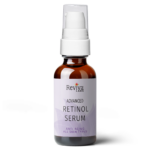
But as effective as it is, retinol is not without its challenges. Sensitivity, redness, dryness, and peeling are common during the early stages of use. Even seasoned users sometimes need to take breaks when irritation flares. Additionally, retinol can degrade when exposed to light or air, which makes formulation stability critical. While high-quality serums – like Reviva Labs’ Advanced Retinol Serum – are crafted to minimize these concerns, some skin types still find retinol difficult to tolerate daily.
Bakuchiol as the Gentle Alternative
Bakuchiol, a compound extracted from the seeds and leaves of the Psoralea corylifolia plant, entered the skincare scene with great promise. Studies showed that bakuchiol appeared to mimic retinol’s action on gene expression, stimulating collagen production and reducing wrinkles, but without triggering the harsh side effects. For those with sensitive skin or conditions like rosacea, bakuchiol became an appealing natural option.
In practice, bakuchiol shines not only as a gentler anti-aging agent but also as an antioxidant and anti-inflammatory ingredient. It helps defend the skin from oxidative stress, promotes elasticity, and supports barrier health. Reviva’s Bakuchiol Plus Serum blends bakuchiol with supportive botanicals like alfalfa and artichoke to extend its benefits, delivering smoother texture and improved radiance without the irritation often linked to vitamin A derivatives.
Why Use Both Instead of Choosing One
The question is not whether bakuchiol can replace retinol, but whether it should. Science increasingly suggests the answer is no. Instead, pairing the two creates a complementary system. Retinol continues to set the pace for cell renewal and collagen synthesis. Bakuchiol, meanwhile, reinforces those processes while tempering irritation and providing antioxidant support.
A study published in the British Journal of Dermatology found that bakuchiol not only produced retinol-like improvements in wrinkles and pigmentation but also helped reduce the irritation commonly associated with retinol. That makes bakuchiol the perfect companion – buffering skin against retinol’s drawbacks while still enhancing its benefits.
By combining them, you essentially get retinol’s proven power with bakuchiol’s calming and protective influence. Skin not only tolerates retinol better but can also achieve greater cumulative results over time.
How They Work Together in the Skin
When used strategically, bakuchiol and retinol impact skin at multiple levels. Retinol penetrates into the epidermis, converting into retinoic acid, which binds to receptors that regulate cell turnover and collagen formation. Bakuchiol influences many of the same pathways, but also works more broadly as an antioxidant, limiting the impact of free radicals that accelerate aging.
The result is a layered defense. Retinol drives renewal from within, while bakuchiol reinforces the skin barrier and reduces inflammatory triggers on the surface. For those who have abandoned retinol due to sensitivity, introducing bakuchiol alongside it may allow a return to retinol with less discomfort.
Practical Ways to Use Them Together
One common strategy is alternating – using retinol on some nights and bakuchiol on others. This ensures consistent stimulation of renewal pathways while giving skin recovery time. Another method is layering, where bakuchiol is applied in the morning and retinol at night. Because bakuchiol is photostable, it can be safely used during the day, unlike retinol, which is reserved for evening routines.
Some advanced formulations combine both in a single product, though for most, it is still more common to use them separately. For instance, a nightly application of Reviva’s Advanced Retinol Serum could be paired with Bakuchiol Plus Serum on alternate nights or even layered together depending on tolerance.
Addressing Common Questions
People often ask if bakuchiol cancels out retinol when used together. Research shows the opposite: the two can work in harmony. Another concern is whether the skin becomes overloaded by too many actives. Here, balance is key. The idea is not to overwhelm skin with high concentrations but to use moderate, well-formulated products consistently.
A further question arises: is bakuchiol strong enough on its own? For some, especially those under 30, bakuchiol may provide sufficient protection and prevention. But for aging or sun-damaged skin, retinol remains unmatched. The beauty of pairing the two is that it removes the need to choose – offering gentleness and strength in a single regimen.
The Long-Term Benefits
When used together over months and years, bakuchiol and retinol not only smooth wrinkles and brighten tone but also improve resilience. Skin becomes better able to withstand environmental stressors and maintain elasticity. Consistency matters more than intensity; gentle, ongoing stimulation of skin’s renewal processes pays dividends far greater than periodic bursts of aggressive treatment.
Building a Routine Around Them
To use this duo effectively, think of the rest of your skincare as a supportive framework. Hydrators like hyaluronic acid serums, antioxidants such as vitamin C, and barrier-repairing creams with ceramides or omegas all help maximize the impact of bakuchiol and retinol. The goal is balance – providing stimulation without stripping, protection without heaviness, and nourishment without clogging pores.
For those unsure how to start, alternating nights of retinol and bakuchiol is often the easiest entry point. Over time, as skin adjusts, you may experiment with layering or daily use of both, depending on comfort and tolerance.
Why This Matters More Than Ever
With longer lifespans, increased exposure to environmental pollutants, and greater awareness of skin health, the demand for effective yet sustainable skincare is higher than ever. Relying on a single ingredient to “fix” everything is no longer realistic. Instead, thoughtful combinations – like bakuchiol and retinol – represent the future of smart skincare.
Both are proven, both are powerful, and together they provide a balanced path to youthful, resilient, and radiant skin. For anyone seeking to maximize results while minimizing risks, there is little reason to view them as competitors. The real advantage comes from embracing them as allies.
Bill Levins, a marketing professional since the early 1990s, collaborated with clients like Campbell’s Soup and PWC. In 2004, he began working with Reviva Labs, becoming VP of Marketing in January 2018 and President in June 2018. He led the company through challenges, including the founders' deaths and the COVID-19 pandemic. In June 2024, after Reviva Labs' acquisition by Sendayco LLC, Bill became VP of Marketing for Sendayco, overseeing multiple brands.


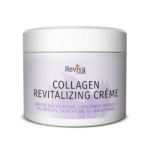 Collagen Revitalizing Créme
1 × $38.50
Collagen Revitalizing Créme
1 × $38.50 Reviva Labs Catalog 1 × $0.00
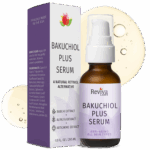 Bakuchiol Plus Serum
1 × $24.00
Bakuchiol Plus Serum
1 × $24.00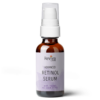 Advanced Retinol Serum
Original price was: $32.00.$24.00Current price is: $24.00.
Advanced Retinol Serum
Original price was: $32.00.$24.00Current price is: $24.00.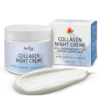 Collagen Night Créme
$20.00
Collagen Night Créme
$20.00 Multi-Peptide Complex
$53.90
Multi-Peptide Complex
$53.90 Antioxidant Day Créme
$28.00
Antioxidant Day Créme
$28.00 Firming Eye Serum
$22.00
Firming Eye Serum
$22.00