The first fine line often comes as a surprise. One day you catch your reflection in a bathroom mirror or a candid photo and realize something subtle has shifted. Skin that once seemed invincible now shows early hints of fine creases around the eyes or faint changes in tone and texture. For many, this moment arrives in the mid to late twenties. While the twenties are often thought of as the prime of youth, it is also when the first visible signs of aging begin to surface.
Scientists and dermatologists agree that these early changes are not a coincidence. They result from a complex interplay of biology, environment, and daily habits that slowly accumulate under the surface until the skin begins to reveal the story.
Collagen Production Peaks and Declines
Collagen is the main structural protein that keeps skin firm, elastic, and resilient. It functions like scaffolding, providing strength and bounce. Unfortunately, collagen production begins to slow in the mid-twenties. Research shows that after about age 25, the body produces roughly one percent less collagen per year. Though that number seems small, the effect compounds. By the time someone reaches their early thirties, the structural decline is enough for subtle lines, slight sagging, or textural changes to appear.
This reduction in collagen is not uniform across everyone. Genetics play a key role, but lifestyle factors such as sun exposure, stress, diet, and smoking can accelerate the breakdown. Ultraviolet light, in particular, activates enzymes called matrix metalloproteinases, which degrade collagen fibers. The earlier and longer one is exposed, the sooner visible aging appears.
Elastin and Hyaluronic Acid Lose Strength
Collagen isn’t the only player in youthful skin. Elastin gives skin its snapback ability, while hyaluronic acid acts like a natural sponge, pulling water into skin cells to maintain plumpness. Both decline in the twenties. Elastin fibers, once flexible, gradually stiffen. Hyaluronic acid reserves diminish, reducing hydration levels. Together, these losses create the first textural shifts that make makeup settle differently or cause under-eye concealer to crease more than before.
Lifestyle and Stress Begin to Leave Marks
The twenties are often packed with major life transitions – college, career building, new relationships, and often less-than-perfect sleep. Stress hormones like cortisol contribute to inflammation, which impairs the skin’s barrier and accelerates cellular damage. Late nights and irregular sleep patterns reduce the natural repair that occurs overnight. Alcohol, common in social settings, dehydrates skin and creates free radicals. Even dietary choices, such as high sugar intake, trigger glycation – a process that stiffens collagen and makes skin less supple.
At first, these lifestyle habits don’t leave permanent marks. But by the late twenties, the cumulative effect becomes harder to ignore. The skin no longer bounces back quite as quickly from lack of sleep or overexposure to the sun.
Sun Exposure Shows Its Work
By the time you reach your late twenties, most people already have a decade or more of sun exposure behind them. Even with sunscreen use, small amounts of ultraviolet damage add up over the years. Dermatologists often point out that sun exposure is responsible for up to 80 percent of visible skin aging. That “healthy glow” from tanning in high school or early college often resurfaces later as freckles, sunspots, and uneven pigmentation.
It’s around this time that many notice a faint dark spot that lingers longer than expected, or a patch of uneven tone that wasn’t there before. These pigmentation changes are some of the earliest visible markers of aging and often appear sooner than wrinkles.
The First Expression Lines Settle In
Facial expressions – smiling, frowning, squinting – create temporary creases in skin. In youth, elastin and collagen restore the surface instantly. But in the late twenties, with slightly weaker collagen networks, some of these lines remain faintly even when the face is at rest. The corners of the eyes, where skin is thinnest, often reveal these changes first.
Pollution and Environmental Damage Accelerate the Timeline
Urban living adds another layer of pressure. Airborne pollutants increase oxidative stress in skin cells, leading to DNA damage and inflammation. This accelerates collagen breakdown and pigmentation issues. Even blue light from constant screen exposure has been suggested to play a role in skin fatigue, though the science is still developing.
Why Mid to Late Twenties, Not Sooner?
You might wonder why these changes typically appear in the mid to late twenties rather than earlier. The answer lies in resilience. During adolescence and early adulthood, skin renewal is rapid. Collagen production is still robust, and repair mechanisms operate efficiently. By about age 25, the balance tips. Skin still regenerates, but just slightly less effectively. That small slowdown is enough for the accumulation of prior years of damage to finally become visible.
Early Interventions Matter
The good news is that the mid to late twenties are an ideal time to start preventive skincare. At this stage, most people aren’t battling deep wrinkles or significant sagging. Instead, the focus can be on strengthening the skin barrier, protecting collagen, and replenishing hydration.
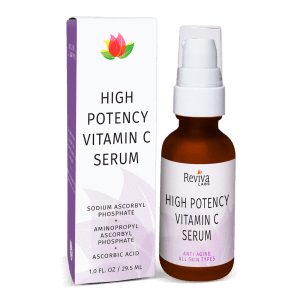
Daily sunscreen remains the single most effective preventive measure. Broad spectrum SPF protects against both UVA rays, which cause long-term aging, and UVB rays, which cause burns. Adding antioxidants like vitamin C serums helps neutralize free radicals from pollution and UV exposure. Reviva’s Vitamin C Serum, which combines multiple stable forms of vitamin C with hyaluronic acid, is one option designed to defend against oxidative stress while supporting collagen production.
Exfoliation is another effective tool. By the mid-twenties, cell turnover slows slightly, so gentle exfoliants like glycolic acid can help remove dead skin cells and encourage renewal. Reviva’s 10% Glycolic Acid Crème, for instance, provides controlled exfoliation while nourishing with vitamins and botanical extracts.
Hyaluronic acid serums and lightweight moisturizers play a growing role. When natural hyaluronic acid levels begin to dip, topical applications can compensate. Products like Reviva’s Hyaluronic Acid Serum help replenish hydration and plump skin, reducing the appearance of early fine lines.
Even those with oily or combination skin benefit from hydration, as dehydration can ironically trigger excess oil production. By maintaining moisture balance, skin stays resilient against environmental stressors.
Sleep and Stress Management Show on Skin
It’s often underestimated, but sleep remains one of the most powerful anti-aging tools. During deep sleep, growth hormone peaks, fueling tissue repair. Consistently missing this window shows up on skin as dullness, puffiness, or lingering irritation. Stress management techniques such as meditation, exercise, and balanced nutrition aren’t just about mental health – they reduce the hormonal cascade that accelerates skin aging.
Why Some Notice It Sooner
Although most notice these changes in their mid to late twenties, some see them earlier. Genetics, skin type, and lifestyle are decisive factors. People with fair skin often see pigmentation changes and fine lines sooner because lighter skin contains less protective melanin. Those who spent significant time in the sun without SPF in their teens often see early aging signs even before 25. Conversely, individuals with melanin-rich skin or rigorous sun protection habits may not notice visible signs until their thirties.
Setting the Foundation for Future Skin Health
Skin aging is inevitable, but its pace can be influenced. Beginning preventive measures in the late twenties can extend skin’s youthful appearance well into later decades. Simple steps like using sunscreen, adopting antioxidant serums, exfoliating wisely, and staying hydrated form a strong foundation.
Many dermatologists emphasize that anti-aging skincare doesn’t need to be complex. Instead, consistency and protection are key. Those who begin with prevention in their twenties often need fewer corrective treatments later.
Psychological Impact of Early Aging Signs
It’s also worth noting the emotional aspect. The twenties are a period of self-discovery and confidence building. The sudden appearance of a fine line or early pigmentation spot can feel jarring. While these changes are normal, they often spark interest in skincare routines that once seemed unnecessary. This psychological shift can be positive when it leads to healthier routines but can also create pressure to pursue extreme treatments prematurely. Balanced education is crucial.
Technology and Treatments
For those concerned with prevention, there are also in-office treatments. Dermatologists often recommend preventive chemical peels, microneedling, or light laser treatments in the late twenties to stimulate collagen. However, topical skincare remains the first line of defense, particularly when cost and accessibility are considered.
Looking Ahead
The mid to late twenties represent a turning point in skin’s story. What you notice on the surface – early lines, faint spots, subtle textural shifts – is the reflection of changes in collagen, elastin, hydration, and accumulated environmental exposure. While aging cannot be stopped, the pace at which it becomes visible is very much within influence.
By adopting preventive habits and simple but effective skincare during this stage, you are not only addressing the first signs but also shaping how your skin will look and feel in your thirties, forties, and beyond.
As a long time natural skin care fan I discovered Reviva Labs many years ago. After buying and using Reviva products for several years, I started contributing to Reviva Labs' blog in 2015.



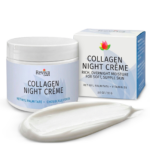 Collagen Night Créme
1 × $20.00
Collagen Night Créme
1 × $20.00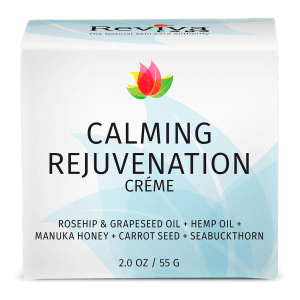 Calming Rejuvenation Creme
1 × $42.00
Calming Rejuvenation Creme
1 × $42.00 Bakuchiol Plus Serum
1 × $24.00
Bakuchiol Plus Serum
1 × $24.00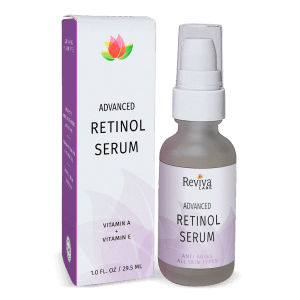 Advanced Retinol Serum
2 × $24.00
Advanced Retinol Serum
2 × $24.00 Eye Gelee Concentrate
 Facial Firming Serum (5% DMAE Concentrate)
1 × $24.00
Facial Firming Serum (5% DMAE Concentrate)
1 × $24.00 INTERCELL™ Hyaluronic Acid Night Gel
1 × $15.30
INTERCELL™ Hyaluronic Acid Night Gel
1 × $15.30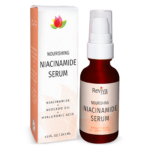 Nourishing Niacinamide Serum
1 × $24.00
Nourishing Niacinamide Serum
1 × $24.00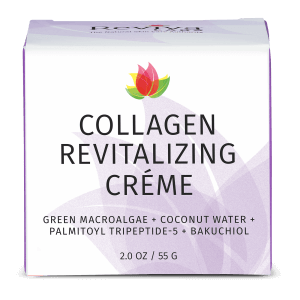 Collagen Revitalizing Créme
1 × $38.50
Collagen Revitalizing Créme
1 × $38.50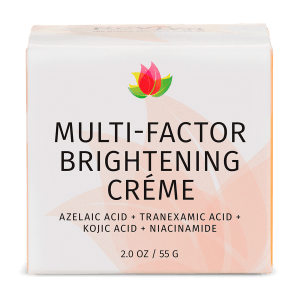 Multi-Factor Brightening Créme
1 × $42.00
Multi-Factor Brightening Créme
1 × $42.00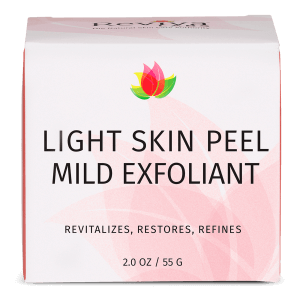 Light Skin Peel Mild Exfoliant
1 × $26.00
Light Skin Peel Mild Exfoliant
1 × $26.00 Nasolabial Fold+ Multi-Peptide Complex
1 × $53.90
Nasolabial Fold+ Multi-Peptide Complex
1 × $53.90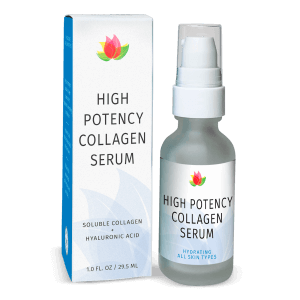 High Potency Collagen Serum
1 × $28.00
High Potency Collagen Serum
1 × $28.00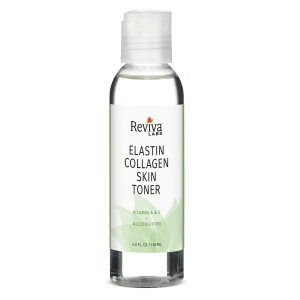 Elastin Collagen Skin Toner with Vitamin A & E
1 × $14.00
Elastin Collagen Skin Toner with Vitamin A & E
1 × $14.00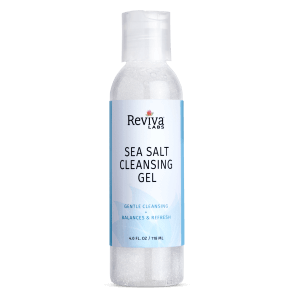 Sea Salt Cleansing Gel
2 × $18.00
Sea Salt Cleansing Gel
2 × $18.00 Firming Facial Créme with Alpha Lipoic Acid + Vitamin C Ester + DMAE
1 × $28.00
Firming Facial Créme with Alpha Lipoic Acid + Vitamin C Ester + DMAE
1 × $28.00 Calming Renewal Serum
$32.00
Calming Renewal Serum
$32.00 Collagen Fibre Eye Pads with Myoxinol
$30.00
Collagen Fibre Eye Pads with Myoxinol
$30.00 BLACK Hypoallergenic Mascara
$14.00
BLACK Hypoallergenic Mascara
$14.00 Kojic Acid Brightening Créme
$24.00
Kojic Acid Brightening Créme
$24.00 INTERCELL™ Hyaluronic Acid Day Créme
$18.00
INTERCELL™ Hyaluronic Acid Day Créme
$18.00