
-
×
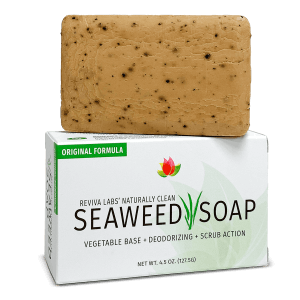 Seaweed Soap (Original Formula)
1 × $9.00
Seaweed Soap (Original Formula)
1 × $9.00 -
 Reviva Labs Catalog 1 × $0.00
Reviva Labs, Skin Care
Why Your Skin Gets So Dry During Fall and Leading into Winter

09
Oct
Oct
The moment the air turns crisp, and the leaves start to tumble, our skin begins to signal distress. The tightness after washing your face, the flaking around your nose or cheeks, the way your hands feel rough no matter how much lotion you apply – these aren’t coincidences. They’re the unmistakable signs that your skin’s delicate balance is being disrupted by the change in seasons. As autumn settles in and winter approaches, dryness becomes the number one skin complaint for millions of people. But why does this happen, and what can we do to stop it?
Reviva Labs' Autumn Skin Reset

Sale!
The Shift in Air and Humidity
When fall arrives, the air loses much of its moisture. Humidity levels drop both outdoors and indoors, especially once the heating systems kick on. That drop is the first and most significant factor in seasonal dryness. Skin naturally maintains a thin layer of water and lipids to stay supple, but low humidity robs the air of the moisture your skin depends on. According to the American Academy of Dermatology, the average indoor humidity level in heated homes can fall below 30% in winter – less than half what the skin needs to maintain ideal hydration. The result is faster water loss through the skin’s surface, known as transepidermal water loss (TEWL).
Even oily or combination skin types can feel this change. The skin may overproduce sebum to compensate for lost hydration, which explains why some people find their skin both flaky and greasy during fall. This imbalance isn’t just uncomfortable – it can accelerate aging and weaken the skin’s natural defenses.
The Role of Temperature and Wind
Cooler temperatures might feel refreshing, but they’re also drying. Cold air holds less moisture, and wind exposure amplifies the problem by stripping away surface oils. Those oils, produced by the sebaceous glands, are part of your body’s built-in defense system. They keep the barrier intact, helping trap moisture inside. When the wind removes that layer, the skin barrier becomes compromised. Microscopic cracks can form, allowing even more water to evaporate and irritants to penetrate. That’s why so many people experience redness, sensitivity, and itching in the fall months.
For individuals who already suffer from conditions like eczema or rosacea, this environmental stress can trigger flare-ups. The same goes for lips – thin skin and minimal oil glands make them particularly vulnerable, which is why Reviva’s Vitamin E Stick, enriched with shea butter, mango butter, and beeswax, can become a seasonal essential for keeping lips protected and hydrated.
Heat Indoors, Dehydration Indoors
Ironically, the cozy comfort of central heating is another culprit. Forced-air systems and space heaters strip indoor environments of what little humidity remains. Over time, this dry air leeches moisture directly from your skin. The longer you spend indoors, the more pronounced the dryness becomes. If you notice that your skin feels tight at home but better when you’re outside in milder weather, your heating system is probably to blame.
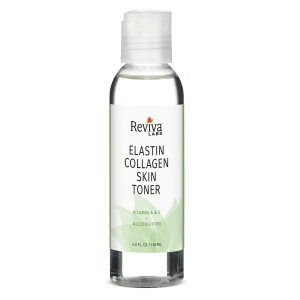
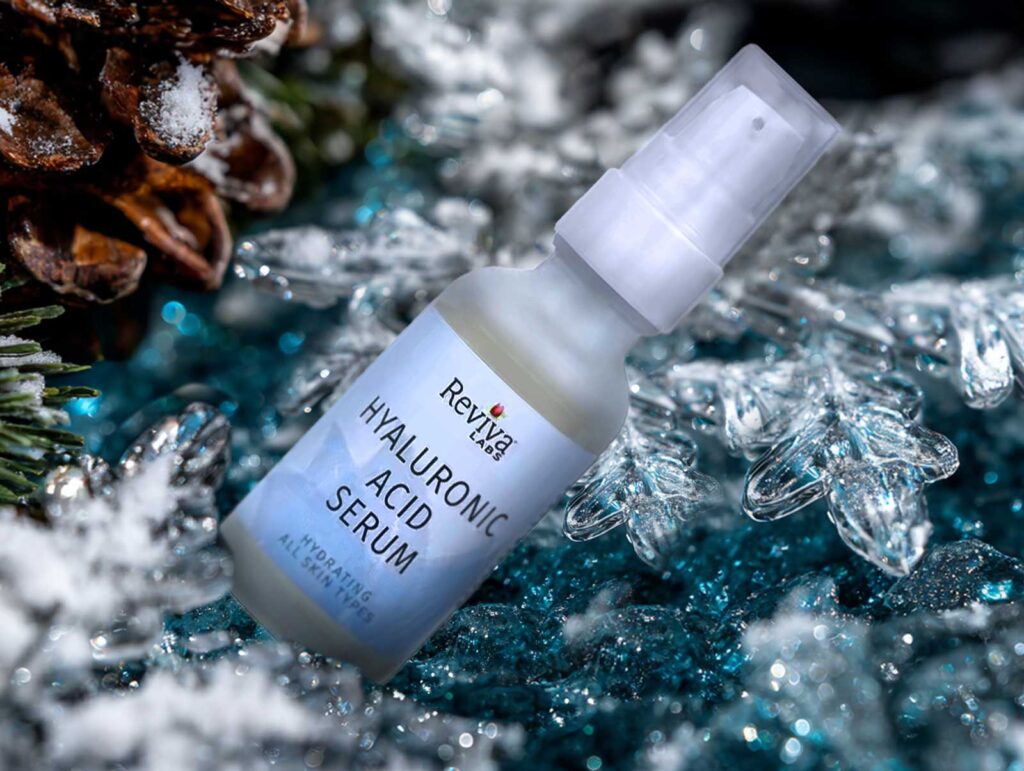
Adding a humidifier can help, but topical hydration remains crucial. Ingredients like hyaluronic acid, glycerin, and aloe vera – featured prominently in Reviva’s Hyaluronic Acid Serum and Elastin Collagen Toner – act as humectants, drawing moisture into the skin and helping to restore that vital cushion of hydration.
Why Your Skin Barrier Weakens in the Cold
The outermost layer of skin, the stratum corneum, functions like a wall made of cells and lipids. During the summer, it’s flexible and well-lubricated. As temperatures drop, the lipids within this layer – ceramides, cholesterol, and fatty acids – begin to degrade. Cold weather slows down your skin’s natural oil production, and less oil means less protection. Without that lipid barrier, moisture escapes more easily, and irritants enter more readily. This explains why skin that once felt balanced in summer can suddenly feel inflamed and reactive by late October.
If you’ve ever felt that no amount of moisturizer seems to “stick” in the colder months, it’s because your barrier is struggling. Products rich in emollients and fatty acids – such as olive fruit oil, shea butter, and squalane, found in Reviva’s Alpha Lipoic Acid Vitamin C Ester DMAE Crème – can help fill those gaps, replenishing what’s lost and restoring the skin’s resiliency.
Hot Showers and Harsh Cleansers
When the weather turns cold, long, hot showers feel irresistible. Unfortunately, they’re one of the worst things you can do for already compromised skin. Hot water strips the skin’s natural oils faster than warm water does. It also increases TEWL immediately after bathing. To make matters worse, many bar soaps contain alkaline ingredients that further disrupt the skin’s acid mantle – the thin protective film that keeps bacteria at bay and maintains pH balance.
That’s where your cleanser choice becomes critical. Creamy, hydrating cleansers like Reviva’s Cleansing Milk, formulated with apricot kernel oil, aloe, and sunflower seed oil, cleanse without stripping. Unlike soap-based cleansers that leave skin squeaky (and therefore dry), a good cleansing milk maintains the skin’s lipid integrity while removing impurities. Following cleansing with a toner that restores hydration – like the Elastin Collagen Toner – helps rebalance pH and prepare the skin for moisturizers or serums.
Seasonal Exfoliation Mistakes
As fall begins, many people try to “refresh” their skin with strong scrubs or exfoliating acids. While exfoliation helps remove buildup and dullness, overdoing it when your skin barrier is already stressed can lead to irritation, flaking, and redness. The goal is to encourage healthy turnover without disrupting the barrier further. Gentle exfoliants like Reviva’s Light Skin Peel Mild Exfoliant or Gently Exfoliating Fruit Enzyme Mask can provide smoother texture while maintaining hydration through ingredients like aloe and green tea extract. Used once or twice a week, these formulas remove the dull layer of dead cells that can make dry skin appear even rougher.
Hydration Is More Than Moisturizer
Hydration doesn’t come only from creams – it starts from within. Dehydration is common during cooler months because people drink less water. The sensation of thirst diminishes in cold weather, even though your body’s need for fluids remains constant. Without sufficient internal hydration, even the most advanced moisturizers struggle to perform. Pairing proper hydration with humectant-rich serums, like Reviva’s Hyaluronic Acid Serum, helps attract and hold water in the skin, amplifying results.
Topical antioxidants also play a supporting role. Vitamins C, E, and CoQ10 help strengthen cell membranes and protect lipids from oxidation. These nutrients – found in Reviva’s Antioxidant Day Crème – help shield skin from environmental damage while improving its ability to retain moisture.
The Effect of Sun and Seasonal UV
It’s easy to assume sunscreen is optional once summer ends. But UV rays remain strong throughout fall and winter, and the combination of dry air and ongoing UV exposure accelerates dehydration. Snow even reflects UV light, doubling the exposure. Without protection, the skin’s barrier becomes further compromised, collagen degrades faster, and fine lines deepen. A lightweight SPF moisturizer worn daily remains one of the best defenses against both dryness and premature aging.
The Role of Nutrition and Lifestyle
Your skin reflects what’s happening inside your body. During colder months, diets often shift toward comfort foods that are higher in sugar and lower in omega-rich fats. But essential fatty acids – like those found in fish, walnuts, and flaxseed – are key to maintaining healthy cell membranes that retain water. Supplementing with omega-3s or incorporating them into meals can improve hydration from the inside out.
Sleep and stress management also matter. Cortisol, the stress hormone, reduces skin’s ability to hold moisture. Shorter daylight hours and less outdoor activity can increase stress and affect the body’s natural repair cycle, leaving skin dull and fatigued.
Adapting Your Skincare Routine for the Season
The routine that worked in July won’t necessarily work in November. Seasonal transitions require you to reexamine every step of your regimen – cleansing, toning, treating, and moisturizing. Start by switching from foaming or gel cleansers to cream or milk-based ones. Replace lightweight lotions with richer creams that include emollients like olive oil, shea butter, and avocado oil. And always layer products to lock in hydration: first a humectant serum, then a barrier-supporting cream.
Evening routines should focus on repair. Overnight, your skin’s renewal processes peak, making it the best time to deliver restorative ingredients. Formulas with collagen, DMAE, or vitamin A, like Reviva’s Collagen Night Crème, help replenish and firm the skin while you sleep. For the delicate eye area, a product such as Eye Complex Firming Cream or Eye Gelee Concentrate provides targeted hydration without heaviness.
Environmental and Behavioral Adjustments
Beyond skincare products, small environmental tweaks can make a noticeable difference. Using a humidifier in the bedroom helps restore ambient moisture, particularly overnight. Avoid placing your face too close to heating vents or car blowers, which deliver dry, hot air directly to your skin. When outdoors, protect your face with scarves or balaclavas on windy days, and don’t neglect your hands – apply a barrier cream regularly, as handwashing and sanitizer use can strip the skin quickly in dry weather.
If your skin still feels persistently dry despite these adjustments, consider checking for factors like overuse of retinoids, frequent exfoliation, or even hidden fragrance sensitivities in your products. Seasonal dryness can often amplify reactions to ingredients that previously caused no issue.
When Dryness Becomes Damage
Prolonged dryness doesn’t just cause discomfort – it can compromise your skin’s long-term health. A weakened barrier leads to microinflammation, which accelerates visible aging through collagen breakdown. Persistent dryness can also cause microtears that allow bacteria to enter, increasing the risk of acne or infections even in adults. The key is early intervention: nourishing and repairing before cracks deepen. Using products enriched with allantoin, hyaluronic acid, and vitamin E – all featured throughout Reviva’s formulations – helps soothe inflammation while restoring resilience.
The Psychological Impact of Seasonal Dryness
There’s also an emotional component to seasonal skin changes. When your skin feels uncomfortable, tight, or flaky, it affects confidence. Many people report feeling “less themselves” when their skin acts up. The fall-to-winter shift is a reminder that skincare isn’t just cosmetic – it’s a form of self-care. Taking five extra minutes to cleanse gently, apply a hydrating serum, and seal it with a nourishing cream can transform not only your skin but also your sense of calm and wellbeing.
Preparing for the Deep Winter Ahead
Think of fall as a training period for your skin. The habits you set now will determine how your skin fares once winter’s extremes hit. Introduce richer moisturizers gradually so your skin adjusts without congestion. Start layering humectants under emollients and use toners that hydrate rather than strip. A few drops of Reviva’s Bakuchiol Plus Serum at night, for instance, can help improve elasticity and tone without the irritation associated with retinol – perfect for skin that’s already feeling sensitive.
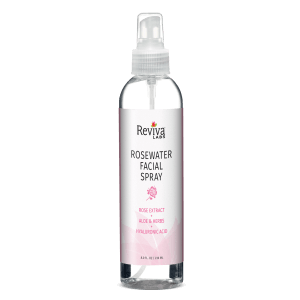
By midwinter, you’ll want to ensure your skincare arsenal includes a hydrating mist (like the Rosewater Facial Spray) for on-the-go moisture, a thick hand and body cream to prevent chapping, and a nourishing lip treatment to maintain comfort throughout the day.
Skin Renewal Is a Year-Round Commitment
Seasonal dryness isn’t a sign that your skin is failing – it’s your skin communicating that conditions have changed. With the right care, hydration can be restored, barriers rebuilt, and radiance renewed. The trick lies in understanding that the skin’s needs evolve as the environment does. Fall’s crisp beauty comes with challenges, but it also offers an opportunity to re-establish balance and mindfulness in your skincare routine. Think of this seasonal shift not as a setback but as a reset.
When you adjust your products, your habits, and even your indoor environment, your skin rewards you. It stays supple, calm, and luminous – even when the air outside says otherwise. And that’s the real secret to thriving through the dry months ahead.
Watch Episode 13