The hours after you turn out the lights can be surprisingly productive for your complexion. While the rest of your routine slows down, your skin shifts into repair mode with a burst of activity that does not happen the same way during the day. Enzymes get busy, cellular traffic picks up, and the surface grows a little more permeable, so helpful ingredients move in more easily. One widely cited public health figure puts a spotlight on why this matters. Roughly one in three U.S. adults does not log the recommended seven hours of sleep, which means a third of us are missing the window when skin prefers to restore itself and catch up on maintenance. I find that simple fact motivating, because it turns bedtime from a passive habit into a practical skincare lever you control each night.
Your skin behaves differently at night, and the difference shows up in how products feel, how quickly they sink in, and how your face looks the next morning. You may notice that your night cream sometimes seems to disappear faster or that retinol feels a little stronger after dusk. That is not your imagination. Overnight, your barrier becomes a touch more relaxed, cell turnover rises, and microcirculation improves, which together help active ingredients get to their jobs. When you respect that rhythm and build an evening ritual around it, you give your routine a tailwind rather than fighting friction. I think of it as letting biology do the heavy lifting while you sleep.
There is another reason the nighttime window is special. UV exposure and pollution take a step back, and cortisol, the stress hormone that can interfere with barrier function and trigger redness, tends to dip. Your skin’s antioxidant reserves, often strained by daytime insults, get a chance to replenish. Moisture balance also finds its footing as transepidermal water loss patterns shift in the dark. The net effect is an environment more suited to renewal than defense. That is why even a modest tweak to your evening lineup often delivers outsized results by morning.
None of this means daytime care is unimportant. Sunscreen and antioxidants are still the guardrails that keep your progress intact. But if you want the fastest improvements in texture, bounce, and tone, night is where you plant the flag. Night is where your barrier, your microbiome, and your extracellular matrix can coordinate without the background noise of sun and smog. When you show up for that nightly cadence with well-chosen formulas, you multiply the benefits in a way that feels obvious when you meet your mirror at sunrise.
The science of skin after dark
Your skin follows a 24-hour clock. It renews on a schedule, and that schedule becomes friendlier to repair as evening sets in. Keratinocyte activity shifts, DNA repair enzymes move with purpose, and the communication lines that guide collagen and elastin maintenance are a little clearer. This circadian choreography explains why ingredients that encourage renewal often perform best when you apply them before bed. It is not a marketing story. It is a helpful nudge from your biology.
Cell turnover also leans into the evening. As cornified cells loosen their bonds, new cells move upward, and your surface sheds more efficiently. If you have ever noticed a smoother feel after using a gentle resurfacer at night, you are benefiting from that rhythm. You are not only getting more from your product, you are catching a wave your skin already wanted to ride. That wave can be subtle at first if your barrier is stressed, yet with steady care it grows more reliable and more noticeable week by week.
Hydration works differently at night as well. Your skin’s outer layers are slightly more receptive, which means humectants like hyaluronic acid and glycerin can draw and hold moisture effectively when paired with emollients that seal. If you layer thoughtfully, you create a mini environment on your face that traps water, reduces overnight dehydration, and softens the look of fine lines. Morning skin then appears calmer and more elastic, which tends to make makeup behave better too. That softer, springier feel is one of the earliest wins people report when they commit to a true nighttime ritual.
Antioxidant status needs attention after sunset. During the day, free radicals from UV and urban air try to outpace your defenses. At night, you have the chance to replenish and support those defenses with topical vitamins and plant compounds that help neutralize leftover oxidative stress. If your daytime serum is your shield, your nighttime stack is the repair kit. That mindset can simplify your choices and clarify why certain ingredients belong in the evening and not in the morning.
Why evening application changes outcomes
Most people start their night with a cleanse, then grab whatever cream is near the sink. That can work, yet you will get a better payoff if you treat nighttime like a purposeful sequence. First, remove the day thoroughly without stripping, because leftover sunscreen, pigment, and pollution particulates can interfere with absorption. Second, time your actives so the ones that need bare skin go on first. Finally, seal the work with a cream that supports barrier lipids and moisture retention. If you do those three steps regularly, you will stack small advantages that turn into visible results over a month or two.
Texture improvements usually appear first. That is because smoother skin reflects light more evenly, which our eyes read as healthy and well-rested. Next comes bounce, the feeling that cheeks and jawline look less slack. True structural change is slow by nature, but modern formulas can create meaningful cosmetic improvements in how skin looks and behaves as it hydrates and recovers. I also like to remind people to check their morning clarity, not just nighttime glow. A calmer tone at breakfast tells you last night’s plan reduced inflammation, which is a quiet but powerful win.
Timing matters here. Apply too early and a good portion of your products may rub off on your pillow. Apply too late and you risk irritation if water from your evening cleanse has not evaporated yet and your actives spread more widely than planned. I reach for the practical middle. After you cleanse, let skin air dry until it feels just slightly cool to the touch, then work quickly with your chosen serum and moisturizer. Give it a gentle minute before you slide into bed, and you will waste less product while encouraging more even absorption.
You can also think about your room. Cooler temperatures are friendlier to sleep quality, which supports overnight repair signals. If your space runs dry, a small humidifier can give your products a helpful assist by reducing evaporation and keeping skin in a more comfortable state through the early morning hours. These are not dramatic changes, but they harmonize with everything else you are doing and cost less than most serums. Little environmental tweaks make nightly care easier to feel and easier to maintain.
What to put on before lights out
Night is a great time for collagen support, elasticity care, and wrinkle-smoothing peptides. If you want to keep things simple, pair a targeted serum with a nourishing cream and make that your reliable core. On nights when your skin feels thirsty, swap in a more cushioning option. On nights when it feels sensitive, lean toward calming and barrier-first choices. The goal is not variety for its own sake. The goal is to create a small rotation that always matches how your face feels when you wash up.
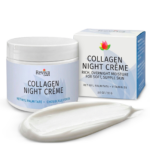
This is where a collagen-focused night cream earns its place. Reviva Labs Collagen Night Creme is a classic evening hydrator that supplies soluble collagen alongside a mix of oils chosen to soften and seal. The texture settles in comfortably and leaves skin looking cushioned by morning without feeling greasy on the pillowcase. I like it on nights when cheeks feel deflated or when cooler weather exposes that papery, parched look that makeup often exaggerates. A steady month with a collagen night cream will not replace what your body naturally makes, yet it will help the surface hold moisture, which makes lines look shallower and makes skin appear more even.
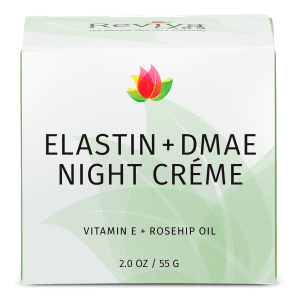
If firmness is high on your list, a cream that pairs elastin care with DMAE offers a different angle. Reviva Labs Elastin + DMAE Night Creme brings a gentle yet noticeable toning effect to areas that tend to look slack, especially along the lower face and neck. DMAE is known for creating a tightened appearance with regular use, and the emollient base keeps the finish comfortable, so you are not trading smoothness for that lifted look. It is a sensible pick when you want overnight hydration plus a more defined morning profile. Think of it as adding a light scaffold while your skin does its nocturnal repair work.
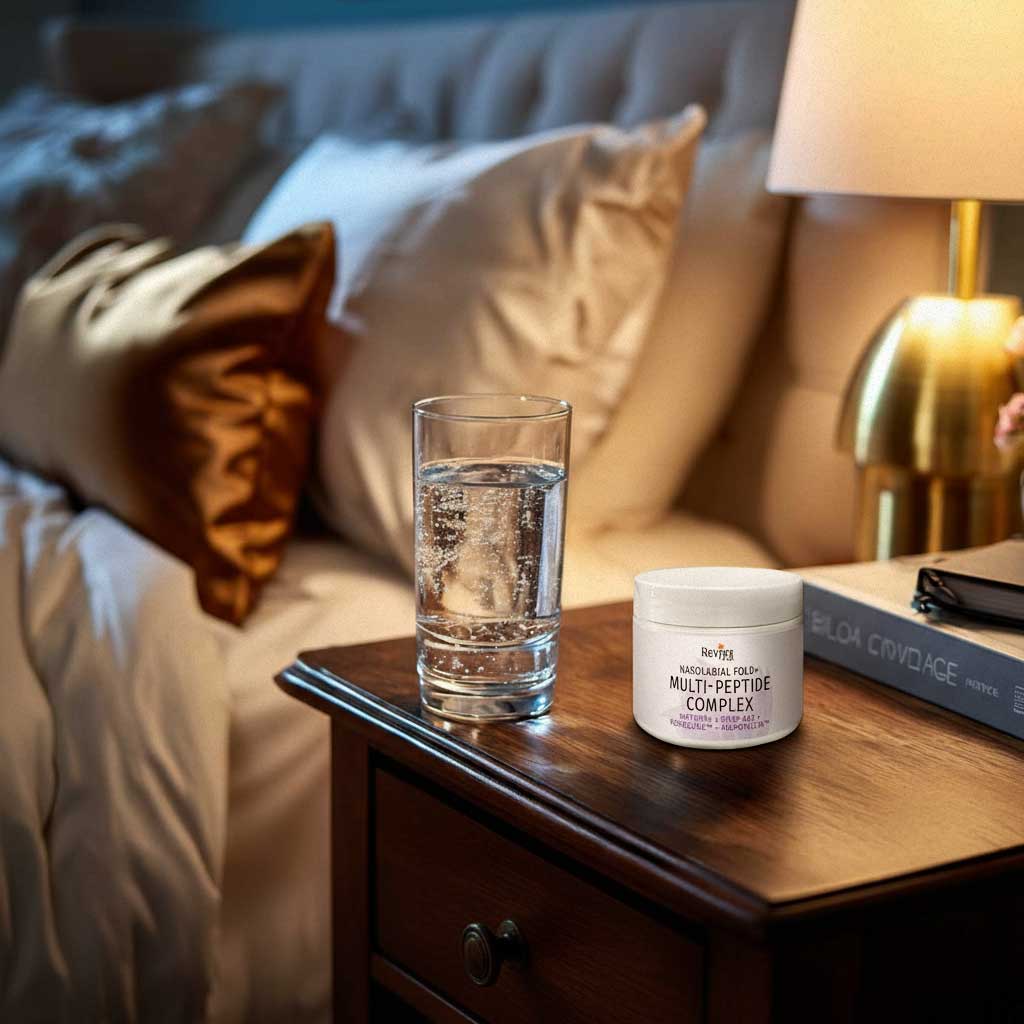
There is also a strong case for a peptide-forward evening cream when deep lines or texture changes are top of mind. Reviva Labs Multi-Peptide Complex is designed to address the look of wrinkles using multiple well-known peptides alongside humectants and emollients that help the formula sit nicely on the skin. Peptides are not magic, but many of them play supportive roles in how skin maintains its structure, and a thoughtful blend can be a smart nighttime partner, especially when you prefer to avoid stronger resurfacing agents every evening. Applied consistently, a peptide complex helps the next morning look smoother and better hydrated.
You do not need to stack all of these at once. Rotate by feel and by season. On a peeling-prone retinoid night, skip the peptides and choose extra cushioning with your collagen cream. On a travel night when your face is puffy from a long flight, reach for the Elastin + DMAE Night Creme to tone the look a bit while you sleep off the trip. Later in the week, when your skin is calm and you want to chip away at etched lines, lean on the Multi-Peptide Complex. You are building a week of small decisions that reflect what your skin is asking for at that particular bedtime.
How to layer without overthinking it
Start clean with lukewarm water so you do not inflame your barrier before you even begin. If your skin tolerates a gentle exfoliant, use it earlier in the evening rather than right before bed so any tingle settles before you layer richer formulas. Pat on water-weight hydration if you like that dewy cushion, then move to your active serum and finish with your cream. If you enjoy facial oils, press a few drops on top to seal in moisture, being mindful not to drown the skin and create pilling when your cheek touches the pillow. This rhythm keeps steps logical and friendly to absorption.
A common question is whether collagen or peptides should go before or after a retinoid. If you are using a prescription strength vitamin A, keep the canvas simple. Apply the retinoid on bare, dry skin, then wait and follow with a single, comfortable cream. If your retinoid is a gentle over-the-counter product, you can sandwich it between a light hydrating layer and your night cream to temper irritation. The point is not to win an award for perfect sequencing. The point is to prevent friction and give your ingredients the best chance to help while you sleep.
Another frequent concern is whether a heavier cream will clog pores. Rich does not have to mean heavy. Texture comes from the blend of humectants, emollients, and occlusives and how they interact with your skin on that specific night. If your face runs oily, apply a thin layer and spend a moment massaging to encourage even distribution. If your cheeks are dry and your T-zone is temperamental, paint your face with a little strategy. Place more of your cream on the dry zones and graze the center lines with what remains on your fingertips. You will still wake up nourished without feeling congested.
Neck and chest deserve the same care. The skin there is thin, often neglected during the day, and regularly exposed to friction from collars and bedding. Use the leftover cream from your face or add a touch more if the area feels especially tight. You will notice a big change in comfort quickly and a calmer tone over time, which tends to make everything from V-neck tees to open collars look better. That small extension of your evening ritual takes seconds and pays you back every morning.
Lifestyle habits that supercharge your night routine
Your room and your rhythm matter as much as your jar. Aim for regular bedtimes most days of the week, because your skin’s nightly habits prefer consistency. Keep your sleep environment cool and dim, and reduce bright device exposure in the hour before you turn in. Blue-white light at night confuses your internal clock, which can ripple into slower overnight recovery. If you like a bedtime show, set a timer and position the screen at a distance so your eyes and your brain get a clearer signal that it is time to power down.
Pillow choices can also shape your morning. Clean cases and a smooth fabric help you avoid friction marks and reduce the chance of acne mechanica on cheeks and jawline. If you are a committed side sleeper, try to vary your position a little during the week. Deep sleep lines are mostly a long-term story of pressure plus time, so small changes over months matter. The goal is not perfection. The goal is fewer hours of consistent compression in the same spot year after year.
Nighttime is also the easiest place to feed your skin from the inside out. Have a glass of water within an hour of bed if your healthcare provider has no reason for you to limit fluids at night. Hydration supports how humectants behave in your topicals as you sleep. A dinner with a little protein and colorful produce gives your body the building blocks it needs for repair, which shows up subtly in your complexion. Again, none of this is dramatic, but all of it stacks.
If you occasionally fall into bed without your ritual, do not panic. One missed night will not erase months of good choices. What matters is the habit across many evenings. When you hit your rhythm again the next night, your skin will greet you like a reliable teammate. It is waiting for those helpful signals you send with cleanser, serum, and cream, and it will use them well when you keep showing up.
Calibrating to different skin moods
Dry skin craves cushioning at night. Reach for your collagen night cream on those evenings and let it create a soft envelope that slows water loss while you sleep. If flakes are still showing up at breakfast, add a hydrating serum underneath on alternate nights and resist the urge to over-exfoliate. Repair beats removal when your face looks parched. With a little patience, you will feel the difference in a week.
Sensitive skin needs calm and predictability. Keep your lineup short and fragrance-light, and space out stronger actives so you are never piling them up on the same evening. Let peptides carry more of the load while your barrier finds its strength. A comfortable peptide complex often acts like a safety net, supplying a gentle signal for smoother texture without poking at easily irritated corners of your face. Over a month of steady use, you will see fewer flare days and a more even tone.
Oilier complexions still benefit from night cream, but the amount matters. A thin film of a balanced formula can keep your cells happy without tipping you into shine the next morning. This is where an elastin and DMAE cream can surprise you, because the finish aims for toned rather than heavy. If clogged pores are a worry, keep your cleanser honest and your hands off your face during the day. Night is for repair, not punishment, and your results will be better when you stop fighting your oil and start guiding it.
Maturing skin appreciates variety, especially across the week. Combine a collagen night cream for cushion, a peptide complex for smoothness, and a firming night cream for shape. Alternate by feel and avoid the temptation to use all three at once out of eagerness. Nightly skincare is a dialogue. When you lighten your touch and respond to what your face is saying on that particular Tuesday, you get further than any ironclad calendar can take you. The signs that you are on track are simple. Makeup needs less help. Morning redness is quieter. Cheeks feel soft rather than papery by noon.
Answers to the questions people quietly Google at midnight
Is sleep really that important for skin or is this just nice to have. It is more than nice. The nightly repair window aligns with how your skin coordinates renewal, so inadequate sleep makes your routine work harder for smaller gains. Even if your schedule is tight, aim for a consistent bedtime most days, and let your night cream act as insurance on the evenings you fall short. You will notice the difference in how fast your face bounces back from a stressful day.
Do I need a separate night cream or can I use my day moisturizer. If your day cream is a simple hydrator without SPF and it feels good at night, you can use it. Many people prefer a dedicated evening cream because the textures are tuned for slower absorption and deeper cushioning, and they often pair better with retinoids and peptides. A collagen night cream fits that brief for many skin types and tends to be the easiest upgrade to feel when you wake up.
Where do peptides fit if I already use a retinoid. Consider alternating. Use your retinoid two or three nights a week and your peptide complex on the others. This keeps irritation in check and still gives you a steady stream of signals that support smoother, more even texture. If you are in a retinoid acclimation phase, let peptides carry more nights until your skin settles. You will get further by nudging than by forcing.
Is DMAE only for the neck. DMAE is often praised for the appearance of firmness along the jawline and throat, but many people enjoy its toning effect on the lower face too. An elastin and DMAE night cream makes sense anywhere you want a more defined look. Start with a light layer, watch how your skin responds over a couple of weeks, and then adjust your amount. The key is consistency rather than volume.
Can a collagen cream replace what my body no longer makes. Topical collagen does not rebuild your dermal matrix from the outside in. Its power shows up in how it helps the surface hold water and appear smoother and more supple, which softens lines and improves comfort. When you pair that with ingredients that support your skin’s own signals and barrier lipids, you get an environment friendlier to bounce and glow. The practical win is how your face looks and feels tomorrow morning, which is what most of us actually want.
A practical evening plan you can keep
Pick a small, reliable core and let it carry most nights. Cleanse, apply your chosen serum, and finish with a cream that matches your goals. On nights when life gets hectic, do the cleanse and the cream and call it a win. Skincare works best when it fits your real schedule, not a fantasy calendar. You do not need a dozen steps to wake up to better skin. You need a pattern you can repeat without friction.
Make those choices specific to your aims. For more cushion and a smoother look at sunrise, use Reviva Labs Collagen Night Creme. For a toned, refreshed appearance when your face and throat look slack, use Reviva Labs Elastin + DMAE Night Creme. For a steady nudge against etched lines on the days you want extra polish, use Reviva Labs Multi-Peptide Complex. You can build a perfectly capable week from those three anchors, adjusting amounts and frequency based on how your skin feels when you step to the sink.
Check your mornings for feedback. Does your skin feel calm, pliable, and comfortable before breakfast. Are your cheeks less reactive when the weather swings. Do your foundations glide without catching on rough patches. Those are the markers that tell you your night plan is working. If not, simplify for a week, reduce your actives, and lean into hydration and barrier support. Then layer complexity back slowly. Nightly care is a conversation, and your reflection will always answer if you give it a chance.
Finally, respect the clock. Good skin is not only about what you apply. It is also about when you apply it and how often you let your body do its behind-the-scenes work. Your face is not idle while you sleep. It is productive, efficient, and surprisingly collaborative when you give it the right tools and the right conditions. Turn out the lights with intention tonight. Tomorrow morning will thank you.
Nancy Reimer is a seasoned Sales Training/Product Education Development executive with over 20 years experience in cosmetics, personal care and supplement industries. Her experience includes training and selling in Natural, Prestige, and Specialty channels. She is consumer oriented, sales driven and a dedicated team player; analytical and detailed oriented with excellent communication and people skills. Nancy’s addition to the Reviva Labs’ team is guaranteed to help Reviva continue growing and expanding.



 Multi-Peptide Complex
1 × $53.90
Multi-Peptide Complex
1 × $53.90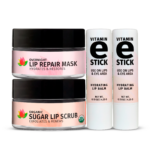 Lip Repair & Renewal Kit
1 × $0.00
Lip Repair & Renewal Kit
1 × $0.00 Reviva Labs Catalog 1 × $0.00
 Bakuchiol Plus Serum
Original price was: $32.00.$24.00Current price is: $24.00.
Bakuchiol Plus Serum
Original price was: $32.00.$24.00Current price is: $24.00. Antioxidant Day Créme
$28.00
Antioxidant Day Créme
$28.00 Dark Spot Brightening Serum
$22.00
Dark Spot Brightening Serum
$22.00 Advanced Peptide Plus
$39.95
Advanced Peptide Plus
$39.95