The search for youthful, resilient skin often circles back to one family of ingredients: retinoids. Dermatologists have prescribed retinol and its stronger prescription cousins for decades, and with good reason. They remain some of the most studied and effective compounds for reversing signs of aging. Yet, in recent years, a quieter name has been rising through the skincare conversation—bakuchiol. Often marketed as a naturalretinol alternative, bakuchiol promises similar results without the irritation many experience with retinoids. But can it really replace retinol, or does it serve a different purpose entirely?
To answer that, we need to examine both ingredients closely, their proven benefits, their limitations, and how they fit into modern skincare routines.
Retinol is a derivative of vitamin A, part of the retinoid family. Unlike prescription retinoic acid (tretinoin), which acts directly on the skin, retinol must first be converted by skin enzymes into its active form. Once converted, it binds to retinoic acid receptors in skin cells, triggering a cascade of events that influence gene expression, collagen synthesis, and cell turnover. This mechanism is why retinol is often described as skin-restoring, firming, and wrinkle-smoothing.
Clinical research has confirmed retinol’s ability to improve fine lines, uneven pigmentation, texture irregularities, and even acne. Its antioxidant properties add another layer of defense against free radicals, which accelerate skin aging. In short, retinol works both on the surface—smoothing and brightening—and deeper within the skin—stimulating collagen and elastin production.
The Benefits of Retinol
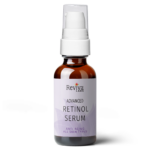
People who commit to consistent retinol use often notice multiple improvements over time. These include fewer visible wrinkles, a more even skin tone, smoother texture, and reduced breakouts. In anti-aging regimens, it’s considered a cornerstone ingredient. Reviva’s Advanced Retinol Serum, for example, combines retinol with vitamin E to not only restore firmness and reduce wrinkles but also to protect against oxidative stress.
Beyond cosmetic results, retinol’s influence on cell turnover makes it valuable for addressing clogged pores and preventing acne lesions. Its dual benefit—both corrective and preventive—sets it apart from many other skincare actives.
The Drawbacks of Retinol
For all its benefits, retinol has well-documented downsides. Many first-time users experience dryness, peeling, redness, or burning sensations. This is particularly true when concentrations are too high or when combined with other strong exfoliants. Retinol also increases skin sensitivity to UV light, which is why dermatologists always recommend pairing it with daily sunscreen use.
Pregnant and breastfeeding individuals are advised against using retinoids, even in topical form, due to potential systemic absorption risks. These limitations often push consumers to seek gentler alternatives that deliver some of the same anti-aging benefits without such restrictions.
Enter Bakuchiol: The Natural Contender
Bakuchiol is a plant-derived compound extracted from the seeds and leaves of Psoralea corylifolia (babchi). Unlike retinol, it is not a vitamin A derivative. Its chemical structure is different, yet its effects on skin appear strikingly similar. Research has shown that bakuchiol stimulates collagen production, reduces fine lines, improves elasticity, and even addresses pigmentation concerns.
Because bakuchiol is not a retinoid, it does not need enzymatic conversion and does not interact with retinoic acid receptors. Instead, it seems to trigger similar pathways that influence collagen and elastin. This functional mimicry has earned it the title of “vegan retinol alternative.” Reviva’s Bakuchiol Plus Serum illustrates this approach, blending bakuchiol with alfalfa and artichoke extracts to deliver anti-aging, firming, and brightening benefits without the irritation commonly associated with retinol.
The Benefits of Bakuchiol
Bakuchiol offers several appealing advantages. Studies suggest it can improve fine lines and pigmentation to a degree comparable to retinol, but with a far lower risk of irritation. Unlike retinol, it is photostable, meaning it does not break down in sunlight. This allows bakuchiol to be used both morning and evening without increasing photosensitivity. For individuals with sensitive skin, rosacea, or eczema, this gentleness can be game-changing.
Another advantage is accessibility. Since bakuchiol is plant-derived, it resonates with consumers seeking “green” or “clean” skincare. Its compatibility with other actives—like peptides, niacinamide, or hyaluronic acid—also makes it easy to integrate into multi-step routines.
Where Bakuchiol Excels
Bakuchiol’s real strength lies in making retinol-like benefits more approachable. Many users who gave up on retinol due to redness or peeling find they can tolerate bakuchiol daily. Its antioxidant and anti-inflammatory properties provide an added soothing effect, making it especially attractive for those prone to sensitivity. Some early research has even suggested bakuchiol may help reduce acne lesions by limiting bacterial overgrowth and excess oil, though more studies are needed.
Can Bakuchiol Truly Replace Retinol?
The comparison isn’t entirely straightforward. While head-to-head clinical trials have shown bakuchiol to perform similarly to retinol in reducing wrinkles and pigmentation, the body of evidence for retinol is far larger. Retinol has been studied for decades, across thousands of clinical trials. Bakuchiol, by contrast, has only about a decade of modern research behind it.
This difference in research depth matters. Retinol’s effects are proven across multiple skin concerns, from acne to severe photodamage. Bakuchiol, while promising, still lacks that extensive track record. For professionals and consumers alike, this means bakuchiol may not fully replace retinol in every scenario—especially for advanced cases of aging or acne.
A Complement, Not Always a Replacement
Rather than thinking in terms of replacement, it may be more useful to think of bakuchiol as complementary to retinol. For those unable to tolerate retinol, bakuchiol is a worthy stand-in. For those who can tolerate both, they may even be used together to maximize results. Since bakuchiol does not destabilize retinol, combining them could provide enhanced anti-aging effects with less irritation.
This layered approach is already reflected in product development. Some brands, including Reviva, formulate products that highlight bakuchiol as a central anti-aging ingredient, while still maintaining retinol offerings for those ready for stronger interventions.
Who Should Choose Retinol
Retinol remains the gold standard for people seeking maximum results in visible skin renewal. If your skin tolerates it, retinol is unmatched in reversing photoaging, treating acne, and improving texture. Younger individuals in their twenties and thirties often use lower concentrations as preventive care, while older individuals rely on stronger serums or creams to tackle established signs of aging.
Consistency and patience are crucial. Retinol requires weeks to months of regular use before results become visible, and its side effects often subside once the skin adjusts.
Who Should Choose Bakuchiol
Bakuchiol is ideal for individuals with sensitive skin, or for those who have tried and failed with retinol. It’s also suitable for people who want the flexibility of daytime use without added sun sensitivity. For natural-minded consumers, its plant origin is another draw. Pregnant or breastfeeding individuals, who must avoid retinoids altogether, may turn to bakuchiol as a safer option, though they should still consult with their healthcare provider before starting any new product.
Future of Both Ingredients
The rise of bakuchiol doesn’t spell the end of retinol. Instead, it broadens the anti-aging toolkit. As research expands, we may see bakuchiol incorporated into more multi-active formulas, potentially alongside peptides, vitamin C, and hyaluronic acid. Meanwhile, retinol will likely remain a dermatologist-endorsed powerhouse, with ongoing innovations in encapsulation and stabilization to reduce irritation and enhance penetration.
Practical Takeaway
The question “Can bakuchiol really replace retinol?” doesn’t have a simple yes or no answer. For many, bakuchiol provides a gentler, more accessible entry point into anti-aging skincare. It may not fully replace retinol’s decades-long clinical credibility, but it certainly earns a place as a viable alternative—and in some cases, the better choice.
Ultimately, the right ingredient depends on your skin type, tolerance, and goals. If you want maximum change and can manage some irritation, retinol is still the most powerful option. If you prefer steady, irritation-free progress with natural origins, bakuchiol may feel like a revelation. Or you can be a rebel and use them both – they work well together for many.
As a long time natural skin care fan I discovered Reviva Labs many years ago. After buying and using Reviva products for several years, I started contributing to Reviva Labs' blog in 2015.


 Bakuchiol Plus Serum
1 × $24.00
Bakuchiol Plus Serum
1 × $24.00 Reviva Labs Catalog 1 × $0.00
 Advanced Retinol Serum
Original price was: $32.00.$24.00Current price is: $24.00.
Advanced Retinol Serum
Original price was: $32.00.$24.00Current price is: $24.00.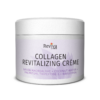 Collagen Revitalizing Créme
$38.50
Collagen Revitalizing Créme
$38.50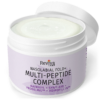 Multi-Peptide Complex
$53.90
Multi-Peptide Complex
$53.90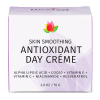 Antioxidant Day Créme
$28.00
Antioxidant Day Créme
$28.00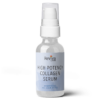 High Potency Collagen Serum
$28.00
High Potency Collagen Serum
$28.00