A single step can change how your nightly serum behaves, and it does not require fancy tech or expensive gadgets. A well-formulated clay mask clears surface oils, loosens stubborn buildup, and smooths texture so your follow-up treatments spread evenly and contact your skin more directly. That simple reset matters because the outer layer we are asking our serums to cross is thin yet stubborn. On most faces the stratum corneum is only about ten to twenty micrometers thick, but it is tightly packed and lipid rich, which is why products so often sit on top or feel like they stop short. Create a clean, uniform canvas and everything you apply next has a better shot at doing its best work. I have seen this play out over and over in facials, photo shoots, and even quick desk demos, and the difference is not subtle!
Clay masks help in more than one way, and those benefits stack. Clays physically adsorb oil and debris at the surface where makeup, sunscreen, and daily grime collect. As the mask dries, tiny capillary channels draw up excess sebum and water from the uppermost layers, lifting away what blocks your actives from reaching their audience. Many modern clay masks also include gentle exfoliants or enzymes that unglue spent cells, which makes the skin feel instantly smoother to the touch. Smoother surfaces do not just look better in a mirror. They also help your serum glide in a thinner, more even film rather than beading or streaking across dry patches. That even film translates into more consistent contact time and less wasted product.
Another overlooked benefit is how a mask session can rebalance the day’s pH and moisture curves. The softening phase while the mask sits slightly hydrates the outer layer before drying begins, which temporarily increases the mobility of water-loving ingredients you plan to apply later. Then, once you rinse, the surface is free of excess oil that would otherwise repel water-based formulas and slow their spread. The net effect is a short window where well-chosen serums seem to “disappear” more readily and feel like they sink in instead of skating around. That impression correlates with what you see later, too. Makeup grabs better. Texture looks finer. And your next steps feel more predictable from one application to the next.
The last piece is mechanical. When a mask includes a gentle rub-off or rinse-off removal, you get a micro-polish that sweeps away residues loosened during the treatment. That last pass clears the tiny nooks along follicle openings and around flaking edges where product often pools. You do not need grit or aggressive scrubbing. You just need a formula built to soften, lift, and release. Follow that with a serum suited to your goal, and you have a priming sequence that behaves like a multiplier for everything you apply afterward.
Why absorption improves after a good clay mask
Absorption is not magic. It is physics and skin biology working in your favor. The top layer of skin is a brick-and-mortar structure with dense cells set in a lipid matrix. Oil and leftover product can form a boundary that slows water-based serums and causes active ingredients to distribute unevenly. A clay mask interrupts that boundary in three helpful ways. First, it binds surface lipids and removes them when you rinse, which reduces the water-repellent film that can interfere with spreading. Second, many clay formulas soften the intercellular glue that keeps dead cells stacked, so the outermost layer becomes more uniform. Third, a cleaner follicular opening gives hydrating toners and serums better access to the follicular route, which is a known pathway through the skin.
You do not need to strip your skin to get this effect. The goal is to remove roadblocks without roughing up the barrier. A balanced mask will leave your face feeling refreshed rather than tight, which is a good sign that your barrier lipids are intact. When you apply a water-based serum right after, you often feel less drag because the product is not fighting through leftover oil or clumps of dead cells. The first few seconds matter here. When a serum meets a clean, slightly softened surface, it forms a thinner film. That thin film can dry down more quickly and evenly, which keeps actives where you want them rather than pooling in patches.
There is also a practical advantage you will notice immediately. Many moisturizers and sunscreens pill when layered over residue, and that same tendency affects how your targeted treatments behave. A clay mask session reduces pilling by removing the micro-flakes and leftover polymers that cause formulas to roll. The difference becomes obvious when you press your serum on, and it stays put instead of balling up as you move. That change in feel signals what you will often see later in the day, especially along the nose and chin where build-up tends to collect.
Finally, a quick note about timing because it matters for what comes next. Work while the skin is still just slightly damp from rinsing, since that is when hydration-friendly ingredients travel best across the outer layer. If you pat completely dry and wait too long you lose some of that extra slip and mobility. Apply a toner if you like that step, then your treatment serum, then your moisturizer. Keep it simple and you will get more from the products you already own.
How our clay masks set you up for better results
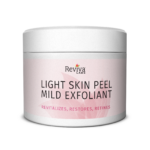
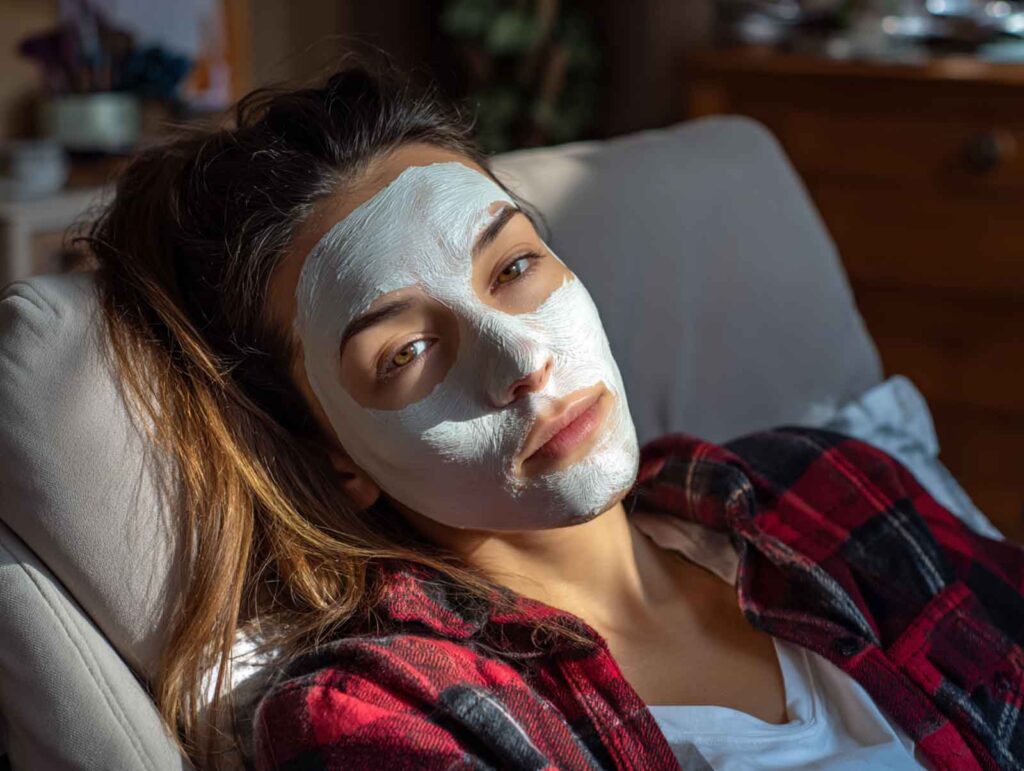
Reviva Labs has three clay-forward masks that take these principles and apply them to distinct needs. The Light Skin Peel is our classic mask exfoliant that dries to a peel-away finish. It relies on kaolin clay plus almond meal, papain, and a touch of salicylic acid to loosen and lift the dulling layer that keeps skin from looking fresh. Zinc oxide and soothing botanicals help keep the experience gentle, which is why many people can use it a few times each week without irritation. When you massage it off, you get that fine-grained release of softened buildup, which leaves a velvety surface ready for a water-based brightening or hydrating serum. The feel is unmistakable. Serums spread thinner, sit flatter, and seem to disappear into the skin instead of sitting on top.
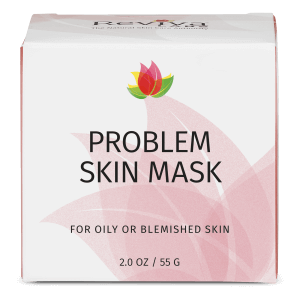
If congestion and excess oil are your main concerns, our Problem Skin Mask brings additional oil-absorbing and clarifying support. It uses kaolin clay, zinc oxide, and sulfur alongside eucalyptus, camphor, and menthol to draw out impurities while leaving the skin calm and refreshed. This mask helps clear the pathways around pores where oil accumulates and where leave-on treatments often struggle to make contact. After rinsing, the complexion feels cleaner yet not stripped, which is the perfect state for lightweight serums that target clarity or texture. The difference shows up especially well around the T-zone, where the follow-up treatment glides better and dries down more evenly.
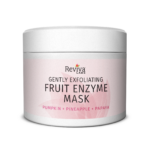
For those who want radiance without any grit at all, the Fruit Enzyme Mask blends kaolin and bentonite with pumpkin, papaya, and pineapple enzymes. The enzymes gently break down the protein links that keep dead cells clinging to the surface while the clays pull away oil and surface debris. Sodium hyaluronate and aloe help the experience feel cushioned, so your skin finishes smooth and comfortable rather than dry. That combination makes it a smart primer before brightening serums and pigment-evening routines because it clears the way without roughing the surface. The result is a more even application of your next steps and a better day-to-day glow that builds with regular use.
When you choose between these masks, think about the kind of barrier you are trying to remove. Is it mostly excess oil and stubborn impurities. Is it dulling buildup that makes products sit on top. Or is it a combination of both, which often happens through the cheek and jawline. Start with the mask that matches your most common roadblock and use it consistently. Your serums and creams are more likely to show what they can do when they stop competing with a surface that is not ready for them. I like to frame it this way. A mask is not a side show. It is a performance enhancer for the products you reach for daily.
The science in plain language
Why do clays have such a reputation for priming the skin. The short answer is surface area and charge. Finely milled clays present enormous surfaces dotted with sites that can bind oil and impurities. That means a very thin layer of mask can mop up a surprising amount of sebum for its weight, which is exactly the material that repels water-based products. As the mask sits, water slowly evaporates, and capillary action helps lift more material from crowded nooks along the surface. Then the rinse removes the whole package and leaves behind a uniform canvas.
Enzymes contribute in a different but complementary way. Dead cells are held together by tiny protein links, like a zipper. Fruit enzymes such as papain and bromelain are proteases that nibble at those links and relax the outer layer so the dull, compacted film can release. This is not about stripping your skin. It is about encouraging what your skin is already set to do, which is shedding spent cells day by day. When that process moves from uneven and sticky to smooth and complete, you see it right away and your products behave more consistently from cheek to forehead.
Some clay masks also include a tiny dose of beta hydroxy acid that dissolves oily debris inside pores. Salicylic acid is oil-soluble, so it can reach into the pore lining and help loosen the compacted mixture of oil and dead cells that forms plugs. These plugs do not just lead to blemishes. They also create a physical barrier that blocks serums and makes complexion look rough under makeup. A mask that pairs clays with enzymes or a gentle acid gives you both surface clearing and a nudge against the sticky junctions that hold build-up in place. That dual approach leaves fewer places for your post-mask treatment to get trapped or wasted.
Hydration dynamics play a role as well. During the early minutes of a mask, water softens the outer layer. Softer corneocytes slide more readily, and the skin’s micro-texture evens out, which helps your follow-up glide. After you rinse, you have a brief window where the skin holds that softness before it dries down fully. Apply a hydrating toner or essence if that is your routine, then your targeted serum while the skin still feels slightly dewy. This is when water-loving ingredients enjoy easier passage across the outermost layer, and it is why a mask can make a visible difference in how quickly a serum seems to settle.
What “better absorption” looks and feels like
People often ask what they should look for after a clay mask if they are hoping for improved absorption. The first clue is tactile. Your serum will spread in a thinner, more even sheet and will require fewer drops because less is being soaked up by flakes or pushed around by surface oil. The second clue is optical. Skin looks less matte-dull and more uniform, yet without shine, which means your product film is sitting smoothly and drying down evenly. A third clue is how the following moisturizer behaves. If it softens and sets without pilling, your underlying layers are not overstuffed with residue and your skin’s micro-texture has been smoothed.
There is also a longer view. Over days or weeks of pairing clay masks with targeted serums, many people notice they can use a little less product and still feel satisfied with the results. That is not because the serum changed. It is because more of each application is making useful contact with the skin rather than sitting idle on top. If you are tracking visible changes like clarity, smoothness, or evenness, consider taking a quick photo in the same light each week. You may be surprised by the steady shift in how your skin reflects light in the exact areas where you mask most often.
The experience should also feel calmer, not harsher. If your routine has relied on heavy scrubs or frequent peels to get that tighter, smoother look, a better-balanced clay mask can give you the same or better priming effect with less risk of soreness the next day. Your skin’s barrier is not a villain. It is doing its job. You are just briefly clearing obstacles that are not part of that job, then supporting the skin with the serums and creams that keep it resilient.
One last point on feel. Do not chase the brittle, over-dried mask look as a badge of honor. A great mask session ends with skin that feels fresh, soft, and quietly clean. If your face feels squeaky or tight for more than a minute, you probably left the mask on too long or used one that is too strong for daily use. Adjust the contact time down and remember that the best primer is the one you can use regularly without payback.
How to pair each mask with your follow-up steps
Light Skin Peel is that perfect “reset” before daily hydration or brightening. The peel-away removal and fine almond meal give a soft polish that sets the stage for water-based serums. I like it before niacinamide or vitamin C derivatives since those formulas love a clean, even surface and tend to spread better when oil is not in their way. Apply a small amount evenly, let it dry completely, then remove with slow circular motions before a gentle rinse. Work quickly with your next step while your skin still feels freshly polished and just slightly moist from the rinse.
Problem Skin Mask fits routines focused on clarity and balance. Because it includes sulfur and zinc oxide, it helps reduce excess oil while calming the look of angry pores and scattered blemishes. That makes it a helpful primer before lightweight treatments that target visible congestion or tone. Think of those nights when your T-zone feels extra stubborn. Use a thin coat, give it five to ten minutes, rinse thoroughly, then go in with your chosen serum. If shine has been your barrier to consistent product wear, this mask’s matte-clean finish makes a real difference in how serums lay down.
Fruit Enzyme Mask is a go-to when dullness is the problem and you want glow without any scrub. The enzyme trio quietly loosens surface cells while the clays tidy up oil, leaving skin soft and luminous. It sets up brightening routines beautifully and tends to play well the night before makeup since it leaves no trace of grit. The presence of sodium hyaluronate and aloe means the finish feels balanced rather than parched, which can make a big difference if you are prepping for a long day. Apply, wait until it dries to the touch, then rinse and press in your treatment while the skin is still calm and receptive.
If you are cycling masks across a week, place Light Skin Peel on your simplest serum nights, schedule Problem Skin Mask on your oilier days, and save Fruit Enzyme Mask for glow days. Consistency wins. You do not need marathon sessions to see a change. You just need regular resets that clear today’s obstacles so today’s products can shine.
Common questions, answered with straight talk
How often should you use a clay mask if your goal is better absorption afterward. Most faces do well with one to three times per week, adjusted to skin type and season. Oilier complexions can mask more frequently, while drier complexions might prefer shorter contact times or less frequent sessions. Pay attention to how your skin feels one hour later. If it feels comfortable and your serum set well, you nailed it. If it feels tight, reduce contact time next round rather than retiring the step.
Will a clay mask make my skin too dry for my actives. It should not if you choose the right formula and time, it correctly. Many clay masks now include humectants and soothing agents that cushion the experience and leave skin calm. The trick is to rinse at the right time and press on your hydrating steps promptly afterward. Watch for formulas that mention aloe, sodium hyaluronate, or glycerin. Those small additions help keep post-mask skin receptive, not parched.
Can sensitive skin use a clay mask before treatments. Yes, but begin conservatively. Enzyme-based options or gentle clay blends are often well tolerated when contact time is kept modest. Avoid stacking your strongest exfoliating serums on the same night as your mask until you know how your skin responds. Start with soothing or hydrating follow-ups, then add your targeted actives on alternate nights once you are confident there is no redness or sting the next morning.
Does a mask make strong actives penetrate too much. That is unlikely with a balanced formula and sensible timing, but your routine still matters. If your next step is a high strength exfoliating acid or a potent retinoid, you might not need the mask on the same night. Instead, use the mask to prime for repair-leaning serums, barrier-supporting moisturizers, or brightening formulas that sit more comfortably on a freshly cleaned surface. Rotate as needed and remember you are playing a long game with compounding wins.
Technique tips that maximize the payoff
Small technique choices make a large difference in how follow-up steps feel and perform. Start with a thorough but gentle cleanse so the mask meets skin rather than a layer of sunscreen or makeup. Apply a thin, even coat of mask rather than a thick slab. Thin layers dry more uniformly and release more cleanly, which helps avoid overworking your face at rinse time. Keep the mask within recommended time ranges to avoid over drying. If a formula says five to ten minutes, aim for the shorter end at first and increase only if your skin consistently feels fine afterward.
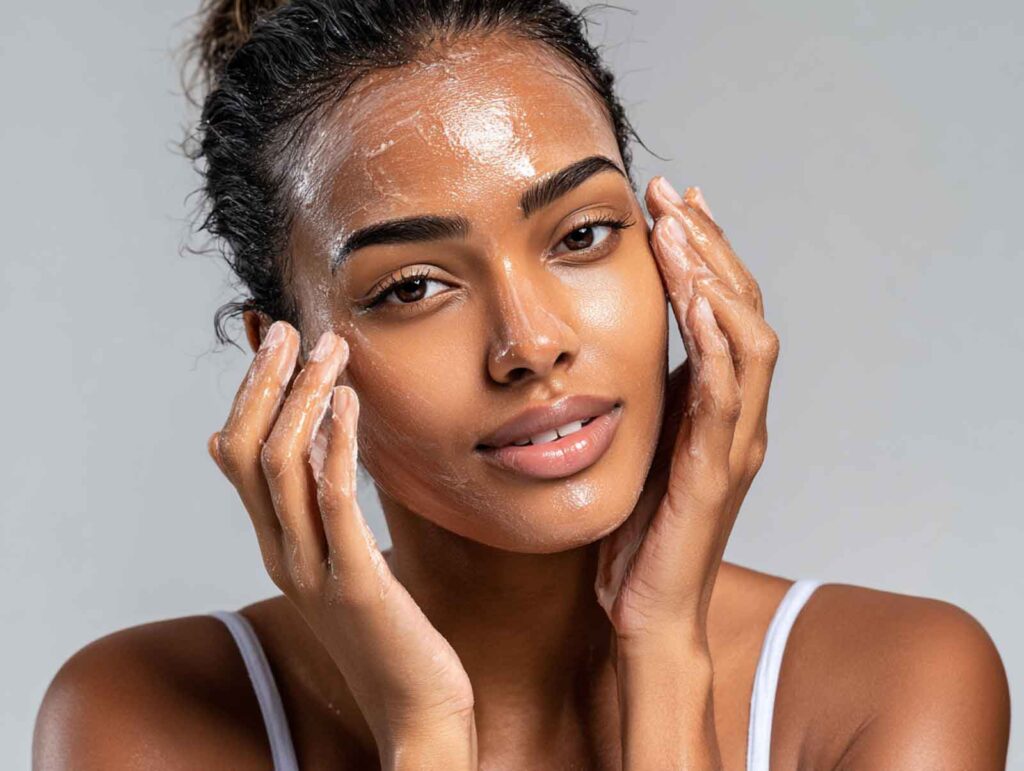
Rinse with lukewarm water and a soft cloth rather than hot water. Hot water can swell the outer layer too aggressively and leave you with more sensitivity than you planned. Pat, do not rub, and leave a whisper of moisture on the skin. That slight dampness is your friend for the next step. If you love toners, this is a great moment for a hydrating one, but do not feel obligated. What matters most is getting your serum on while the surface is smooth, clean, and just a tad dewy.
Use less product after a mask than you think you need. Because the surface is more receptive, you can often reduce your usual amount by a drop or two and still cover the same area. Press your serum with full palms or gentle fingertip presses rather than quick rubbing. Pressing helps place product evenly without dragging the fresh surface you just created. Give each layer a few slow breaths to settle before you add the next. The difference between rushing and pacing can be the difference between pilling and perfection.
Do not forget your neck and the sides of the face near the ears. Those zones collect sunscreen and hair product residue that silently sabotage application. A quick pass of mask across those areas makes your next steps feel uniform from center to edge, which you will notice when makeup sits better along the jaw and when your moisturizer does not feel greasy near the hairline.
Safety notes and smart boundaries
Clay masks are forgiving when you use them with respect. Avoid using a mask on broken skin or active, open blemishes. The goal is to clear and smooth, not to aggravate. If you are using prescription topicals or very strong exfoliating routines, introduce masks on your off nights and watch for signs of irritation. A little pinkness that resolves quickly can be normal, but lingering heat or sting is a cue to shorten contact time or switch to a gentler option like an enzyme-forward mask.
Mind the seasons. In dry, cold months, pair your mask nights with a more emollient moisturizer, and consider finishing with a drop of facial oil pressed lightly over your cream if that suits your skin. In humid months, you may find that a lightweight gel cream is more than enough after a mask. Listen to your skin the next morning. If it feels supple and calm, you are on the right track. If it looks shiny by midday, reduce frequency. If it feels papery, shorten contact time.
Patch testing is always wise, especially if you have not used sulfur or essential oils on your face before. The inner forearm works for a first pass, then try a small area near the jawline. Give it a full day. If there is no redness or itch, proceed with confidence. Remember, the aim here is reliable, repeatable improvement in how your follow-up products behave. Steady routines beat heroic one-offs every time.
Above all, treat the mask step like a helpful teammate rather than a punishment session. You are clearing a path for the formulas that do your heavy lifting. When you position a mask as a primer instead of a separate one-off treat, the benefits compound quietly. The skin you work on today sets the stage for what you apply tonight and tomorrow. That is a rewarding loop to be in.
One clear takeaway you can use tonight
If you want a fast, practical test of everything you just read, try this simple run-through. Cleanse as usual. Apply one of the three masks that suits your skin best. Rinse on time and press in a single serum you already like using. Pay attention to how quickly it spreads and settles compared to your typical night. Then look closely in the mirror ten minutes later. The smoother set, the calmer look around pores, and the lack of pilling under your moisturizer are your proof. You did not buy new products. You just helped the ones you own do their jobs better.
If you repeat that pattern twice a week for a month, you should notice that your follow-up treatments feel more predictable and that your skin holds a glow without extra steps. That is the multiplier effect of smart priming. It is simple, it is gentle, and it works. And yes, it is satisfying to feel your serum sink in instead of slide around. I love that feeling, and I suspect you will too!
As a long time natural skin care fan I discovered Reviva Labs many years ago. After buying and using Reviva products for several years, I started contributing to Reviva Labs' blog in 2015.


 Problem Skin Mask
1 × $12.99
Problem Skin Mask
1 × $12.99 Reviva Labs Catalog 1 × $0.00
 10% Glycolic Acid Créme
$31.90
10% Glycolic Acid Créme
$31.90 Dark Spot Brightening Serum
$22.00
Dark Spot Brightening Serum
$22.00 3% Glycolic Acid Cleanser
$18.00
3% Glycolic Acid Cleanser
$18.00 4.2% Glycolic Acid Toner
$18.00
4.2% Glycolic Acid Toner
$18.00