Some mornings, skin asks politely for a refresh. Other days, it demands a reset. Clay masks answer both calls with speed and precision, turning a sluggish surface into skin that looks awake and ready. Their benefits extend beyond controlling oil, though clay excels at that task when shine takes over by noon. The real value lies in how the right clay at the right time clears a smoother runway for everything that follows – serums, moisturizers, and sunscreen. When masking is flexible instead of fixed, the entire routine performs better and feels steadier across a full day.
Clays behave like mineral sponges, each with its own distinct character. Kaolin works softly and leaves behind a comfortable finish that suits balanced or reactive skin on calmer days. Bentonite swells with water, then contracts as it dries, creating a stronger pull that helps when pores feel crowded and texture steals light. French green clay and rhassoul fall between these extremes, offering a purifying glide ideal for mixed or unpredictable moods. Choosing among them is only one lever. Time on skin, dilution, and placement matter just as much, and these levers are easy to adjust once masking is seen as modular rather than dictated by rigid skin-type labels.
Skin moods shift faster than categories suggest. Dry faces still experience humid weeks when the T-zone glows, and oily complexions still have travel days when cheeks feel tight. Treating clay as adaptable allows you to solve for today without fighting yesterday’s reality. It also keeps the ritual enjoyable, which may be the most underrated factor in skincare success. When a ritual feels good, it lasts. When it lasts, small benefits accumulate, and the mirror reflects change long before a camera does.
This approach organizes clay masking by mood rather than type. It translates everyday skin signals into practical choices anyone can use without a beauty dictionary. It shows how adjustments in thickness, timing, and order help products absorb with less waste and more comfort. It favors consistency over marathons, which means less rebound oil, fewer irritated patches, and smoother makeup days. Most importantly, it treats clay as a supportive tool that adapts to you—not the other way around.
Why clay works as a smart reset
Clay’s mineral structure gives it a large surface area, a mild negative charge, and a flexible network that binds water while it interacts with oils and proteins on the skin. These traits translate into a capillary pull that lifts sebum, leftover sunscreen, pollution particles, and loosened dead cells from the surface. Kaolin performs this task gently, while bentonite creates a stronger lift on congested areas. None of this should feel harsh when used well. A thin, even film and a measured time on skin are usually enough to restore balance without the tight squeak that signals overdoing it.
The reset matters most because of what follows. Hydrators reach fresher cells instead of skimming over residues. Serums settle without pilling. Moisturizers spread evenly and stay put. In clinical studies, twice-weekly clay use on oily or combination skin reduced transepidermal water loss by about one fifth over four weeks and increased hydration by nearly one third, while every participant reported improved oil control within the first week. These numbers echo what many notice after a handful of sessions: products land better, skin behaves more predictably, and the finish looks refined rather than sealed.
Placement adds another layer of intelligence. A mask never has to cover an entire face. A glowing T-zone benefits from a denser formula while cheeks get a lighter pass. Nasal folds and chin contours often accumulate residue and need careful application to avoid pooling. These small choices transform an ordinary jar into a tool that matches each day instead of fighting it.
When skin goes glossy by noon
High-shine days call for steady management, not extremes. A kaolin-based formula with zinc oxide, like Reviva’s Problem Skin Mask, helps keep the finish balanced while respecting the barrier. Technique matters as much as ingredients. A thin, continuous film prevents uneven drying, and removal should happen as soon as matte edges appear while the center still feels pliable—usually around ten minutes. Lukewarm water loosens the film without provoking redness, and gentle patting keeps the surface calm.
Follow up with light hydration. A humectant gel or essence takes advantage of the window clay creates. Niacinamide serums often settle beautifully on this newly refined surface, helping control shine long term. If moisturizer is needed, a gel cream replaces water without leaving behind the film that undoes the mask’s work. Mineral sunscreens also apply more evenly after this type of session.
Even in hot weather, moderation wins. Two or three sessions per week maintain balance without inviting irritation. On off days, cleansing patiently and using a splashable toner prevent the urge to over mask. Simple habits like avoiding face touching also reduce the addition of hand oils and microbes. Within weeks, midday sheen softens, blotting sheets gather dust, and the afternoon mirror feels kinder.
When breakouts threaten beneath the surface
Days with brewing bumps call for a stronger pull. Bentonite or sulfur-enhanced clays, both featured in Reviva’s Problem Skin Mask, help by swelling and contracting during drying to coax debris upward while sulfur keeps the opening clear. A thin layer over textured areas can make a visible difference in just a few minutes. Five to seven minutes is often long enough to redirect the course without draining surrounding skin. Following with a pinpoint salicylic treatment can complete the effort.
Targeted placement matters most here. Applying clay to a whole face when trouble is clustered around the mouth wastes product and stresses calm zones. A small dot mask on a formed whitehead often works better than squeezing. Leave the spot covered for three to five minutes, rinse gently, and then let it be. Aggressive extractions may feel satisfying but usually prolong the cycle.
The supporting routine should remain quiet. Cleansers must stay non-stripping, scrubs should be avoided, and moisturizers should be simple and sting-free. Makeup can still happen, but heavy primers should be kept away from active zones that need openness and oxygen. A light blur across the center gives polish without sealing areas that are trying to heal.
When dullness turns makeup into a visible layer
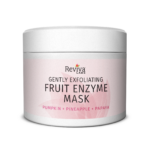
Dull days often come from cellular buildup rather than oil alone. Kaolin paired with fruit enzymes is a strong solution for this mood. Reviva’s Fruit Enzyme Mask combines clay with naturalpumpkin, papaya, and pineapple enzymes, creating a duo that lifts loosened debris while breaking down protein bonds that dull the surface. A thin coat gives smooth glide and avoids tugging. Rinsing before the mask cracks keeps results polished instead of stripped.
The moment after removal is prime for hydration. Pressing in an essence or beta glucan serum while skin is still damp allows deeper absorption. A lightweight cream seals it in without heaviness. Light immediately bounces more evenly, and makeup fuses rather than floats. For bare faces, the difference is an even, calm glow.
Scheduling helps. A brief steam or shower beforehand softens the outer layer, reducing mask time. After rinsing, a cool splash narrows capillaries and steadies the finish. These simple sequencing tricks produce radiance without redness.
When skin feels oily in the center and dry on the sides
Combination moods frustrate because a single approach rarely fits. Multi-masking solves this puzzle. A denser bentonite blend works on the T-zone while diluted kaolin sits on cheeks and jaw. Applying both at once and rinsing the center slightly earlier respects the different evaporation rates and barrier strengths. The visual cue is helpful: when the center turns matte yet flexible, it is ready to rinse. The perimeter usually benefits from a few more minutes.
Follow up with hydration across the whole face, then a lotion focused on drier zones. A drop of light oil pressed into the cheeks finishes if they still feel tight. The center often needs less, so there’s no reason to force symmetry. The result looks even, not because every area received the same treatment, but because each received what it needed.
Keeping a note of preferred timings—seven minutes for the center, nine for the cheeks—removes guesswork. Across weather swings, this rhythm repeats easily, calming oil output in the middle and softening dryness on the edges.
When skin feels reactive but still needs a reset
Reactive moods ask for whisper-soft care. Mentholated or heavily perfumed masks don’t belong here. A simple kaolin veil offers enough lift to freshen without stirring irritation. Three to five minutes may be plenty. Removal with lukewarm water and gentle pressing leaves the barrier intact. The goal is a soft matte that feels peaceful rather than squeaky.
Touch and temperature control matter as much as formulas. Fingers often outperform cloths on delicate days. Short, efficient strokes prevent friction. Everything else in the routine should quiet down too—fragrance-free hydrators and barrier-focused creams keep the surface calm. Often, one day of simplicity after a light clay pass restores more harmony than a dozen complicated steps.
If even short sessions sting, micro-dilution works. Mixing a pea-sized amount of clay with a teaspoon of a bland gel softens the pull while still offering a reset. Rinse early, then lengthen sessions as comfort returns over time.
When texture and visible pores scatter the light
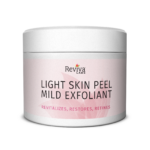
Texture days improve with clay paired with a mild keratolytic, such as salicylic acid. Reviva’s Light Skin Peel combines kaolin with salicylic and papain enzymes, offering a safe way to smooth surface irregularities. Direction matters: strokes outward and slightly upward follow the natural grain of the skin, reducing snagging. Rinsing at the first matte shift, before cracks form, balances polish with comfort.
The real benefit shows in the steps that follow. Hydration carried into micro-valleys smooths topography, and a flexible lotion leaves a thin, even film that behaves under makeup. Light then returns evenly, creating clarity. For big events, timing this session a day ahead avoids the temporary flush that sometimes follows a last-minute mask.
Weekly repetition is usually enough. Adding extra passes often backfires, starting a cycle of flakes that create the very texture you’re trying to smooth. Good sleep and steady hydration amplify results without more product.
When puffiness or sweat leave the face tight
A short, cool-leaning clay session calms signs of morning puff or post-workout residue. Five minutes often does the trick. Rinsing with cool water narrows capillaries and reduces swelling. A gel moisturizer replaces water without weight. The whole process takes minutes and resets the face faster than coffee.
Timing is key around exercise. A mask is better before a workout than after; sweat plus fresh clay risks over-stripping. A short pre-session, then cleansing and hydrating post-workout, keeps the barrier happy. On travel days or after salty meals, this same quick routine feels like a reset button. Even storing moisturizer in the fridge for a cool tap around the eyes can help move fluid along.
Learning your personal timing refines the habit. Some skin prefers short, frequent refreshes. Others thrive on a firm ten-minute reset followed by richer moisture. A week of notes reveals the pattern, turning the ritual into a quiet habit.
When the goal is to make treatments work harder
One overlooked strength of clay is how it primes the surface. By clearing oil, residues, and loose cells, clay reduces interference at the point where serums and creams try to land. Hydrators contact fresher cells, soothing agents reach the places that need them, and film formers spread evenly. In studies, twice-weekly clay use didn’t only improve oil control—it also showed measurable increases in hydration and reduced barrier water loss within weeks, which explains why post-mask products often feel more effective.
After removal, the sequence should stay simple: hydration first, targeted actives second, moisturizer if needed, sunscreen last. Leaving a couple of minutes between layers helps each step settle. Pressing rather than rubbing uses hands as tools without friction.
Testing new products after a mask is practical. The surface is clean and consistent, reducing variables. A moisturizer that usually pills may glide perfectly in this window. A serum that once seemed inert may reveal clear benefits. Clay often elevates the products you already own.
How to place clay in a week
Most people do well with two sessions weekly plus a short touch-up when needed. An early-week mask resets from the weekend, while a second one before Friday prepares for makeup or bare-faced confidence. If a breakout brews, a quick evening spot pass often defuses it. For events, a gentle kaolin session the day before ensures evenness without last-minute redness.
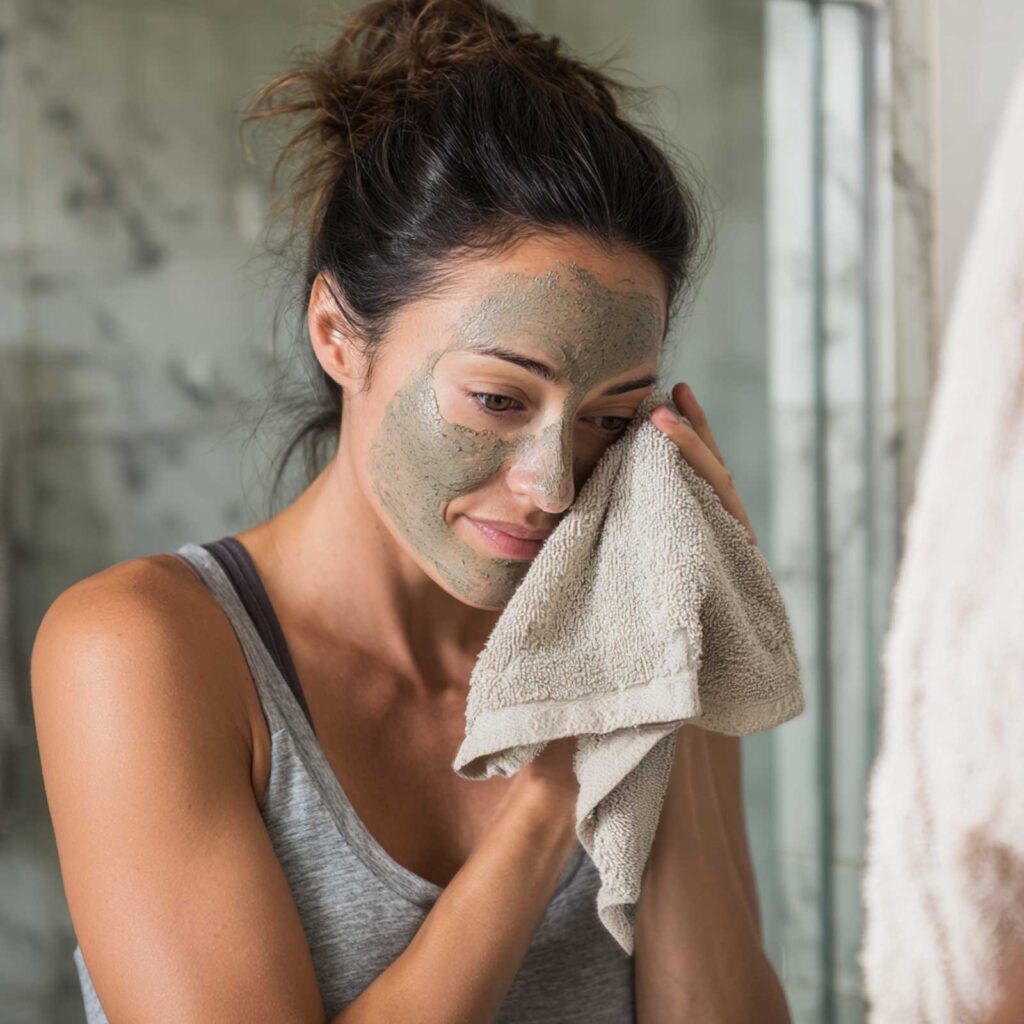
Keeping tools simple prevents friction from derailing the habit. Clean fingers or a brush create a thin film. Lukewarm water is enough for removal. A dedicated cloth reserved for masks makes the ritual neat. When the process is easy, it happens regularly. Payoffs appear quietly: fewer blotting papers, foundation that lasts, a smoother cleansing feel, and a more refined reflection.
Dilution adds flexibility. A pea-sized portion mixed with hydrating gel turns a strong mask into a featherlight refresh. A splash of rosewater thins clay for summer mornings. If two jars live in a household, they can be assigned to zones—one zinc-based for the T-zone, one kaolin-forward for the cheeks. Over time, your hands reach for the right jar by instinct. That’s customization becoming second nature.
Safety signals and seasonal tweaks
Clay masks are safe for most, yet listening to feedback keeps results steady. Tightness that lingers signals either too long a session or the need for dilution. Redness lasting into the next day suggests harsh removal or overuse. Stinging at application often points to fragrance or botanicals clashing with a reactive mood. With small adjustments, most people find a rhythm that feels good for months.
Seasonal shifts invite tweaks. Summer sessions may be shorter, finished with gel moisturizers. Winter passes can be slightly diluted and followed by richer creams focused on the perimeter. High-pollen seasons call for thorough cleansing before masking and fragrance-free follow-ups. Travel days benefit from quick cool-leaning sessions that reset sunscreen and salt. The ritual stays the same; only the settings change.
The payoff isn’t dramatic. It’s steady mornings and fewer midday fixes. Makeup lands evenly. Bare skin reads smoother. The person who keeps this rhythm doesn’t need to chase trends or memorize trivia. They have a tool they can tune for any day, and that tool quietly helps every other step in their routine work better.
As a long time natural skin care fan I discovered Reviva Labs many years ago. After buying and using Reviva products for several years, I started contributing to Reviva Labs' blog in 2015.


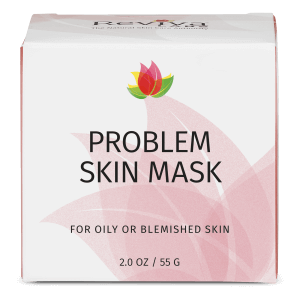 Problem Skin Mask
1 × $12.99
Problem Skin Mask
1 × $12.99 Reviva Labs Catalog 1 × $0.00
 10% Glycolic Acid Créme
$31.90
10% Glycolic Acid Créme
$31.90 Dark Spot Brightening Serum
$22.00
Dark Spot Brightening Serum
$22.00 3% Glycolic Acid Cleanser
$18.00
3% Glycolic Acid Cleanser
$18.00 4.2% Glycolic Acid Toner
$18.00
4.2% Glycolic Acid Toner
$18.00