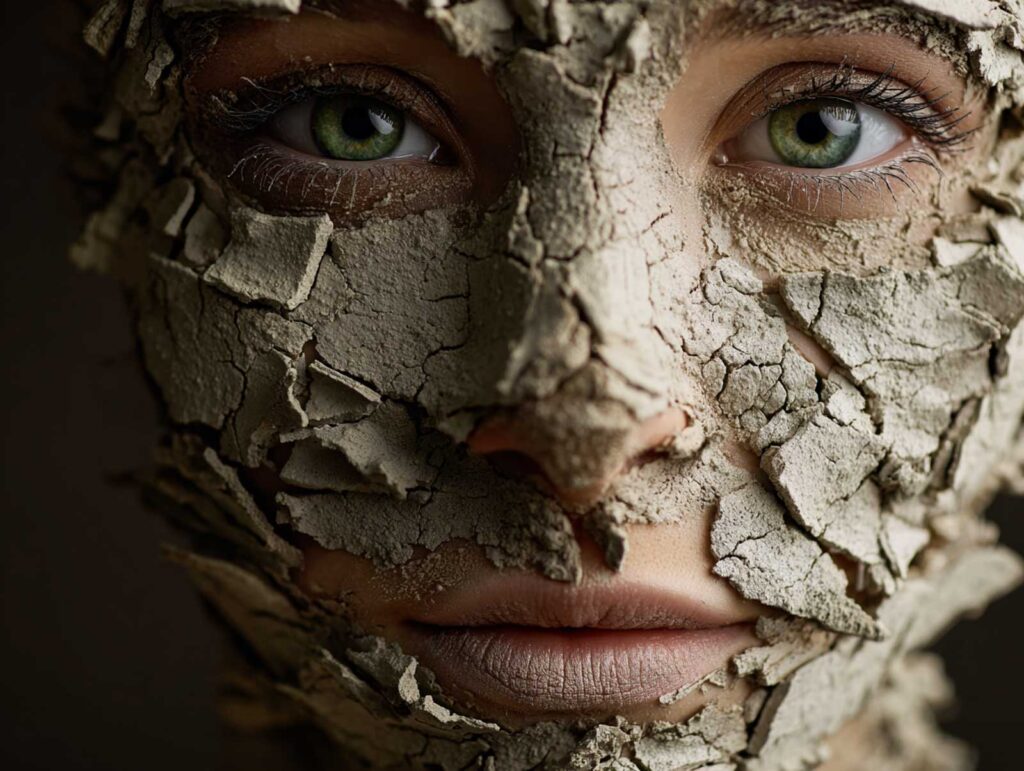
On a quiet evening, centuries ago, someone sat beside a riverbank and spread wet earth across their face. The gesture might have been playful, ritualistic, or simply instinctive. Yet what followed was unmistakable: once the mud dried and flaked away, the skin beneath felt lighter, freer, almost reborn. That simple act – layering the skin with clay and rinsing it away – became one of humanity’s first beauty rituals. Today, the jars in our bathrooms look sleeker, the ingredient lists longer, but the impulse is the same. We still reach for clay when we want the skin to reset.
The question that drives modern skincare, though, is not just about refreshment. It’s about preparation. How do you make a serum with niacinamide penetrate where it should? How can hyaluronic acid molecules bind water more effectively within the skin? Why does one cream seem to fade into the epidermis while another lingers, sticky and unyielding? The answer, often overlooked, begins not with the product itself but with the surface it meets. And clay masks, as humble as they appear, are quietly essential to this story.
Skin is a fortress. Its outermost wall, the stratum corneum, is only about the thickness of a sheet of paper, yet it’s marvelously effective at its job. Dead cells, flattened like tiles, are held together by lipids in a structure scientists compare to brick and mortar. This wall is what keeps pathogens, pollutants, and even excess water from breaching our bodies. Without it, we would not survive.
But for skincare, this barrier poses a paradox. We want it intact to keep us healthy, yet we also want it permeable enough to let in antioxidants, retinoids, peptides, and hydrators. If the surface is congested – coated with sebum, dead cells, or microscopic debris – the wall becomes even more impenetrable. This is why exfoliation, whether chemical, physical, or enzymatic, is one of the most vital steps in any effective routine. Clay masks excel at this not through brute force but through a subtler chemistry of attraction and exchange.
The Magnetic Nature of Clay
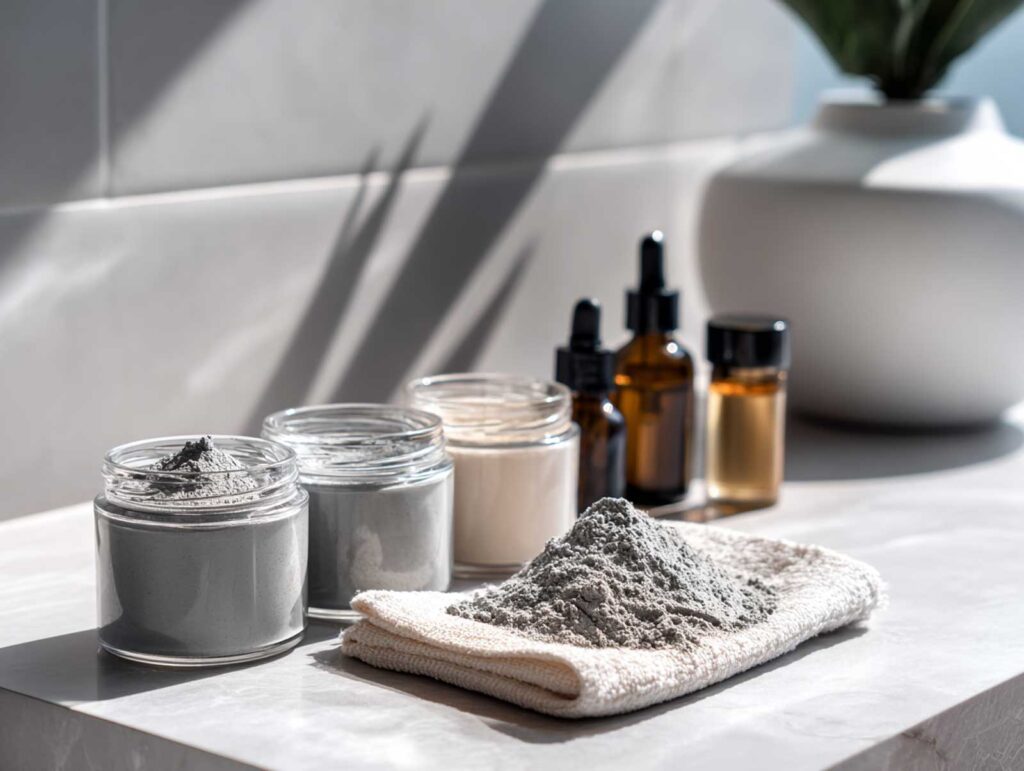
Clays are charged minerals, formed over millennia from the weathering of rocks. Kaolin, bentonite, French green, rhassoul: each variety has its own texture, mineral content, and absorptive capacity. What they share is an ability to bind with oil, impurities, and even heavy metals. When applied to skin, their fine particles spread into the pores, where they attract sebum and detritus like tiny magnets.
As the mask dries, it contracts slightly, creating the familiar tightening sensation. This is not just a quirk of texture but part of the cleansing process. The physical contraction draws debris outward, allowing the rinse to sweep it away. The result is a surface not only cleaner but also texturally smoother, more even, and better prepared to welcome what comes next.
Exfoliation by Another Name
The act of applying clay has always carried a dual purpose: cleansing and exfoliating. In Reviva’s Light Skin Peel, for example, kaolin clay mingles with salicylic acid, papaya enzymes, and almond meal. The clay handles oil and pore debris, while the enzymes dissolve the bonds that keep dead cells clinging stubbornly to the surface. Almond grains add just enough tactile polish. Together, they clear away the cellular clutter that prevents serums from settling evenly.
This layering of methods is deliberate. The dead cell layer may be only microns thick, but it has an outsized influence on product efficacy. Remove it gently, and suddenly, a vitamin C serum that once seemed lackluster begins to brighten. A peptide cream glides more smoothly and feels as though it belongs, not as though it’s sitting on top.
Oil, Film, and Frustration
If dead skin is one obstacle, oil is another. Sebum, the skin’s natural lubricant, can become excessive, forming a slick that resists water-based treatments. This is especially frustrating for those managing breakouts, where acne treatments are often aqueous. Clay masks such as Reviva’s Problem Skin Mask target this challenge directly. Its kaolin and zinc oxide absorb oil, while sulfur and camphor address bacteria and inflammation. Once this oily film is reduced, water-loving serums have a chance to actually meet the skin rather than bead up on its surface.
Here lies an irony: in the name of protection, the body produces more oil, and in the attempt to treat it, we sometimes apply products that never properly reach their target. Clay interrupts this loop by resetting balance, not only removing oil but normalizing its production. Over time, the skin’s environment becomes less hostile to treatment, and more cooperative.
Hydration, the Hidden Key
There is a common fear that clay masks leave the face desert dry. And indeed, older formulations sometimes did. But hydration is as critical to absorption as clarity. A plump, hydrated stratum corneum is more permeable than a parched one. This is why modern masks often blend clays with humectants and emollients.
Reviva’s Fruit Enzyme Mask is a case in point. Aloe vera, hyaluronic acid, and sweet almond oil temper the absorbency of kaolin and bentonite. Enzymes from pumpkin, pineapple, and papaya add a gentle digesting effect, clearing proteins that hold dead cells together. What emerges is a balance: purification without desiccation. After rinsing, the skin is not only oil-free but also hydrated and calm – an ideal condition for absorption.
Ritual, Rhythm, and Reset
What is fascinating about clay is how it has transcended culture and geography. Egyptians mixed it with herbal powders, Native Americans used bentonite-rich earth for purifying rituals, and in Morocco, women still frequent hammams where rhassoul clay softens skin and hair. The continuity suggests something universal: that humans, across time, have recognized the need for periodic reset.
Modern routines echo this. A weekly or bi-weekly clay mask functions like a punctuation mark in skincare. It signals a pause, a stripping back, a return to baseline. In that rhythm, long-term absorption improves not because of one grand intervention but because the surface never drifts too far into imbalance. Serums don’t waste their potency fighting through barriers. Moisturizers don’t sit inert. Everything moves as intended.
Science in Service of Sensation
Even the sensations of clay – the cool spread, the tightening, the rinse – play a role in its effectiveness. As the mask dries, microcirculation increases, bringing nutrients and oxygen closer to the surface. This is not merely anecdotal. Studies show that localized heat or tightness can stimulate superficial blood flow, priming the skin for the influx of active molecules that follow.
There is also psychology at work. The act of masking creates anticipation. When you remove the mask, there is an immediate sense of freshness, of readiness. Applying a serum in that moment feels more potent, even ceremonial. And in skincare, perception often reinforces outcome. If a routine feels effective, consistency follows, and consistency is what builds real results.
The Partnership with Active Ingredients
Some skincare ingredients demand extra care to perform. Vitamin C, in its purest forms, oxidizes quickly and needs efficient delivery. Retinol, revered for its power, can irritate if it lingers on the surface without absorbing. Peptides and growth factors, delicate in structure, are wasted if trapped above the stratum corneum.
Clay masks act as allies here. By clearing obstructions and refining texture, they create pathways for these actives to move. For example, following a mask with Reviva’s Vitamin C Serum maximizes brightness and collagen support, because the skin is free from the uneven absorption that dulls results. Similarly, a peptide-rich cream glides into freshly clarified skin without the interference of oil or roughness.
Professional and Personal Intersections
Step into a spa, and you’ll see this logic in practice. Estheticians rarely apply potent serums without first cleansing and masking. A clay mask midway through a facial prepares the skin for the targeted treatments that justify the session’s cost. At home, the same principle applies. Even without professional machines or techniques, the sequence – mask, then treat – delivers more than the sum of its parts.
The democratization of these rituals is itself remarkable. What was once the province of hammams, temples, or professional salons now sits in an unassuming jar on a bathroom shelf. That accessibility does not diminish the ritual’s depth. If anything, it expands it, allowing more people to experience what generations before intuited: preparation is half the journey.
Beyond Absorption: The Subtle Benefits
Though this essay centers on absorption, it’s worth acknowledging clay’s other gifts. Masks refine the appearance of pores, reduce surface redness, and soothe irritation when blended with botanicals. They also provide a sensory break from the speed of daily life. Ten quiet minutes as a mask dries may be as beneficial to the mind as to the skin. In that stillness, the relationship with skincare becomes less transactional and more relational.
And perhaps this is why clay endures. It is not only a cosmetic tool but a reminder that the skin, like the self, benefits from ritual cleansing and renewal. Absorption may be the scientific explanation, but ritual is the human one.
Closing Reflection
Clay masks do not transform the skin by magic. They work because they remove what doesn’t belong – oil, debris, hardened cells – so that what does belong, the serums and creams chosen carefully for their actives, can reach their targets. They prepare the way. In Reviva’s collection, the Light Skin Peel, the Fruit Enzyme Mask, and the Problem Skin Mask embody this philosophy.
Every skincare journey asks the same quiet question: how can we help the skin function at its best? The answer begins not with piling on more but with making space, with clearing, with preparing. And clay, humble and ancient, still offers that gift.
As a long time natural skin care fan I discovered Reviva Labs many years ago. After buying and using Reviva products for several years, I started contributing to Reviva Labs' blog in 2015.


 Light Skin Peel Mild Exfoliant
1 × $26.00
Light Skin Peel Mild Exfoliant
1 × $26.00 Reviva Labs Catalog 1 × $0.00
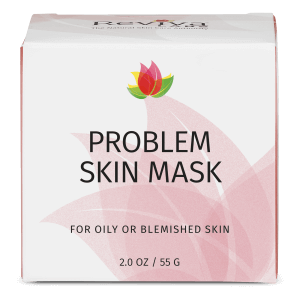 Problem Skin Mask
1 × $12.99
Problem Skin Mask
1 × $12.99 INTERCELL™ Hyaluronic Acid Day Créme
$18.00
INTERCELL™ Hyaluronic Acid Day Créme
$18.00 10% Glycolic Acid Créme
$31.90
10% Glycolic Acid Créme
$31.90 Dark Spot Brightening Serum
$22.00
Dark Spot Brightening Serum
$22.00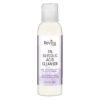 3% Glycolic Acid Cleanser
$18.00
3% Glycolic Acid Cleanser
$18.00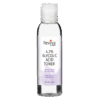 4.2% Glycolic Acid Toner
$18.00
4.2% Glycolic Acid Toner
$18.00