Your skin can be oily and tight at the same time. It can shine at noon and feel rough by night. And it can break out while still looking dull and lined. That is the paradox of dehydrated combination skin, and it is more common than most people think.
How to Balance Dehydrated Combination Skin Recommended Products
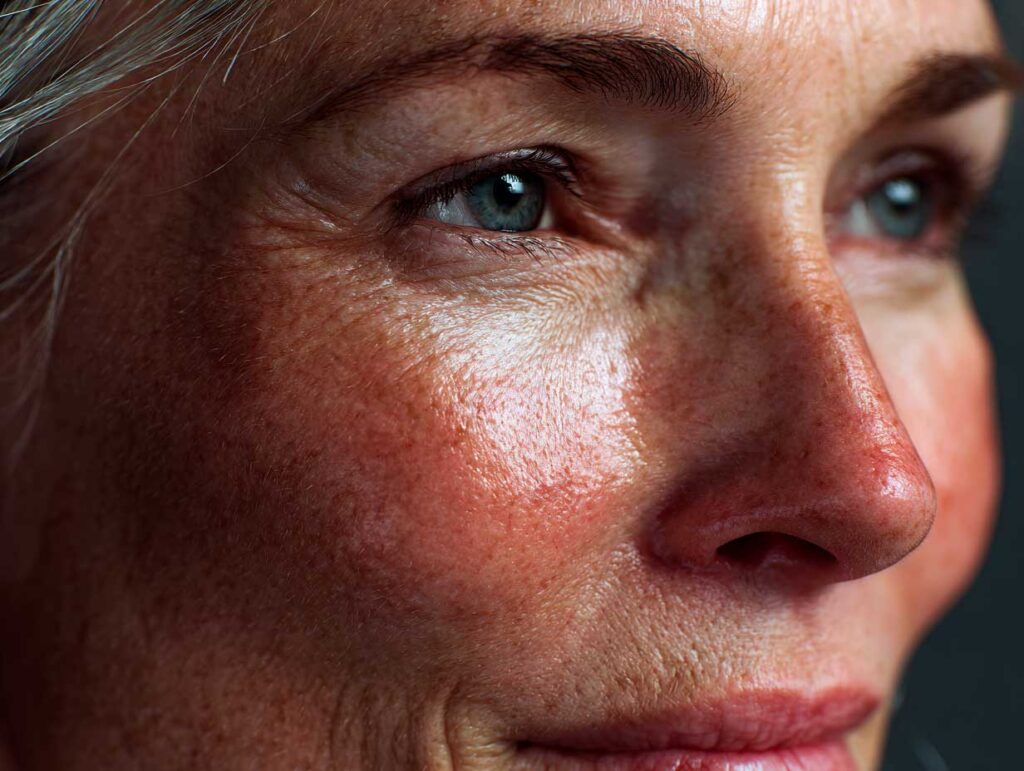
Dehydration is not the same as dryness. Dry skin lacks oil. Dehydrated skin lacks water. When you have combination skin, you already manage two or more “zones” on your face. Add dehydration, and the routine you thought worked can start to fail. Your T-zone might look greasy, yet your cheeks feel papery. Fine lines appear more obvious. Makeup clings to patches you did not know you had.
Research published in Clinical, Cosmetic and Investigational Dermatology notes that transepidermal water loss increases when the skin barrier is impaired, leading to tightness, roughness, and increased sensitivity. That loss of water often triggers a rebound effect. Skin produces more oil in an attempt to compensate, which explains why dehydrated skin can still look shiny.
Balancing dehydrated combination skin is less about fighting oil and more about restoring equilibrium. It requires a shift in mindset. You stop attacking your skin and start supporting it.
What Dehydrated Combination Skin Really Looks Like
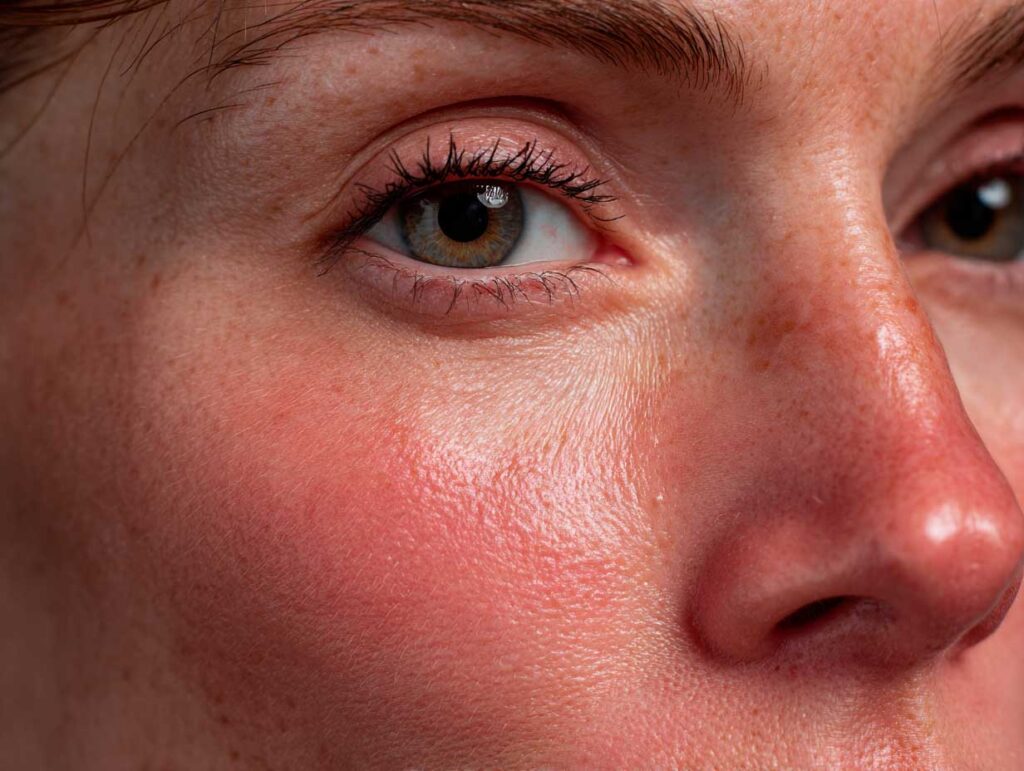
Combination skin usually means oil in the T-zone and normal to dry cheeks. Dehydration complicates that pattern. Instead of a simple oily-versus-dry split, you see uneven texture, fluctuating shine, and random sensitivity. The skin might sting when you apply products that never bothered you before. Pores appear more visible. Fine lines show up around the eyes and mouth even if you are not prone to wrinkles.
A key sign is tightness after cleansing. If your skin feels stretched or uncomfortable within minutes of washing, you likely stripped too much moisture. Another sign is that your usual moisturizer seems to disappear instantly. The skin absorbs it, but still feels thirsty.
Makeup behavior also tells the story. Foundation can separate on the nose while clinging to dry patches on the cheeks. Powder may exaggerate texture. Highlighter looks flaky instead of luminous. These signals all point to the same issue. Your skin barrier is not holding onto water effectively.
Why the Skin Barrier Matters More Than Oil Control
The outermost layer of your skin, the stratum corneum, functions like a brick wall. Skin cells are the bricks. Lipids act as the mortar. When the mortar breaks down, water escapes. Environmental stress, over-exfoliation, harsh cleansers, and even low humidity accelerate that process.
When you focus only on oil control, you often make things worse. Foaming cleansers with strong surfactants remove not only excess sebum but also essential lipids. High percentages of exfoliating acids used too often weaken the barrier. Alcohol-heavy toners increase evaporation.
Combination skin tempts you to treat the T-zone aggressively. But if dehydration is present, every overly drying step sends your skin into a cycle of loss and overproduction. Oil increases. Shine worsens. You add stronger products. The barrier weakens further. The solution begins with restraint. Less stripping. More replenishing.
Cleansing Without Compromise
Cleansing is where many routines go wrong. If your face feels squeaky clean, it is often too clean. The goal is to remove dirt, sunscreen, and excess oil without disturbing your protective lipids.
A gentle, creamy cleanser works well for dehydrated combination skin. Something like the Cleansing Milk offers a non-foaming option that removes makeup while leaving skin comfortable. It contains aloe and plant oils, which help reduce that tight post-wash feeling.
If you prefer a gel texture, choose one without harsh sulfates. Use lukewarm water, not hot. Limit cleansing to twice daily. Overwashing increases water loss.
At night, if you wear heavy sunscreen or makeup, consider a double cleanse. Start with a mild oil-based cleanser to dissolve buildup. Follow with a gentle second cleanse. The key is to avoid aggressive scrubbing. Friction alone can impair the barrier.
Hydration Is Layered, Not Loaded
One thick cream does not fix dehydration. Water needs humectants to attract it and occlusives to seal it in. Combination skin benefits from lighter layers rather than a single heavy step.
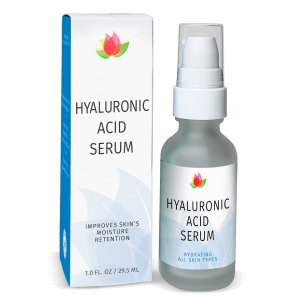
Start with a hydrating toner or essence. Look for ingredients such as glycerin or hyaluronic acid. These bind water to the skin’s surface. A product like the Hyaluronic Acid Serum delivers targeted hydration without heaviness.
Apply it to damp skin. This step matters. Humectants pull water from their environment. If your skin is slightly moist, they have more to work with.
Next, add a lightweight moisturizer that includes both humectants and lipids. You want ingredients like squalane, plant oils, or ceramides. They reinforce the mortar between skin cells. For combination skin, choose a formula that absorbs cleanly without leaving a thick film.
At night, you can layer a slightly richer cream on drier areas only. There is no rule that says every part of your face needs identical treatment. Your cheeks might need more support than your forehead.
Exfoliation With Intention, Not Aggression
Exfoliation improves texture and allows treatment products to penetrate. But dehydrated skin cannot tolerate constant resurfacing.
If you use glycolic acid or fruit enzymes, reduce frequency. Once or twice weekly is often enough. The 3% Glycolic Acid Cleanser offers mild exfoliation within a wash-off format, which can be gentler than leave-on acids.
Pay attention to how your skin reacts the next day. If you see increased shine and tightness, you likely overdid it. Scaling back often improves both oil balance and comfort.
Avoid stacking exfoliants. Do not use a scrub, acid toner, and retinol on the same night. Space them out. Give your barrier time to recover.
Targeted Treatments for Balance
Dehydrated combination skin often has uneven tone or early fine lines. The temptation is to layer multiple active serums. But balance requires prioritization.
Peptides and gentle firming ingredients work well at night without increasing dryness. If you choose retinol, introduce it slowly. Use a pea-sized amount and apply over a hydrating serum to buffer potential irritation.
Spot treat where needed. If your T-zone breaks out, use a targeted product there rather than applying strong acne treatments across your entire face.
Sunscreen Is Non-Negotiable
Dehydrated skin is more reactive to environmental stress. UV exposure increases water loss and weakens collagen over time. Daily sunscreen helps preserve both hydration and structure.
Choose a lightweight, broad-spectrum formula. If sunscreen feels drying, layer a hydrating serum underneath. Allow each layer to absorb before applying the next. Skipping sunscreen undermines every other step in your routine.
Internal Hydration and Environmental Support
Topical care matters, but lifestyle influences your skin’s water balance. Low indoor humidity during winter increases transepidermal water loss. A humidifier can make a measurable difference.
Drinking water supports overall health, though it does not instantly hydrate the skin. Consistency matters more than volume in a single day. Diets rich in essential fatty acids support the lipid barrier. Foods like salmon, walnuts, and flaxseed provide building blocks your skin uses.
Sleep also influences barrier repair. During deep sleep, the body increases blood flow to the skin and supports recovery processes. Chronic sleep deprivation shows up as dullness and increased sensitivity.
When to Adjust With the Seasons
Combination skin often shifts with climate. In summer, humidity might reduce visible dryness. In winter, heating systems pull moisture from the air.
Adjust texture rather than abandoning your entire routine. In colder months, increase the richness of your moisturizer at night. In warmer months, focus on lightweight hydration layers and oil-free sunscreens. Do not wait for a crisis to adapt. Small seasonal tweaks prevent larger imbalances.
Frequently Asked Questions About Dehydrated Combination Skin
Can oily skin still be dehydrated?
Yes. Oil production and water content are separate processes. An oily forehead does not mean the skin is hydrated.
Should you avoid oils entirely?
Not necessarily. Lightweight oils such as squalane or rosehip can support barrier repair without clogging pores. The key is choosing the right type and amount.
Is mattifying makeup a problem?
It can be. Heavy powders absorb oil but also draw moisture from the surface. If you use mattifying products, pair them with strong hydration underneath.
How long does it take to rebalance the skin?
With consistent care, many people notice improvement in two to four weeks. Barrier repair takes time. Patience and restraint outperform aggressive overhauls.
The Role of Functional Skincare
Balancing dehydrated combination skin aligns with a functional approach to skincare. You choose products based on what they do, not what trends promise. The Reviva philosophy centers on straightforward formulas designed to target specific concerns and layer effectively.
This mindset matters. Instead of chasing the latest ingredient, you focus on your skin’s signals. Tightness means increase hydration. Excess shine paired with discomfort means repair the barrier, not strip it further.
Functional skincare supports the Prepare, Prevent, Correct, Enhance framework described in the brand’s structure. You prepare with gentle cleansing, prevent with antioxidants and sunscreen, correct uneven tone or texture thoughtfully, and enhance overall radiance with hydration.
That structure prevents overwhelm. It also prevents the common mistake of layering incompatible actives without purpose.
A Sample Balanced Routine
Morning begins with a gentle cleanse. Follow with a hydrating serum applied to damp skin. Add a lightweight antioxidant serum if desired. Seal with a balanced moisturizer. Finish with sunscreen.
Evening starts with thorough but gentle cleansing. Apply hydrating serum again. Add treatment products such as peptides or retinol on alternating nights. Use a slightly richer cream on drier areas. Skip exfoliation unless it is your designated night. This routine sounds simple. Simplicity is often what dehydrated skin needs most.
References
Kelleher M, Dunn-Galvin A, Gray C, Murray DM, Kiely M, Kenny L, McLean WHI, Irvine AD, Hourihane JO. Skin barrier dysfunction measured by transepidermal water loss at 2 days and 2 months predates and predicts atopic dermatitis at 1 year. Journal of Allergy and Clinical Immunology. 2015;135(4):930–935.e1. https://pubmed.ncbi.nlm.nih.gov/25618747/
As a long time natural skin care fan I discovered Reviva Labs many years ago. After buying and using Reviva products for several years, I started contributing to Reviva Labs' blog in 2015.



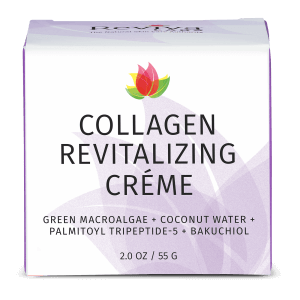 Collagen Revitalizing Créme
1 × $38.50
Collagen Revitalizing Créme
1 × $38.50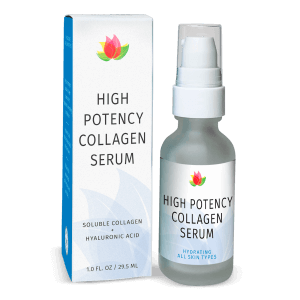 High Potency Collagen Serum
1 × $28.00
High Potency Collagen Serum
1 × $28.00 Bakuchiol Plus Serum
Original price was: $32.00.$24.00Current price is: $24.00.
Bakuchiol Plus Serum
Original price was: $32.00.$24.00Current price is: $24.00. Collagen Fibre Eye Pads with Myoxinol
$30.00
Collagen Fibre Eye Pads with Myoxinol
$30.00 Collagen Night Créme
$20.00
Collagen Night Créme
$20.00