
Clean Beauty, Reviva Labs, Skin Care
Your Anti-Aging Routine Might Be Aging You

Feb
For more than fifty years, exfoliation and layering have been part of serious skincare conversations. Reviva promoted safe daily exfoliation long before acids became social media trends, and performance ingredients like glycolic acid, peptides, and retinol have always been viewed as tools, not threats. The problem is not strong ingredients. The problem is structure. When intensity outpaces recovery, even excellent ingredients can create unnecessary reactivity.
The modern skincare landscape encourages stacking. Cleanser with acids. Exfoliating toner. Retinol serum. Peptide cream. Vitamin C. Brighteners. Another exfoliant. None of these categories are inherently problematic. In fact, when intelligently layered and properly balanced, they can accelerate visible improvement in tone, texture, and firmness. The issue arises when routines become chaotic rather than strategic.
The goal of functional skincare is amplification without destabilization. A hallmark of Reviva’s formulas, strong actives are paired with soothing agents. Resurfacing ingredients are buffered. Renewal is supported with hydration and lipid replenishment. When layering is engineered rather than improvised, skin becomes smoother and more resilient instead of reactive.
Anti-Aging Routine Recommended Products
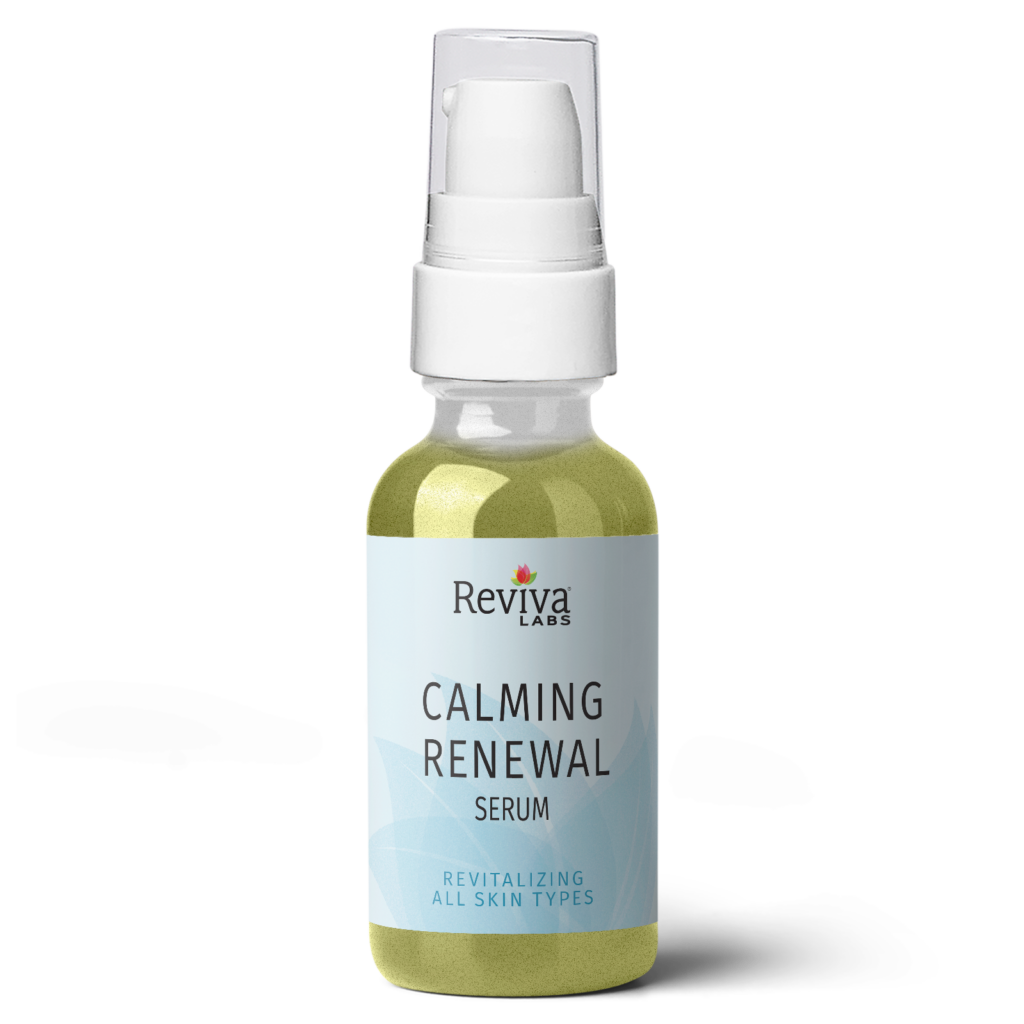

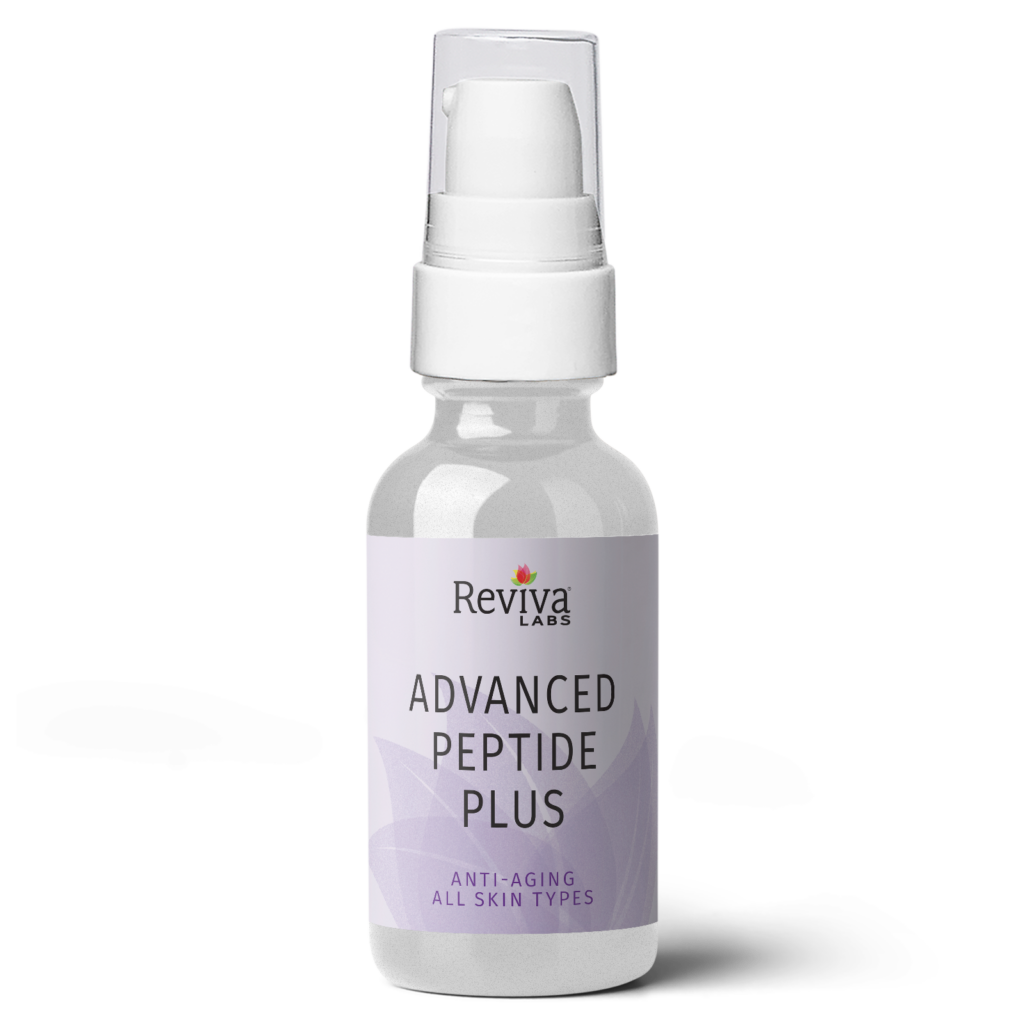

The Anti-Aging Barrier Is Dynamic, Not Delicate
The skin barrier is often described as fragile, but that description misses the mark. The outermost layer of the epidermis renews constantly, replacing old surface cells with healthier ones in a continuous cycle. Exfoliation supports that process by encouraging the release of compacted cells that can make skin appear dull and uneven. When turnover improves, light reflects more evenly and skin looks refreshed.
However, renewal requires rebuilding. When cell turnover increases, the skin must also restore lipids and natural moisturizing factors that maintain flexibility and water retention. If resurfacing outpaces replenishment, skin begins to feel tight or look flushed. That response is not a sign that exfoliation is wrong. It is a signal that recovery support needs to increase.
As we age, our cell turnover naturally slows. Meaning, your natural system needs a boost. Gradual, gentle exfoliation is the answer. But it must be balanced with skin support to avoid over exfoliation and a cascade or skin barrier issues.
Well-designed glycolic formulas address this balance. Buffered systems, humectants, and calming components are often included specifically to reduce unnecessary irritation while delivering resurfacing benefits. When exfoliation is supported with hydration and emollients, refinement and comfort can coexist.
Layering Works When Rhythm Exists
Layering is not excess. Layering is strategy. A cleanser prepares the surface. A toner refines and rebalances. A treatment serum targets a specific concern. A moisturizer reinforces barrier support. When these steps are coordinated, they amplify one another.
Problems arise when rhythm disappears. Using multiple exfoliating steps every single day without allowing the skin time to rebuild can create cumulative stress. Even safe levels of glycolic acid or retinol can feel intense if recovery is ignored. The solution is not elimination. The solution is cadence.
Structured stacking often includes planned recovery nights. One evening might emphasize renewal with acids. The next evening may emphasize barrier reinforcement with lipids, peptides, and hydration. This cycling preserves performance while minimizing unnecessary inflammation. Skin thrives under systems that respect both stimulation and repair.
Smart Stacking for Anti-Aging Has Always Included Rotation
Reviva has advocated intelligent layering for decades. Stacking products is not a new tactic driven by trends. It is a structured system built on the idea that skin benefits from both stimulation and restoration. You do not have to use the same active every single night to see progress. In fact, alternating often produces better long-term outcomes.
Take glycolic acid as an example. A 10% Glycolic Acid Crème can refine texture, encourage renewal, and help smooth the appearance of fine lines when used consistently. That stimulation supports visible improvement. Yet renewal is only half of the equation. Skin also needs rebuilding time to restore lipids, reinforce structure, and maintain resilience.
That is where rotation becomes powerful.
One evening might emphasize resurfacing with glycolic acid. The following night can shift toward recovery by swapping in a Collagen Night Crème. Instead of pushing chemical exfoliation again, the focus moves to nourishment, soothing, and visible firmness support. This restorative evening allows the barrier to recalibrate while still contributing to anti-aging goals.
Collagen-based night formulas are not passive steps. They help support skin’s structural appearance while encouraging comfort. Alternating glycolic with a restorative night does not slow progress. It often enhances it by preventing unnecessary reactivity. When skin remains calm, active ingredients perform more predictably.
This philosophy has always been part of functional skincare. You can rotate nightly. You can alternate weekly. You can swap within categories depending on how your skin feels that day. The key is intention, not rigidity. Intensity without rhythm can create stress. Structured rotation builds strength.
When Smart Stacking Becomes Overcorrection
The headline of this article suggests that your anti-aging routine might be aging you. That risk does not come from exfoliation, retinol, peptides, or brighteners themselves. It comes from ignoring skin feedback and eliminating recovery phases. When resurfacing occurs daily without structured breaks, inflammation can quietly accumulate.
Smart stacking avoids that trap.
If you are using glycolic several nights per week, make sure restorative evenings exist in between. If retinol is part of your routine, pair it with barrier-supportive hydration and avoid layering multiple exfoliants on the same night. If brightening systems are in rotation, ensure that moisturizing and soothing formulas remain constant anchors.
This approach protects performance while minimizing irritation. Skin that feels comfortable often looks younger than skin that appears constantly flushed or tight. Recovery is not retreat. It is reinforcement.
The Long-Term Advantage of Alternating
Alternating actives allows each category to perform more effectively. Glycolic nights refine. Collagen-support nights restore. Peptide nights signal. Hydration nights replenish. Over time, this system produces cumulative improvement without chronic stress.
This is why Reviva has never framed stacking as excess. It is architecture. You are building results in layers, not overwhelming the foundation. By rotating strategically, you support renewal while preserving the barrier that makes renewal sustainable.
An anti-aging routine only accelerates aging when it becomes unstructured. When stacking includes rhythm, rotation, and recovery, it strengthens skin rather than stressing it.
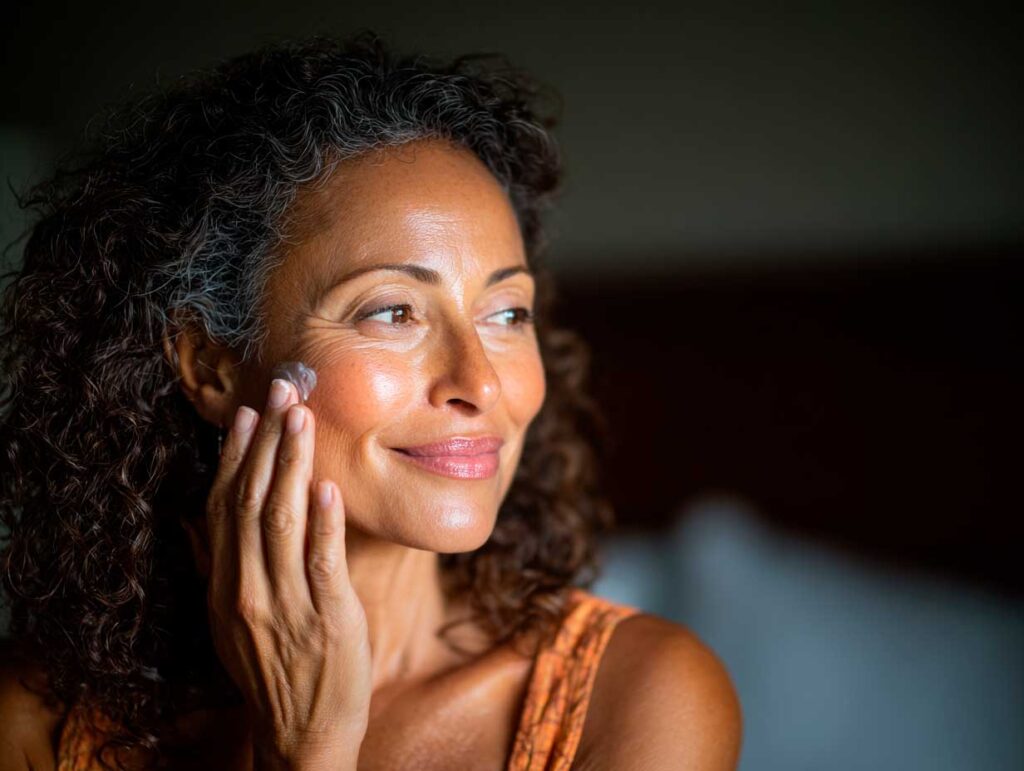
Anti-Aging Exfoliation Is Foundational, Not Aggressive
Exfoliation has earned its place in anti-aging routines because it improves texture and clarity. Dullness often exaggerates fine lines, and uneven cell buildup can make pores look larger. Removing compacted surface cells allows serums and creams to penetrate more efficiently. These are measurable benefits.
The misconception occurs when exfoliation is equated with harshness. Concentration alone does not determine irritation. Formulation design matters. Buffering agents, pH control, soothing extracts, and emollients can dramatically influence how an acid behaves on skin. Safe percentages used consistently often outperform higher percentages used sporadically.
When exfoliation is paired with replenishment, skin often becomes stronger over time rather than weaker. Increased turnover can stimulate healthier surface structure, provided rebuilding is supported. The real aging risk is chronic inflammation, not controlled resurfacing.
Anti-Aging with Retinol Requires Structure, Not Fear
Retinol remains one of the most respected ingredients in anti-aging care because of its ability to improve the appearance of fine lines and uneven tone. It supports renewal and can enhance firmness when used consistently. Avoiding it out of fear is rarely necessary. Using it without structure can create unnecessary discomfort.
Retinol increases turnover, which means barrier reinforcement becomes more important, not less. When paired with hydrating serums and lipid-rich creams, it often performs better with fewer signs of irritation. Frequency matters more than bravado. Alternate-night use frequently produces visible improvements while maintaining comfort.
Stacking retinol with other actives can be effective when thoughtfully sequenced. Separating intense exfoliation from retinol evenings allows skin to respond more predictably. This approach keeps layering intact while preventing cumulative overload.
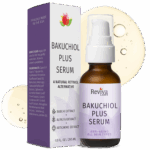
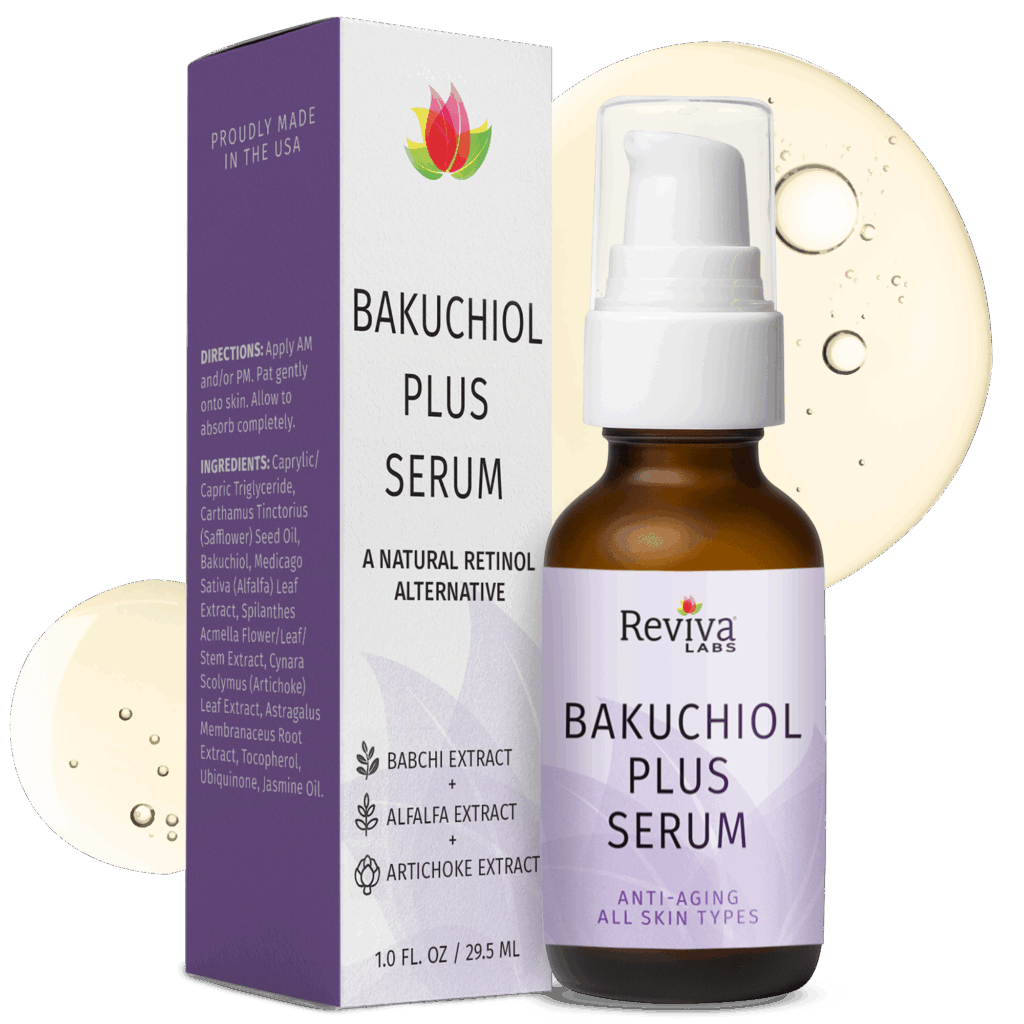
Another approach is incorporating bakuchiol into your routine. This vegan, plant-based alternative to retinol delivers similar visible smoothing benefits with less irritation potential for many skin types. It can replace retinol or be layered alongside it to enhance overall results. Because Reviva’s Bakuchiol Plus Serum is anhydrous, its rich oil base also helps cushion and soothe skin, making it an excellent complement to retinol-based routines.
Brightening Without Destabilizing
Hyperpigmentation is emotionally charged because discoloration feels stubborn and visible. Multi-ingredient brightening formulas often combine exfoliants with pigment regulators to address tone from multiple angles. When used within a balanced routine, these combinations can improve overall radiance and clarity.
The risk appears when brightening becomes relentless. Continuous resurfacing without hydration can make skin appear thinner and more reactive, which sometimes exaggerates uneven tone. Strategic cycling prevents this pattern. Brightening treatments can be layered effectively when the surrounding routine emphasizes support.
Healthy skin reflects light more evenly. Often, visible radiance improves once inflammation decreases and hydration increases, even before pigment visibly fades. That observation reinforces a simple principle. Correction performs best on stable skin.

Peptides and Firming Systems Thrive in Calm Environments
Peptides, antioxidants, and firming complexes support the appearance of smoother, more resilient skin. These ingredients communicate with skin differently than acids. They do not exfoliate. They signal. For signaling ingredients to perform well, the environment must be relatively calm.
Chronic irritation interferes with visible improvement because inflammation disrupts collagen stability. When layering includes barrier support, peptides can function more predictably. This reinforces the importance of rhythm rather than restraint. The goal is synergy, not reduction.
Well-designed formulas often combine peptides with hydrating agents and soothing components to enhance compatibility with active routines. This built-in balance allows stacking without sacrificing comfort.
Recovery Is Part of Performance
Recovery does not mean abandoning results. Recovery is an active phase of performance. During rebuilding periods, skin restores lipids, strengthens cell cohesion, and improves moisture retention. These processes enhance the benefits achieved during exfoliation or retinol use.
Hydrating serums containing humectants attract water into the upper layers of skin. Emollient creams help seal that moisture in place and reduce transepidermal water loss. Together, these steps stabilize the barrier so it can tolerate future active sessions more efficiently.
Structured routines treat recovery as equal in importance to correction. This mindset transforms anti-aging from a battle into a system. It preserves the benefits of stacking while minimizing the risks of unmanaged intensity.
Signs Your Routine Needs Rhythm
Skin communicates clearly when it needs adjustment. Persistent tightness, unusual stinging, or redness that lingers beyond application are common signals that recovery has been insufficient. Flaking despite using moisturizer often suggests that exfoliation frequency exceeds rebuilding capacity.
These signals do not require abandoning performance ingredients. They require recalibrating cadence. Reducing frequency temporarily while increasing hydration often restores comfort quickly. Once stability returns, active steps can be reintroduced thoughtfully.
The presence of sensitivity does not mean exfoliation or layering failed. It means rhythm slipped. Restoring rhythm restores progress.
Functional Skincare Is Engineered, Not Improvised
Functional skincare is built on intentional design. Ingredients are chosen for performance, but they are also supported by complementary components that reduce unnecessary reactivity. Safe levels of actives are selected to deliver results without destabilizing the barrier. This engineering allows stacking to remain effective rather than chaotic.
Layering works best when products are designed to cooperate rather than compete. Mixing high-percentage formulas from unrelated systems can increase unpredictability. Using coordinated formulas developed with balance in mind improves consistency and tolerance.
This distinction separates structured performance from random intensity. Anti-aging does not require stripping. It requires planning.

A Smarter Way to Stack
Morning routines often emphasize protection and hydration. Antioxidants, moisturizers, and sunscreen defend against environmental stress while preserving the results achieved through exfoliation or retinol use. Evening routines can alternate between renewal and rebuilding.
One night might emphasize exfoliation. The following night might emphasize hydration and barrier support. A third night might incorporate retinol with supportive moisturization. This rotation keeps stimulation high enough for visible improvement while protecting long-term resilience.
Over weeks and months, this approach often produces smoother, brighter skin with fewer episodes of reactivity. Aging appears slower not because actives were reduced, but because inflammation was minimized.
Your Routine Is Aging You Only If It Lacks Structure
The headline is provocative for a reason. An anti-aging routine can accelerate visible aging when it generates chronic irritation. Inflammation degrades collagen and disrupts tone. That outcome is not caused by glycolic acid or retinol themselves. It is caused by imbalance.
Layering remains powerful. Exfoliation remains foundational. Stacking remains strategic. What changes the outcome is rhythm. When renewal is paired with rebuilding, skin grows more resilient over time. When stimulation ignores recovery, reactivity emerges.
The solution is not fewer products. The solution is better sequencing. Functional skincare respects both intensity and recovery. When those forces remain in balance, anti-aging routines support skin rather than stress it.
FAQs Barrier Damage
How do I know if my barrier is damaged?
Look for persistent tightness, stinging when applying products, redness that lingers, and flaking despite using moisturizer. If these symptoms appear after increasing actives, the barrier likely needs support.
Can I use retinol and acids together?
Yes, but not always at the same time or daily. Many dermatologists suggest alternating nights or separating them by time of day. Monitor tolerance closely.
Does oily skin still need barrier repair?
Absolutely. Oily skin can be dehydrated. Over drying oily skin often increases oil production as compensation. Balanced hydration benefits all skin types.
How long does barrier repair take?
Minor irritation can calm in a few days. More significant damage can require several weeks. Consistency matters more than adding new products.
The Anti-Aging Long View
Reviva Labs began in 1973 with a focus on function over flash. That mindset still applies. Functional skincare does not chase trends. It evaluates whether an ingredient truly helps people feel better in their skin. The skin barrier embodies that philosophy. It is not glamorous. It does not promise overnight lifting. Yet it determines how every active performs. Protecting it might be the most anti-aging step you can take. If your routine feels complicated and your skin feels confused, simplify. Give your barrier a chance to recover. Aging is inevitable. Accelerated aging from chronic irritation is not.
References
- American Academy of Dermatology Association. Sunscreen FAQs, includes evidence citations for sunscreen helping prevent premature skin aging (wrinkles and age spots). https://www.aad.org/media/stats-sunscreen (American Academy of Dermatology)
- American Academy of Dermatology Association. Survey press release on skin aging concerns and sunscreen use, includes the statement that sunscreen is one of the most effective tools to slow premature aging. https://www.aad.org/news/survey-worry-skin-aging-still-skip-sunscreen (American Academy of Dermatology)
- Farage MA. The Prevalence of Sensitive Skin. Skin Pharmacology and Physiology. 2019. (Open access on PubMed Central, includes population survey ranges for self reported sensitive skin.) https://pmc.ncbi.nlm.nih.gov/articles/PMC6533878/ (PMC)
- Rodan K, Fields K, Falla T. Skincare Bootcamp, The Evolving Role of Skincare. Journal of Drugs in Dermatology. 2016. (Discusses exfoliation disrupting the barrier and increasing transepidermal water loss.) https://pmc.ncbi.nlm.nih.gov/articles/PMC5172479/ (PMC)
- Feingold KR. Role of lipids in the formation and maintenance of the cutaneous permeability barrier. Biochimica et Biophysica Acta. 2014. (PubMed record describing lipid lamellar membranes as the basis of the water loss barrier.) https://pubmed.ncbi.nlm.nih.gov/24262790/ (PubMed)