
Clean Beauty, Natural, Reviva Labs, Skin Care
How Reviva Labs has transitioned from Natural Skincare to Functional Skincare – or Affordable Clean Clinical Beauty

Feb
Reviva Labs began in a small home where the kitchen doubled as a lab and the refrigerator held creams beside milk cartons. Stephen and Judith Strassler were not chasing trends. They were chasing results. Stephen had already spent years studying skin physiology and esthetics, and he believed products should do something measurable for real skin. That early focus on performance, not flash, became the foundation of a brand that would later evolve far beyond its natural skincare origins.
In 1973, skincare was not sleek, sterile, or wrapped in laboratory language. It was personal, messy, and stored next to dinner.
More than fifty years later, Reviva Labs stands firmly in the space now described as affordable clean clinical beauty. The vocabulary has shifted. Consumers speak in terms of peptides, tranexamic acid, barrier repair, and active percentages. Retailers expect compliance, ingredient transparency, and proof of performance. Yet the thread connecting the kitchen lab of 1973 to the modern facility of today remains consistent. Function comes first.

The Natural Skincare Roots
In the 1970s, natural skincare was not a mainstream category. Most products on drugstore shelves relied heavily on synthetic fragrance, petroleum derivatives, and opaque ingredient disclosures. Consumers did not have access to ingredient databases, and regulatory conversations were limited. Choosing plant oils and botanical extracts was not trendy. It was unconventional.
Reviva Labs leaned into botanicals from the beginning. Early formulas incorporated aloe, plant oils, herbal extracts, and gentle cleansing systems designed to respect the skin rather than strip it. The philosophy was simple but disciplined. Ingredients had to contribute to visible improvement in texture, tone, or hydration. If they did not serve a purpose, they did not belong.
By 1974, the company pledged to be cruelty-free, a decision that predated widespread industry adoption by decades. That pledge signaled something important. Reviva’s version of natural was never about aesthetics alone. It was about ethics and responsibility. Clean beginnings were rooted in values as much as in ingredients.
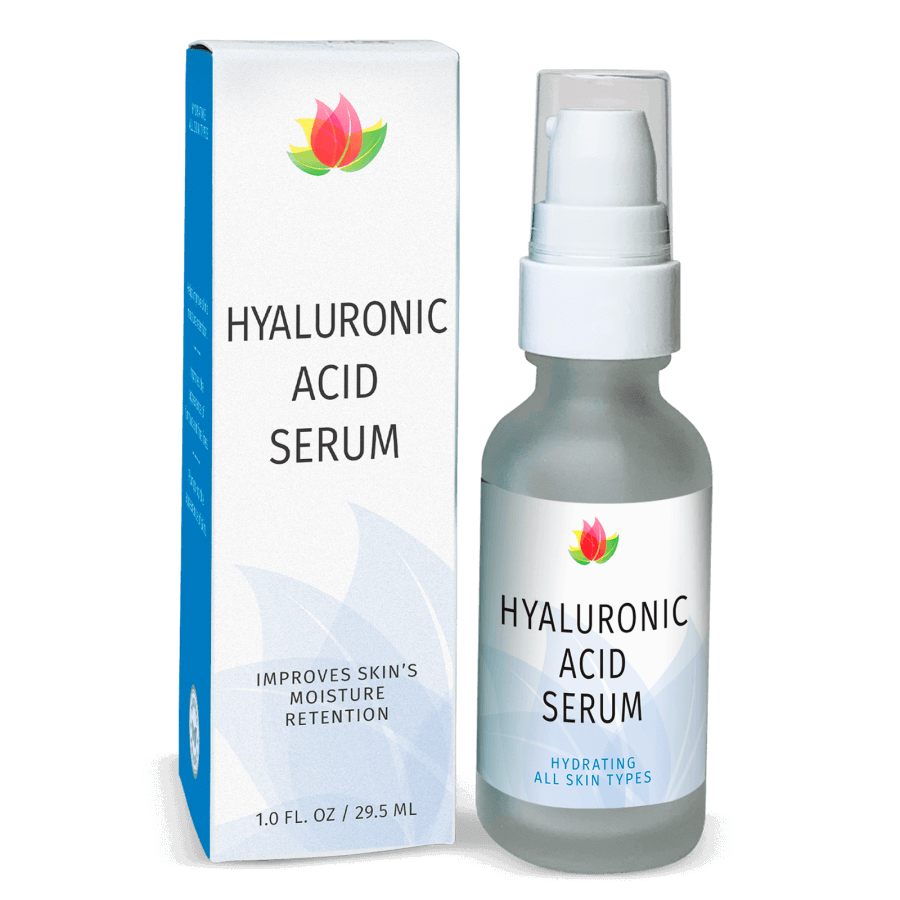
The company’s early embrace of safe exfoliation and topical hyaluronic acid in the 1970s demonstrated that natural did not mean passive. Even then, the founders studied European skincare traditions and emerging ingredients. They traveled, researched, and refined formulas with a practitioner’s mindset. The seeds of clinical thinking were already planted.
Natural Was a Foundation, Not a Limitation
It is tempting to frame the brand’s journey as a pivot from natural to clinical. That framing oversimplifies the story. Reviva did not abandon natural principles. It expanded them.
From the beginning, the founders understood that stability, preservation, and efficacy require thoughtful chemistry. A formula cannot perform if it spoils. A product cannot be safe if it lacks appropriate preservation. Clean never meant raw or unstable. It meant evaluated and justified.
This distinction separates early Reviva from many minimalist natural brands that later entered the market. While some brands equated natural with shorter ingredient lists at any cost, Reviva balanced botanical heritage with scientific discipline. Synthetic ingredients were not rejected automatically. They were assessed on safety and function.
That approach made the transition toward clean clinical beauty more logical than dramatic. The brand did not need to reinvent its identity. It simply articulated more clearly what it had been practicing all along.

The Emergence of Functional Skincare
As consumer awareness grew in the 1990s and early 2000s, ingredient literacy increased. Online databases allowed shoppers to research preservatives, surfactants, and actives. The Environmental Working Group has reported that the average woman uses 12 personal care products daily, exposing herself to 168 unique ingredients. That statistic reshaped the conversation around safety and cumulative exposure.
Reviva responded by formalizing its philosophy under the banner of functional skincare. Functional skincare means formulas are built around targeted concerns. Products are designed to layer intelligently. Ingredients are selected to amplify results when used together. The emphasis shifts from marketing stories to measurable improvement in skin appearance.
This reframing marked a significant evolution. The brand moved from describing itself primarily as natural to describing itself as performance-driven and safe. Clean remained central, but clinical performance moved to the forefront. The language matured alongside the consumer.
Functional skincare also demanded structure. Rather than relying solely on ingredient-led collections, Reviva reorganized its products into four core categories: Prepare, Prevent, Correct, and Enhance. This structure mirrors how estheticians think about treatment plans. It signals intention rather than trend participation.
From Botanical Blends to Active Systems
Clean clinical beauty demands more than plant extracts. It requires active systems designed to address specific skin concerns. Reviva’s evolution is visible in the complexity of its formulations.
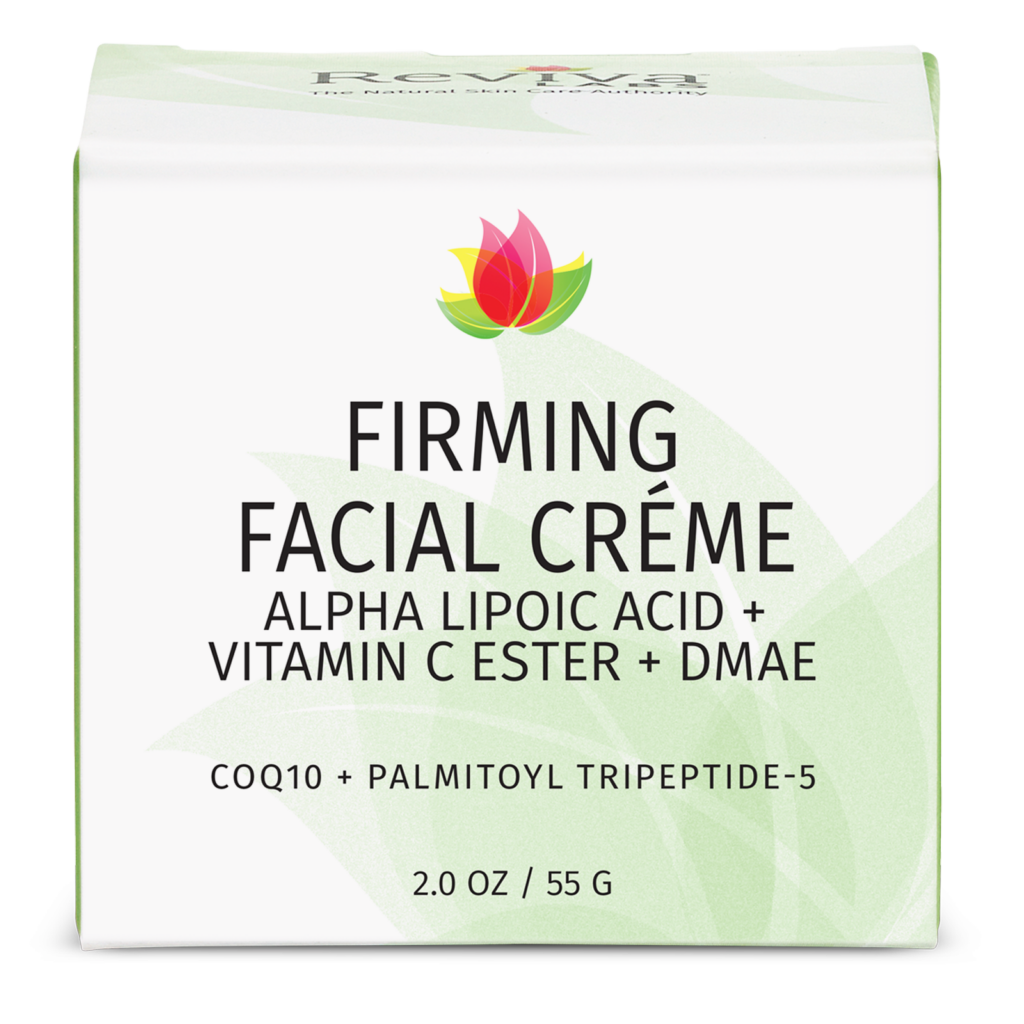
Modern Reviva formulas frequently incorporate peptides, stabilized forms of vitamin C, niacinamide, azelaic acid, tranexamic acid, and bakuchiol. These ingredients are associated with smoothing fine lines, evening tone, supporting collagen appearance, and improving hydration. They are not fringe additions. They are central to corrective skincare conversations.
At the same time, the brand maintains its botanical backbone. Aloe remains common. Plant oils remain present. Marine extracts and herbal components still support skin comfort and barrier balance. Clean clinical, in this context, means high-performance actives layered onto a supportive natural base.
The shift is not about abandoning gentleness. It is about increasing precision. Rather than offering a single brightening botanical, modern formulas combine multiple proven brighteners to target discoloration from different angles. Rather than relying on a single antioxidant, formulas blend complementary antioxidants to address environmental stressors more effectively. The system becomes more intelligent.
Affordability as a Core Principle
Clinical positioning often correlates with higher price points. Many brands equate laboratory language with luxury pricing. Reviva chose a different path.
Affordability has been embedded in the brand mission since inception. The founders sought to provide effective skincare at prices ordinary consumers could justify. That commitment persists. Even as formulas have grown more advanced, the brand has maintained accessible price structures across categories.
Affordability does not mean compromise. It reflects operational discipline. By controlling manufacturing processes and remaining family-owned, the company has protected margins without inflating retail prices unnecessarily. Investments in facility expansion and operational efficiency have supported growth while maintaining accessibility.
This balance between performance and price is central to the clean clinical identity. Consumers who read ingredient lists want potency. They also want value. Reviva speaks to both needs simultaneously.
Visual Evolution Toward Clinical Minimalism
Earlier eras of natural skincare often leaned heavily into rustic aesthetics. Earthy tones, botanical illustrations, and dense copy blocks were common. Over time, Reviva refined its visual identity to reflect clarity and confidence.
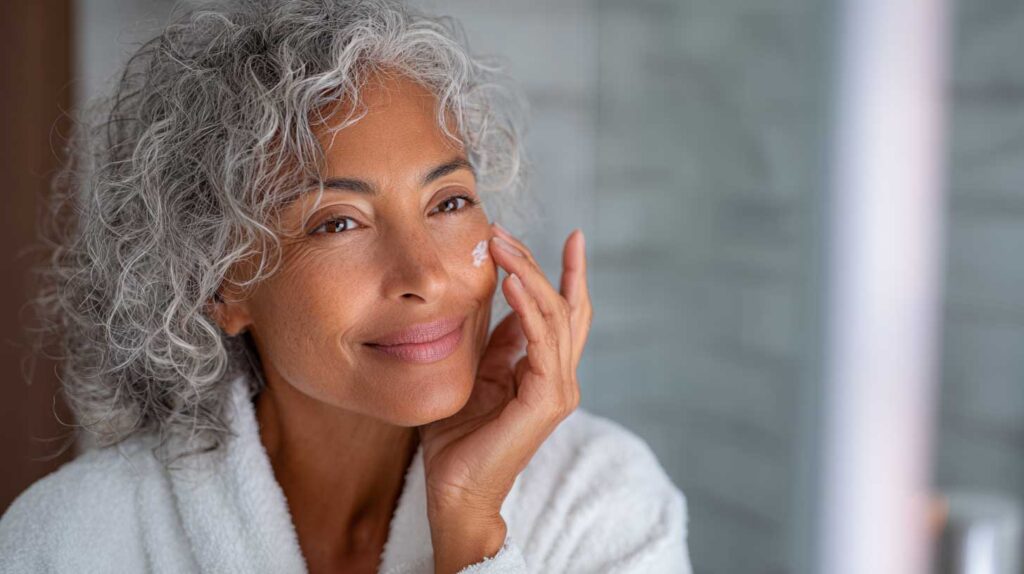
Typography standardized around modern, readable fonts. Color systems became more intentional and subdued. Packaging aligned more closely with clinical cues without abandoning the warmth of the brand’s heritage. Photography guidelines emphasize authenticity, diversity, and real-life scenarios rather than staged glamour.
Clinical does not have to feel cold. Reviva’s imagery captures real people in natural light, engaging in everyday routines. The effect feels grounded and optimistic rather than sterile. That balance reinforces the idea that clinical performance can coexist with approachable warmth.
Generational Trust as Clinical Credibility
The company’s timeline includes early adoption of exfoliating acids, promotion of hyaluronic acid decades before it became mainstream, introduction of peptides to natural products in the late 1990s, and integration of antioxidant complexes well before they dominated marketing copy. These milestones demonstrate sustained engagement with emerging science.
Generational trust amplifies that credibility. Many customers discovered Reviva through mothers or grandmothers who used the products consistently. That multi-generational loyalty reflects reliability. It suggests that formulas delivered enough satisfaction to earn repeat purchase over decades.
Trust becomes a form of clinical proof. When consumers see a brand that has endured for more than fifty years, the implication is stability. Clean clinical positioning built on heritage feels less like reinvention and more like progression.
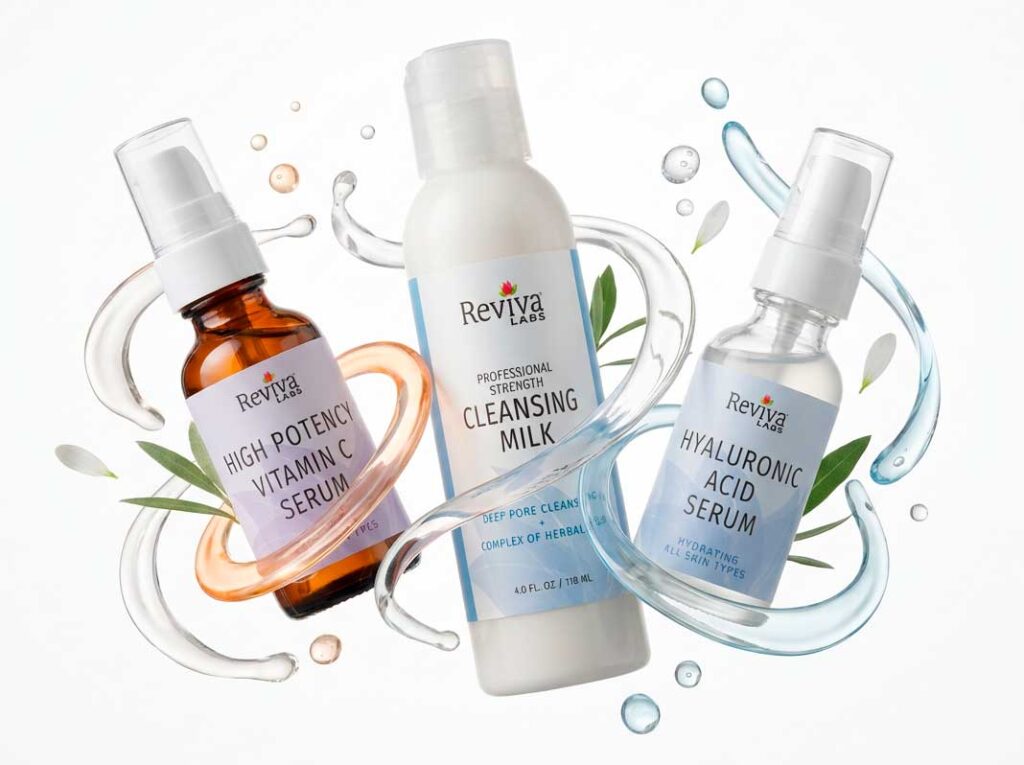
Best Selling Products
Responding to the Modern Consumer
Today’s consumer is informed and skeptical. She scans ingredient lists. She compares percentages. She reads about barrier function, microbiome balance, and post-inflammatory hyperpigmentation. She expects transparency and dislikes exaggerated claims.
Reviva’s transition to affordable clean clinical beauty directly addresses that mindset. Ingredient decks are published in full. Actives are not hidden behind proprietary blends. Claims focus on appearance and cosmetic benefits rather than medical overreach.
This transparency aligns with the definition of clean as safety and accountability. Clean clinical does not promise medical transformation. It promises visible improvement in texture, tone, firmness, and hydration when used consistently. It respects regulatory boundaries while acknowledging consumer sophistication.
The Role of Modern Leadership
In 2024, Reviva Labs entered a new chapter under family ownership committed to preserving its heritage. Operational expansion followed. The company moved into a significantly larger facility, enabling increased production capacity and improved workflow.
Modern leadership did not erase the founders’ philosophy. It reinforced it. The commitment to cruelty-free practices, ingredient scrutiny, and functional results remains intact. What changed was scale and infrastructure.
This phase accelerated the articulation of clean clinical positioning. With expanded resources, the brand could refine packaging, streamline categories, and invest in updated communication. The story became clearer without changing its core message.
Clean Clinical as Maturation, Not Reinvention
The phrase clean clinical beauty can sound like a radical shift. In Reviva’s case, it represents maturation. Natural was the starting point. Functional is the bridge. Clean clinical is the articulation of a long-standing philosophy. Each phase built on the last.
Early botanicals supported comfort and hydration. Exfoliating acids improved texture. Peptides addressed visible aging concerns. Multi-ingredient brightening systems targeted discoloration from multiple pathways. The trajectory moves toward precision and layering.
Yet the guiding question has remained unchanged for more than five decades. Does this formula improve the way skin looks and feels in daily life? If the answer is yes, it belongs. If not, it does not.
Why the Middle Matters
The current beauty market often splits into extremes. On one end, ultra-minimal natural brands emphasize purity over potency. On the other, luxury clinical brands emphasize complexity and price as status signals.
Reviva occupies the middle. It respects natural ingredients but does not romanticize them. It respects science but does not inflate pricing to signal sophistication. It operates in the space where performance meets practicality.
That middle position feels increasingly relevant. Consumers want actives such as niacinamide and peptides. They also want gentle bases that support barrier health. They want transparency without alarmism. They want efficacy without excess. Affordable clean clinical beauty meets those needs. It is neither austere nor extravagant. It is measured.

Looking Ahead to Clean Beauty & Affordability
The evolution from natural skincare to affordable clean clinical beauty is not a finish line. It is an ongoing process. Ingredient research continues. Consumer expectations shift. Regulatory landscapes evolve.
Reviva’s long history suggests adaptability. The brand has already navigated multiple decades of change without losing its core. It has updated language, packaging, and ingredient systems while maintaining its founding values.
Future growth will likely include deeper ingredient education, expanded digital transparency, and continued emphasis on functional layering. The four-category structure of Prepare, Prevent, Correct, and Enhance provides a framework for ongoing innovation without chaos.
From Refrigerator to Research Innovator
The image of creams cooling beside groceries remains symbolic. It captures the humility and determination that launched the brand. Today’s expanded facility represents a different phase, but the spirit is consistent.
Serious work. Practical results. Respect for both nature and science.
Reviva Labs did not abandon its natural roots when it stepped into functional skincare and clean clinical territory. It strengthened them. It layered science onto botanicals. It refined structure. It protected affordability. It clarified its message.
More than fifty years after its founding, the brand stands as proof that evolution does not require erasure. It requires continuity with courage. Clean clinical beauty, in this context, is not a marketing slogan. It is the logical next chapter in a story that began in a crowded refrigerator and continues in laboratories built for scale.
References
- Environmental Working Group. Skin Deep Database Overview.
https://www.ewg.org/skindeep/ - U.S. Food & Drug Administration. Cosmetics Overview and Regulation.
https://www.fda.gov/cosmetics - American Academy of Dermatology Association. Skin Care Basics and Ingredient Guidance.
https://www.aad.org/public/everyday-care/skin-care-basics