
Ingredients, Natural, Reviva Labs, Skin Care
Why Are My Lips Always Dry Even When I Use Lip Balm
Feb
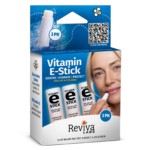
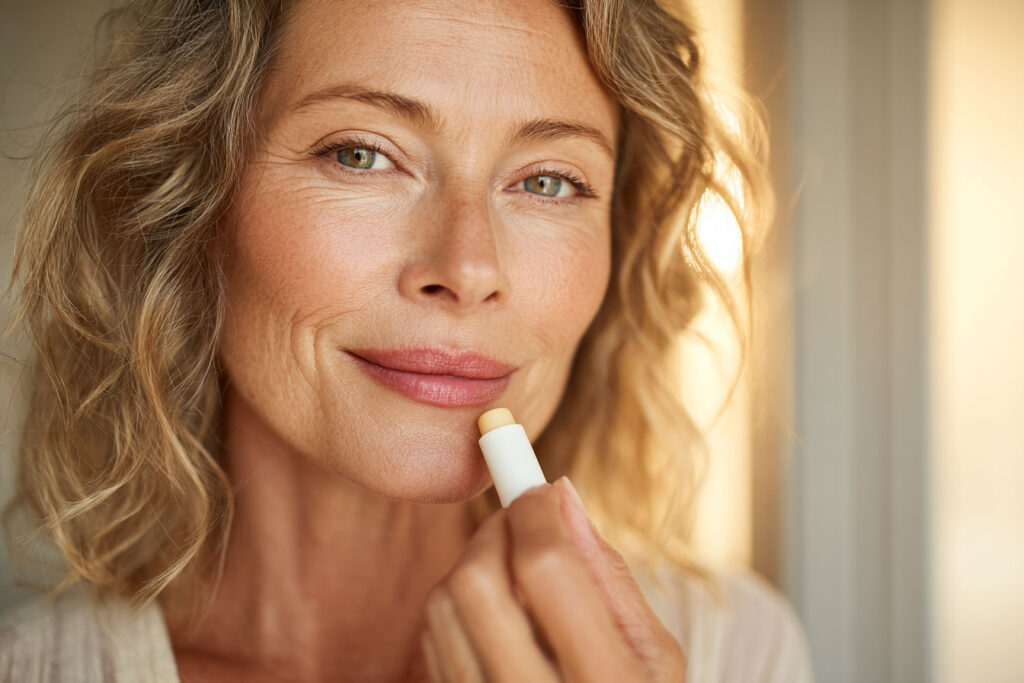
Here is the cheeky answer first. Your lips stay dry because you have not tried Vitamin E-Stick. People who know the product usually laugh when they hear that line, yet it points toward a real problem with many lip care routines. The average person applies lip balm multiple times a day and still struggles with peeling, cracking, or tightness. The balm seems to help briefly, then the dryness returns. That experience leads many people to ask a simple question that deserves a better explanation.
Dry lips are one of the most common skin complaints. Lips feel uncomfortable quickly because the skin there functions differently from the rest of the face. Many people treat lip balm as a quick fix, yet the biology of the lips requires something more thoughtful. When lip care focuses only on temporary relief, dryness returns again and again. Understanding why this happens can change the way people care for their lips.
Dry Lip Recommended Products
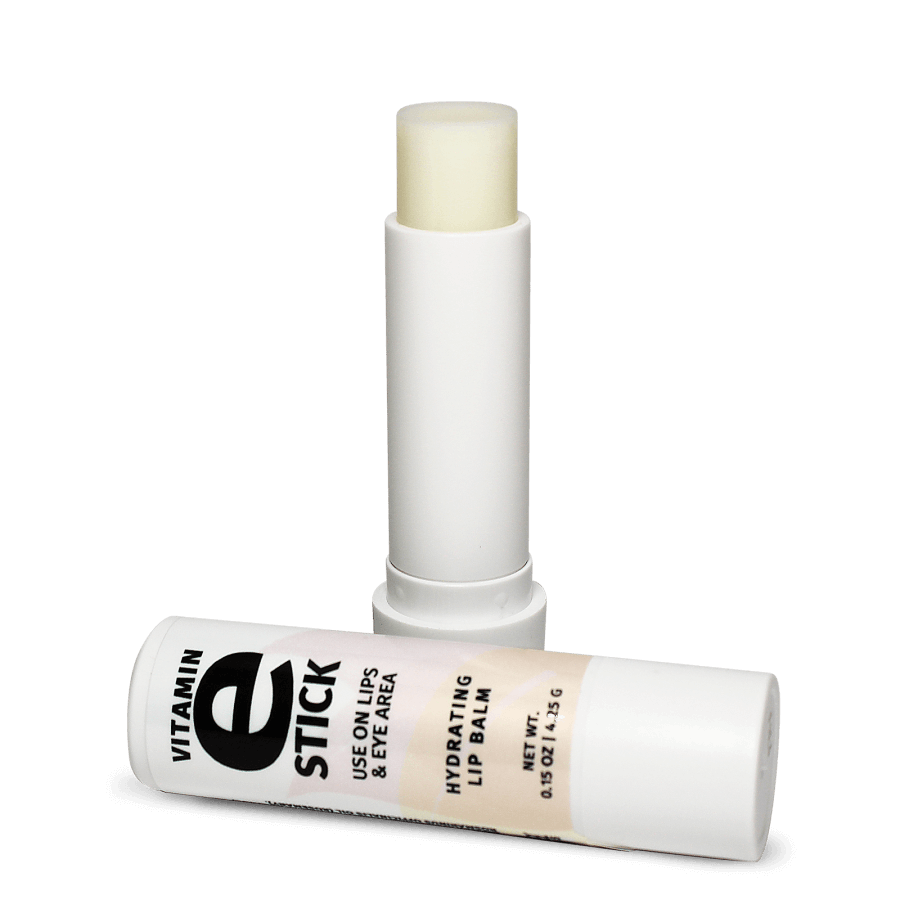
The frustration usually begins when people realize their lip balm does not solve the problem. They apply it in the morning, again after coffee, again after lunch, and again before bed. Each application creates a moment of comfort. The moment fades quickly and the cycle starts again. Over time lip balm becomes something people depend on rather than something that repairs their lips.
A better approach starts with understanding what lips actually need. The issue rarely involves a lack of balm. More often it involves a weak moisture barrier combined with products that fail to support recovery. Once that idea becomes clear, the mystery of persistent dry lips starts to make sense.
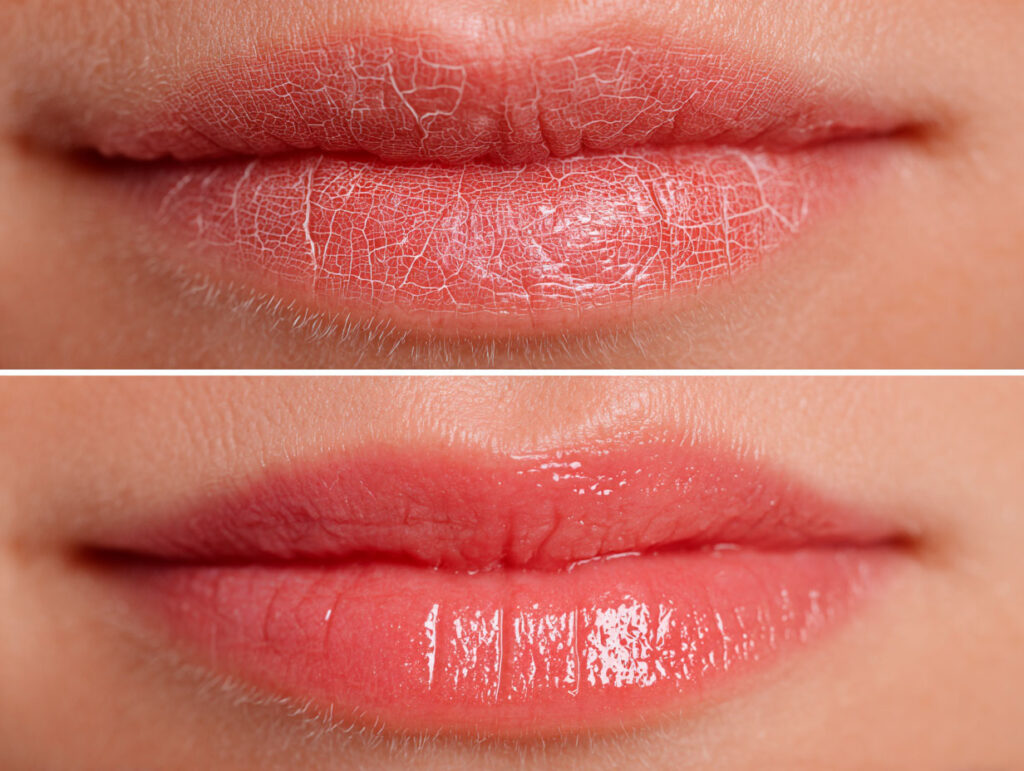
Why Are My Lips Always Dry
When people ask why are my lips always dry, the answer begins with the structure of lip skin. Lips contain no oil glands, which means they cannot produce the natural oils that protect the rest of the skin. Oil glands normally release sebum that forms a thin protective film across the surface. This film slows water loss and helps skin maintain hydration throughout the day. Lips must rely entirely on outside protection because they cannot create that barrier themselves.
The skin on the lips also remains thinner than most facial skin. A thinner outer layer allows moisture to escape more quickly. Even small changes in the environment can affect lip hydration. Wind, cold temperatures, and dry indoor air all accelerate water loss. Because lips remain exposed constantly, they feel these conditions immediately.
Daily habits also play a role in persistent dryness. Many people lick their lips whenever they feel tight or uncomfortable. Saliva seems helpful for a moment because it adds moisture to the surface. As it evaporates it pulls water from the lips and leaves them even drier than before. Saliva also contains digestive enzymes that irritate delicate lip tissue. What feels like relief actually makes dryness worse.
Sun exposure contributes to long-term dryness as well. Lips contain less melanin than most areas of the face, which reduces natural protection against ultraviolet radiation. Over time sunlight weakens the lip barrier and increases sensitivity. Many people notice this effect after years of outdoor exposure. The lips become more prone to peeling and dryness because the protective layer no longer functions properly.
These biological and environmental factors explain why lips struggle to stay hydrated. The skin there starts with fewer defenses than other areas of the body. When the barrier becomes compromised, moisture escapes faster than it can be replaced. Lip care products should help rebuild that barrier rather than simply coating the surface.
Why Does Lip Balm Not Work
People often wonder why does lip balm does not work even though they apply it frequently. The explanation usually lies in how many lip balms are formulated. Some products focus more on sensation and flavor than on repairing lip health. Cooling agents, fragrances, and sweet flavors create a pleasant experience during application. These features rarely improve the condition of dry lips.
Many formulas rely heavily on occlusive ingredients. Occlusives create a temporary seal across the skin that slows moisture loss for a short period. Petrolatum and similar ingredients perform this function effectively. The problem appears when the formula contains little else that supports skin repair. The lips feel protected while the coating remains in place. Once the coating fades, the underlying dryness returns.
Flavoring agents often contribute to ongoing irritation. Mint, menthol, and cinnamon produce a cooling sensation that people associate with effectiveness. Delicate lip tissue reacts strongly to these ingredients. Mild irritation leads to inflammation, which weakens the lip barrier further. The product then becomes part of the cycle that maintains dryness.
Humectants can also create challenges when used alone. These ingredients attract moisture from the surrounding environment. In humid conditions they help keep the skin hydrated. During colder months they sometimes draw moisture from deeper layers of skin instead. Lips may feel softer immediately after application yet become drier later. This pattern encourages frequent reapplication.
Colorants and preservatives add another layer of complexity. Lips absorb ingredients more easily than thicker areas of skin. Repeated exposure to irritating substances can gradually increase sensitivity. Over time the lips respond with peeling, redness, or discomfort. The person continues applying lip balm in an attempt to relieve the irritation that the product itself contributes to.
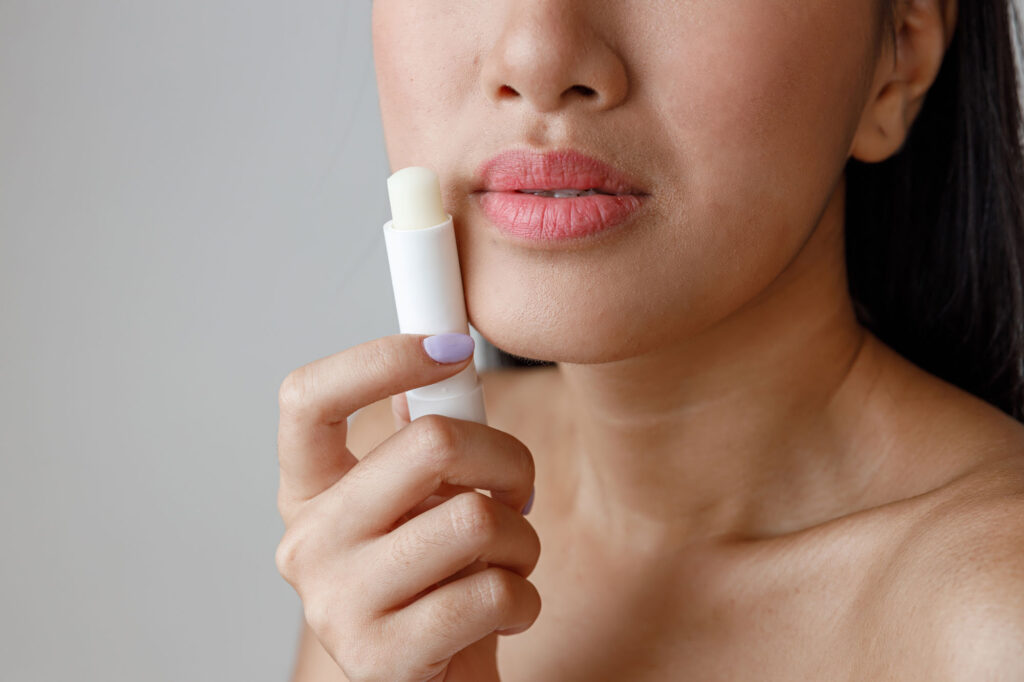
Why Do My Lips Keep Cracking
Persistent dryness eventually leads people to ask why do my lips keep cracking. Cracking develops when the lip surface becomes so dry that it loses flexibility. Healthy lips stretch easily during everyday movements. Dry lips behave differently because the skin becomes brittle. Normal facial movements place tension across the fragile surface.
Talking, smiling, and eating create small stresses across the lips throughout the day. Flexible skin adapts to these movements without damage. Dry skin splits along natural lines because it cannot stretch. The result appears as small fissures that sting and bleed easily. These cracks often reopen repeatedly before they have time to heal.
Cold weather increases the likelihood of cracking. Winter air contains little moisture and encourages rapid evaporation from exposed skin. Indoor heating lowers humidity levels even further. Lips struggle to maintain hydration in these conditions. Even careful lip care routines can feel ineffective when the environment constantly removes moisture.
Irritating products can delay healing once cracks appear. Strong flavors and cooling ingredients increase inflammation in delicate lip tissue. Spicy foods and frequent lip licking worsen the irritation. Each time the lips begin to recover, new irritation interrupts the healing process. The cracks return because the underlying barrier remains weak.
Hydration and nutrition also influence lip health. Severe dehydration can worsen dryness across the body. Certain vitamin deficiencies sometimes contribute to cracking around the mouth. These cases occur less frequently than environmental causes. Most people see improvement once they focus on rebuilding the lip barrier itself.
What Lips Actually Need
Healthy lips depend on a balanced combination of moisture, nourishment, and protection. Moisture softens the outer skin layers and keeps them flexible. Without adequate moisture the lips feel tight and rough. Nourishing ingredients provide lipids that help rebuild the natural barrier. Protection shields the lips from environmental stress that removes moisture.
Plant oils often provide the nourishment lips need. These oils contain fatty acids that resemble the lipids found in healthy skin. When applied regularly they help strengthen the protective barrier. Stronger barriers retain moisture more effectively. The lips gradually become smoother and more comfortable.
Protective waxes add another essential function. Beeswax creates a breathable layer that slows water evaporation. Unlike heavier occlusive coatings, beeswax allows the skin to maintain balance while still providing protection. This gentle barrier helps defend against wind and dry air. The lips remain protected without feeling suffocated.
Vitamins contribute to the repair process as well. Vitamin E acts as an antioxidant that protects delicate skin from environmental stress. It also supports healing in areas where dryness has caused irritation or cracking. When combined with nourishing oils and protective waxes, vitamin E helps restore balance to damaged lips.
Lip care becomes more effective when these elements work together. Moisture softens the skin while nourishment strengthens the barrier. Protection prevents new damage from occurring. Products designed with this balance support long-term lip health rather than temporary relief.
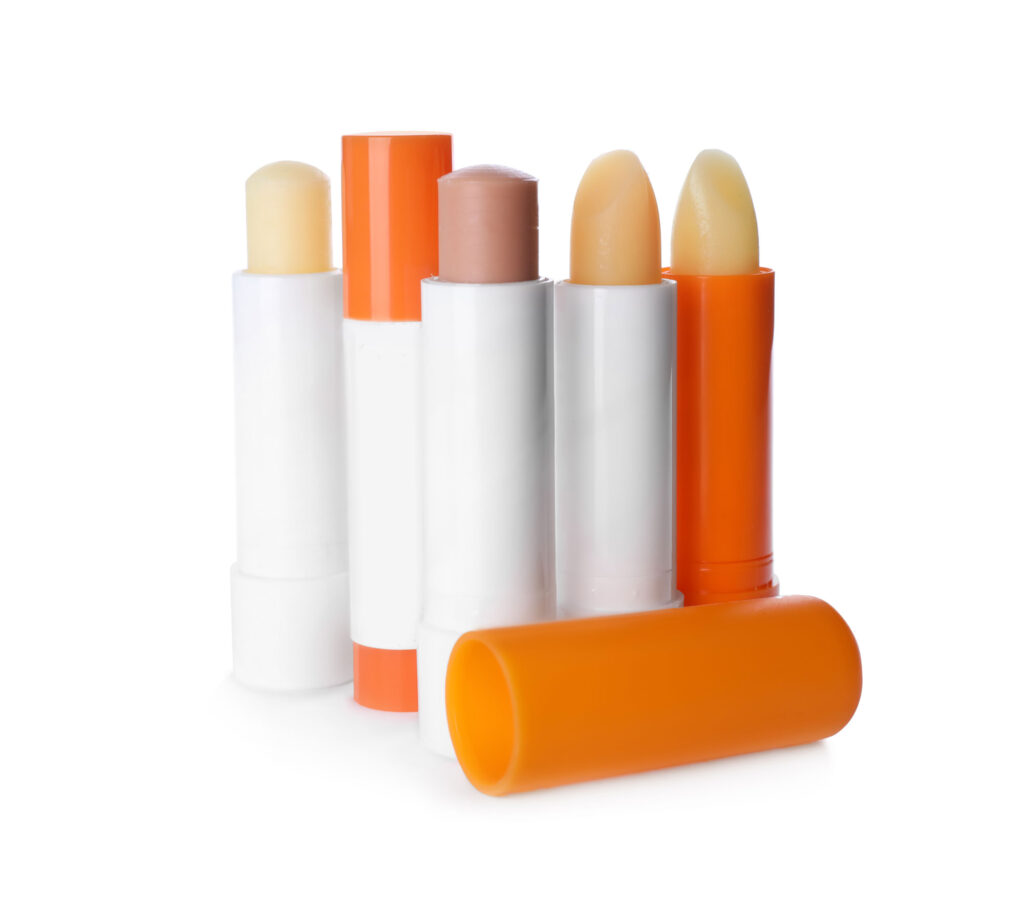
The Value of Simple Lip Formulas
The most effective lip products often contain fewer ingredients rather than more. Complex formulas frequently introduce unnecessary additives that increase the risk of irritation. Simpler formulas focus on ingredients that perform clear functions. Each component supports the health of the lips.
Plant oils provide softness and nourishment. Natural waxes create structure and protection. Vitamins support healing and stability. When these elements combine in balanced proportions, the formula supports the natural repair process. The lips begin to retain moisture more effectively.
This philosophy guided Reviva Labs when the company introduced its Vitamin E-Stick lip balm in 1985. The product focused on a straightforward blend of beeswax, nourishing oils, and vitamin E designed to protect and soften dry lips. The formula avoided unnecessary ingredients that might irritate delicate lip tissue. Many people continue to appreciate this simple approach to lip care.
Products built around functional ingredients often outperform cosmetic balms. They prioritize skin health instead of novelty. Over time the lips become stronger and less prone to dryness. The need for constant application gradually decreases.
Breaking the Lip Balm Cycle
Many people feel dependent on lip balm because their lips seem uncomfortable without it. They apply the product repeatedly throughout the day. Skipping an application leads to immediate tightness or peeling. This experience creates the impression that lips require constant product use.
The sensation usually reflects irritation rather than dependence. Long-term exposure to flavored or mentholated products can keep lips mildly inflamed. The balm soothes the irritation temporarily while also maintaining it. Frequent reapplication becomes necessary because the barrier never fully recovers.
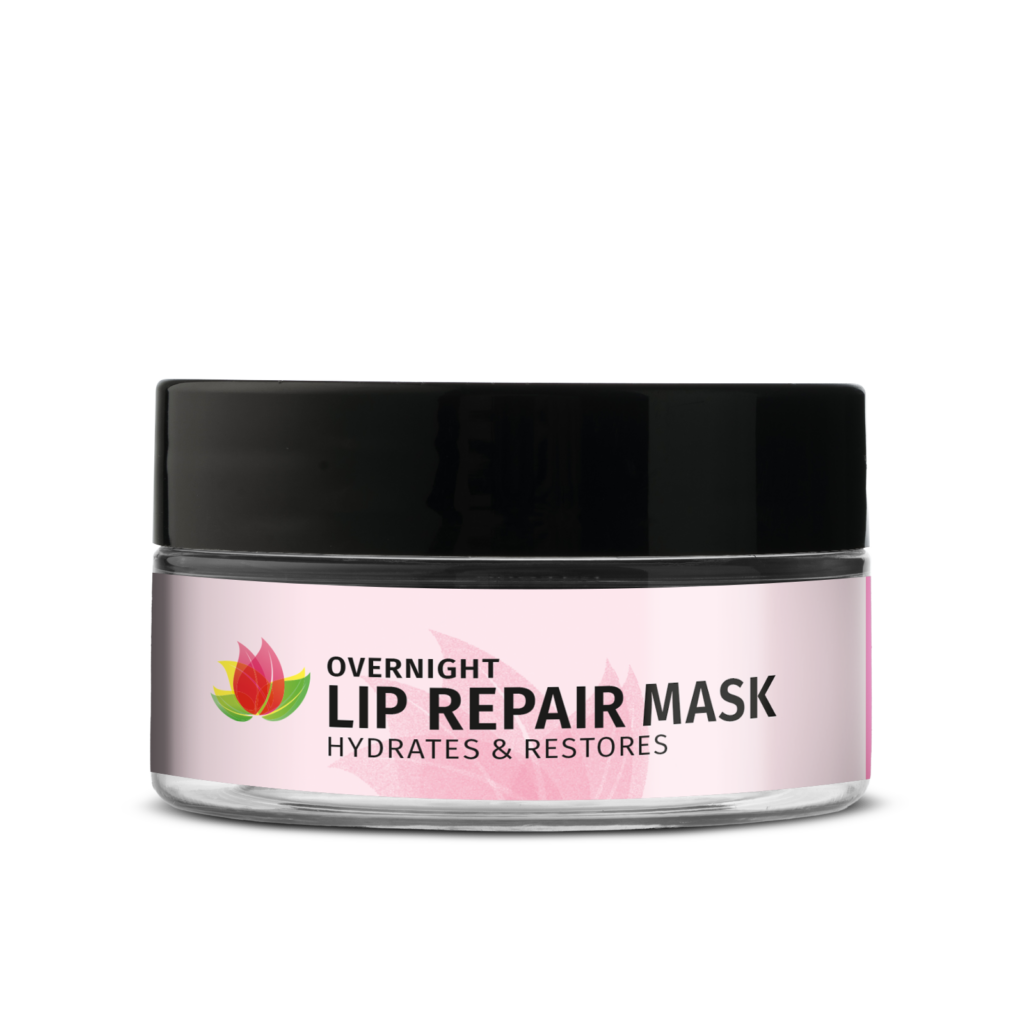
Switching to a gentler formula often allows the lips to heal gradually. The first few days may feel unusual as the skin adjusts to the new routine. The lips sometimes appear drier during this transition. Once irritation decreases, the barrier begins to rebuild.
As the barrier strengthens, moisture remains inside the lips longer. The skin becomes more flexible and comfortable. Peeling and cracking occur less frequently. Many people eventually notice they no longer reach for lip balm constantly.
Habits That Support Healthier Lips
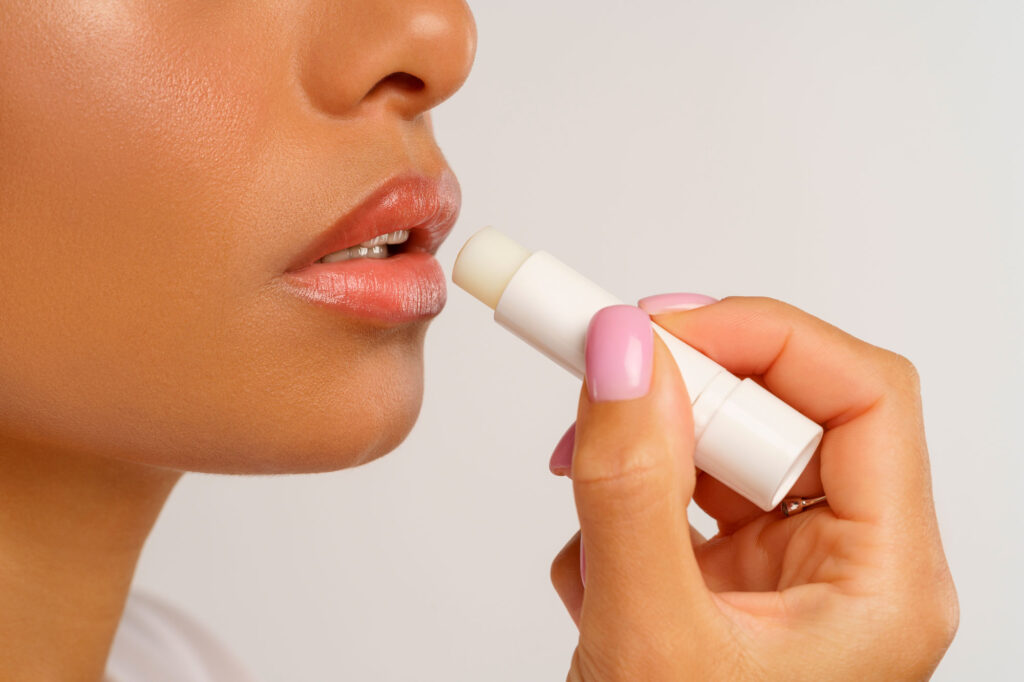
Daily habits can support lip recovery alongside a nourishing lip balm. Hydration plays an important role in overall skin health. Drinking sufficient water helps maintain moisture balance throughout the body. While hydration alone cannot cure dry lips, severe dehydration worsens the problem.
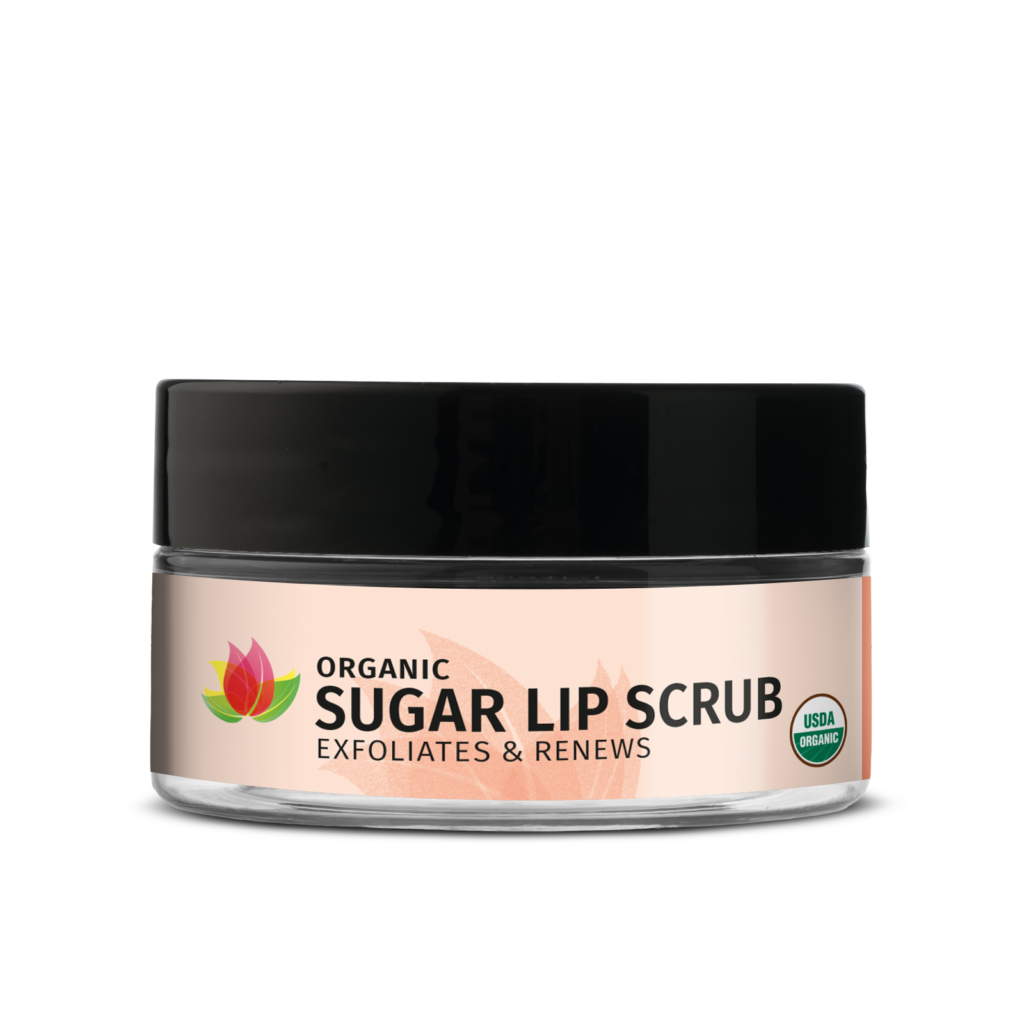
Gentle exfoliation occasionally helps remove loose surface skin. Dry flakes can prevent moisturizers from penetrating effectively. A mild sugar scrub used sparingly can smooth the lips without damaging healthy tissue. Exfoliation should remain gentle to avoid irritation.
Sun protection also contributes to long-term lip health. Ultraviolet radiation damages delicate lip tissue and accelerates dryness. Protective lip products help reduce this damage during outdoor activities. Consistent protection keeps the lip barrier stronger over time.
Avoiding irritating ingredients remains equally important. Strong flavors, fragrances, and cooling agents frequently prolong dryness. Choosing simple formulas reduces the risk of inflammation. Lips respond best to products designed for nourishment rather than novelty.
Why Lip Care Deserves Attention
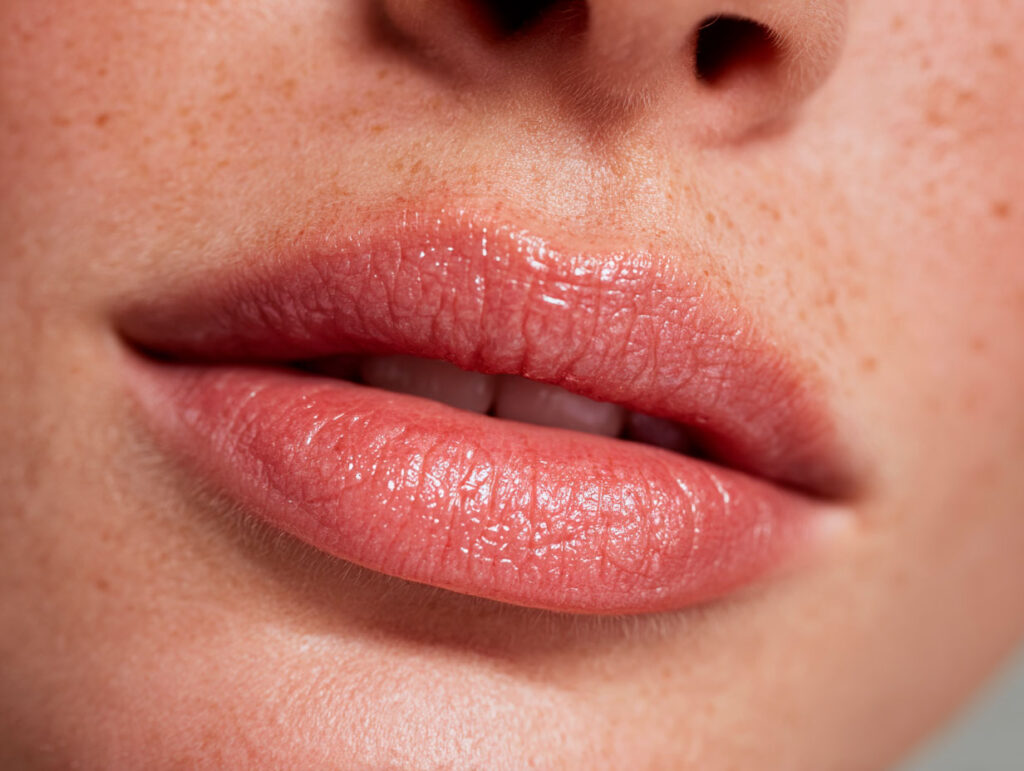
Dry lips might seem like a small inconvenience compared with other skincare concerns. The discomfort often affects daily life more than people expect. Cracked lips sting while eating or speaking. Lip color products sit unevenly on peeling surfaces. Many people feel self-conscious about the appearance of their lips during conversations.
Improving lip health begins with understanding the real cause of dryness. The issue usually involves a weakened moisture barrier rather than a lack of product. Applying more balm will not help if the formula fails to support the skin. Choosing products designed to nourish and protect the lips changes the outcome.
Healthy lips require thoughtful care and consistent habits. When the barrier becomes stronger, the lips retain moisture more effectively. Dryness fades gradually as the skin regains flexibility and comfort. Lip care becomes simpler because the skin no longer struggles to stay hydrated.
So, when someone asks again why their lips remain dry despite constant lip balm use, the playful answer still carries a bit of truth. The reason might simply be that they have not tried Vitamin E-Stick yet.