
Natural, Reviva Labs, Skin Care
Healthy Lips Start With Gentle Exfoliation

Feb
The skin covering the lips behaves differently from almost every other surface on the body. Dermatology research consistently shows that lip skin contains far fewer protective layers than typical facial skin, which makes it more vulnerable to dryness, irritation, and environmental damage. This thin structure explains why lips crack more easily during cold weather, become flaky after dehydration, and react strongly to harsh products. Many people respond to these symptoms by scrubbing their lips aggressively in an attempt to remove dry skin. Unfortunately, this reaction often worsens the problem because excessive exfoliation strips away the protective barrier the lips rely on to maintain moisture.
Gentle exfoliation offers a much healthier approach to lip care. When performed properly, exfoliation removes loose surface cells without harming the delicate skin underneath. The process smooths rough texture and allows moisturizing ingredients to absorb more effectively. This combination of gentle exfoliation and hydration helps restore comfort while improving the appearance of the lips. Understanding how to exfoliate safely can transform a frustrating cycle of dryness into a routine that supports healthy lips over time.
Lip Care Recommended Products
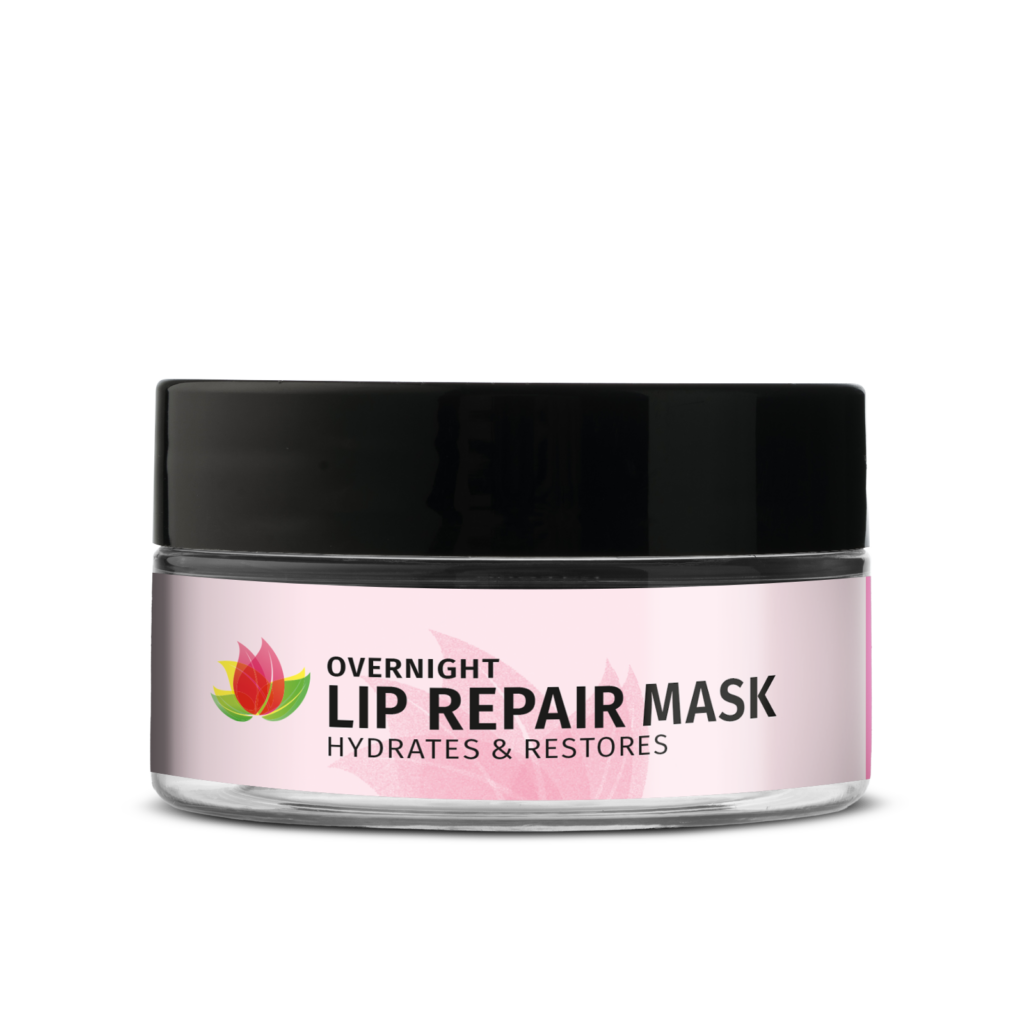
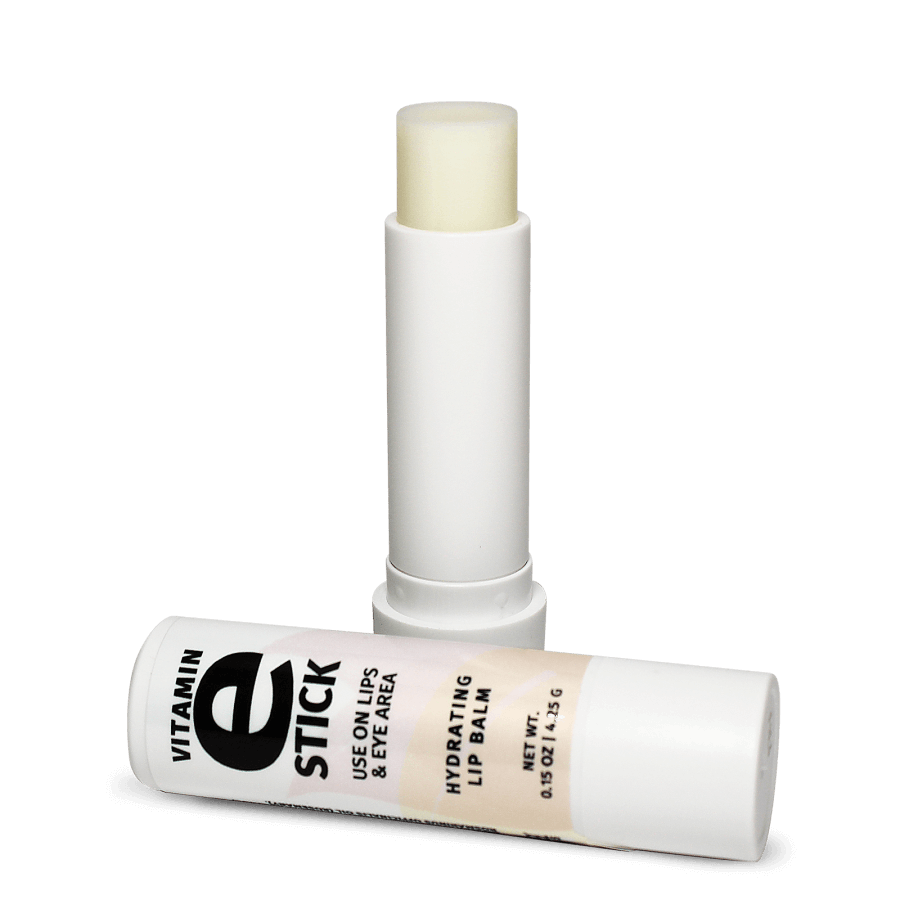
Safe lip exfoliation depends on respecting the biology of the lips. Unlike thicker facial skin, lip tissue requires minimal friction and careful hydration after treatment. Removing only what the skin has already shed prevents irritation while maintaining the natural protective barrier. Consistent gentle care usually produces better results than aggressive treatment performed occasionally. Once people understand how lip skin functions, exfoliation becomes a supportive step rather than a damaging habit.
Understanding Why Lip Skin Behaves Differently
Lips appear soft and delicate because they truly are structurally different from other skin. The outermost protective layer of the lips contains far fewer cell layers than most areas of the face. This thin structure allows the underlying blood vessels to show through the surface, which creates the natural pink or red tone commonly associated with healthy lips. The reduced thickness also means that lips lack the durable protective barrier that shields most skin from environmental stress. As a result, they become irritated much faster than surrounding facial skin.
Another important difference involves oil production. Most skin on the body contains sebaceous glands that produce sebum, a natural oil that keeps the skin lubricated and protected. These oils help prevent water loss and strengthen the skin barrier against dryness. Lips do not contain these glands, which means they cannot produce their own protective oils. Without this natural lubrication, lips lose moisture quickly and depend entirely on external hydration.
Environmental exposure further intensifies these vulnerabilities. Lips remain exposed to wind, sunlight, temperature changes, and dry indoor air throughout the day. These conditions accelerate moisture loss and increase the likelihood of dryness or flaking. Because the skin barrier is already thin, recovery from irritation happens more slowly than in other areas of the face. These biological realities explain why gentle care remains essential for maintaining healthy lips.

Why Lips Become Dry and Flaky
Dry lips usually begin with a loss of moisture from the skin. When the body becomes dehydrated or environmental humidity drops, the lips often reveal these changes first. Without oil glands to seal hydration into the skin, moisture evaporates quickly from the lip surface. This dehydration causes the outermost cells to dry out and detach from the underlying tissue. The result appears as rough patches or peeling skin.
Environmental factors often accelerate this process. Cold winter air contains very little humidity, which removes moisture from exposed skin rapidly. Wind increases evaporation even further by disrupting the thin layer of hydration that normally rests on the skin surface. Indoor heating systems also reduce humidity levels inside homes and workplaces. These combined conditions frequently lead to dry lips during colder months.
Daily habits also contribute to dryness. Lip licking represents one of the most common causes of persistent flaking. Although saliva feels moisturizing initially, it evaporates quickly and leaves the lips drier than before. Repeated licking irritates the skin and disrupts the protective barrier. Over time this habit encourages continuous peeling and sensitivity.
Certain lip products can also irritate delicate lip tissue. Flavorings, fragrances, and strong preservatives sometimes cause mild inflammation. When irritation occurs, the skin accelerates cell turnover in an attempt to repair itself. This rapid turnover often appears as visible flakes on the surface of the lips. People frequently respond by exfoliating more aggressively, which unfortunately removes healthy skin along with the flakes.
How Gentle Exfoliation Helps Restore Smooth Lips
Exfoliation supports lip health when it removes only the cells that are already detached from the surface. These loose cells accumulate when the natural shedding process slows down due to dryness or irritation. As they build up, they create rough patches that trap moisture and prevent lip treatments from penetrating the skin effectively. Gentle exfoliation lifts these cells away without disturbing the healthy tissue beneath them. This process restores a smoother surface and improves the texture of the lips.
The benefits extend beyond simple appearance. Removing surface buildup allows moisturizing ingredients to reach the skin more effectively. Hydrating compounds can then penetrate the upper layers of the lips and restore moisture more efficiently. This improved absorption helps lip treatments perform better and maintain hydration longer. The result often feels immediately more comfortable.
Exfoliation also stimulates circulation in the lips. Light massage during the exfoliation process increases blood flow to the area. This temporary increase in circulation can create the healthy rosy tone people often notice after gentle exfoliation. Although the color change does not last long, it reflects improved blood flow and skin activity.
Despite these benefits, exfoliation should never become the primary method of lip care. Hydration and protection play much larger roles in maintaining healthy lips. Exfoliation works best as a supportive step performed occasionally rather than a daily habit.
Recognizing When Exfoliation Becomes Too Aggressive
Over exfoliation often begins gradually because people attempt to correct dryness by increasing exfoliation frequency. The logic seems simple because removing flakes feels satisfying in the moment. Unfortunately, this approach can weaken the delicate barrier that protects lip skin. When the barrier becomes damaged, moisture escapes more quickly and irritation becomes more likely. The lips then become trapped in a cycle of dryness and repeated exfoliation.
One of the earliest warning signs appears as persistent redness. Healthy exfoliation leaves lips looking smooth and comfortable. When redness remains after treatment, it usually indicates irritation beneath the surface. The skin barrier likely needs time to rebuild before additional exfoliation occurs.
Another common signal involves burning or stinging sensations. Lips should never feel painful after exfoliation. Discomfort suggests that the protective layers of the skin have been removed too aggressively. This irritation can increase sensitivity to lip products that normally feel comfortable.
Excessive peeling also signals over exfoliation. Ironically, aggressive scrubbing often produces more flakes rather than fewer. Damaged skin cannot retain moisture effectively, which causes uneven shedding of surface cells. Allowing the lips to recover for several days often restores the protective barrier and reduces irritation.
Choosing Safe Lip Exfoliation Methods
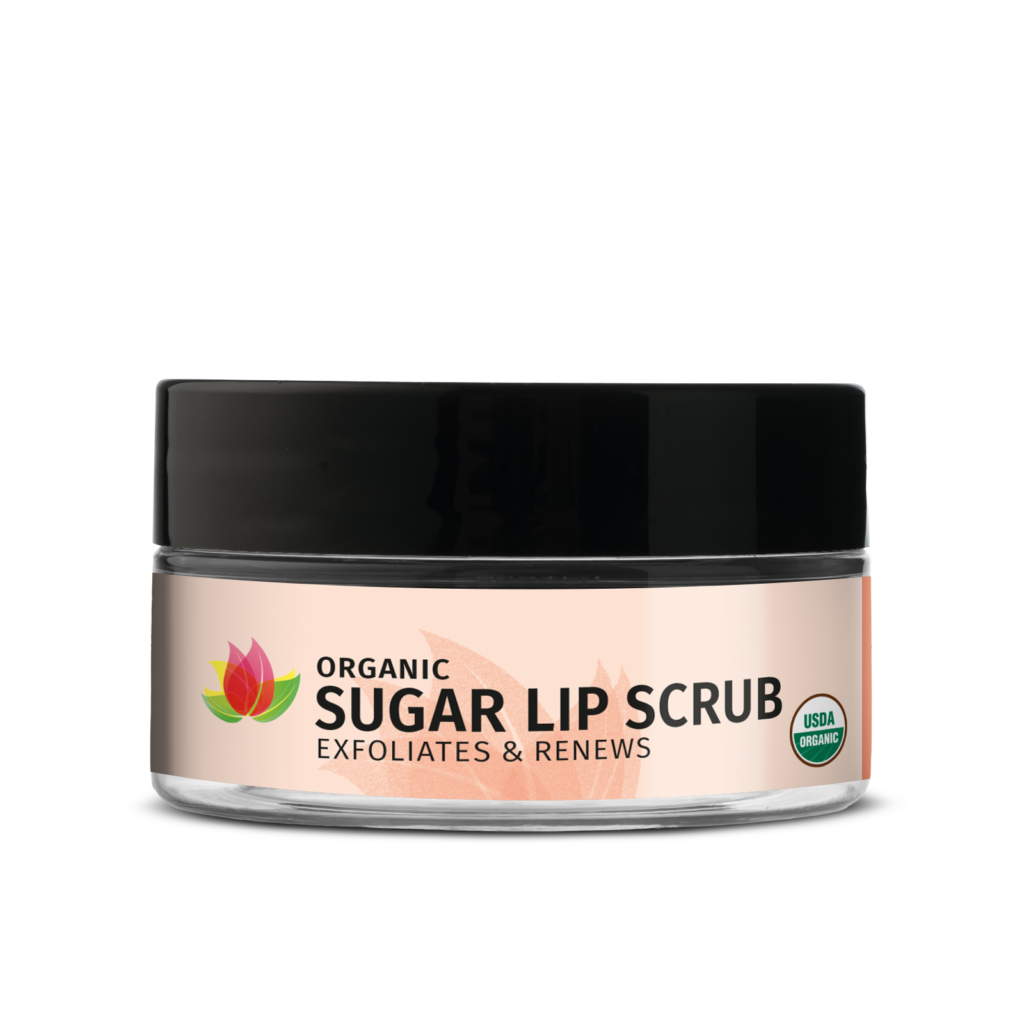
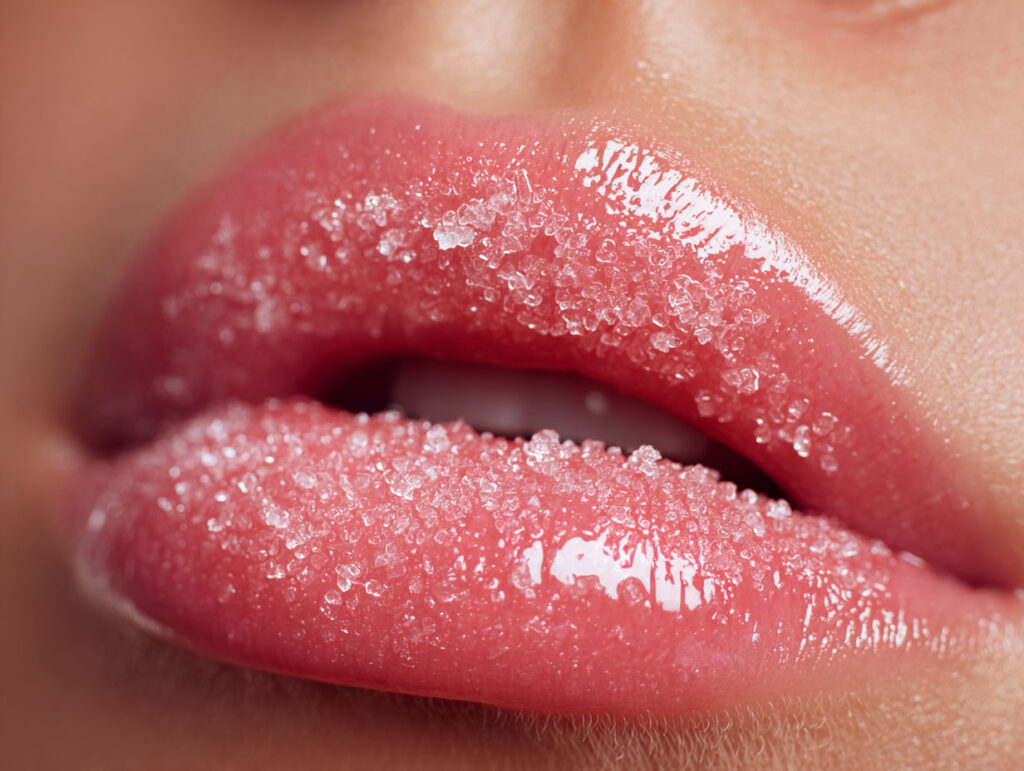
Effective lip exfoliation usually involves simple and gentle methods. Many lip scrubs use fine sugar crystals combined with nourishing oils or butters. Sugar dissolves gradually during use, which reduces the likelihood of scratching delicate lip skin. This dissolving quality makes sugar one of the most common exfoliating ingredients in lip care products. When paired with hydrating oils, the scrub removes flakes while supporting moisture.
The size of the exfoliating particles plays an important role in safety. Finely milled particles glide across the lips more smoothly than large crystals. Larger particles can create microscopic tears in fragile skin. Choosing scrubs with a softer texture helps protect the delicate structure of the lips.
Some people prefer tools instead of scrubs. A soft washcloth gently rubbed across damp lips often removes loose flakes effectively. The fibers create mild friction that lifts away dead cells without damaging the skin barrier. This method requires minimal pressure to achieve results.
Others use a clean toothbrush with extremely light circular movements. When performed gently, this method removes dead cells while maintaining skin integrity. The key to every exfoliation technique involves light pressure and patience rather than force.
How Often Lips Should Be Exfoliated
Frequency determines whether exfoliation supports healthy lips or damages them. Many people believe daily exfoliation keeps lips smooth. In reality, frequent scrubbing often weakens the skin barrier and leads to increased dryness. Lips require time to rebuild their protective layers between treatments.
Most lips benefit from exfoliation once or twice each week. This schedule removes accumulated dead cells while allowing the skin to recover naturally. The balance prevents buildup without exposing the lips to excessive friction. People with sensitive skin often benefit from exfoliating even less frequently.
Environmental conditions can influence this timing. Winter weather often creates extremely dry conditions that weaken the skin barrier. Reducing exfoliation frequency during colder months often helps prevent irritation. Observing how the lips respond after treatment provides the best guidance for adjusting routines.
Healthy lips usually signal when exfoliation becomes necessary. When lips feel soft and flexible, exfoliation can wait. When flakes begin to accumulate, gentle treatment may restore smoothness.
Hydration After Exfoliation Protects the Lips
Exfoliation prepares the lips to absorb moisture more effectively. Once dead surface cells are removed, moisturizing ingredients can reach the skin more easily. Applying hydration immediately after exfoliation helps restore the protective barrier. Without this step, lips often become dry again within a short time.
Many effective lip treatments combine several types of ingredients. Emollients soften the surface of the skin and improve texture. Humectants attract moisture from the environment and increase hydration levels. Occlusive ingredients seal this moisture into the skin and reduce water loss.
Vitamin E appears frequently in lip care because it supports skin repair while providing antioxidant protection. A balm containing nourishing oils and waxes can help maintain softness between exfoliation sessions. The Vitamin E Stick has long been used to help soothe and protect dry lips exposed to environmental conditions.
Nighttime hydration also strengthens the recovery process. Applying a thicker lip treatment before sleep allows the lips to repair overnight. During sleep the lips experience less movement and environmental exposure, which allows moisturizing ingredients to remain in place longer.
Common Lip Exfoliation Mistakes
Many lip care problems begin with small habits that seem harmless at first. One of the most common mistakes involves exfoliating severely chapped lips. When cracks or inflammation appear, scrubbing worsens irritation and delays healing. Moisturizing treatments should take priority until the skin barrier recovers.
Another mistake involves using body scrubs on the lips. Products designed for thicker skin often contain particles that are too harsh for delicate lip tissue. Even moderate pressure with these scrubs can damage the skin barrier.
Applying too much pressure during exfoliation also creates problems. Gentle circular movements remove flakes effectively without harming healthy skin. Strong friction often removes more skin than necessary and increases irritation.
Daily exfoliation represents another frequent issue. Lips need time to rebuild their protective barrier between treatments. Allowing several days between exfoliation sessions helps maintain skin health and comfort.
Building a Balanced Lip Care Routine
Healthy lips respond best to consistent care rather than aggressive treatments. Daily hydration forms the foundation of effective lip care. Applying a nourishing lip balm throughout the day helps protect the skin from environmental stress and prevents moisture loss.
Occasional exfoliation removes the buildup of dead cells that naturally occurs over time. Gentle scrubs or soft cloths provide enough friction to lift flakes without harming the skin barrier. This step usually requires only a few seconds to complete.
Nighttime care strengthens the routine further. Applying a thicker moisturizing treatment before bed allows the lips to repair overnight. During sleep the lips remain protected from wind, temperature changes, and frequent movement.
Sun protection also contributes to long term lip health. Lips remain vulnerable to ultraviolet radiation because their skin is thin and exposed. Using lip products that contain mineral sun protection helps defend against dryness and long-term skin damage. When these habits become consistent, lips remain smooth and comfortable without the need for aggressive exfoliation.