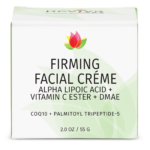
Your neck will age you faster than your face ever will. That is not a scare tactic. It is a straightforward anatomical reality that most people are not thinking about when they stand at the bathroom sink each morning. The neck and décolleté are the most frequently exposed areas of the body outside of the face, yet they receive a fraction of the skincare attention, time, and product that the face does. That imbalance shows up over the years in ways that are difficult to reverse once they have set in.
The good news is that closing this gap does not require a separate 10-step neck routine or an expensive collection of specialty products. In fact, extending your face routine to your neck is far simpler than most people assume. The adjustments are mostly about habit, application technique, and knowing which steps genuinely matter when you move your hands a few inches south. Once you understand the anatomy and the logic behind the extension, the whole thing clicks into place naturally.
Why the Neck Is Not Just Lower Face
Skin is not uniform across the body, and the neck presents some unique challenges that set it apart from the face even when they sit inches apart. The neck has a significantly lower density of sebaceous glands compared to facial skin, which means it produces less natural oil and is inherently drier. That dryness makes it more susceptible to the kind of surface dehydration that accelerates the appearance of fine lines and creping. Thinner dermis, reduced fat padding, and constant movement from turning, looking up, and looking down all add mechanical stress that does not affect the face in quite the same way.
Photoaging is arguably the biggest threat to neck skin, and research from the American Academy of Dermatology confirms that unprotected sun exposure to the neck and chest is one of the most common sources of accelerated visible aging. Most people apply facial sunscreen faithfully but stop at the jawline, leaving the neck to fend for itself day after day. Those cumulative UV exposures add up to textural changes, uneven pigmentation, and loss of firmness that are entirely preventable with a straightforward habit adjustment. Sunscreen is not optional on the neck, and this point cannot be overstated.
There is also the question of the platysma muscle. This broad, sheet-like muscle runs from the collarbone up through the neck and connects to the lower face, and its gradual laxity over time contributes to the horizontal banding and loose skin that becomes more visible with each passing decade. Topical skincare cannot replace what muscle tone and collagen density provide, but it can absolutely support the skin sitting on top of that structure. Keeping the skin well-hydrated, exfoliated, and protected gives it the best possible environment to retain its resilience for longer.
The Extend-Not-Add Principle
The reason most people skip the neck is not laziness. It is friction. Adding an entirely new step to a routine is psychologically harder than most people expect, and if that new step requires a separate product, a separate product cap to unscrew, and a separate mental reminder, it often does not survive the first busy morning. The smarter approach is extension rather than addition. You are not adding a neck routine to your life. You are continuing the routine you already do, just a few inches further down.
Practically, this means that every time you apply your cleanser, your serum, your moisturizer, or your SPF to your face, you immediately continue the motion downward onto your neck and upper chest. You are not dispensing extra product specifically for the neck most of the time. You are using the residual product left on your palms and fingertips after the face application to cover the neck area. This works reliably for cleansers and moisturizers, though for targeted treatments like vitamin C or retinol you may choose to dispense a small additional amount to ensure full coverage.
The motion matters too. Neck skin is under constant gravitational and mechanical stress, and aggressive downward rubbing or tugging is counterproductive. The technique most dermatologists recommend for the neck is an upward and outward motion, pressing gently and sweeping from the collarbone toward the jaw. This is not about some mystical lymphatic benefit. It is simply about minimizing unnecessary downward pulling on skin that already contends with gravity all day long. Once you build the upward-sweep habit, it becomes automatic and adds only seconds to each skincare step.
If your routine involves a facial roller or gua sha tool, those tools can extend to the neck with the same upward motion. No separate neck-specific tool is needed. The same principle applies to facial massage techniques done with clean hands. The neck responds well to this gentle circulation-boosting attention, and the time investment is negligible when it is simply a continuation of what you are already doing on the face above it.
Which Steps to Prioritize on the Neck
Not every facial skincare step delivers equal value when extended to the neck. If you are going to be intentional about any one extension, make it sunscreen. Applied daily, rain or shine, to the neck and upper chest, SPF is the single highest-return habit change available to anyone concerned about long-term skin appearance. It costs nothing extra if you already own a facial SPF, and the product quantity required to cover the neck is small. The impact on cumulative photoaging over a decade is enormous.
Moisturizer is the second most important extension, and arguably the easiest one to commit to. Because the neck has fewer oil glands than the face, it benefits significantly from topical hydration. Your facial moisturizer is almost certainly formulated with ingredients that support barrier function, hydration, and surface smoothness, and all of those benefits transfer to neck skin without any modification. Morning and evening moisturizer applied to the neck costs you nothing but a few extra seconds of palm pressure.
Vitamin C serums and antioxidant formulas are worth extending to the neck in the morning because they offer environmental protection that complements sunscreen. UV radiation and pollution affect neck skin in the same way they affect facial skin, and the protective benefits of antioxidants apply regardless of which patch of skin they are on. If you use a vitamin C serum, dispense slightly more than you would for the face alone and apply it to the neck with the same patting technique before your moisturizer. The ingredient science does not change below the chin.
Retinol and other cell-turnover actives can and should be extended to the neck for people already using them on the face, but with one important caveat. Neck skin is thinner and often more reactive than facial skin, so if you are newer to retinol, give your face a few weeks to acclimate before extending the formula down. Once your skin has built up tolerance, applying a small amount to the neck two to three times per week is a reasonable starting point. The long-term benefits for collagen support and texture improvement are well-documented, and there is no physiological reason to stop at the jawline.
Morning vs Evening Application
Morning and evening routines serve different purposes on the neck, just as they do on the face. The morning routine is primarily about protection: antioxidants to neutralize environmental aggressors, moisture to support the skin barrier through the day, and sunscreen as the non-negotiable final step before you walk out the door. Every one of those morning face steps should end with a sweep down to the neck. The SPF extension is the most critical, and it should cover from just below the jawline to the top of the chest if that area is regularly exposed to daylight.
The evening routine is about repair and replenishment. This is when the skin is in its natural restoration mode, and active ingredients like retinol, peptides, and hydrating serums can do their best work without the interference of UV exposure. Applying your evening serum and moisturizer to the neck before bed is a simple and effective habit. If you use a richer night cream on the face, that same formula extended to the neck overnight is genuinely useful because the reduced sebaceous activity means the neck loses moisture faster while you sleep.
The one exception worth noting is exfoliation. Chemical exfoliants like AHAs and BHAs should be extended to the neck with a lighter hand than you use on the face, particularly if your neck skin tends toward sensitivity or dryness. Applying a thin layer every two to three days rather than daily gives the neck the benefit of cell turnover support without over-stripping a skin surface that is already producing less oil. If you use a physical exfoliant, a very gentle application two to three times per week with your leftover facial amount is sufficient. Moderation is the word here.
Habits That Quietly Undermine the Effort
One of the most common mistakes people make when they start extending their routine downward is inconsistency. They do it for a week, miss a few days, then abandon the habit because they feel like they are not seeing results fast enough. Skincare on the neck, like skincare on the face, operates on a timeline of weeks and months rather than days. Collagen support, pigmentation improvement, and hydration all require consistent daily application before they become visible. Treating the neck extension like a short-term experiment rather than a permanent adjustment is why most attempts fail.
Stopping at the jaw is another deeply ingrained habit that takes conscious effort to break. The neck and jawline are one continuous surface, and there should be no visible product line where the face ends and the neck begins. Blending your skincare seamlessly from the lower face onto the neck and then down to the chest creates coverage that matches the actual exposure pattern of your skin throughout the day. If you can see or feel a product boundary at the jawline, that is a signal to extend further.
Phone posture is an emerging concern for neck skin that deserves mention. Looking down at a phone or screen for extended periods creates repeated mechanical compression at the front of the neck, and some dermatologists have noted increasing rates of horizontal neck lines in younger populations that correlate with screen habits. Skincare alone cannot counteract the physical effects of repetitive downward posture, but keeping the neck well-moisturized and supported with actives like peptides gives the skin better structural resilience against that mechanical stress over time.
Forgetting the chest is the final common oversight. The upper chest is nearly as frequently exposed to the sun as the neck, and it has similarly thin, relatively oil-poor skin that shows age quickly. Your morning SPF and moisturizer should cover the chest if you wear necklines that expose it, and your evening routine can extend there too. Think of the face, neck, and chest as one continuous zone of care rather than three separate territories.
Small Adjustments That Make a Real Difference
Keeping your cleanser on the neck for the same duration you keep it on the face is a small but meaningful adjustment. Many people rinse the face carefully but swipe the neck quickly without giving the cleanser time to do its job of removing sunscreen, sweat, and daily buildup. A thorough rinse matters too, because residual cleanser on the neck can contribute to dryness and irritation over time. Treat the cleanse step on the neck with the same attention and timing as the face, and make sure the rinse is complete before moving on.
Sleeping on your back, or on a silk or satin pillowcase, reduces the mechanical friction that cotton pillowcases create on the side of the neck and jaw area during sleep. This is one of those habits that dermatologists have long recommended for facial skin, and the benefit transfers equally to neck skin. The reduced friction means less surface disruption to the skin barrier and less encouragement for sleep-crease lines to become permanent over time. It is a passive overnight contribution to the health of the skin you are actively treating during the day.
Hydration from the inside makes a genuine difference to neck skin because the neck loses moisture relatively quickly given its lower oil-gland density. Drinking adequate water supports skin turgor and plumpness throughout the body, and the neck is not exempt from that systemic benefit. Diet quality, sleep, and stress management all influence skin health in ways that topical routines cannot fully compensate for. The neck routine extension works best when it sits inside a broader lifestyle context that supports skin from the inside as much as from the outside.
Finally, patience is the most underrated part of this entire process. Most people who extend their face routine to the neck start noticing improvements in hydration and surface texture within four to six weeks of consistent application. Firmness and pigmentation changes operate on a longer timeline, typically three to six months of daily practice. The neck is not a problem to be solved in a single product cycle. It is a skin surface that responds to the same sustained, consistent care that has always worked best for the face above it.
Frequently Asked Questions
Q: Do I need a separate neck cream, or can I use my regular facial moisturizer?
Most people do not need a separate neck cream to see real results. A good facial moisturizer extended consistently to the neck will deliver meaningful hydration, barrier support, and ingredient benefits without any modification. Specialty neck creams often contain firming peptides or caffeine that can be beneficial, and if those ingredients appeal to you they are worth exploring. But the most important thing is consistency, and using the moisturizer you already have and love is far more likely to become a lasting habit than purchasing a new product for a separate purpose.
Q: How far down should I apply my skincare products?
The general recommendation is to apply all of your skincare steps from the lower face down through the neck and onto the upper chest, particularly for sunscreen and moisturizer. How far you extend to the chest depends on how much of that area is exposed during the day. If you regularly wear open necklines or low-cut tops, taking your SPF and moisturizer to the chest is worth doing every morning. The goal is to match your product coverage to your actual daily sun exposure pattern.
Q: Will retinol cause irritation on my neck?
Neck skin can be more sensitive to retinol than facial skin, particularly when you are starting out. The best approach is to fully acclimate your face to retinol first before extending it to the neck. Once your face is tolerating a given retinol concentration well, begin applying a small amount to the neck two to three times per week and monitor for redness or dryness. If irritation occurs, reduce frequency rather than stopping entirely. Most people find that neck skin adapts to retinol at a similar pace to facial skin once the adjustment period is complete.
Q: Should I apply sunscreen to my neck even on cloudy days?
Yes. UV radiation penetrates cloud cover and can reach the skin on overcast days, sometimes at levels people underestimate because the air feels cooler. The American Academy of Dermatology recommends applying broad-spectrum SPF 30 or higher every day regardless of weather, and that guidance applies equally to the neck and chest as it does to the face. Cumulative UV exposure on the neck over years and decades is a primary driver of the visible aging changes that appear in that area, and consistent daily application is the most reliable protection available.
Q: How do I apply skincare to my neck without tugging the skin?
The recommended technique is an upward and outward motion using light pressure. Place your palms flat against the lower neck just above the collarbone and sweep upward toward the jawline, then outward toward the shoulders. Repeat this motion two to three times for each product rather than rubbing back and forth. Avoid pulling the skin downward or using dragging strokes, which can add unnecessary mechanical stress to an area that already deals with gravitational pull throughout the day. This technique takes only seconds once it becomes habitual and is gentle enough to use morning and evening.
Q: At what age should I start including my neck in my skincare routine?
The honest answer is: as early as you start a face routine. Prevention is always more effective than correction when it comes to skin aging, and the habits you build in your twenties and thirties pay dividends in your forties, fifties, and beyond. That said, it is genuinely never too late to start. People who begin extending their routine to the neck in their forties, fifties, or later still see meaningful improvements in hydration, surface texture, and overall skin condition within a few months of consistent practice. The skin is adaptive at every age, and it responds to care regardless of when that care begins.
Farage, M.A., Miller, K.W., Elsner, P., and Maibach, H.I. Characteristics of the Aging Skin. Advances in Wound Care, 2013. Vol. 2, No. 1, pp. 5 to 10.
Zouboulis, C.C., and Boschnakow, A. Chronological ageing and photoageing of the human sebaceous gland. Clinical and Experimental Dermatology, 2001. Vol. 26, No. 7, pp. 600 to 607.
Krutmann, J., Bouloc, A., Sore, G., Bernard, B.A., and Passeron, T. The skin aging exposome. Journal of Dermatological Science, 2017. Vol. 85, No. 3, pp. 152 to 161.
Bill Levins, a marketing professional since the early 1990s, collaborated with clients like Campbell’s Soup and PWC. In 2004, he began working with Reviva Labs, becoming VP of Marketing in January 2018 and President in June 2018. He led the company through challenges, including the founders' deaths and the COVID-19 pandemic. In June 2024, after Reviva Labs' acquisition by Sendayco LLC, Bill became VP of Marketing for Sendayco, overseeing multiple brands.



 3% Glycolic Acid Cleanser
1 × $18.00
3% Glycolic Acid Cleanser
1 × $18.00 Nasolabial Fold+ Multi-Peptide Complex
1 × $53.90
Nasolabial Fold+ Multi-Peptide Complex
1 × $53.90 Bakuchiol Plus Serum
Original price was: $32.00.$24.00Current price is: $24.00.
Bakuchiol Plus Serum
Original price was: $32.00.$24.00Current price is: $24.00. 10% Glycolic Acid Créme
$31.90
10% Glycolic Acid Créme
$31.90 Antioxidant Day Créme
Original price was: $28.00.$23.80Current price is: $23.80.
Antioxidant Day Créme
Original price was: $28.00.$23.80Current price is: $23.80. Light Skin Peel Mild Exfoliant
$26.00
Light Skin Peel Mild Exfoliant
$26.00 Dark Spot Brightening Serum
$22.00
Dark Spot Brightening Serum
$22.00