
Clean Beauty, Natural, Reviva Labs, Skin Care
Why You Need a Neck and Chest Skincare Routine and How to Start One

May
The neck and chest might be two of the most visible areas of the body, yet they are also among the most neglected in daily skincare routines. Year after year, people carefully cleanse, tone, and moisturize their faces while stopping at the jawline, leaving the skin just below it vulnerable to dryness, sun damage, and premature aging. The result is a common and frustrating pattern: a face that looks well cared for paired with a neck and chest that tell a very different story. According to the American Academy of Dermatology, the neck and decolletage are consistently overlooked during sunscreen application despite being among the most chronically sun-exposed areas of the body. That gap in routine is not just cosmetic. It compounds year over year into the kind of visible aging that no product can easily fix after the fact.
The skin on the neck is structurally different from facial skin in several important ways. It contains fewer oil glands, which means it is naturally more prone to dryness and far less equipped to self-moisturize throughout the day. The skin is also thinner than facial skin, which makes it more susceptible to sagging, crepiness, and the formation of horizontal lines. Add to that the repeated daily movements of looking down at phones and screens, and the skin on the neck is under near-constant mechanical stress. Over time, these repeated folds create what dermatologists commonly refer to as “tech neck,” a pattern of horizontal creases that can appear far earlier than most people expect.
The decolletage, the chest area just below the neck, faces an entirely different set of challenges that are equally worth addressing. Unlike the face or neck, this area is frequently exposed to the sun while remaining completely unprotected, whether at the beach, while driving, or simply during a walk on a bright afternoon. The skin here is delicate, and its positioning means it is stretched and compressed differently depending on sleep position. Side sleepers, in particular, often notice vertical chest wrinkles over time from the nightly compression of the skin against a pillow. Without intentional daily care, these patterns deepen and become increasingly difficult to soften.
The combination of neglect, sun exposure, and mechanical stress means these areas often age visibly faster than the face itself. Collagen and elastin, the structural proteins responsible for keeping skin firm and resilient, break down more quickly when they are not supported by daily hydration, antioxidant protection, and sun defense. The skin gradually loses its ability to snap back after being folded or stretched, and the result is a slow but unmistakable shift in texture and tone. None of this has to happen as quickly as it does. A targeted routine built around the specific needs of the neck and chest can meaningfully slow these changes and, in many cases, visibly improve skin that is already there.

What Makes Neck and Chest Skin Different from Facial Skin
Facial skin receives an enormous amount of daily attention, both from product use and from the skincare industry as a whole. The neck and chest do not benefit from that same focus, even though they are always visible and often reflect aging just as clearly as the face. One key difference is the density of collagen fibers: the neck has less structural support than the cheeks or forehead, which gives it a higher tendency to show sagging as collagen declines with age. Research published in The American Journal of Pathology has shown that collagen production decreases approximately one percent per year beginning in a person’s mid-twenties, and areas with lower initial density experience those losses most noticeably. The neck also lacks the muscular activity that subtly keeps facial skin more engaged, making passive care through consistent product application even more critical.
Blood flow patterns also differ meaningfully across these zones. The face receives relatively robust circulation because of its proximity to major vascular pathways and its constant muscular engagement through talking, eating, and expressing emotion throughout the day. The neck and chest rely more on passive circulation, which means they benefit more directly from topical ingredients that actively support barrier function and hydration rather than relying on the skin’s own activity to do the work. Dryness sets in faster in these areas, irritation lingers longer, and redness or uneven pigmentation from sun damage tends to appear in patches that are harder to fade than comparable marks on the face. The practical takeaway is straightforward: waiting for obvious signs of damage before treating these areas is a losing strategy. Prevention and early consistent intervention are where the real value lies.
Sebaceous gland density is another structural factor that separates the neck and chest from facial skin. The face, and especially the T-zone, has a relatively high concentration of oil glands that contribute to the skin’s natural moisture and protection throughout the day. The neck has significantly fewer, which is part of why it feels tight and dry more quickly after cleansing. The chest, similarly, is not designed to self-lubricate effectively, making it particularly vulnerable to transepidermal water loss when left unprotected. Understanding this difference helps explain why the same twice-daily moisturizing that might feel optional on an oily face becomes genuinely necessary for maintaining a healthy skin barrier on the neck and chest.

The Role of Sun Exposure in Neck and Chest Aging
Photoaging, the premature skin aging caused by cumulative ultraviolet radiation exposure, is the single largest driver of visible skin changes on the neck and chest. UV radiation breaks down collagen and elastin, triggers the formation of irregular pigmentation, and damages the skin’s moisture barrier over time. The decolletage in particular spends decades collecting UV exposure, often without any protective layer of SPF, and the cumulative effect becomes visible well before most people anticipate. Dark spots, uneven tone, fine lines, and a crepe-like texture are all hallmarks of a sun-exposed chest that has gone unprotected for years. What makes this especially difficult to accept is that it is almost entirely preventable with a consistent daily SPF habit started early enough.
Most people who wear sunscreen on their faces do not extend it past the jawline, and many who do remember the neck still skip the chest altogether. This creates an uneven aging pattern where the face looks relatively protected while the neck and upper chest bear the full weight of accumulated UV damage. Adding a broad-spectrum SPF 30 or higher to the neck and chest every morning, including on cloudy days or when spending most of the day indoors near windows, is one of the most impactful single changes a person can make for the long-term appearance of these zones. Broad-spectrum formulas that protect against both UVA and UVB rays are the established standard, and they should be reapplied any time prolonged sun exposure is expected. This habit alone can significantly slow the rate at which these areas age.
Beyond sunscreen, antioxidant-rich products applied in the morning provide an additional layer of protection that SPF alone cannot fully deliver. Ingredients such as vitamin C, vitamin E, and niacinamide help neutralize free radicals triggered by UV and environmental exposure before they can degrade collagen or cause pigmentation irregularities. These ingredients work most effectively when applied to clean skin before sunscreen, giving the actives time to absorb fully and function as a preparatory defense layer. The morning routine for the neck and chest does not need to be complicated or require a separate set of products. A few intentional extra seconds spent extending your existing face routine downward can produce a measurable difference over the course of months and years.

Building a Simple and Effective Neck and Chest Routine
Starting a neck and chest routine does not require purchasing an entirely separate product collection. For most people, the most practical and sustainable approach is to extend an existing face routine downward by applying the same products to the neck and upper chest at each step. This keeps the routine manageable and consistent while ensuring the skin in these zones receives the same quality of active care as the face. The key change is simply not stopping at the jaw. Carry your cleanser, toner, serum, and moisturizer all the way down to the chest with each application, using gentle upward strokes on the neck to work with the skin rather than pulling it downward against gravity.
Cleansing the neck and chest removes surface impurities, excess oil, and residue from sunscreen, makeup, or environmental pollution accumulated throughout the day. A gentle, non-stripping cleanser is ideal since these areas tend toward dryness and can be easily irritated by formulas designed for oilier facial skin. A toner or prep product applied after cleansing helps rebalance the skin’s pH, adds a preparatory layer of hydration, and primes the surface for the actives that follow. Reviva Labs’ Elastin Collagen Skin Toner is specifically formulated for use on the face, throat, and chest, making it a natural fit for this step. Products designed with the whole visible skin surface in mind make extending daily care below the jawline straightforward and purposeful.
At the serum stage, targeted ingredients deliver the most active support for texture, tone, and firmness across the neck and chest. Hyaluronic acid helps the skin retain moisture at multiple levels, which is especially valuable on the neck where dryness accelerates the appearance of fine lines. Peptides signal the skin to support its own structural proteins, working consistently over time to maintain firmness and resilience. Retinol and gentler plant-derived alternatives such as bakuchiol can improve skin cell turnover and gradually reduce the appearance of crepey texture and fine lines when used consistently at night. These ingredients deserve to be applied to the neck and chest the same way they are applied to the face and extending that step costs nothing but a moment of extra attention.
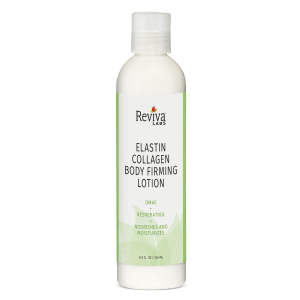
Moisturizing is the final and equally important step in any neck and chest routine. Richer evening formulas work especially well during the overnight period when the skin is in active repair mode and most receptive to hydrating and firming ingredients. During the day, a lightweight moisturizer or the simple extension of your facial cream provides sufficient coverage to maintain the skin barrier and prevent the dryness that accelerates visible aging. Body lotions and firming formulas designed for full-body use can also be applied to the neck and chest, though they typically contain lower concentrations of actives than facial-grade formulas. The objective at this stage is to seal in the layers applied below, keep the skin comfortable, and provide the nourishment it needs to maintain and repair itself overnight.

Lifestyle Habits That Affect These Areas More Than You Think
Beyond product routine, several daily habits have a significant and often underestimated impact on the neck and chest. Sleep position is one of the most influential. Back sleeping reduces the mechanical compression of skin against pillows that contributes to chest wrinkles and pillow-related creasing along the sides of the neck over time. Silk or satin pillowcases also reduce friction for those who prefer side sleeping, minimizing the repeated folding and tugging that accelerates line formation across both zones. These changes do not require adding anything to a skincare routine but can meaningfully affect how the skin ages in these areas. They are easy adjustments that quietly amplify the results of everything else being done consistently.
Posture and screen habits play an equally significant role in neck skin health, particularly in an era where the average person spends several hours each day looking down at a phone or computer. This repeated downward gaze creates concentrated folds along the front and sides of the neck that deepen with frequency and time. Actively working to hold screens at eye level, whether by raising a phone, adjusting a monitor height, or taking periodic posture breaks throughout the day, reduces the number of times those folds form and deepen. Internal hydration also matters more for the neck and chest than people often realize. These areas respond visibly to dehydration, becoming dull and more textured when fluid intake is insufficient, and noticeably more supple and plump when the body is consistently well hydrated. Lifestyle and routine reinforce each other in ways that make both more effective.

Ingredients Worth Looking For and Why They Work
When evaluating products for neck and chest use, whether by extending existing facial formulas or selecting something targeted for these areas, a few ingredient categories stand out for their demonstrated effectiveness on firming, hydration, and tone correction. Peptides, particularly palmitoyl-based varieties, signal the skin to support its collagen and elastin infrastructure and are generally well-tolerated even on sensitive or reactive skin. Hyaluronic acid and its sodium salt form draw and retain moisture at both the surface and deeper skin levels, visibly plumping fine lines and restoring a more supple, hydrated appearance that these areas frequently lack. Niacinamide, also known as vitamin B3, helps regulate uneven pigmentation, strengthens the skin barrier, and has a calming effect that makes it a reliable daily-use ingredient for skin prone to redness or irritation.
Alpha hydroxy acids such as glycolic and lactic acid can improve the texture of crepey skin on the neck and chest through regular gentle exfoliation, but they require a more cautious introduction than they would on facial skin. These areas are generally less tolerant of strong actives, and starting with a low concentration used once or twice per week is the sensible approach, increasing frequency gradually only after the skin has shown it can handle the formula without irritation or increased dryness. Retinol is similarly effective for texture and firmness improvement but should be used with care in these zones: a small amount extended from the face to the neck at night is typically sufficient, and rigorous morning sun protection the following day is not optional. Antioxidants as part of any morning routine for the neck and chest are not luxury additions. They are functional ingredients that actively preserve the collagen and healthy skin cells already present.

When to Start and What to Realistically Expect
The best time to begin a neck and chest routine is before visible aging appears, because prevention is always more efficient and more cost-effective than correction. The structural changes that lead to crepiness, sagging, and pigmentation begin quietly at the cellular level years before they become apparent on the skin’s surface. That said, starting at any age brings real benefit. People who begin consistent care in their forties or fifties often see measurable improvements in hydration and texture within a few weeks of daily routine, with more significant changes to firmness and tone becoming visible over a period of several consistent months. The skin operates on its own timetable, and patience combined with consistency is the formula that works.
Setting realistic expectations is as important as selecting the right products. A well-constructed neck and chest routine cannot replicate the results of clinical procedures for advanced laxity or significant sun damage, but it can meaningfully improve the overall appearance of these zones and substantially slow the pace at which further visible changes occur. Many people find that even a simple extension of their existing face routine downward produces noticeable softening of fine lines and improved skin texture within four to six weeks of daily use. The key word throughout is consistency. The skin responds to reliability and repetition far more than it responds to occasional intensive treatments. A modest routine practiced every single day will outperform an elaborate one used sporadically, and the neck and chest are no exception to that fundamental principle of skincare.
Frequently Asked Questions
Should I use the same products on my neck and chest as I use on my face?
In most cases, yes. Extending the same products you already use on your face down to the neck and chest is both practical and effective. These areas have similar needs and respond well to the same actives, though you may want to introduce stronger ingredients like retinol or AHAs more gradually on the neck and chest since those zones tend to be more sensitive to actives than the face. Starting with your existing routine and simply extending it downward is the easiest and most sustainable approach.
How often should I exfoliate my neck and chest?
Once or twice per week is a reasonable starting frequency for most people. The neck and chest tend to have thinner, drier skin than the face and can be more prone to irritation from frequent exfoliation. A gentle chemical exfoliant containing lactic acid or a low concentration of glycolic acid is generally a better choice than a physical scrub, which can create micro-tears in delicate skin. Pay close attention to how your skin responds after each use and reduce frequency if you notice redness, tightness, or increased sensitivity.
Why does my neck seem to age faster than my face even though I use SPF on my face?
The neck and chest accumulate sun exposure throughout the day from angles and activities that sunscreen on the face does not address. Additionally, the neck has fewer oil glands, thinner skin, and less structural collagen support than facial skin, all of which contribute to faster visible aging. Repeated downward neck movements from screen use, plus sleep compression in the case of the chest, accelerate the process further. Adding SPF and daily moisturization to these areas can significantly slow that gap.
Is it too late to start a neck and chest routine if wrinkles or dark spots are already visible?
It is never too late. While early prevention is more efficient, consistent daily care at any age can improve skin hydration, texture, and tone over time. Ingredients like hyaluronic acid, peptides, niacinamide, and vitamin C can visibly soften and brighten areas with existing damage when used consistently over several months. More significant concerns such as deep laxity or advanced photoaging may benefit from a conversation with a dermatologist, but a strong topical routine remains a foundational and valuable step at any stage.
What is tech neck and can skincare help with it?
Tech neck refers to the horizontal creases and folds that develop along the front of the neck as a result of repeatedly looking down at phones, tablets, and computers over long periods. The skin in this area responds to the same repeated fold the same way fabric would: by developing permanent creasing over time. Skincare can help by keeping the skin hydrated, supported with firming actives, and protected from UV damage that makes the texture worse. However, addressing the habit itself by raising screens to eye level is the most direct way to reduce the mechanical cause. Skincare and posture habits work best together.
Do I need SPF on my neck and chest during winter or on cloudy days?
Yes. UVA radiation, which penetrates deeply into the skin and is responsible for collagen breakdown and pigmentation changes, passes through clouds and glass and is present year-round regardless of temperature. The amount of UVA reaching the skin on a cloudy winter day is lower than on a clear summer afternoon, but chronic daily exposure adds up significantly over time. Applying a broad-spectrum SPF 30 or higher to the neck and chest every morning as a standard step, regardless of the season or weather, is the most reliable way to limit photoaging in these areas.
References and Sources
- Fisher GJ, Kang S, Varani J, et al. Mechanisms of photoaging and chronological skin aging. Archives of Dermatology. 2002;138(11):1462-1470. https://pubmed.ncbi.nlm.nih.gov/12437452/