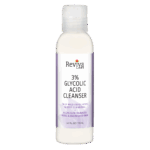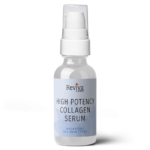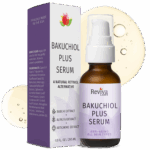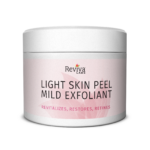

Natural, Reviva Labs, Skin Care
Why Natural Skincare Produces Better Long-Term Results for Your Skin
Apr
Roughly 60% of what you put on your skin is absorbed into your body, according to the Environmental Working Group. That single fact reframes every product decision you make. It is not just about what a formula does on the surface. It is about what it does after it gets there. When ingredients work with the skin’s biology rather than against it, the results are more reliable, more stable, and far easier to maintain over time. Natural skincare, when it is formulated with real purpose, earns its place not through clever marketing but through consistent, functional performance.
Most people approach skincare with the best of intentions and still end up frustrated. They try a new serum, see early improvements, and then watch the results stall or reverse. They layer too many products, switch formulas too often, and chase whatever ingredient is generating buzz that month. The cycle feels productive, but it rarely delivers. The skin is not a blank surface that rewards constant stimulation. It is an active system with its own intelligence, and when you work with that system instead of overwhelming it, everything changes.
That shift in thinking is exactly where natural skincare, at its best, excels. The focus moves away from aggressive intervention and toward consistent support. Ingredients are chosen because they complement the skin’s structure and function, not just because they sound impressive on a label. Routines become simpler, more purposeful, and much easier to maintain. This approach is not new. Reviva Labs has built its entire brand philosophy around it since 1973, long before “clean beauty” became a category on a shelf.
What follows is a close look at how natural skincare actually works, why it produces better outcomes for most skin types over time, and what you should genuinely expect when you commit to this kind of routine.
The Skin Has Its Own Logic Worth Respecting
The outermost layer of the skin, the stratum corneum, functions as both a shield and a communication system. It keeps moisture in, blocks environmental damage out, and signals the lower layers when repair is needed. This structure depends on a precise balance of lipids, proteins, and water. When skincare respects that balance, the results follow naturally. When it disrupts it, even temporarily, you often end up spending more time recovering than improving.
Natural plant oils offer a clear and well-documented example of this principle. Oils rich in linoleic and oleic fatty acids, such as rosehip, safflower, and sunflower seed oil, closely resemble the lipid composition already present in the skin’s barrier. When applied, they slot into the skin’s existing architecture rather than simply coating the surface. The skin accepts these molecules with minimal resistance, which is why people with sensitive or reactive skin tend to respond so well to oil-based formulas built around these ingredients.
The same logic applies to humectants. Glycerin and hyaluronic acid draw water from the environment and from deeper skin layers up into the stratum corneum. They work with the skin’s natural hydration mechanism rather than overriding it. This is a key distinction. Ingredients that force rapid change often require the skin to compensate, which creates a rebound effect. Ingredients that support normal function allow improvements to accumulate steadily without disruption.
This is why formulation matters so much more than any single ingredient. The overall compatibility of a formula with skin biology is what separates a product that genuinely works from one that produces a brief, impressive effect before the skin adapts and the results disappear.
Hydration That Lasts Requires More Than One Ingredient
Tight, dry skin is rarely caused by a simple lack of moisture. It is most often caused by an inability to hold onto the moisture that is already there. The barrier has weakened, lipids have been depleted, and the skin cannot perform its basic regulatory function properly. This is where a layered, natural approach consistently outperforms single-ingredient solutions.
Effective hydration relies on three distinct mechanisms working in sequence. Humectants pull water into the skin. Emollients smooth and condition the texture of the outer layers. Occlusives help seal moisture into slow evaporation. Many plant-based ingredients cover more than one of these roles simultaneously, which is why a well-constructed natural formula can deliver hydration that feels balanced rather than heavy or greasy. Shea butter, for instance, functions as both an emollient and a mild occlusive. Glycerin acts as a humectant while also supporting the skin’s own moisture-binding proteins.
Over time, sustained hydration makes a visible and tactile difference. Skin that holds moisture consistently looks smoother and plumper. Fine lines appear less prominent, not because they have been filled in, but because the surrounding tissue is properly hydrated and supported. Skin that stays hydrated also becomes less reactive and more tolerant of active ingredients, which makes the rest of a routine easier to maintain.
People who have struggled with dry skin for years are often surprised to discover that the issue was not what they were adding but what was disrupting their barrier. Once the formula stops competing with the skin’s natural function, moisture retention improves on its own, and it keeps improving with consistent use.

Exfoliation Without the Setback
There is a productive version of exfoliation and a destructive one, and the difference comes down entirely to how acids are paired with supporting ingredients. Exfoliating acids like glycolic acid work by loosening the connections between dead skin cells at the surface, allowing them to shed more efficiently and revealing the fresher skin underneath. This process accelerates cell turnover, improves texture, and contributes to a more even and radiant complexion. But glycolic acid used in isolation or at too high a concentration can strip the barrier and trigger inflammation, which defeats the purpose entirely.
Natural skincare approaches exfoliation differently. Active acids are integrated into formulas that also contain calming and hydrating agents. Aloe vera soothes the post-exfoliation surface. Glycerin replenishes moisture immediately. Allantoin, derived from the comfrey plant, reduces redness and supports healing. This combination allows the exfoliant to do its job while the surrounding ingredients prevent the kind of over-stimulation that leads to peeling, sensitivity, or prolonged redness.
The practical benefit is that you can exfoliate consistently rather than in intense, infrequent sessions. Skin that renews itself gradually, a little at a time, shows steadier improvement than skin pushed hard and then left to recover. Regular, gentle exfoliation also improves the absorption of other products in a routine, making every step more effective.
Consistent use is the real driver of results here. Occasional, intense exfoliation creates temporary improvement followed by compensatory reactions. Daily or regular gentle exfoliation, supported by the right surrounding ingredients, creates improvement that accumulates and holds.

Antioxidants Do the Quiet Work That Matters Most
Environmental stress affects skin every single day. Ultraviolet light, pollution, and the metabolic processes that occur inside the skin itself all generate free radicals, which are unstable molecules that damage proteins, lipids, and DNA in the skin’s structure. This damage shows up gradually as uneven tone, loss of firmness, visible texture changes, and the general dulling that many people associate with aging. Antioxidants interrupt this process by neutralizing free radicals before they cause lasting damage.
Vitamin C, in its various topically stable forms, is among the most well-studied antioxidants in skincare. It reduces oxidative damage, supports structural protein production, and contributes to a brighter, more even complexion. Alpha lipoic acid, CoQ10, and vitamin E each contribute additional and complementary antioxidant activity. They also support each other’s efficacy when combined, which is why multi-antioxidant formulas tend to outperform single-antioxidant approaches. Green tea extract and sea buckthorn add further protection through polyphenols and carotenoids that address a broader range of oxidative stressors.
The results from antioxidants are gradual rather than dramatic. Skin does not look visibly transformed overnight. What happens instead is that damage accumulates more slowly, existing discoloration fades more readily, and the overall quality of the skin’s appearance improves in a way that holds over time. This is preventive skincare in its most practical form.
Natural skincare integrates antioxidants throughout a routine rather than concentrating them in a single product. A moisturizer contains vitamin E. A serum delivers vitamin C. A treatment formula adds CoQ10 and alpha lipoic acid. This layered approach creates ongoing protection rather than periodic supplementation, and it makes a measurable difference in how skin holds up against daily environmental exposure.
Why Sensitive Skin Responds So Well to Natural Formulas
Skin that reacts to almost everything is not inherently fragile. It is usually a damaged barrier that has lost its ability to regulate what gets in and what stays out. Once irritants penetrate more easily and moisture escapes more readily, the skin becomes hyperresponsive, reacting to ingredients and conditions it would otherwise tolerate without issue. Restoring that barrier is the most effective way to calm reactivity, and natural skincare is particularly well-suited to that task.
Calming botanical ingredients like aloe vera, chamomile extract, and cucumber extract reduce inflammation without harsh chemical interference. They soothe the surface while supporting the underlying repair processes that allow the barrier to strengthen. When these are paired with barrier-reinforcing lipids and gentle humectants, the skin gradually rebuilds its resilience from within rather than being temporarily suppressed from without.
The important distinction here is between masking sensitivity and actually resolving it. Many products reduce visible redness in the short term by using ingredients that constrict surface blood vessels or temporarily numb receptors. Natural approaches focused on barrier repair produce different and more durable results. Redness decreases because the underlying cause has been addressed. Skin becomes genuinely more tolerant, not just temporarily quieter.
This process takes time. Barrier repair does not happen in a few applications. It requires weeks of consistent support before the changes become noticeable. But for anyone who has dealt with chronic sensitivity or reactivity, that patience pays off in a way that short-term fixes simply cannot match. The skin reaches a new baseline of resilience, and it stays there as long as the supportive routine continues.
The Real Story Behind Firmness and Texture
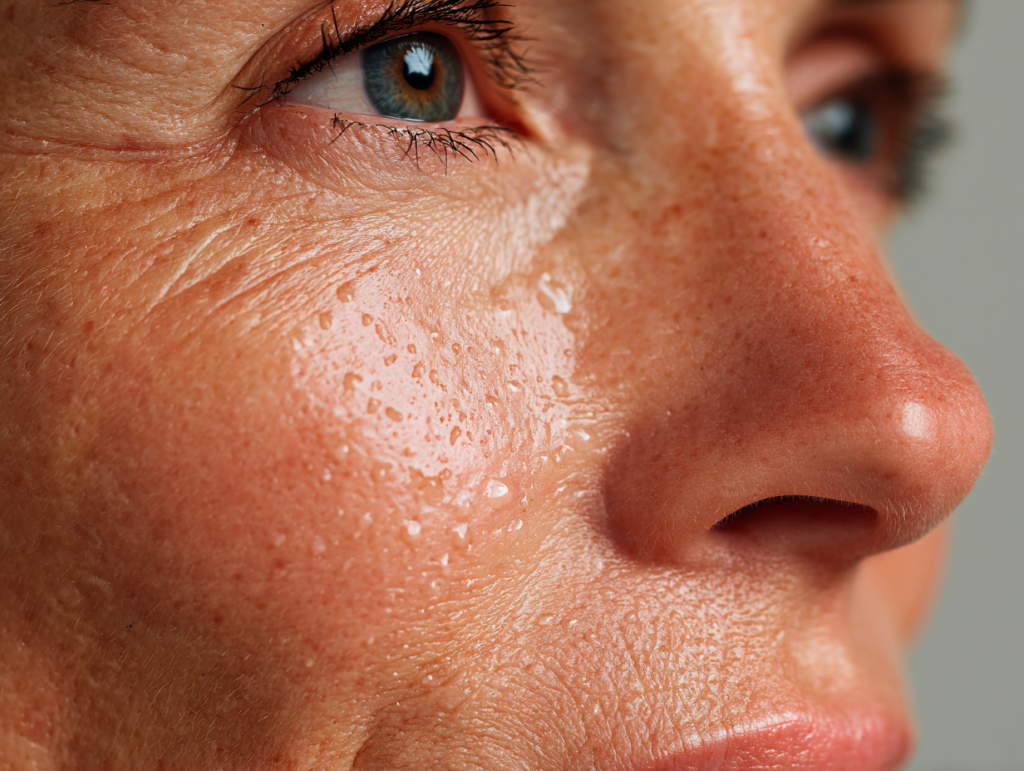
Firmness loss and texture changes are among the most common skin concerns as people age, and they tend to generate the most overcomplicated responses. The skincare industry has produced a remarkable number of products that promise rapid structural transformation, and most of them deliver inconsistent results precisely because they approach the skin as something to be overridden rather than supported.
DMAE, or dimethylaminoethanol, provides a well-documented example of how a targeted ingredient can produce real and visible results when used appropriately. It influences the appearance of skin tone and firmness, particularly along the jawline, neck, and areas where laxity first becomes visible. It works at a biological level rather than through surface-level plumping, which means its effects accumulate with consistent use instead of washing off. Reviva Labs has offered DMAE at a 5% concentration, which is notably higher than most formulas on the market, specifically because higher concentrations allow the ingredient to deliver its full benefit.
Peptides contribute to this picture in a complementary way. Rather than replacing structural proteins directly, peptides send chemical signals that encourage the skin’s own production processes. Over time, this results in skin that holds its shape more effectively and develops a smoother, more consistent texture. The improvements are gradual, which some people find frustrating, but they are also durable. Skin that has been supported in rebuilding its own structure maintains those improvements far more reliably than skin that has been temporarily plumped by surface-level treatments.
Patience and consistency are the two most underrated factors in skincare for firmness and texture. Products that produce rapid, visible change often do so through mechanisms that the skin compensates for over time. Approaches that support the skin’s natural processes take longer to show visible results but do not require constant escalation to maintain them.
Brightening Without the Irritation Trap
Uneven skin tone, hyperpigmentation, and post-inflammatory discoloration are among the most persistent and challenging skin concerns to address effectively. Many treatments that produce fast brightening results do so at the cost of irritation, and irritation, particularly in already-compromised skin, often worsens discoloration rather than improving it. Post-inflammatory hyperpigmentation is a real and frustrating phenomenon in which the skin’s response to treatment creates the same kind of darkening that the treatment was meant to address.
Natural brightening approaches tend to be more patient and, ultimately, more effective precisely because they avoid this trap. Niacinamide, a form of vitamin B3, reduces the transfer of pigment to skin cells, improves barrier function, and calms inflammation simultaneously. Kojic acid, derived from fungi, inhibits melanin production without the significant irritation potential of some synthetic alternatives. Vitamin C in its topically stable forms contributes antioxidant protection while also reducing oxidative discoloration. When these ingredients are combined with calming botanicals and hydrating agents, the brightening process supports the skin rather than stressing it.
The timeline for meaningful tone improvement is longer than many people expect or want to hear. Real changes in established hyperpigmentation take a minimum of six to eight weeks of consistent treatment, and darker, more embedded spots may take considerably longer. However, the improvements that occur through this kind of steady, supported approach hold far better than those produced by more aggressive methods. The skin is not being forced into compliance. It is being supported in regulating itself, which produces a different and more stable outcome.
Building a Routine That You Will Actually Maintain
The most technically sophisticated skincare routine in the world produces no results if it is too complicated to follow consistently. This is not a trivial point. Complexity is one of the most common reasons that otherwise well-intentioned routines fail. Too many steps create too many opportunities to skip, substitute, or abandon. The more variables in a routine, the harder it becomes to understand what is actually working and what is not.
Natural skincare, when organized with purpose, lends itself to simplicity. A four-step framework covers everything most skin needs: prepare, prevent, correct, and enhance. Cleansing and prepping the skin sets up the surface for what follows. Protecting the skin from environmental stress maintains the progress that treatment steps create. Treating specific concerns with targeted actives addresses the issues that matter most. Enhancing results with supporting hydration and barrier care reinforces every other step and makes the overall routine more effective.
This structure also makes it easier to identify where a routine is working and where it needs adjustment. When a four-step system shows improvement, you know which category of products is responsible. When something is not working, you can isolate the issue without dismantling the whole routine. This kind of clarity is genuinely valuable, and it comes directly from the discipline of keeping things purposeful and simple.
Consistency, more than any individual ingredient, is what produces lasting results. The skin does not transform in a week. It transforms through repeated, cumulative support over months. A routine you can maintain every day will always outperform a more complex protocol that you follow sporadically.
Formulation Quality Separates Performance From Promises
The word “natural” on a label tells you almost nothing about whether a product will actually work. The natural skincare category includes both exceptional formulations and ineffective ones, and the difference lies entirely in how the product is built. An ingredient that performs brilliantly in isolation can fail completely in a poorly constructed formula. Emulsification, pH balance, ingredient ratios, and the interaction between components all determine whether a formula delivers on its claims.
This is why sourcing ingredients responsibly and formulating with genuine scientific discipline matters more than following trends. Natural components earn their place in a formula by performing, not by sounding appealing in a marketing description. Proven scientific ingredients belong in natural skincare when they contribute real functional benefit. The two approaches are not at odds. They are complementary when formulation quality is the standard by which every ingredient is judged.
Brands that have been formulating purposefully for decades carry a different kind of credibility than those chasing the ingredient of the moment. There is no shortcut to a formulation that has been tested, refined, and proven through real-world customer use over time. That history of performance is, ultimately, the most reliable signal you have that a natural skincare product will actually do what it says.
Long-Term Results Are Better Than Fast Ones
The skincare industry often rewards speed. Dramatic before-and-after images, rapid transformation claims, and bold promises of visible results in days are effective marketing tools precisely because people want fast answers to long-standing concerns. But fast results and lasting results are not the same thing, and the distinction is worth taking seriously. Products that produce rapid visible change often do so through mechanisms that cannot be sustained. The skin adapts, the effect fades, and the cycle begins again.
Natural skincare that is formulated with integrity produces results that build rather than peak and retreat. Hydration improves first, often within the first few days of a new routine. Texture follows over the next few weeks as cell turnover normalizes and the barrier strengthens. Tone becomes more even over months as antioxidants accumulate in the skin and brightening ingredients have time to work. Firmness improves last and most gradually, but the improvements hold because they are grounded in the skin’s own structural processes rather than temporary surface effects.
This kind of progress requires patience, but it also requires trust. Trust that the routine is working even when the results are not yet visible. Trust that supporting the skin consistently is more valuable than pushing it hard. Natural skincare, when built on a foundation of purposeful formulation and scientific integrity, earns that trust through results that accumulate, hold, and keep improving as long as the routine continues. That is not a small thing. That is the difference between skincare that genuinely works and skincare that just keeps you busy.
Frequently Asked Questions
Is natural skincare effective for mature or aging skin?
Yes, and in many ways, it is particularly well-suited to it. Mature skin tends to have a compromised barrier, lower moisture retention, and reduced tolerance for aggressive treatments. Natural skincare that emphasizes barrier support, steady hydration, and gentle exfoliation addresses these needs without the irritation risk that more aggressive approaches carry. Targeted ingredients like DMAE, peptides, and hyaluronic acid contribute to improved firmness and texture in ways that hold over time rather than fading quickly.
Can natural skincare include acids, peptides, and other actives?
Absolutely. Natural skincare is not synonymous with passive or weak skincare. Glycolic acid, vitamin C, niacinamide, and peptides are all compatible with natural formulation philosophies when they are incorporated thoughtfully. The key difference is that these actives are typically paired with calming, hydrating, and barrier-supporting ingredients that allow for consistent use without chronic irritation.
How long should I expect to wait before seeing real results?
Hydration and texture improvements often appear within the first two to three weeks of consistent use. Changes in skin tone, including fading of dark spots or reduction in redness, typically require six to eight weeks or longer. Improvements in firmness and laxity are the slowest to appear but tend to be the most durable when they do. The timeline depends heavily on the specific concern and the consistency of the routine.
Is natural skincare appropriate for oily or acne-prone skin?
Yes. Oily and acne-prone skin benefits significantly from barrier support and gentle exfoliation, both of which are central to natural skincare approaches. Plant-based oils like jojoba, which closely resembles the skin’s own sebum, can actually help regulate oil production rather than increasing it. Niacinamide helps balance oil levels, calm redness, and improve the appearance of enlarged pores without drying the skin excessively.
Does a natural skincare routine need to be complicated to work?
Not at all. A four-step framework of cleanse, protect, treat, and hydrate covers everything most skin needs. The most important factor in any routine is consistency, not complexity. A straightforward routine maintained daily will produce better results than an elaborate one followed sporadically. Simpler routines also make it easier to identify which products are delivering results and which are not necessary.
What should I look for on labels to identify genuinely functional natural skincare?
Look for specific active ingredients listed prominently, rather than vague descriptors like “botanical blend” or “natural extract.” Glycerin, hyaluronic acid, niacinamide, glycolic acid, vitamin C, CoQ10, and plant-based fatty acids should appear in positions that indicate meaningful concentration. A brand’s willingness to disclose full ingredient lists, explain how formulas work, and avoid proprietary blends that obscure what you are actually applying is also a strong signal of formulation integrity.
References and Sources
- Environmental Working Group, Skin Deep Database: https://www.ewg.org/skindeep/
- Rawlings, A.V. & Matts, P.J. (2005). Stratum corneum moisturization at the molecular level: An update in relation to the dry skin cycle. Journal of Investigative Dermatology, 124(6), 1099–1110. https://doi.org/10.1111/j.0022-202X.2005.23726.x
- Fiume, M.M., et al. (2012). Safety Assessment of Glycerin as Used in Cosmetics. International Journal of Toxicology, 31(5 Suppl), 40S–83S. https://doi.org/10.1177/1091581812461358
- Farris, P.K. (2005). Topical Vitamin C: A Useful Agent for Treating Photoaging and Other Dermatologic Conditions. Dermatologic Surgery, 31(S1), 814–818. https://doi.org/10.1111/j.1524-4725.2005.31725
- Bissett, D.L. (2009). Niacinamide: A B Vitamin that Improves Aging Facial Skin Appearance. Dermatologic Surgery, 35(S2), 860–865. https://doi.org/10.1111/j.1524-4725.2009.01165.x