Retinol has been called many things: the “gold standard” of skincare, a miracle for wrinkles, a cure-all for breakouts. But for all the attention it receives, there’s just as much misinformation circulating about what it can and can’t do. Many people are hesitant to try it because of outdated horror stories, while others expect it to work like magic overnight. Both perspectives miss the truth. Retinol isn’t a myth or a miracle – it’s a scientifically backed tool with real benefits, but like all actives, it comes with nuance. To cut through the noise, let’s examine some of the most common myths about retinol that continue to confuse skincare enthusiasts and even some professionals.
One of the most persistent claims about retinol is that it thins the skin. People often cite peeling or sensitivity as proof. In reality, the opposite is true. Retinol encourages increased cell turnover, which initially can cause flaking as older cells shed more rapidly. But over time, retinol stimulates collagen production in the deeper dermis. This thickens and strengthens the structural layer of your skin.
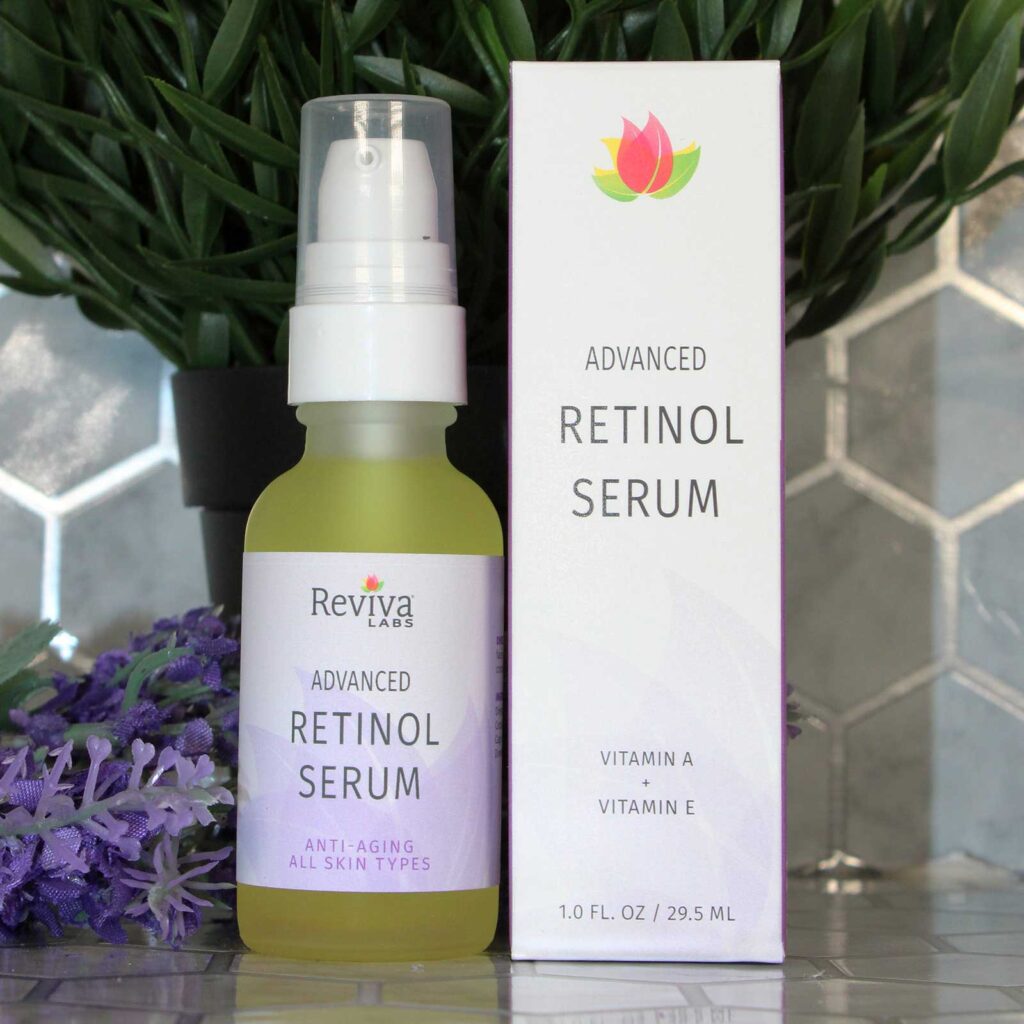
Research consistently shows that retinol helps improve skin’s resilience by boosting extracellular matrix proteins like collagen and elastin. While the outermost layer may feel delicate during the adjustment phase, the long-term result is firmer, plumper skin. Brands like Reviva Labs emphasize this benefit in their Advanced Retinol Serum, which highlights retinol’s role as a skin-restoring, firming, and antioxidant powerhouse.
The myth probably persists because of that temporary irritation phase many people experience in the first few weeks. The redness, dryness, or flaking is simply part of your skin learning to adjust. With consistent, proper use, retinol strengthens, not weakens, your skin barrier.
Myth Two: Retinol Delivers Instant Results
In an age of overnight shipping and quick-fix beauty hacks, people expect retinol to work in days. The reality is that visible improvements often take weeks or months. Most dermatologists note that it can take three to six months of consistent use to see significant improvements in fine lines, wrinkles, and discoloration.
Retinol isn’t like an exfoliating acid that reveals brighter skin after one application. It works at a cellular level, influencing how skin cells behave and encouraging long-term changes in texture and tone. Think of it as training your skin for healthier function rather than giving it a temporary surface polish.
This explains why many brands formulate retinol alongside complementary ingredients. Reviva Labs, for instance, balances retinol in its 10% Glycolic Acid Crème with soothing botanical extracts like aloe and chamomile to improve tolerance while layering anti-aging benefits. This balance allows users to stick with retinol long enough to see those gradual, meaningful results.
Myth Three: Retinol Can’t Be Used with Other Actives
It’s often said that retinol must be used alone, never paired with other powerful ingredients like vitamin C, glycolic acid, or niacinamide. While caution is wise, the truth is more nuanced.
Yes, layering too many strong actives at once can lead to irritation, especially for beginners. But when formulated properly – or used thoughtfully in a routine – retinol can be safely combined with other beneficial compounds. For example, glycolic acid and retinol can complement each other when balanced in a single cream, such as Reviva’s 10% Glycolic Acid Crème with retinol. Niacinamide is another excellent pairing, as it helps calm skin and support barrier strength, reducing the risk of irritation.
Vitamin C and retinol are sometimes said to “cancel each other out.” In truth, their effectiveness depends more on formulation and pH than simple incompatibility. Many modern serums are designed to let them coexist, and some routines alternate them between morning and night. The key is not to overload your skin but to choose stable, well-formulated products – or to build your regimen step by step.
Myth Four: Retinol Is Only for Wrinkles
Retinol’s reputation rests heavily on its anti-aging benefits. It’s true that it helps reduce the appearance of fine lines, wrinkles, and sagging, but stopping there does retinol a disservice. Retinol is also widely studied for acne, uneven pigmentation, rough texture, and enlarged pores.
Its exfoliating effect keeps pores clear of buildup, which is why dermatologists often prescribe stronger retinoids for acne-prone patients. It also helps regulate oil production and normalize how skin cells shed – two major factors in preventing breakouts. Beyond acne, retinol helps fade sunspots, melasma, and post-inflammatory hyperpigmentation.
So, while many people start using retinol in their thirties or forties to address signs of aging, younger users struggling with breakouts or uneven tone can benefit too. The versatility of retinol is one of the reasons it remains so central to dermatology and skincare alike.
Myth Five: Retinol Shouldn’t Be Used Daily
Another common myth is that retinol must be used sparingly, maybe once or twice a week, forever. While starting slow is smart to allow your skin to adjust, most people can eventually build up to daily use. In fact, consistent application is what produces the best results.
The adjustment phase, sometimes called “retinization,” usually involves mild irritation that subsides with time. Using a pea-sized amount, applying it at night, and pairing it with moisturizer can make this process smoother. Once skin adapts, nightly use becomes both safe and effective.
Formulations also make a big difference. For instance, Reviva’s Advanced Retinol Serum uses 0.10% retinol suspended in nourishing oils and antioxidants like vitamin E. This type of balanced product allows for regular use without overwhelming the skin.
Myth Six: Retinol Is Too Harsh for Sensitive Skin
It’s easy to see where this idea comes from. Many people experience redness or dryness when they first try retinol. But “sensitive” skin doesn’t automatically mean you can’t use it. With the right formula and approach, even those prone to irritation can benefit.
Options like encapsulated retinol release slowly into the skin, reducing the risk of harsh reactions. Pairing retinol with soothing ingredients such as aloe, chamomile, or squalane can also help buffer sensitivity. Many modern serums, including Reviva’s formulations, are designed to minimize irritation by combining retinol with hydrating and calming botanicals.
Another strategy is to use the “sandwich method” – applying moisturizer before and after retinol – to cushion its impact. And if skin still struggles, bakuchiol, a plant-derived alternative, offers similar benefits with less potential for irritation.
Myth Seven: Retinol Shouldn’t Be Used in Summer
Some people believe retinol should be shelved once the sun comes out. While it’s true that retinol makes skin more photosensitive, this doesn’t mean you can’t use it year-round. The key is diligent sun protection.
Wearing broad-spectrum sunscreen daily is essential for everyone, but especially important when using retinol. Without SPF, not only does your skin risk sunburn, but you also undermine retinol’s benefits, since UV exposure accelerates aging. If sunscreen is a daily habit, retinol can remain part of your nighttime routine in any season.
The myth likely persists because dermatologists once recommended stopping retinol before long vacations or heavy sun exposure, out of caution. Today, with better sunscreens and more stable formulations, year-round use is common.
It’s tempting to think that if 0.1% retinol is good, 1% must be better. But stronger concentrations don’t automatically equal better results. In fact, they often lead to more irritation without dramatically improving outcomes.
Most over-the-counter retinol products fall between 0.1% and 1%. Starting with lower concentrations allows your skin to adapt, while still delivering benefits. For many people, staying at 0.1% or 0.3% provides all the improvements they need. Jumping to higher strengths can cause so much irritation that people give up altogether.
This is why balanced products matter. Reviva Labs’ retinol offerings blend modest percentages with hydrating and antioxidant-rich bases, allowing for consistent use. Results come from steady application over months, not from blasting your skin with the strongest formula on the shelf.
Myth Nine: Retinol and Pregnancy Are a Safe Mix
One of the most important myths to clear up is that retinol is safe during pregnancy or breastfeeding. It isn’t. Oral retinoids like isotretinoin are well-documented teratogens, and while topical retinol has less systemic absorption, most medical professionals recommend avoiding it altogether during pregnancy and nursing.
Fortunately, alternatives exist. Ingredients like bakuchiol, vitamin C, and niacinamide can provide anti-aging and brightening benefits without the risks. It’s always best to consult with a healthcare provider for pregnancy-safe routines.
Myth Ten: Retinol Works the Same for Everyone
Finally, perhaps the broadest myth: that retinol guarantees the same results for everyone. Genetics, lifestyle, skin type, and even environment all influence how someone responds to retinol. Some people see dramatic improvements in a few months, while others notice subtler changes.
This doesn’t mean retinol “isn’t working” if your results look different from someone else’s. It highlights the importance of consistency, patience, and choosing a product suited to your unique needs. Some may prefer a serum like Reviva’s Advanced Retinol Serum for focused anti-aging benefits, while others might respond better to a cream that combines retinol with glycolic acid for added exfoliation.
Bringing It All Together
Retinol remains one of the most studied and effective ingredients in skincare, but it’s also one of the most misunderstood. It doesn’t thin your skin, it won’t deliver results overnight, and it isn’t reserved only for those battling wrinkles. It can be used daily, even on sensitive skin, and works best when paired with proper sun protection. Stronger isn’t always better, and safety matters – especially during pregnancy.
The myths around retinol often stem from either outdated information or misuse. When applied correctly, with patience and realistic expectations, retinol is one of the most powerful allies for healthier, younger-looking skin. Brands that have invested decades into refining their retinol formulas, like Reviva Labs, continue to show that science and careful formulation can transform this active ingredient from a source of fear into a cornerstone of effective skincare.
As a long time natural skin care fan I discovered Reviva Labs many years ago. After buying and using Reviva products for several years, I started contributing to Reviva Labs' blog in 2015.


 Collagen Revitalizing Créme
1 × $38.50
Collagen Revitalizing Créme
1 × $38.50 Reviva Labs Catalog 1 × $0.00
 Bakuchiol Plus Serum
Original price was: $32.00.$24.00Current price is: $24.00.
Bakuchiol Plus Serum
Original price was: $32.00.$24.00Current price is: $24.00. Collagen Night Créme
$20.00
Collagen Night Créme
$20.00 Firming Eye Serum
$22.00
Firming Eye Serum
$22.00 High Potency Collagen Serum
$28.00
High Potency Collagen Serum
$28.00