
Clean Beauty, How Do I Use?, Ingredients, Natural, Reviva Labs, Skin Care
Skincare After 45 What Changes What Helps What to Stop
Dec
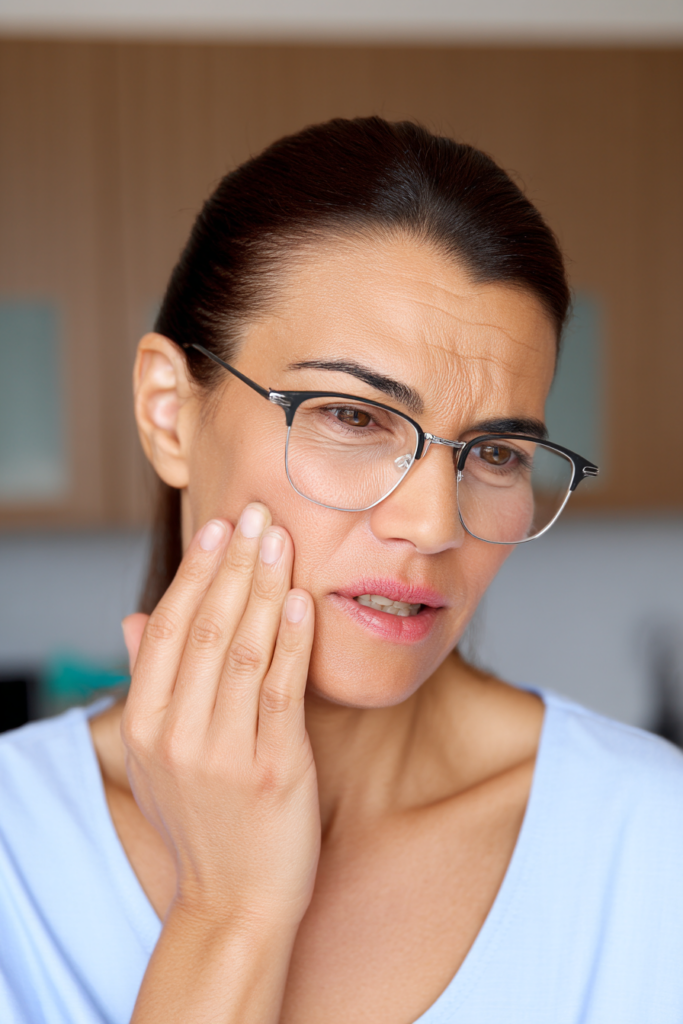
A steep shift hits fast – research often cites up to 30% of skin collagen lost in the first five years after menopause. Skin can feel like it changed its mind overnight. One month your usual routine feels fine, the next it feels tight, reactive, and oddly dull at the same time. You see more crinkling around the eyes, makeup sits differently, and dry patches show up in places you never had them. You also notice slower bounce, more visible pores, and lines that look deeper on tired days. None of this means you did anything wrong; it means your skin started playing by a new set of rules.
Calming Skincare For 45+ or Any Age – Recommended products



For women 45+, the goal stops being “fix everything” and turns into “support what skin needs now.” Your best results come from fewer steps done consistently, with ingredients that help hydration, comfort, and resilience. This is where peptides, hyaluronic acid, Vitamin E, alpha lipoic acid, and smart botanicals earn their keep. These ingredients fit the realities of midlife skin because they focus on what changes first: water handling, barrier stress, inflammation pressure, and visible firmness. You can keep your routine simple and still get meaningful progress, but you need to stop doing a few common things that keep skin stuck in a cycle of irritation and rebound dryness.
Why skin feels different in your late forties
Hormones start driving the bus, even if you never had “sensitive skin” before. As estrogen shifts, skin often produces less oil, holds less water, and recovers slower after stress. You can feel this as tightness after cleansing, stinging from products you tolerated for years, and a rougher surface texture that refuses to smooth out. You also see more flushing, a rise in redness, and a general sense that skin gets annoyed more easily. On top of hormone shifts, decades of UV exposure show up as uneven tone and stubborn pigmentation, even if you stayed out of the sun most of your life. Add sleep disruption, higher stress load, and indoor air dryness, and the skin barrier ends up working overtime.
Collagen and elastin changes show up in ways people describe as “crepey” or “thin.” The jawline looks softer, lines around the mouth look etched, and the eye area looks less cushioned. Skin also loses some of its natural glow because turnover slows, so dead cells cling longer and scatter light in a dull way. You can chase glow with strong exfoliants, but overdoing it often backfires after 45 because barrier recovery slows. The better play is to rebuild consistency around hydration, peptides, antioxidants, and calming support, then use exfoliation like seasoning, not the main dish.
Another change people miss is how inflammation stacks. Midlife skin often reacts more to fragrance, harsh surfactants, scrubs, and aggressive actives layered together. Even when you do not see a rash, low-grade irritation can still disrupt the barrier, increase water loss, and amplify redness. This is why routines that felt “productive” at 35 can feel punishing at 48. The skin did not get weaker, it got more selective, and it rewards you when you respect that.
Hydration first because water handling changes
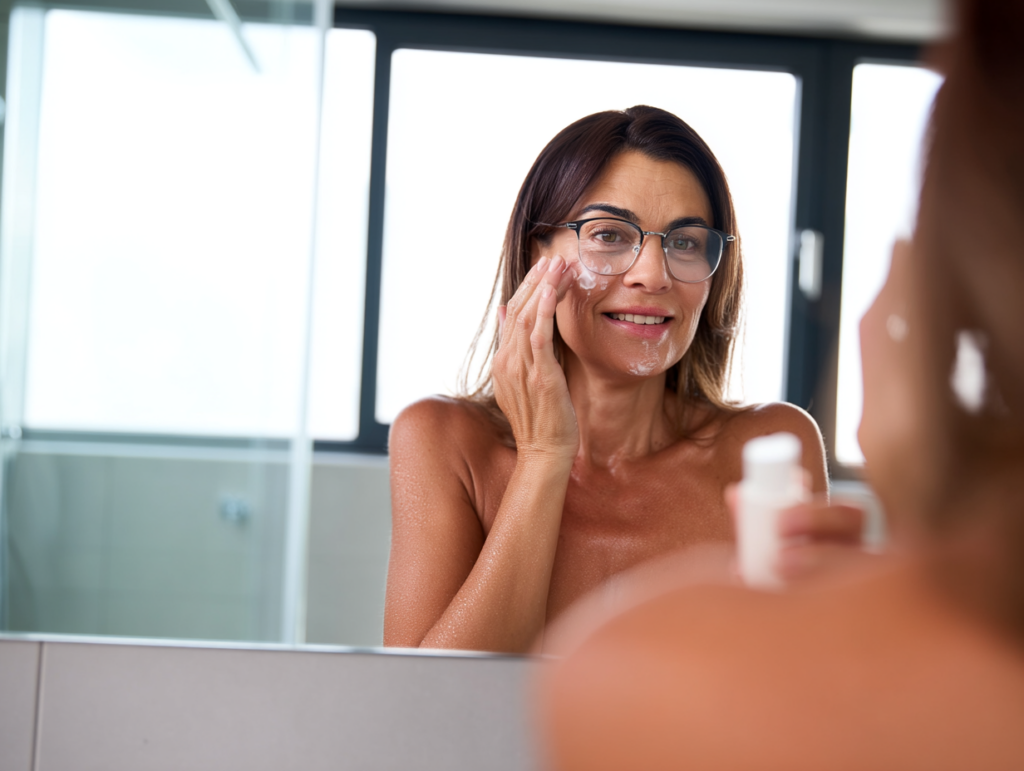
Hydration stops being a nice extra and becomes the foundation. When skin holds less water, fine lines look deeper, pores look larger, and texture looks rougher. This is where hyaluronic acid, especially sodium hyaluronate, helps because it binds water and supports a plumper look at the surface. It also plays well with sensitive routines because it supports comfort without relying on heat, tingling, or forced peeling. In real life, hydration shows up as fewer tight moments during the day, less makeup creasing, and a softer look around the eyes and mouth. It also helps other actives feel gentler because well-hydrated skin tolerates products better.
But hyaluronic acid works best when you treat it like part of a system. It needs water present, and it needs a layer on top that reduces water loss. If you put it on dry skin in a dry room, it often feels sticky and underwhelming. If you apply it to slightly damp skin, then seal it with a cream, it performs like people expect it to. This is why your routine order matters more after 45 than it did earlier, the same ingredients behave differently when the barrier runs dry.
You also want hydration that does not inflame. Many women try to “power through” dryness with stronger acids or more retinoids, then wonder why their skin looks more lined. Dryness and dehydration can mimic aging fast, so your first job is to stop the daily water leak. Think of this as rebuilding the skin’s comfort baseline, then layering targeted support. Once you do that, lines often look softer without needing extreme steps.
Peptides and Argireline for expression lines and firmness
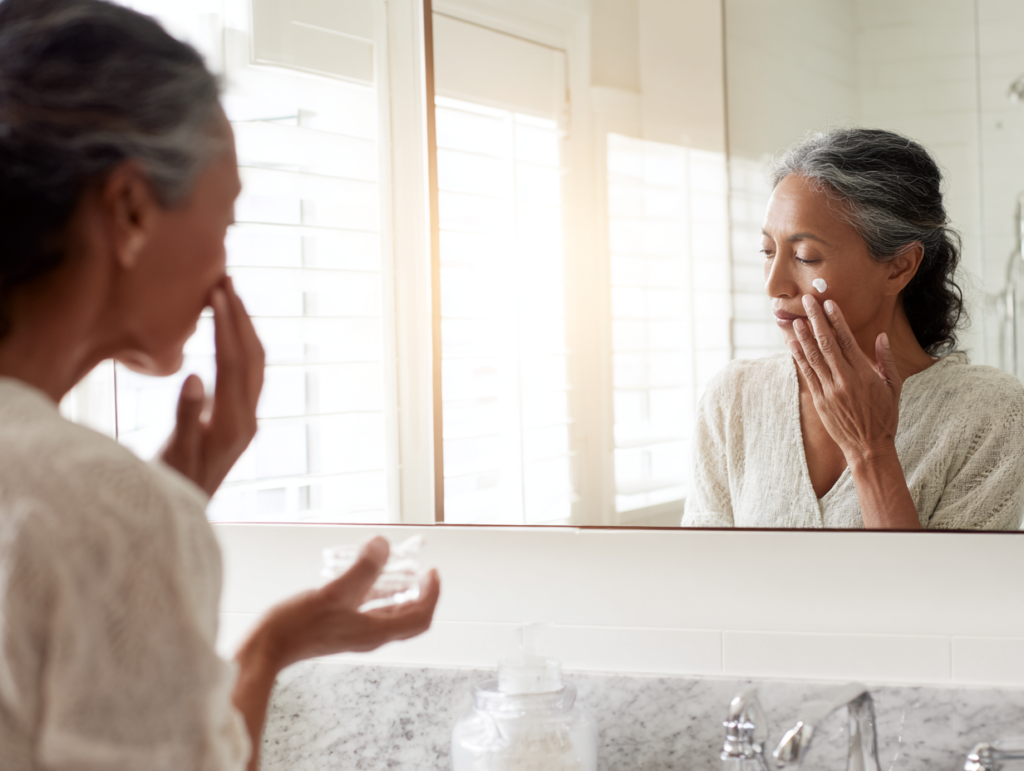
Peptides matter after 45 because skin signals change. Peptides support the look of firmer skin by helping create a better environment for the proteins and structure your skin relies on. They do not behave like an instant filter, and the payoff comes from daily use. You often notice the shift as smoother-looking areas where skin creases with expression, and a less “collapsed” look at the end of the day. Peptides also fit well in routines focused on comfort because they do not need irritation to work. For many women, that alone makes them worth prioritizing.
Argireline, also known as acetyl hexapeptide-3, gets attention because it targets expression-related lines in a different way than most skincare. It is often used around the forehead and crow’s feet area, where repetitive movement deepens creasing over time. The key is consistency and realistic placement, keeping it on the areas where you actually crease, not everywhere. You pair it with hydration, so the skin surface stays flexible, because flexible skin creases less harshly. You also pair it with sunscreen during the day, because UV weakens collagen and makes lines set faster.
Peptides support the look of firmer skin by helping create a better environment for the proteins and structure your skin relies on. They do not behave like an instant filter, and the payoff comes from daily use.
Peptides also work best when you stop sabotaging them with constant barrier disruption. If you exfoliate hard, scrub, or rotate too many actives, your skin spends its energy recovering instead of responding well to support ingredients. After 45, “calm and steady” beats “strong and busy” almost every time. This is why peptide routines often look boring on paper and impressive in the mirror. Skin likes predictability.
Vitamin E and Alpha Lipoic Acid for daily defense
After 45, oxidative stress shows up faster. Pollution, UV, heat swings, and even chronic stress push skin toward inflammation and dullness. Vitamin E, commonly listed as tocopherol or related forms, supports the skin barrier and helps limit the look of stress on the surface. It is also one of those ingredients that helps skin feel more comfortable, which encourages consistency. When people stick with a routine, they stop cycling through irritation, and skin looks healthier for reasons that do not require drama. Vitamin E also pairs well with oils and emollients, so it fits mature skin that feels drier and less cushioned.
Alpha lipoic acid brings a different kind of support. People often like it for the way it contributes to a brighter, more refined look when used in a balanced formula. It works best when your barrier stays stable, and when you do not stack it with a lot of irritating actives. In the right routine, it helps skin look less tired, especially when dullness comes from stress and environmental exposure. You want it in a product designed for regular use, not as a harsh “treatment night” every other day. Midlife skin rarely rewards extreme cycles.
The mistake people make is treating antioxidants like optional extras. After 45, they sit in the same tier as hydration and sunscreen. They support the look of smoother texture, more even tone, and less reactivity over time. You do not need ten antioxidants at once; you need a formula you will use daily. This also helps simplify your routine, which lowers the chance of irritation.
Botanicals for calming and comfort without the sting
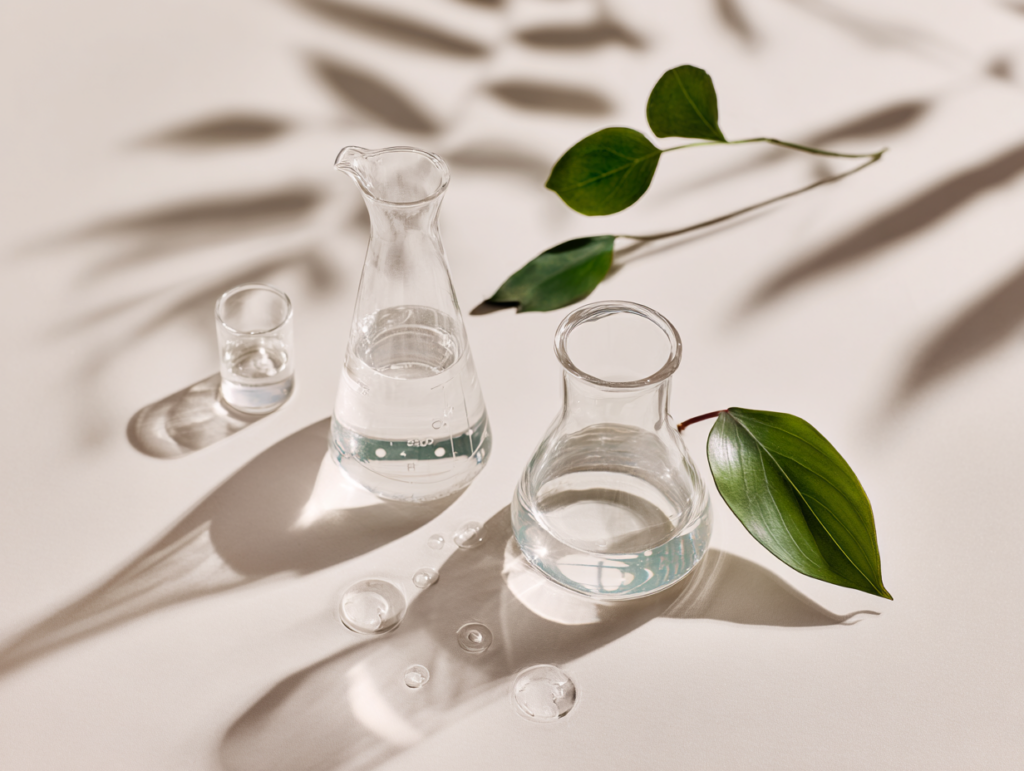
Botanicals earn their spot when they support calm and reduce the look of redness and puffiness. Ingredients like aloe, chamomile, cucumber, green tea, and soothing plant extracts can help skin feel less reactive. The best ones show up in formulas designed for barrier support, not in heavily fragranced products that turn botanicals into perfume. For women 45+, comfort is not a luxury, it is a strategy. When skin feels calm, you touch it less, pick less, and stop chasing the next product for relief. That alone changes how your skin looks week to week.
Eye-area botanicals matter because the eye contour shows stress first. Puffiness, dehydration lines, and morning creasing often come from fluid shifts and thin, delicate skin. A light, hydrating gel texture can help the area look fresher without feeling heavy. The main goal is to support hydration and reduce irritation, because rubbing the eye area from discomfort is a fast track to more creasing. Keep application gentle and keep product placement controlled so it stays on the orbital area and not into the eye.
Calming botanicals also fit well when you scale back exfoliation. If you stop over-scrubbing, you often notice fewer broken capillaries, less stinging, and a smoother look. Botanicals help reinforce that shift by supporting comfort while your barrier resets. Over time, this can make your skin look more even and less reactive, which reads as “you look rested” even when you are not.
What to stop after 45 if you want progress
Stop treating irritation like proof a product works. Tingling, burning, and persistent redness often signal barrier stress, not progress. When the barrier stays stressed, your skin loses more water, looks more lined, and reacts more to every product. Stop stacking multiple strong actives in one routine, especially if you wake up tight or red. You will get more from a simpler approach that you repeat daily than from a rotating schedule that keeps skin guessing. If you love exfoliation, use it less often and keep it gentle, because your barrier recovery time changed.
Stop over-cleansing and stop chasing squeaky clean. Harsh surfactants and too-hot water strip the lipids that keep skin comfortable. Many women notice dryness spike after a “deep cleanse” phase, then they try richer creams, then they blame the creams for clogged pores. The root issue often starts at cleansing. Use a gentle cleanser, keep water lukewarm, and limit cleansing time. If you wear makeup or sunscreen, remove it thoroughly but gently, then stop.
Stop using a routine built for oily, resilient skin if you no longer have oily, resilient skin. Alcohol-heavy toners, aggressive scrubs, and constant mattifying often leave mature skin looking more textured and less luminous. Stop switching products every week, because skin needs time to respond, and stability matters more now. Stop ignoring the neck and chest, because those areas show collagen and sun history fast. And stop skipping daily sun protection, because UV still drives collagen breakdown and uneven tone, even when you are not “sunbathing.”
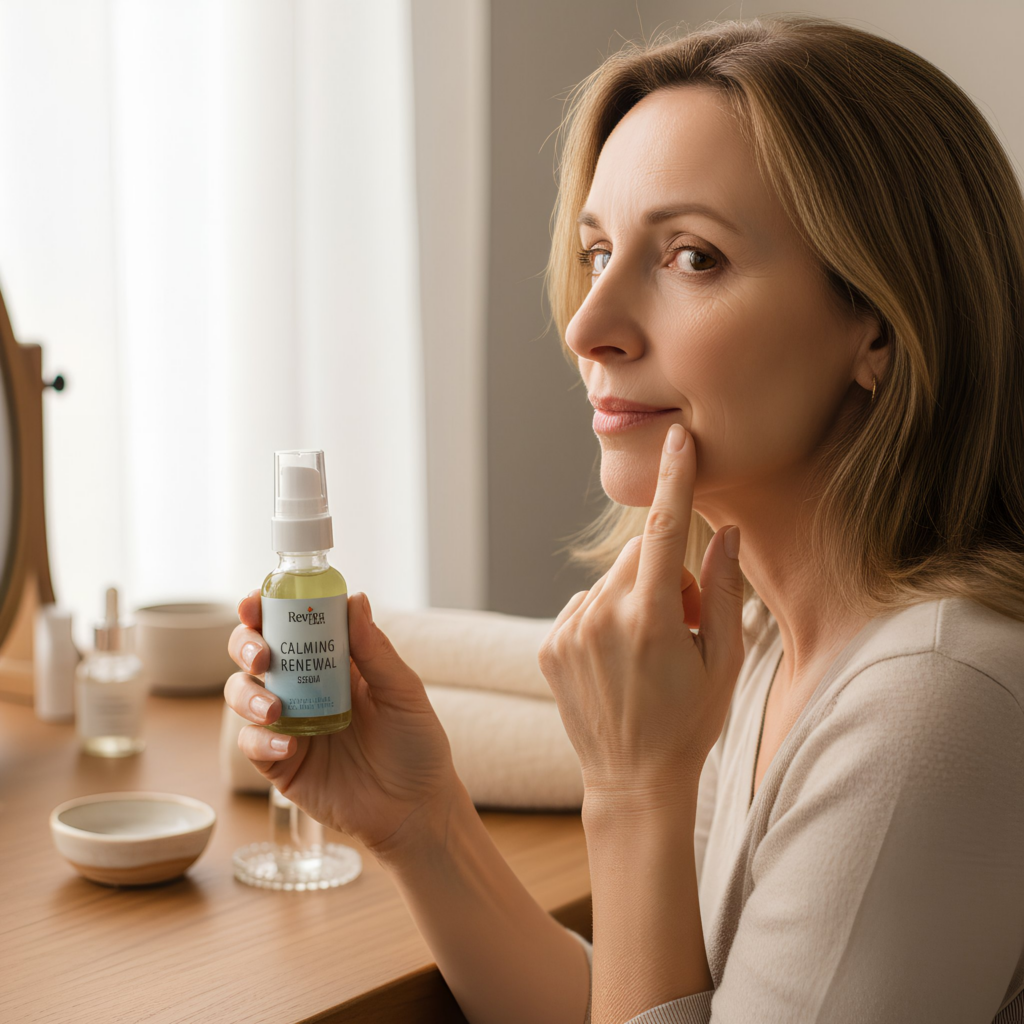
A practical routine built around hydration peptides and calm
A strong routine after 45 feels simple and repeatable. Start with gentle cleansing, then add hydration while skin is still slightly damp. Next, apply your peptide step, focusing on expression zones and areas where firmness looks softer. Then seal with a barrier-supportive moisturizer that includes antioxidants, so hydration stays put and the surface stays comfortable. In the morning, finish with sunscreen, because none of the other steps matter if UV keeps undoing your progress. At night, keep the same structure, and add exfoliation only on the days your skin feels stable.
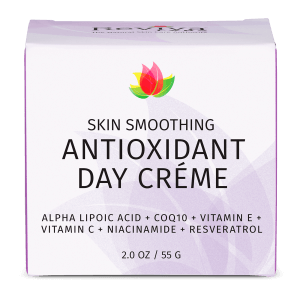
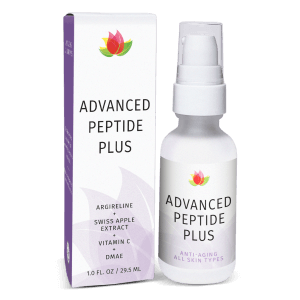
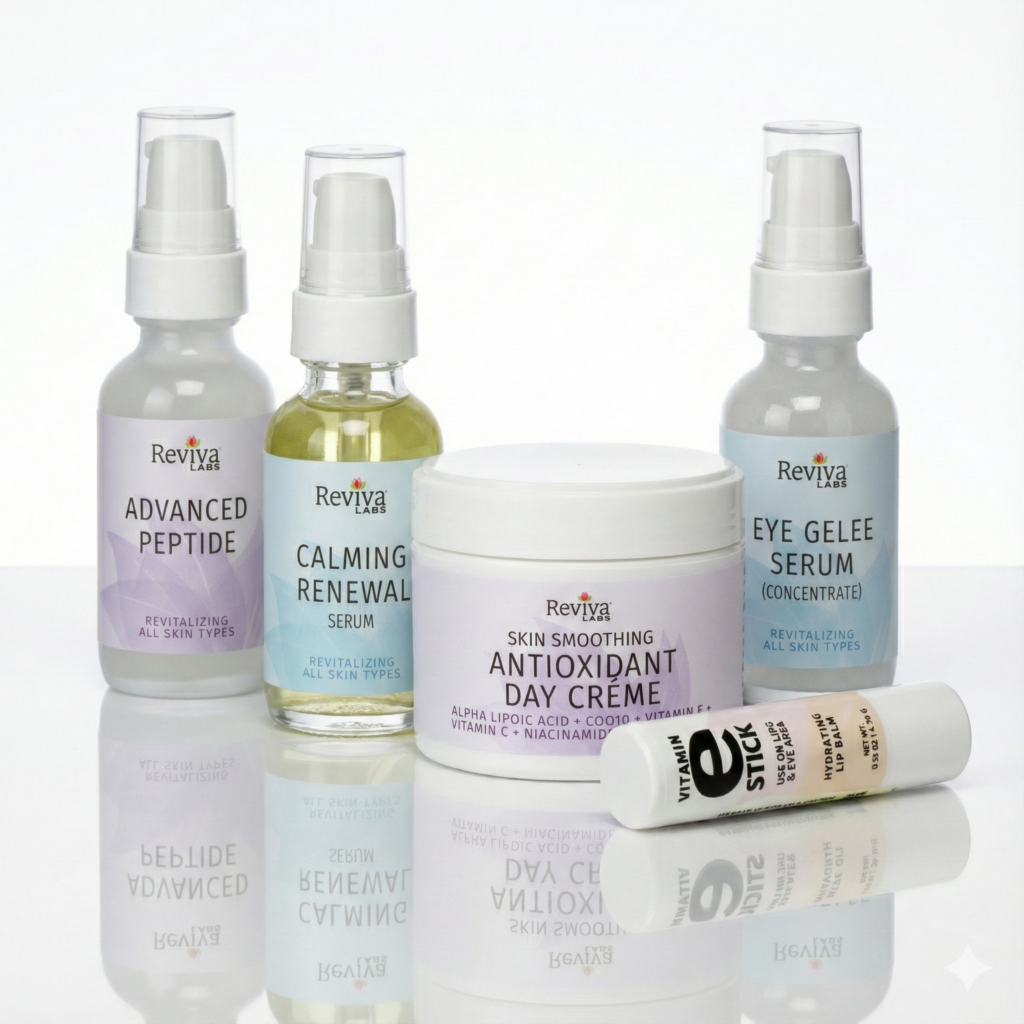
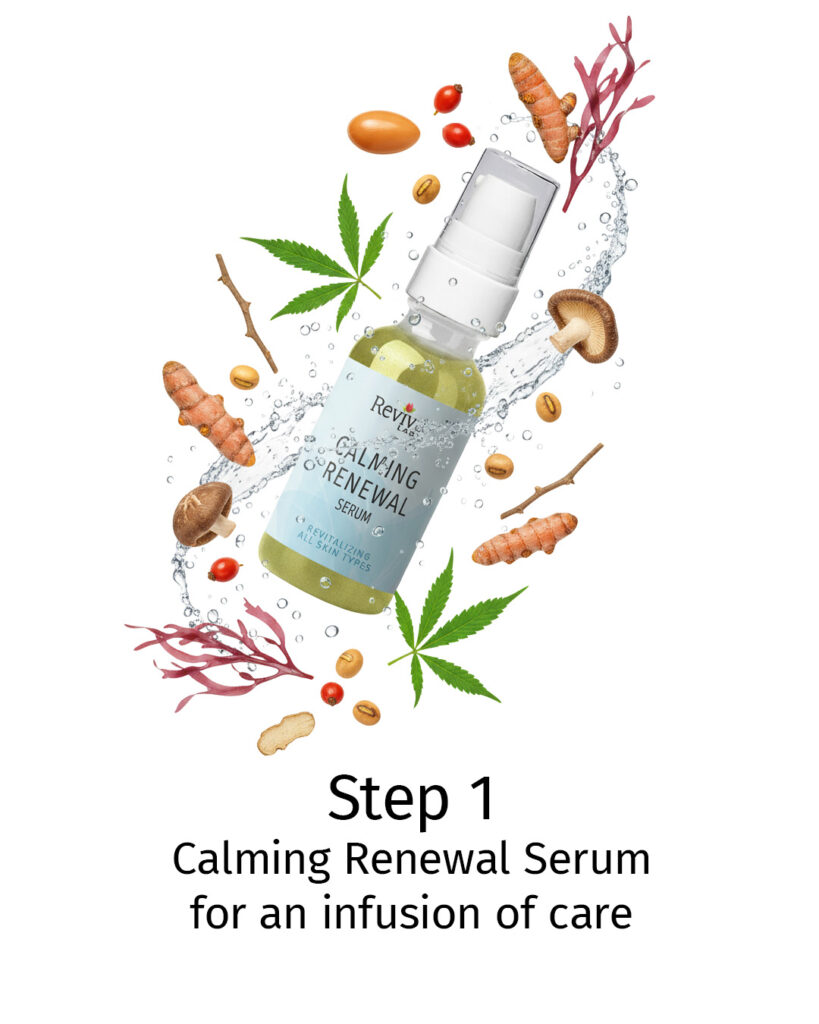
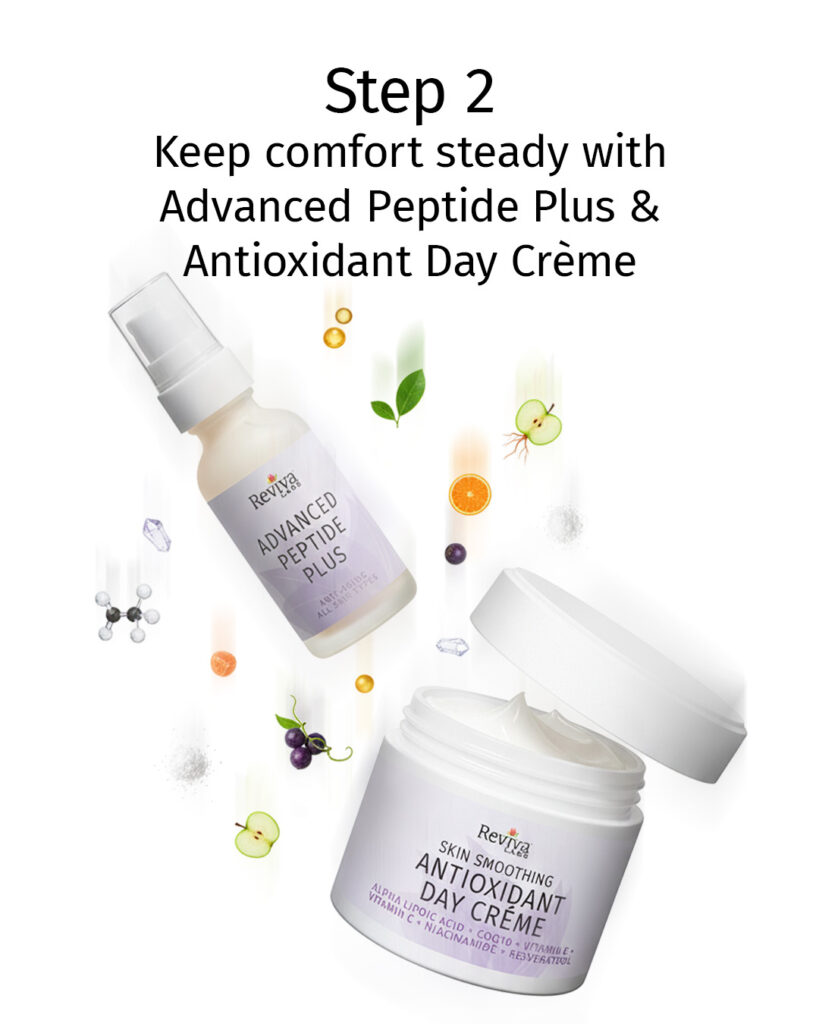
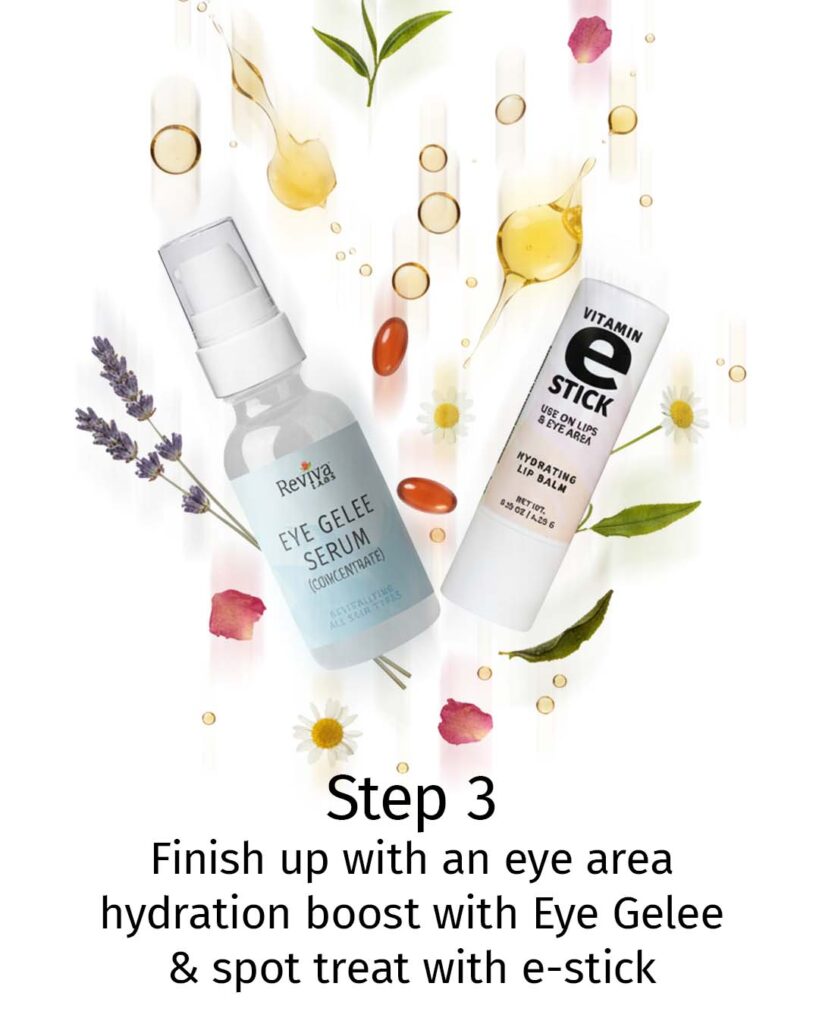
If you want product examples built around your anchor ingredients, think in terms of roles rather than steps for every possible concern. A calming serum like Calming Renewal Serum fits the “reset and comfort” role when skin feels reactive and unpredictable. A peptide-focused formula like Advanced Peptide Plus fits the “expression and firmness support” role, especially because it includes Argireline alongside hydration support. A daily moisturizer like Antioxidant Day Crème fits the “seal and defend” role by combining emollients with antioxidant support, including Vitamin E and alpha lipoic acid. For the eye area, a light hydrating gel like Eye Gelee fits the “de-puff and cushion” role with hydration and botanicals. For targeted comfort, especially on lips or small dry zones, a Vitamin E-stick fits the “stay-put protection” role when you want something simple that you can reapply without turning your whole routine upside down.
This style of routine also supports what many women actually need: fewer flare-ups. When skin stays calm, you can slowly add targeted steps without paying for it with redness. The routine also respects time, because most women 45+ balance work, family, and stress, and they do not want a 12-step schedule. When your routine feels doable, you do it, and results follow.
FAQs
Who benefits most from a simplified routine in midlife?
Anyone with tightness after cleansing, new sensitivity, or recurring redness benefits from fewer steps. Simplification lowers irritation triggers and restores consistency. Skin responds to consistent habits more than occasional intensity during this stage. If you feel stuck in a cycle of dryness and flare-ups, simplify first. Once your baseline feels steady, add targeted steps one at a time.
What is the difference between dehydration and dryness?
Dehydration relates to water content; dryness relates to oil and barrier lipids. Dehydration often shows as tightness and midday creasing, dryness often shows as flaking and rough patches. Many people have both at once, especially during perimenopause and menopause. Treat dehydration with water-binding hydration applied on damp skin and sealed with moisturizer. Treat dryness with richer emollients and barrier support, plus gentle cleansing.
How long does it take to see results from peptides and Argireline?
Think in weeks, not days. Peptides reward daily use, and Argireline rewards consistent placement on expression zones. Many people notice early wins from hydration first, then see gradual improvements in smoothness and firmness over time. If you change products every week, you lose the ability to see the effect of consistency. Pick a plan, repeat it, then assess after a full cycle.
When should you stop actives and reset?
If you feel burning, see persistent redness, or notice sudden roughness and tightness, reset. Drop exfoliation and strong actives, return to gentle cleansing, hydration, and barrier support. Keep that baseline steady for two weeks, then reintroduce one targeted step at a time. If irritation persists, consult a dermatologist, especially if you suspect dermatitis or rosacea.
How do you keep the eye area calmer?
Use gentle textures, apply with a light tap, and keep product on the orbital area. Avoid rubbing and avoid applying too close to the lash line. If you wake up puffy, focus on hydration and comfort, not aggressive tightening. Cold compresses and sleep consistency also help the look of puffiness. If your eyes sting or water, simplify and adjust placement.
Yoli’s Secret to Calm, Glowing Skin