
Ingredients, Natural, Reviva Labs, Skin Care
Tone Maintenance in Summer: How Niacinamide Works Alongside a Brightening Moisturizer

Jul
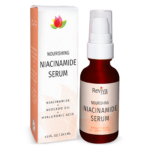
We tend to think of summer skin care as a single decision, one serum, one créme, done. But tone maintenance rarely works that way, and summer is exactly when that single-product approach tends to fall short. In a twelve-week consumer study on a niacinamide serum, 87 percent of participants agreed their skin tone looked more even, and 81 percent felt dark spots appeared minimized, which is a meaningful result, but it also points to something important. That kind of improvement came from consistent use over time, layered into a full routine, not from one product working alone.
That distinction matters more in summer than in any other season. Heat, humidity, and extra sun exposure all put pressure on tone at once, which means the ingredients responsible for maintaining that tone need to work together rather than in isolation. Niacinamide has become the anchor ingredient for a lot of people precisely because it plays well with other formulas, especially brightening moisturizers, rather than demanding to be the only active in the routine.
Why Tone Becomes Harder to Maintain in Summer
Skin tone shifts for a handful of predictable reasons once warm weather arrives. Increased sun exposure triggers melanin production as a defense mechanism, which is useful for protecting deeper skin layers but tends to show up on the surface as new spots or a deepening of existing ones. Heat also increases blood flow near the surface of the skin, which can leave some people with more visible redness or flushing than they experience in cooler months. Layer humidity on top of that, and oil production increases too, which can make existing discoloration look more pronounced simply because shinier skin reflects light differently than matte, balanced skin.
None of these shifts happen because a routine has failed. They happen because summer genuinely changes the conditions your skin is working under, and tone maintenance has to account for that rather than assuming whatever worked in winter will automatically keep working through August. This is part of why so many people notice their skin looking a little more uneven by midsummer even when they have not changed a single product in their routine.
The good news is that these seasonal tone shifts are largely manageable with the right combination of ingredients, applied consistently rather than sporadically. Niacinamide sits at the center of that combination for a reason that goes beyond its individual benefits. It is one of the few ingredients gentle enough to use daily, in more than one product, without overwhelming the skin the way stacking multiple exfoliating acids might.

What Niacinamide Actually Does for Tone
Niacinamide addresses uneven tone primarily by interfering with how pigment moves within the skin. Rather than bleaching or aggressively exfoliating away existing discoloration, it works upstream, helping regulate the transfer of melanin to the skin’s surface layers where it becomes visible as a spot or patch of discoloration. This is a gentler mechanism than many alternative brightening ingredients, which is part of why niacinamide tends to be well tolerated even by people who find other actives irritating in summer heat.
Beyond pigment regulation, niacinamide supports the skin barrier directly. Board certified dermatologists have pointed out that improving the skin barrier through niacinamide reduces water loss in the skin, which becomes especially relevant during summer months when air conditioning, sun exposure, and increased sweating all place extra demand on that barrier. A compromised barrier tends to make discoloration look worse, since inflamed or dehydrated skin often appears blotchier and more uneven than skin with a barrier that is functioning well.
This barrier support is also why niacinamide rarely causes the kind of irritation that limits how consistently people can use brightening ingredients. Consistency turns out to be the deciding factor in whether tone improvement actually happens, since the twelve-week timeline behind that 87 percent improvement figure only holds up when the ingredient is used regularly rather than occasionally. An ingredient that people can tolerate daily, in more than one step of their routine, has a real advantage over one that requires careful spacing to avoid irritation.

Why Layering with a Brightening Moisturizer Works So Well
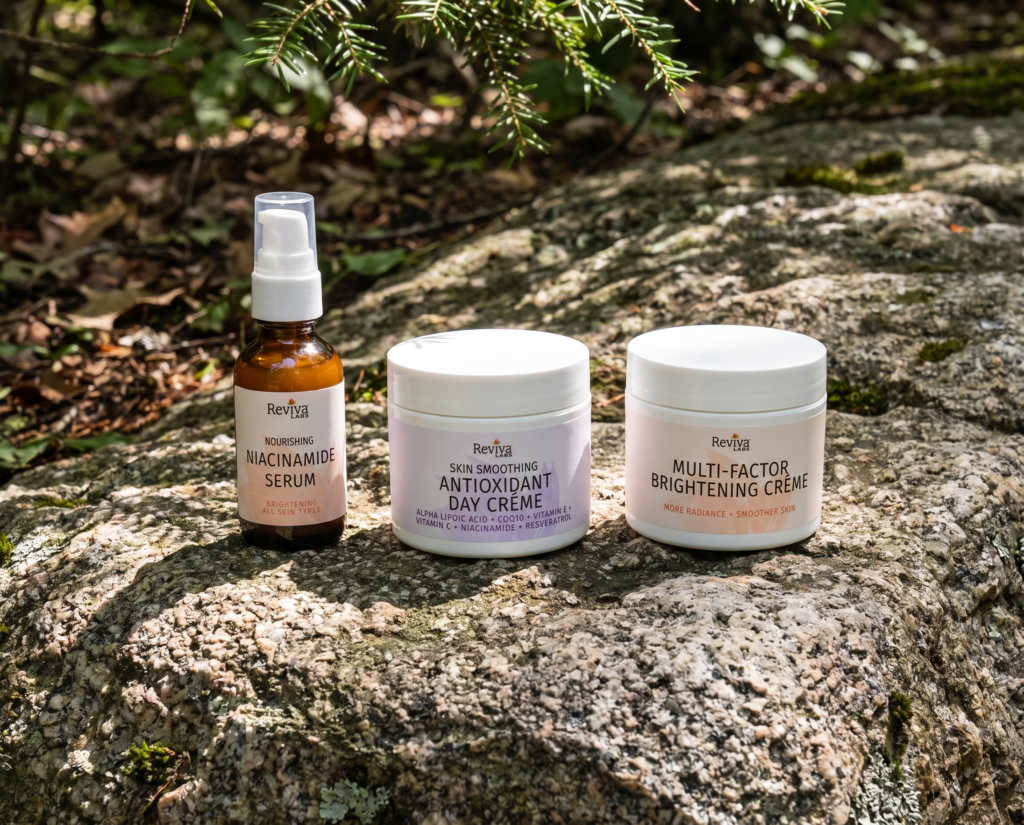
The idea of using niacinamide in more than one product might sound redundant at first, but the logic behind it holds up well once you understand how serums and moisturizers actually function differently on the skin. Dermatologist Anetta Reszko has explained that when using a niacinamide serum, it is most efficient to apply it before any oil-based products, since thinner, water-based formulas need to reach the skin first before heavier ingredients create a barrier on top. This is standard layering advice, but it becomes especially relevant once a brightening moisturizer enters the routine as a second niacinamide-containing step.
A niacinamide serum applied to slightly damp skin delivers a concentrated dose quickly, since its thin, fast absorbing texture allows it to penetrate before anything else is applied. A brightening moisturizer that also contains niacinamide, along with other tone supporting ingredients, extends that benefit throughout the day by creating a barrier that locks moisture and actives in rather than letting them evaporate. Used together, the serum handles quick delivery while the moisturizer handles sustained hydration and protection, which is a more complete approach than expecting either product to do the whole job alone.
This layered approach also means you are not relying on a single high concentration product to carry the entire tone maintenance effort. Instead, the serum and the moisturizer reinforce each other, delivering niacinamide at two different points in the routine and in two different formulations, which tends to produce steadier results than one very potent product used inconsistently because it feels too intense for daily wear.



Building a Summer Routine Around This Pairing
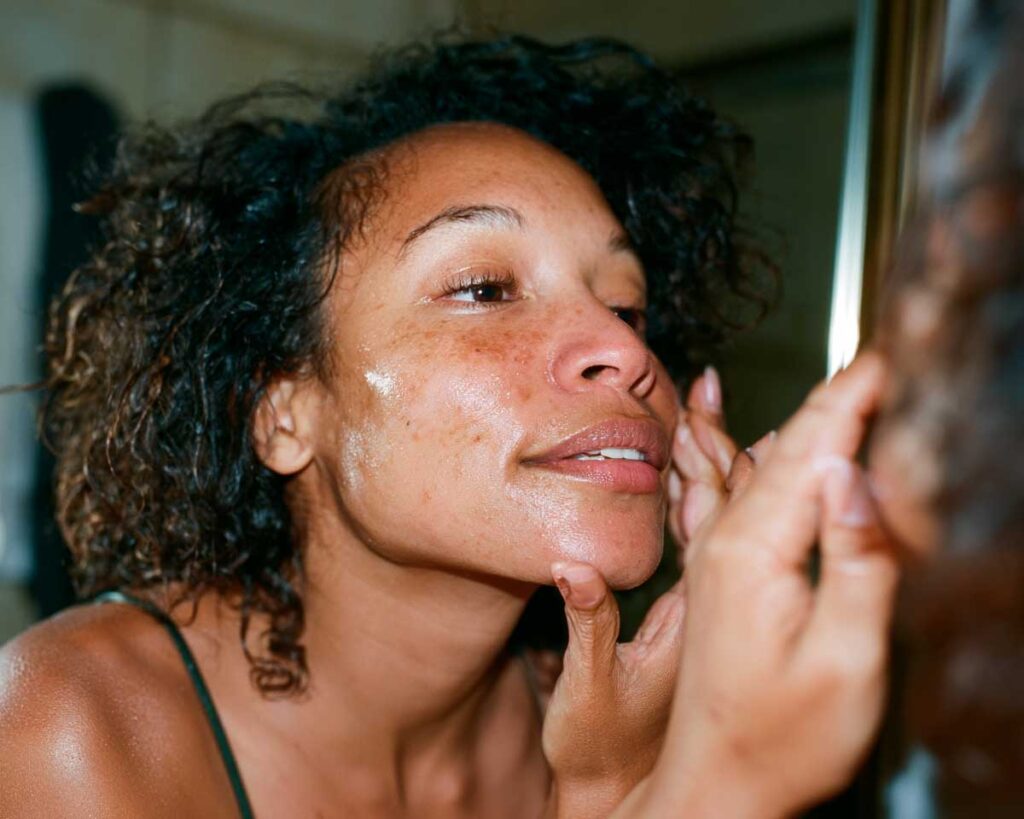
A practical summer routine built around this pairing does not need to be complicated. Start with a lightweight niacinamide serum applied to clean, slightly damp skin, giving it a minute or two to absorb before moving on. Follow with a brightening moisturizer, ideally one formulated to feel light rather than heavy, since summer humidity already makes anything occlusive feel uncomfortable by midday. Finish with sunscreen, which is non-negotiable given how directly UV exposure drives the pigment production this whole routine is working to manage.
Morning application tends to make the most sense for this particular pairing, since summer tone maintenance is largely about managing what the day ahead will bring rather than repairing what already happened overnight. That said, some people prefer moving the brightening moisturizer to their evening routine instead, particularly if their daytime moisturizer needs to double as a makeup base or if their skin feels like it needs a lighter touch during the heat of the day. Either approach works, provided the products are applied consistently rather than only on days that feel convenient.
If your skin tends to run more sensitive, introducing the second niacinamide step gradually is a reasonable approach. Start with the serum alone for a week or two, then add the brightening moisturizer once your skin has adjusted, rather than starting both at once. This is less about avoiding a dangerous interaction, since niacinamide layered with more niacinamide is not a safety concern, and more about giving your skin time to adjust to a slightly more active routine overall.
What to Expect and How to Stay Consistent
Tone improvement is rarely dramatic or immediate, and summer routines built around niacinamide are no exception. The twelve-week timeline behind the improvement figures cited earlier reflects a realistic pace, not a slow one relative to how skin actually changes. Expecting visible results within a few days sets up disappointment that has nothing to do with whether the ingredients are working, and everything to do with how skin renewal cycles function.
What tends to happen instead is a gradual, cumulative shift. Spots that once looked stark become slightly softer in appearance. Overall tone starts to look more uniform rather than patchy. Skin that felt reactive to heat and humidity in June often feels calmer and more resilient by August, provided the routine stayed consistent through the months in between. This is the kind of change that is easier to notice by comparing photos taken weeks apart than by checking the mirror every morning looking for a dramatic transformation.
Staying consistent through the hottest part of summer is often the hardest part, since heat makes people want to simplify their routines rather than add steps. The layered niacinamide approach described here works specifically because it does not feel like an additional burden once it becomes habit. A lightweight serum and a lightweight moisturizer add very little time to a routine, and the payoff, steadier tone through the season that tends to challenge it most, tends to make that small time investment feel worthwhile.
Frequently Asked Questions
Is it safe to use niacinamide in both a serum and a moisturizer?
Yes. Niacinamide is well tolerated for daily use and using it in more than one step of a routine simply extends and reinforces its benefits rather than creating any risk of overuse.
Should the niacinamide serum or the brightening moisturizer go on first?
The serum should always go first, applied to clean, slightly damp skin, followed by the moisturizer once the serum has absorbed.
How long does it take to see tone improvement using this pairing?
Research supporting niacinamide’s tone benefits generally points to a timeline of around twelve weeks of consistent daily use before visible improvement becomes noticeable.
Can this routine be used if my skin is sensitive?
Niacinamide is one of the gentler brightening ingredients available, but introducing the serum and moisturizer gradually, rather than starting both at once, is a reasonable approach for sensitive skin.
Do I still need sunscreen if I’m using niacinamide products?
Yes. Niacinamide supports tone maintenance, but it does not replace sun protection, and UV exposure remains the primary driver of new discoloration in summer.
Is niacinamide only useful for dark spots, or does it help overall tone too?
Niacinamide supports both. It helps regulate pigment transfer, which affects dark spots specifically, while also supporting the skin barrier, which contributes to a more even, balanced complexion overall.
Tone maintenance in summer is less about finding one perfect product and more about building a routine where ingredients reinforce each other consistently through the months that challenge skin the most. Niacinamide’s ability to work well in both a serum and a moisturizer makes it particularly suited to that kind of layered, steady approach, offering support at more than one point in the day without asking your skin to tolerate anything harsh in the process.
References:
- Live Tinted, “15 Best Niacinamide Serum Picks for Clear Skin,” twelve-week consumer study data, https://www.livetinted.com/blogs/learn/15-best-niacinamide-serum-picks-2025-how-to-use
- Dr. Anetta Reszko, quoted via TODAY, “Niacinamide: How to Use It and 9 Expert-Approved Products,” https://www.today.com/shop/what-niacinamide-t187578
- Dr. Farhang, quoted via U.S. Dermatology Partners, “15 Do-It-All Niacinamide Serums That Dermatologists Love,” https://www.usdermatologypartners.com/press-media/15-do-it-all-niacinamide-serums/