One number changed the way I plan skincare for clients and for myself. About eighty percent of the changes most people call aging on the face trace back to sunlight over years rather than birthdays alone. That single fact reframes daily care as prevention as much as pampering. It also explains why antioxidants are not a bonus step but a core layer beside sunscreen and gentle cleansing. When you supply the skin with molecules that neutralize the sparks of oxidative stress before they set off trouble, you protect tone, texture, and bounce in ways you can actually see.
Antioxidants work quietly, which is why they sometimes feel less exciting than acids or retinoids. Yet they make those actives easier to tolerate while chipping away at dullness and blotchiness day after day. I have watched clients add a simple antioxidant step in the morning and notice within weeks that their skin looks calmer in the afternoon, even after a brisk walk or a long commute. Makeup sits better and wears longer because the surface is not being nudged toward irritation all day. It is a small habit with a surprisingly large payoff.
I also care about how skincare feels, since a product you enjoy is the product you will use. Many antioxidants bring a pleasing glide or soft after feeling that makes the ritual satisfying. Niacinamide often feels weightless and balancing, which helps combination skin stay polished rather than shiny. Coenzyme Q10 and vitamin E live in richer textures that leave a conditioned finish people love, especially in dry seasons. The sensory side may sound superficial, but it is the hinge that turns a good plan into a steady routine.
Let’s set a simple goal before we go further. By the end of this article, you will be able to explain what free radicals are doing on your skin each day, why certain antioxidants are worth the space on your counter, and how to fit them into a routine you can keep. No jargon. No hero worship of single ingredients. Just a clear path that respects both the chemistry and the day you actually live.
The daily chemistry behind damage
Free radicals are unstable molecules with an unpaired electron. Because they are incomplete, they steal what they need from the nearest structure and leave damage behind. On skin that means they grab electrons from the lipids that make up your protective barrier and from proteins like collagen and elastin that give skin its snap. That theft sets off chain reactions that ripple outward and keep going long after the initial spark. The result is a barrier that leaks moisture, a surface that looks dull, and a matrix that loses its spring.
Where do these radicals come from. Sunlight is the biggest driver, even on cloudy days and even through window glass that filters burns but not deeper wavelengths. Pollution adds metals and oxidants that accelerate radical formation on the surface. Heat and visible light add their own smaller nudges, which is why skin can look flushed after an hour in a hot kitchen or a sunny office. All of this sits on top of the free radicals generated inside our cells as part of normal life, which is not a problem until the balance tips. The balance tends to tip in cities, near water or snow, and in any routine that includes lots of outdoor time.
Your body is not defenseless. Skin produces enzymes like superoxide dismutase and catalase, and it stores small antioxidants like glutathione and ubiquinone (CoQ10) for backup. Age and stress chip away at this internal safety net, and day by day the demand rises. That is the gap topical antioxidants can fill. When you place the right molecules on the surface in a stable formula, you can interrupt those chain reactions before they travel. You can also support the skin’s own defenses, so they do not get depleted as quickly.
There is a second layer worth noting. In addition to stopping radicals directly, some antioxidants bind metals so those metals cannot catalyze new radicals. Others signal the cell to turn on its protective pathways, which raises your baseline resilience. This is why well-designed blends often outperform a single ingredient at high concentration. They cover different chemical environments on the skin and different steps in the cascade. You get immediate interception, and you get steadier cellular housekeeping over time.
Why antioxidants change how skin looks
When radicals hit the lipids in your barrier, they set off a process called peroxidation. That process makes the barrier leakier, which leads to tightness, flaking, or a shiny yet dehydrated look in the T zone. Antioxidants slow that cascade, so water stays put and the surface stays smoother. You will see fewer dry patches and makeup will stop clinging to small flakes that come and go with the weather. Softer light reflections return, which is why people often say their skin looks more awake within a couple of weeks.
Radicals also push messenger molecules that switch on pigment production and low-grade inflammation. If you have noticed how a new dark mark lingers longer after a breakout in summer than in winter, this is part of the reason. Antioxidants help by blocking some of the upstream signals and by calming the overall inflammatory tone of the skin. Tone looks more even not only because spots lighten but because the background redness settles. This is one of the most appreciated day to day benefits of a consistent antioxidant routine.
Deeper in the dermis, radicals interfere with collagen creation and encourage enzymes that break collagen down. Over time this shows up as a loss of spring, more visible pores, and fine lines that resist your usual moisturizer. Antioxidants support the normal collagen building process by taking noise out of the system. Some, like vitamin C, also serve as helpers for the enzymes that build that protein scaffold. This is not a flip of a switch result. It is a steady trend toward smoother, more refined texture that becomes noticeable when you compare photos month to month.
There is also a valuable partnership between antioxidants and sunscreen. Sunscreen blocks and scatters energy before it can create trouble, but some reactive species still form inside the skin from the light that gets through. Antioxidants mop up that secondary stress, so your SPF is not carrying the full weight alone. Think of sunscreen as the shade and antioxidants as the cool air that keeps the room comfortable. Together they protect both the moment and the long game.
Meet the heavy hitters
Vitamin C earns its reputation by doing several jobs at once. It directly neutralizes radicals in the water phase around cells. It also helps the enzymes that knit collagen together and it tamps down the enzyme that drives extra pigment production. On skin this reads as brighter tone and a smoother look, especially when you pair your vitamin C with daily sun protection. Pure l ascorbic acid is powerful in properly built formulas, while stable derivatives like sodium ascorbyl phosphate and magnesium ascorbyl phosphate offer a gentler path for sensitive skin.
Vitamin E lives in the lipid parts of skin where it shields membranes and barrier lipids from peroxidation. It also teams up with vitamin C in a nice loop where E takes the hit and C restores it to its active form. This partnership is why many favorite daytime serums and creams combine the two. If you have ever liked the plush, conditioned feel after applying a product rich in vitamin E, that sensorial comfort is a sign you are reinforcing the barrier while you protect it.
Niacinamide sits at a sweet spot between performance and calm. At five percent in a well-crafted serum, it smooths the look of fine lines, softens blotchiness, refines oiliness, and helps pigment patches appear more even. It also helps your barrier keep water where it belongs, which reduces the tight yet shiny feeling that can follow harsh weather or over cleansing. Niacinamide layers easily with almost anything, which makes it a reliable base for many routines. It is also one of the easiest antioxidants to keep using because it feels almost invisible on the skin.
Coenzyme Q10 plays on the lipid side like vitamin E but brings a bioenergetic bonus. This molecule feeds the mitochondrial machinery that powers cellular repair. Topical application replenishes the skin’s natural pool of Q10, which declines with age and UV stress. Over time people notice a soft, bouncy quality when Q10 is part of their evening cream. It will not overhaul texture overnight, but it can help your skin maintain energy for the slow work of rebuilding.
Alpha lipoic acid is a small, versatile antioxidant that can operate in both water and lipid environments. It also helps recycle other antioxidants back to their active state. On the face it contributes to a more refined, polished look when used consistently in moderate amounts. People often describe a subtle glow after application, which is as much about barrier comfort as it is about shine. It is an ingredient that complements others rather than trying to carry the whole routine on its back.
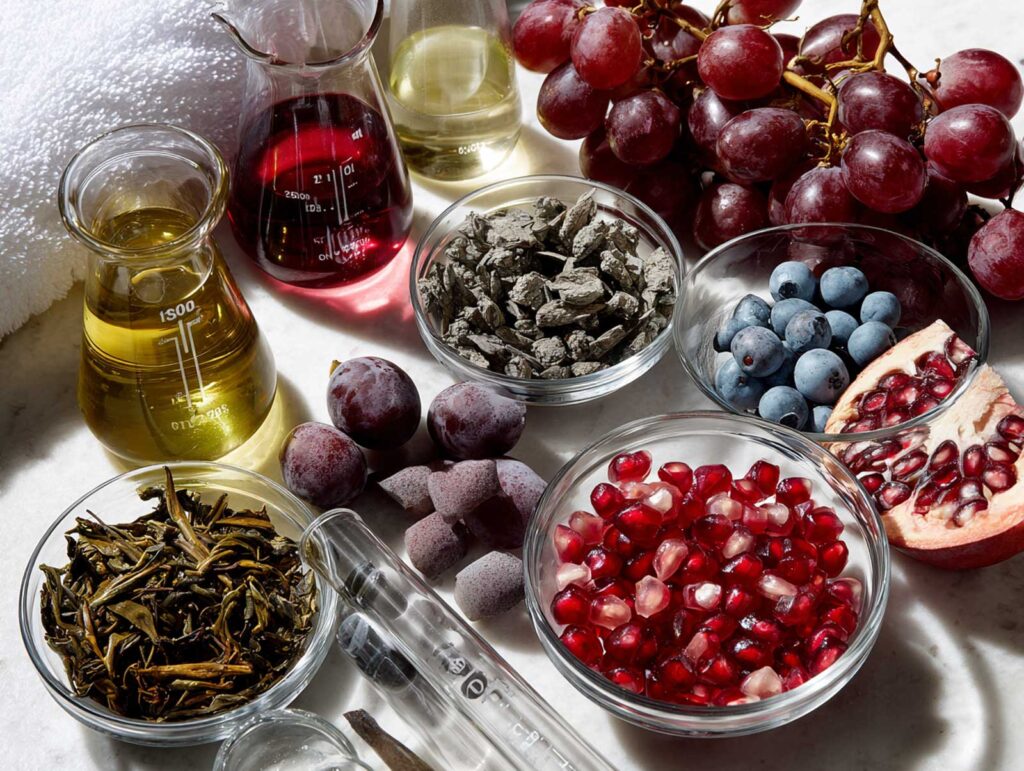
Green tea, resveratrol, and other polyphenols bring a calming, protective vibe that shows up quickly on reactive or easily flushed complexions. Polyphenols intercept several types of radicals and also interact with signaling pathways that drive redness and pigment. Green tea in particular is a friendly morning choice because it plays well with sunscreen while keeping skin composed in heat or humidity. Resveratrol is another favorite for steadying tone, especially when used nightly in a cream or serum that holds it close to the surface.
Ferulic acid deserves a mention not only for its own scavenging power but for the way it stabilizes vitamin C and E in water-based serums. Stability matters as much as concentration with antioxidants, and ferulic acid helps formulas keep their edge in real bathrooms rather than climate-controlled labs. You may not feel ferulic acid on application the way you feel a rich oil, but you see its value when your serum stays a pale straw color for months instead of turning orange in a week.
Enzymatic antioxidants like superoxide dismutase and catalase can also be delivered topically. They act early in the cascade, disarming radicals at the first steps so later trouble never starts. These are more common in creams than in clear serums and often appear alongside lipid loving antioxidants like Q10 and vitamin E. When included in a soothing base, they create a highly wearable buffer against daily stress that even sensitive skin can appreciate.
Smart ways to use them morning to night
Morning is prime time for antioxidant use because that is when your day’s exposure begins. Apply a serum or light lotion after cleansing while skin is slightly damp. Give it a minute to settle, then follow with your moisturizer and sunscreen. If you prefer a single step that does more, choose a day cream that carries a blend of water and lipid phase antioxidants. A well-balanced antioxidant cream sits comfortably under sunscreen and keeps the surface smooth through work, errands, and a quick walk in the sun.
Evening is a good moment for richer textures that focus on repair. After cleansing, layer a retinoid or exfoliant on your chosen nights, then seal with a cream that includes lipid loving antioxidants and barrier supporting emollients. This combo helps reduce the dryness and tightness that can make strong actives tough to stick with. It also ensures that the oxidative stress of the day does not keep damaging lipids and proteins hours after sunset. Night is when your skin leans toward rebuilding, so give it the materials and the calm it needs to do that work.
Some people ask if they should rotate antioxidants through the year. In practice, most complexions thrive on a steady core with small seasonal tweaks. In summer, lighter textures and extra polyphenols feel great under sunscreen. In winter, creams with vitamin E and Q10 keep the surface soft while central heating dries the air. Stick with products that feel comfortable within two minutes of application. If you feel sting or tightness that lingers, scale back the strength or switch to a formula with a gentler base.
Compatibility questions come up a lot, especially online. The old worry that niacinamide and vitamin C cancel each other out came from lab conditions that do not match modern skin care. At skin friendly pH in stable formulations, these two sit together without drama and work on different tasks. Another myth says antioxidants make skin more sun sensitive. The opposite is usually true when you combine them with sunscreen. Because they reduce oxidative noise, skin behaves better outdoors and responds more predictably to heat and light.
Packaging texture and stability that matter
Oxygen and light are the main forces that break antioxidants down, so packaging has a real effect on results. Pumps, tubes, and airless containers protect formulas better than wide mouth jars that you open repeatedly. Opaque containers keep light away from sensitive molecules like l ascorbic acid. If a formula turns deep orange or brown far ahead of its date, move it to a cooler cabinet and consider a more stable form next time. Stable derivatives of vitamin C are gentle to live with and can be a smarter everyday choice if you do not want to chase freshness windows.
Texture says as much about a product’s design as the ingredient list. Water light serums suit oilier or combination skin and work well as the first layer in the morning. Richer creams carry lipid phase antioxidants closer to where they operate and help seal moisture in at night. Many people build a tiny wardrobe here. A light serum on most mornings, a more nourishing cream on dry days or in winter, and a dedicated night cream after actives. The point is not to collect bottles. The point is to keep your skin comfortable while you cover both sides of the antioxidant family.
Concentration is another common question. More is not always better if the base or the pH is wrong. With niacinamide, about five percent is a sweet spot for visible changes without a risk of warmth or redness in sensitive complexions. With vitamin C, pure l ascorbic acid shines in lower pH formulas that protect it from light and air, while derivatives trade punch for stability and ease. With coenzyme Q10 and vitamin E, look for formulas that place these in lipid rich bases where they can actually reside rather than float in a water gel as decoration.
Finally, give your products enough time to work. Antioxidant benefits build through steady use and show in different ways. A calmer feel is common within days because good formulas also include humectants and soothing agents. Visible brightening usually arrives within weeks as inflammatory signals quiet and transfer of pigment to the surface slows. Texture changes and fine line improvements take longer because they follow biology, not wishes. Twelve weeks is a fair window to judge your plan.
Tailoring by skin type and season
Dry skin loves creams that feature vitamin E, coenzyme Q10, and soothing oils alongside water phase antioxidants. The goal is to reduce lipid peroxidation while also strengthening the barrier that prevents transepidermal water loss. Combination skin is a sweet match for niacinamide serums under a lighter moisturizer and sunscreen. Niacinamide helps refine the look of pores and balance oil, while green tea keeps the surface composed in heat or humidity. Sensitive or redness prone skin leans toward polyphenols and lower strength forms of vitamin C in calm bases.
If you use retinoids, antioxidants can make the journey smoother. Place a niacinamide serum before your retinoid if the textures allow or after it if you prefer to buffer the active. Seal with a cream that layers in vitamin E and Q10 so your barrier stays steady as cell turnover rises. If you are brightening with acids or azelaic acid, keep polyphenols and vitamin C in the morning to reduce new triggers while your specialist handles old spots. The two sides are friends, not rivals.
Outdoor lifestyles need a special note. Hikers, gardeners, runners, and anyone who works outside get more light and more pollution on their skin. A morning routine that pairs a blended antioxidant layer with a high-quality sunscreen becomes non-negotiable. Midday reapplication of sunscreen matters most, but a splash of water and a quick re layer of a light antioxidant serum before that second coat of SPF can help. Seek shade when it is available and wear hats when you can. Skincare is part of the plan, not the whole plan.
Travel can knock skin off balance by changing climate, water hardness, and routine. A simple trio travels well. Keep a gentle cleanser, a niacinamide rich antioxidant layer, and a nourishing cream with lipid phase antioxidants. This stack protects against cabin air, hotel HVAC, and a change in diet. It also keeps the ritual short, so you actually do it after a long day, or a time zone jump. Your face will thank you for not skipping care for three days and then trying to catch up in a single night.
How Reviva fits a science first routine
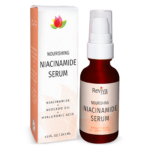
When a client wants a light, daily base that steadies tone and oil while playing well with everything, I point to a niacinamide serum around five percent. Reviva Labs Niacinamide Serum sits in that pocket and layers easily under moisturizer and SPF. It helps the skin hold water, softens the look of pores on the central face, and supports a calmer background that makes brighteners and retinoids easier to use. I often call it the primer that is not a primer because it sets the stage without adding weight.
For mornings when you want one step that covers more ground, a well-built antioxidant cream makes life simple. Reviva Labs Antioxidant Day Creme brings together water phase favorites like vitamin C with lipid phase protectors like vitamin E and coenzyme Q10. It also includes friends from the polyphenol family to keep skin composed through heat and pollution. The finish is smooth, which helps sunscreen glide and stops foundation from catching on dry patches. It is an elegant way to make sure you are protecting and conditioning at the same time.
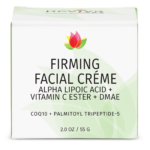
At night, people often crave a richer texture that feels like a soft blanket. Reviva Labs Firming Facial Creme answers that mood with a blend that includes alpha lipoic acid, vitamin C ester, coenzyme Q10, and DMAE in a conditioning base. The antioxidant network buffers the day’s oxidative noise while the rest of the formula supports a more refined, taut look over time. I like it as the last step on nights after retinoids or exfoliation. It leaves the surface comfortable, so you wake up with skin that looks composed rather than spent.
These three products can live together in a plan or be used as standalone players with other favorites. The core idea is simple. Give your skin a light antioxidant base in the morning, protect it with sunscreen, and feed it a richer antioxidant layer at night. Adjust the weight with the weather and your mood. Keep the steps easy so you never talk yourself out of doing them. That is how antioxidants shift from theory to visible results.
A simple plan you can actually keep
Begin most mornings with a gentle cleanse and a few drops of a niacinamide serum while skin is still slightly damp. Follow with an antioxidant cream if you want more comfort or if your day includes outdoor time. Finish with a generous layer of broad-spectrum SPF, and do not forget neck and the backs of hands. In the evening, cleanse again and use your targeted treatment on the schedule that suits your skin. Seal with a nourishing antioxidant cream that makes your face feel settled and soft before bed.
Give this plan twelve weeks and take two photos along the way in similar light. What you will likely notice is not drama but a steady smoothing of rough spots, a quieter background of redness, and a brighter, more uniform look across cheeks and forehead. Oilier areas behave better under makeup because the barrier holds water efficiently and excess shine settles. Dry areas lose that papery look that shows up after a windy day. It is the kind of progress that looks like you on a well-rested morning.
A last note on patience, since real change arrives on a human timeline. Antioxidants are not a quick fix for deep lines or advanced sun damage, and they are not a replacement for sunscreen or retinoids. They are the layer that lowers the daily damage so your skin can spend its energy on repair instead of firefighting. That is a quiet job that pays compound interest. Pair it with a hat on long days outside, a colorful plate at mealtime, and steady sleep, and your mirror will tell the story.
I have never met a complexion that did not benefit from protection during the day and care at night. Antioxidants give you both in a way that fits busy lives and limited patience for complicated routines. Choose textures you like, keep bottles where you will use them, and let simple consistency do its work. Your skin does not need perfection. It needs support that arrives every day without excuses.
Watch Episode Session 8 – Antioxidants You Can Feel
As a long time natural skin care fan I discovered Reviva Labs many years ago. After buying and using Reviva products for several years, I started contributing to Reviva Labs' blog in 2015.



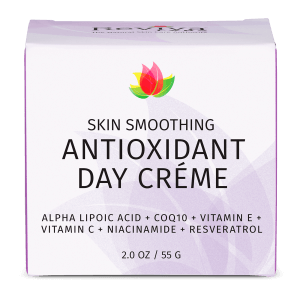 Antioxidant Day Créme
1 × $28.00
Antioxidant Day Créme
1 × $28.00 Reviva Labs Catalog 1 × $0.00
 Nourishing Niacinamide Serum
$24.00
Nourishing Niacinamide Serum
$24.00 Multi-Factor Brightening Créme
$42.00
Multi-Factor Brightening Créme
$42.00 Firming Facial Créme
$28.00
Firming Facial Créme
$28.00 High Potency Vitamin C Serum
$32.00
High Potency Vitamin C Serum
$32.00