
Clean Beauty, Ingredients, Reviva Labs, Skin Care
What GLP-1 Medications Are Doing to Your Skin – and What Reviva Labs Can Do About It

Apr
There’s a quiet side effect of the GLP-1 revolution that doesn’t get much attention in the prescription brochure. Millions of people are losing weight faster than their skin can adapt, and the result is a look that feels at odds with how good the rest of the journey is going. The scale is moving. The clothes are fitting differently. But the skin in the mirror looks tired, loose, and older than it did before the medication.
GLP-1 Skincare Recommended Products

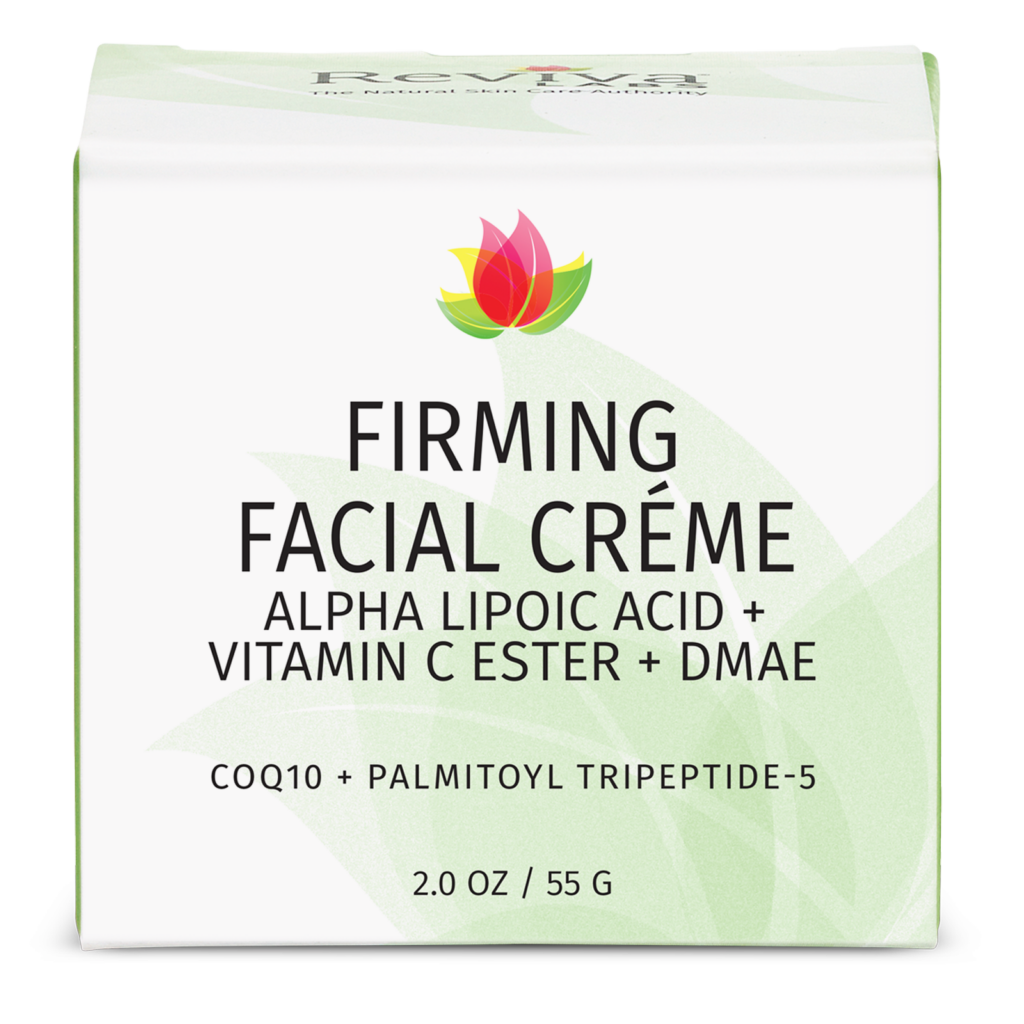
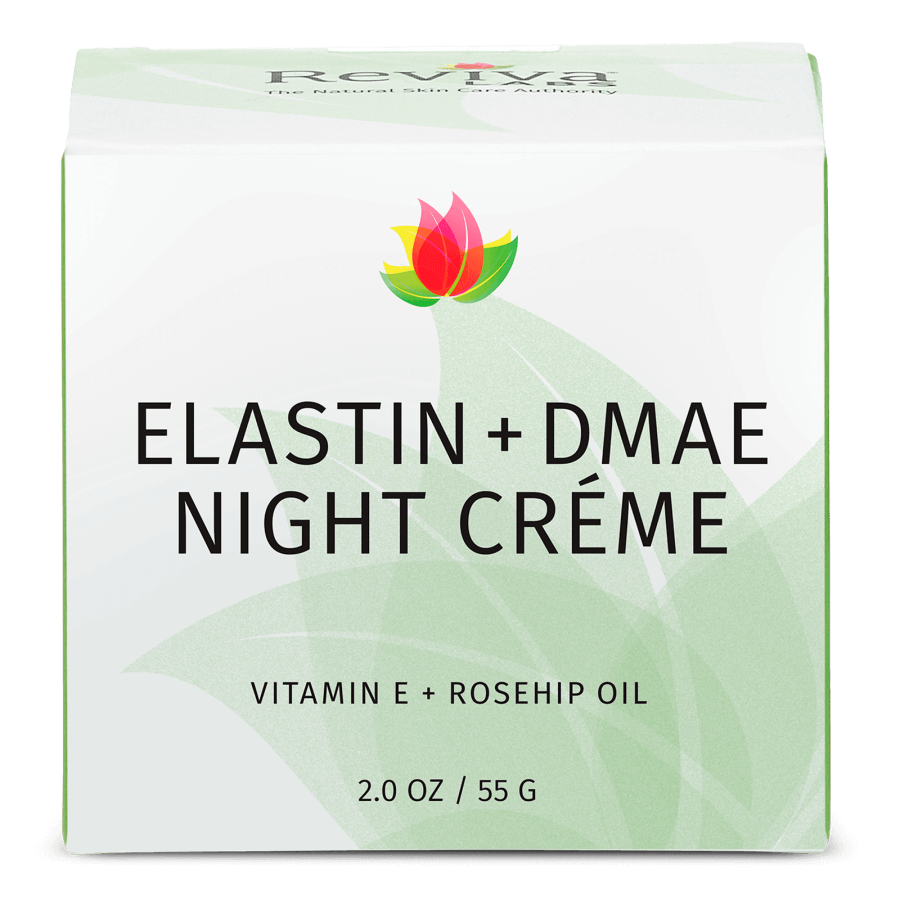
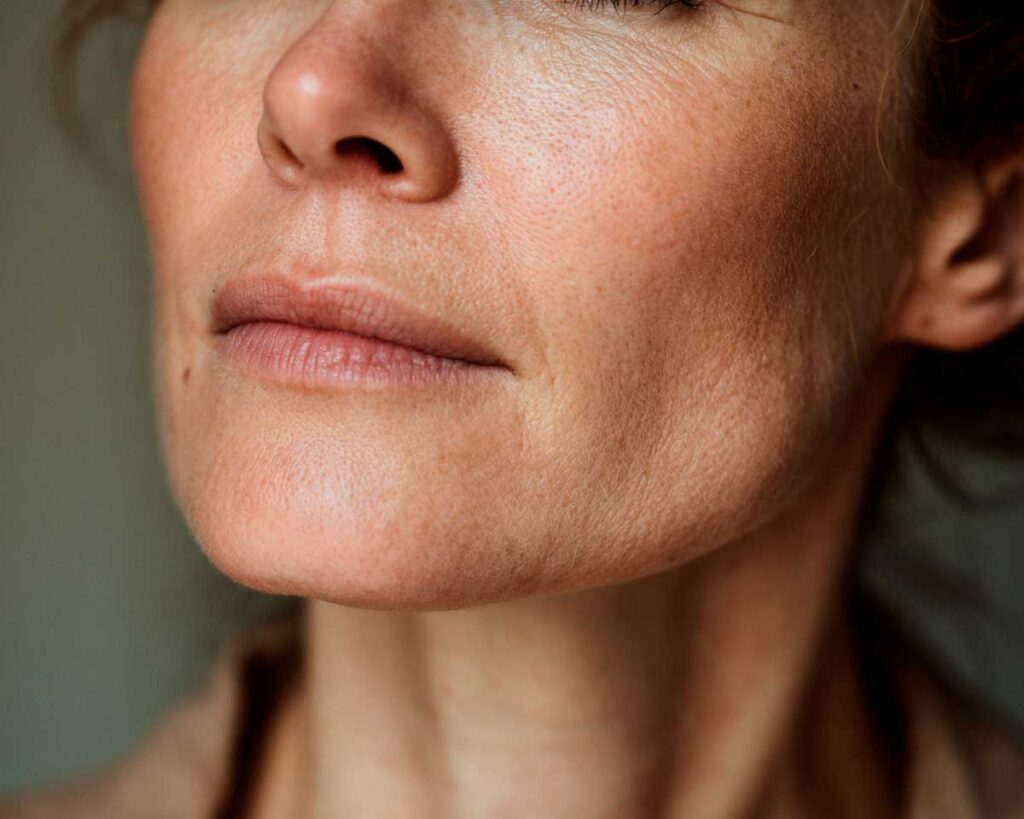
This isn’t a rare complaint. As GLP-1 medications like Ozempic and Wegovy have moved from niche diabetes treatment to mainstream weight management, the phrase “Ozempic face” has become part of the cultural vocabulary. It describes the hollowed, sagging, or slack appearance that can accompany rapid weight loss, particularly in the face and neck but also in the arms, abdomen, and chest. The fat that once sat beneath the skin and gave it structure is gone, and the skin hasn’t had time – or the right support – to catch up.
The good news is that skin is a living organ. It responds. It adapts. And with the right topical approach, you can give it a meaningful assist while your body continues its transformation. Reviva Labs has been formulating targeted skincare since 1973, and several of the brand’s core products speak directly to the biology of what’s happening when weight drops fast and skin lags behind.
What’s Actually Happening Under the Surface
Skin has three main structural components that determine how it looks and feels: collagen, elastin, and the water-retaining molecules, including hyaluronic acid, that keep it plump and supple. When you lose weight, especially quickly, several things happen at once.
The fat layer that cushions and supports the skin from beneath thins out. Collagen production, which slows naturally with age, doesn’t accelerate to compensate for the sudden loss of underlying volume. Skin that has been stretched for years doesn’t immediately spring back – elastin fibers, which give skin its ability to recoil, have often been compromised over time. And the skin’s surface may become drier and more prone to fine lines as the disruption to normal fat metabolism affects how the skin barrier functions.
The result is skin that looks deflated rather than refreshed. For many GLP-1 users, this is one of the more demoralizing parts of a journey that should feel like a win. You did the hard thing. You stuck with the program. And now your face looks like it’s been through something.
The clinical term for this is skin laxity, and it is a real and well-documented consequence of rapid weight loss. What’s also well-documented is that topical interventions targeting collagen stimulation, firming peptides, and barrier hydration can produce measurable improvement in the look and feel of affected skin over time.

The DMAE Angle Nobody Is Talking About Enough
Of all the ingredients in the Reviva Labs lineup, DMAE – dimethylaminoethanol – may be the most directly relevant to what GLP-1 users are experiencing. DMAE is a naturally occurring compound found in small amounts in the brain and in certain fish. In skincare, it functions as a membrane stabilizer and a bioelectrical firming agent. Put more plainly, it temporarily tightens the appearance of skin by stabilizing cell membranes and reducing the slack, crepey quality that comes with lost volume and reduced elasticity.
For someone dealing with the visual aftermath of rapid weight loss, DMAE addresses the problem at a level that basic moisturizers simply don’t reach. A moisturizer can hydrate the surface. DMAE is working on the structural integrity of the cells themselves.
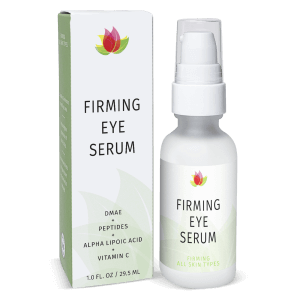
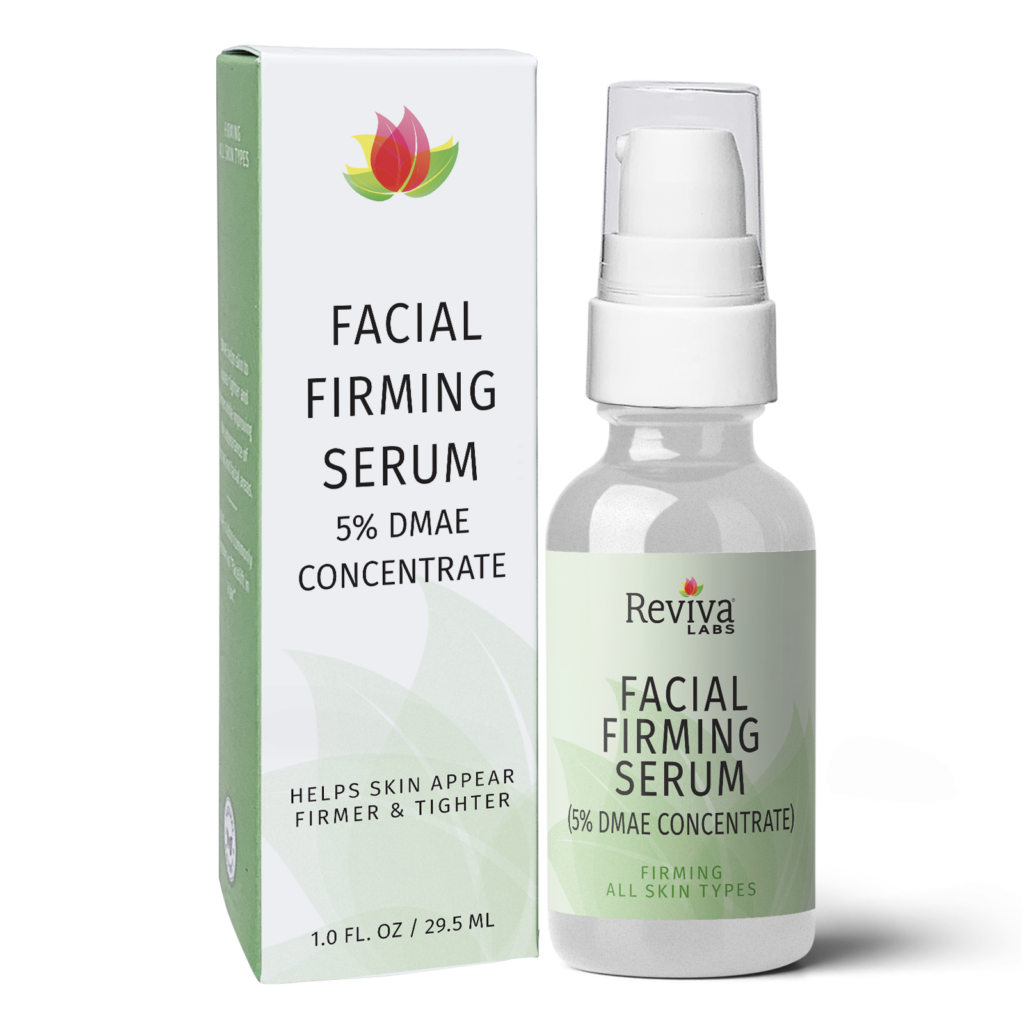
Reviva’s DMAE Firming Serum has been a part of the brand’s portfolio for years precisely because of this mechanism. It delivers DMAE in a lightweight, concentrated form that absorbs quickly and produces a visible lifting effect that users describe as both immediate and cumulative with regular use. This is not a miracle product. It doesn’t rebuild the fat layer. But it works with your skin’s biology to create a firmer, more toned appearance while longer-term repair is underway.
The DMAE Firming Serum pairs naturally with a targeted moisturizing step to lock in the effects and support barrier function, which is often compromised in people navigating significant weight change.

Collagen and the Bigger Repair Picture
DMAE handles the firming side of the equation. But GLP-1 skin depletion also involves real losses in collagen and structural support that require a longer-term approach. This is where Reviva’s collagen-focused formulas come in.
Reviva’s Collagen Serum is built around the understanding that collagen production declines with age and is further disrupted by rapid body composition change. The serum uses hydrolyzed collagen combined with supporting ingredients designed to improve the skin’s environment for natural collagen synthesis. It addresses the plumpness and texture side of the equation – the dullness, the fine lines, the lack of that bouncy, resilient quality that healthy skin should have.
Used together, the DMAE Firming Serum and the Collagen Serum form the core of what might reasonably be called a GLP-1 skin recovery routine. One firms and tightens. One replenishes and rebuilds. Both work best with consistent daily use, and both are formulated without the unnecessary additives that can irritate skin that’s already under stress.

The Skin Firming Regimen: A Practical Routine
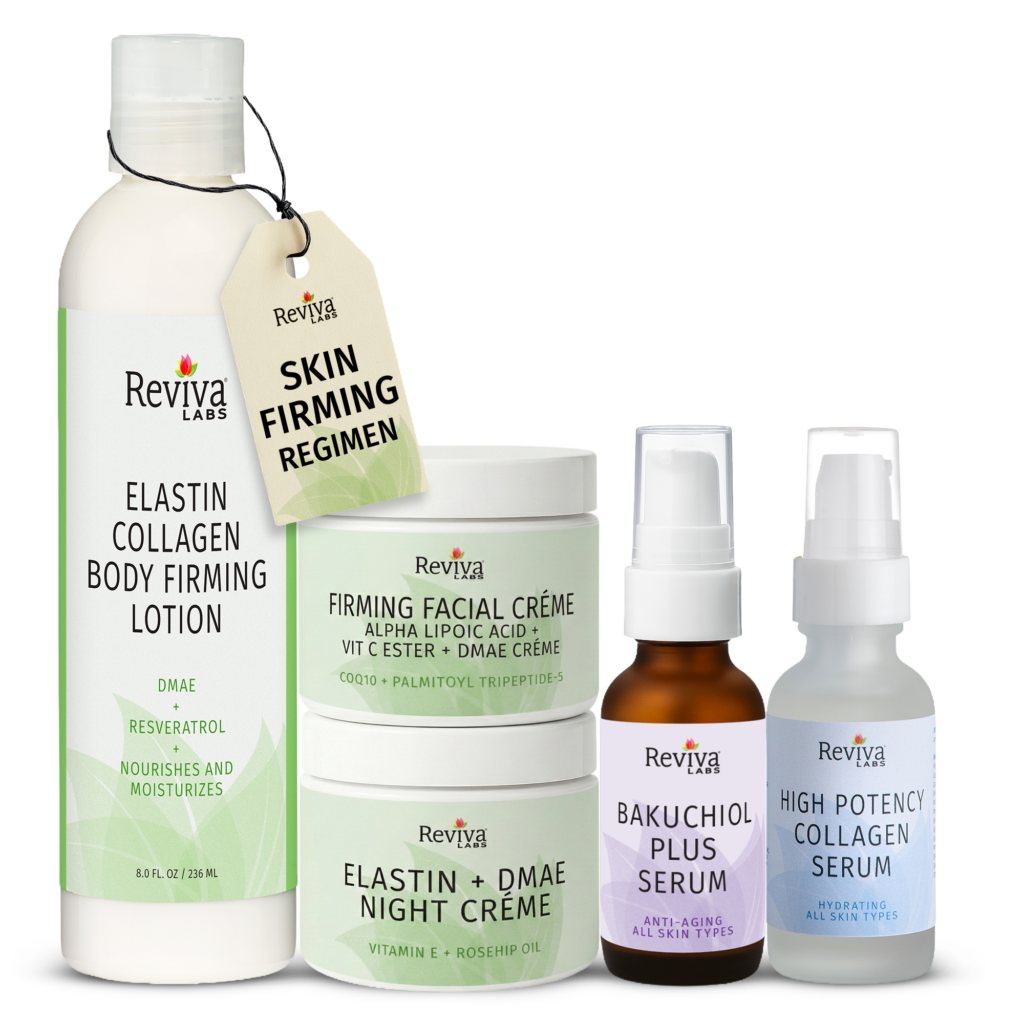
Reviva Labs has assembled a Skin Firming Regimen that consolidates these concepts into a practical, step-by-step approach. The regimen acknowledges that people dealing with skin laxity need more than one product working on one mechanism. They need a protocol.
The protocol starts with a gentle cleanse to prepare the skin for active ingredients. A clean, uncompromised skin barrier absorbs serums more effectively and responds better to firming compounds. From there, the DMAE Firming Serum goes on first, working into the skin while it’s still slightly damp for maximum absorption. The Collagen Serum follows, adding the structural support ingredients that address deeper plumpness and resilience. A targeted moisturizer seals the work in and protects the barrier throughout the day or overnight.
This kind of layered approach isn’t complicated. It’s consistent. Skin responds to consistency more than to heroic one-time treatments, and the Reviva regimen is designed with that reality in mind.

The Role of Peptides and Antioxidants
Beyond DMAE and collagen, GLP-1 users dealing with skin depletion often benefit from formulas that include firming peptides and antioxidant support. Peptides are short chains of amino acids that signal the skin to produce more collagen and elastin. They don’t do the work themselves – they deliver a message to the cells that produce the structural proteins the skin is losing.
Reviva’s Multi-Peptide Complex is a relevant addition to any GLP-1 skin recovery approach for exactly this reason. It delivers multiple peptide types, including Matrixyl, one of the most studied firming peptides in the category, in a formula designed for people dealing with real and visible skin laxity rather than the mild softening of routine aging.
Antioxidants matter here too. Rapid metabolic change creates oxidative stress, and skin dealing with structural disruption is more vulnerable to environmental damage. Vitamin C, a central ingredient in several Reviva formulas, supports collagen synthesis directly while also brightening the dullness that tends to accompany skin depletion.

Who This Is For
The direct answer is that this is for anyone using a GLP-1 medication who has noticed changes in their skin – loose skin around the jaw, crepiness on the arms, a loss of plumpness in the cheeks, or general dullness and dehydration that wasn’t there before. It is also relevant for anyone who has lost significant weight through any method and is dealing with the skin changes that typically follow.
It’s worth saying plainly that Reviva’s approach to this is not about cosmetic vanity in any shallow sense. Skin laxity after weight loss is a real quality-of-life issue. It can make people feel like the work they’ve done isn’t showing properly, or that they’ve traded one visible concern for another. Addressing it with effective topical care is a practical and legitimate part of managing the full picture of a major body transformation.
Reviva Labs has been working with this demographic – people who take their skin seriously and want formulas that are grounded in real ingredient science – for over fifty years. The GLP-1 context is new. The underlying biology is not. The products in Reviva’s firming and lifting portfolio were built to address exactly the mechanisms that GLP-1 rapid weight loss disrupts.

What Realistic Expectations Look Like
Topical skincare cannot replace lost volume the way filler can, and it cannot remodel tissue the way a surgical lift does. That’s an honest statement, and it matters. What topical skincare can do is meaningfully improve the appearance of skin firmness, reduce the visible slack and crepiness associated with laxity, restore surface hydration and barrier function, support the skin’s own collagen production over time, and make the skin look more like it belongs to the person it’s on.
For many GLP-1 users, that’s a meaningful improvement in how they feel about what they’re seeing. It doesn’t require a clinical result to be worth pursuing. It requires consistent use of the right products for long enough to let the skin respond.
The general guidance in the skincare world is to give any serious topical regimen at least eight to twelve weeks before evaluating results. Collagen remodeling takes time. Firming improvements from DMAE and peptides build cumulatively. The Reviva Skin Firming Regimen is not a product you use for a week and abandon. It’s a practice.
Getting Started
If you’re currently on a GLP-1 medication and have started to notice changes in your skin, the Reviva Skin Firming Regimen is a direct, practical response. You can explore the full regimen on the Reviva Labs website, where the products are bundled with a usage guide. The Facial Firming Serum, Collagen Serum, and Multi-Peptide Complex are the core of the approach, and they can be layered into almost any existing routine without disruption.
Your GLP-1 journey is yours. The work you’ve put in is real. Your skin deserves to show it.
FAQs
Q: Why does GLP-1 medication affect my skin?
GLP-1 medications like semaglutide (Ozempic, Wegovy) and tirzepatide (Mounjaro, Zepbound) work by reducing body fat, often at a faster rate than the skin can adapt. The fat layer beneath the skin provides structural support – when it shrinks quickly, skin can appear loose, hollow, or slack. This is sometimes called “Ozempic face” when it affects the cheeks, jaw, and neck. It’s a well-documented side effect of rapid weight loss, not just GLP-1 use specifically, and it’s addressable with a consistent topical care routine.
Q: Can a topical product actually improve skin laxity from weight loss?
Topical products can’t replace lost fat volume, but they can meaningfully improve the appearance of skin firmness, support the skin’s natural collagen and elastin production, and restore hydration to a compromised barrier. Dermatologists often recommend starting firming topicals early in a GLP-1 journey – skin that’s supported while weight is still dropping tends to fare better than skin that’s left unaddressed until laxity becomes pronounced. Reviva Labs’ firming formulas work best with consistent, long-term use of at least eight to twelve weeks.
Q: What makes DMAE effective for loose skin after weight loss?
DMAE (dimethylaminoethanol) works by stimulating the production of acetylcholine, a neurotransmitter that signals muscles to contract, which contributes to a tighter, more toned appearance. Its acute skin-firming effects have been confirmed in published dermatological research, including a placebo-controlled clinical study published in the American Journal of Clinical Dermatology in which 3% DMAE gel applied daily for 16 weeks produced improvements in skin firmness and facial contour. Reviva Labs’ Facial Firming Serum delivers 5% DMAE – significantly higher than the 0.5% to 1% concentration found in most competing formulas.
Q: Which Reviva Labs products are most relevant for GLP-1 users?
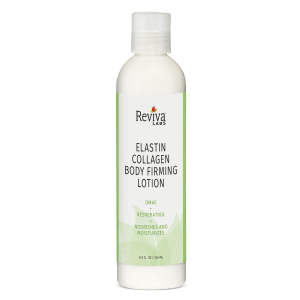
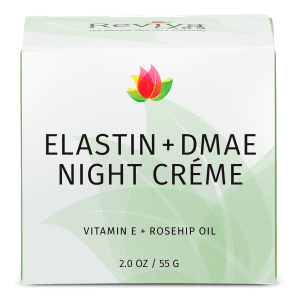
The core of the Reviva approach for GLP-1-related skin changes is the Skin Firming Regimen, anchored by the 5% DMAE Facial Firming Serum and the Elastin & Collagen Body Firming Lotion for below the neck. For daily face use, the Firming Facial Creme with Alpha Lipoic Acid, Vitamin C Ester, DMAE adds antioxidant and brightening support alongside the firming action. The Elastin + DMAE Night Crème supports overnight repair. All of these products are cruelty-free, and several are available at natural retailers.
Q: How long before I see results from a skin firming routine?
Most people begin to notice early improvements in surface texture and tightness within four to six weeks of consistent use. More substantial changes in skin firmness and resilience, which involve actual collagen remodeling, typically take eight to twelve weeks to become visible. The key variable is consistency – applying the product irregularly will delay results. Skin dermatologists note there is often a natural period of skin remodeling that occurs over six to twelve months after weight stabilizes, and topical support during that window can make a meaningful difference in the outcome.
References
- Grossman, R. “The role of dimethylaminoethanol in cosmetic dermatology.” American Journal of Clinical Dermatology, 2005; 6(1):39–47. https://pubmed.ncbi.nlm.nih.gov/15675889/
- Liu, S., et al. “Effects of dimethylaminoethanol and compound amino acid on D-galactose induced skin aging model of rat.” The Scientific World Journal, 2014. https://pmc.ncbi.nlm.nih.gov/articles/PMC4123624/
- Haykal, D., et al. “The role of GLP-1 agonists in esthetic medicine: Exploring the impact of semaglutide on body contouring and skin health.” Journal of Cosmetic Dermatology, 2025; 24(2):e16716. https://pubmed.ncbi.nlm.nih.gov/39645647/
- Salam, A., and Hyder, M. “Semaglutide and the skin: A brief review of dermatologic implications.” CosmoDerma, 2025; 5:84. https://cosmoderma.org/semaglutide-and-the-skin-a-brief-review-of-dermatologic-implications/
- Bordone, L., MD, Columbia University Medical Center. Quoted in: “Explaining skin laxity after a patient’s drastic GLP-1 medication weight loss.” Medscape, November 2025. https://www.medscape.com/viewarticle/explaining-skin-laxity-after-patients-drastic-glp-1-2025a1000w0t
- McKinsey & Company. “GLP-1s are boosting demand for medical aesthetics.” May 2025. https://www.mckinsey.com/industries/life-sciences/our-insights/glp-1s-are-boosting-demand-for-medical-aesthetics