
Clean Beauty, Ingredients, Natural, Reviva Labs, Skin Care
What Goes On Your Skin Goes Into Your Body
Mar
Every morning, most people apply a cleanser, a moisturizer, a serum, maybe a sunscreen. According to the Environmental Working Group, the average American adult uses 9 personal care products daily, with some estimates reaching 15 or more when accounting for body lotion, deodorant, shampoo, conditioner, and shaving products in addition to facial skincare. By the time they leave the bathroom, a meaningful amount of chemistry has already been applied to their skin. Few stop to think about where those ingredients actually go. The skin is the body’s largest organ, and it does far more than simply hold everything together. It absorbs. It processes. It lets things in. And that single fact changes everything about how you should think about the products you use every day.
The idea that your skin acts as a perfect barrier is one of the most persistent myths in personal care. Skin is selective, not impermeable. Its primary job is protection, but its structure allows certain molecules to pass through depending on size, molecular weight, oil solubility, and a handful of other factors. Scientists and dermatologists have known this for decades. Transdermal drug delivery patches for nicotine, hormones, and pain relief exist because of exactly this principle. If skin could not absorb compounds into the bloodstream, those patches simply would not work. What helps medication reach the body systemically can do the same for cosmetic chemicals, and that is the part of the conversation the beauty industry has been slow to have publicly.
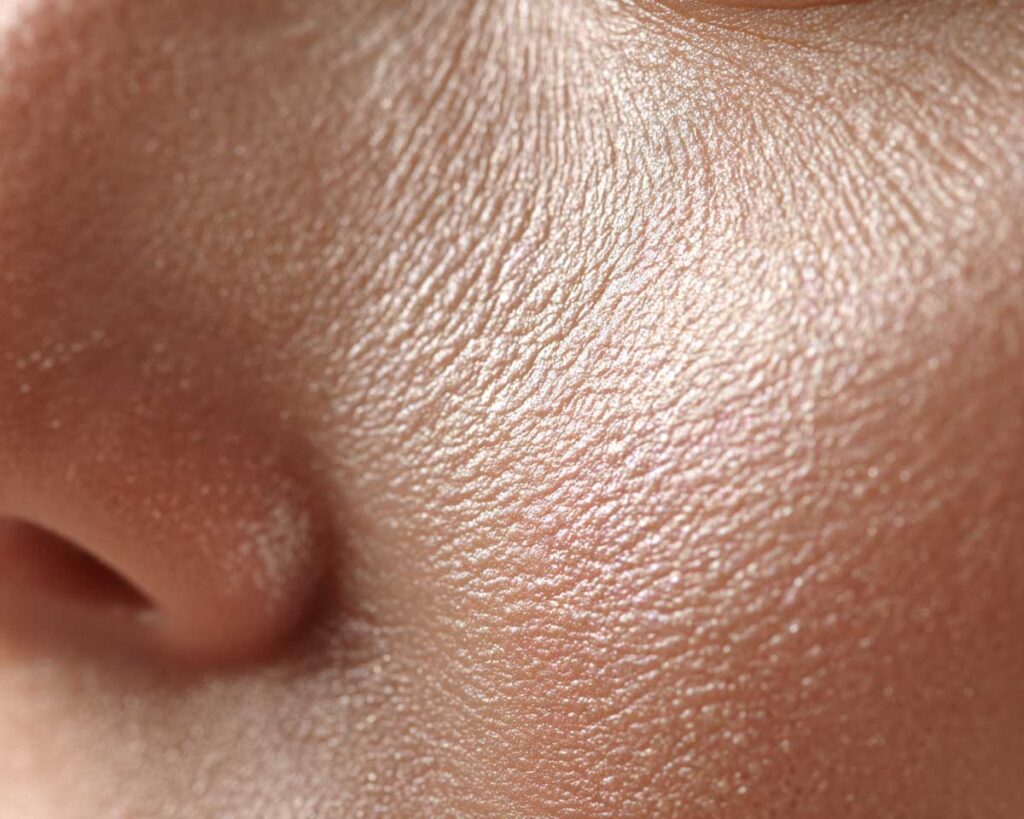
The science behind skin absorption is more nuanced than a simple yes or no. The outermost layer of the skin, called the stratum corneum, does act as a first line of defense. It is made up of dead skin cells and lipids arranged in a way that slows down the movement of foreign substances. But it is not a wall. Ingredients that are lipophilic, meaning they dissolve in fats and oils, pass through this layer more readily than water-soluble compounds. Small molecules penetrate more easily than large ones. Application site matters too. Skin on the palms is far thicker and more resistant than skin on the eyelids, the scalp, or the inner arm. Frequency of application amplifies exposure. A single use of a moisturizer tells you very little about what daily use over months and years does to cumulative body burden.

How the Body Accumulates What Skin Absorbs
Bioaccumulation is not a concept reserved for environmental science. It applies directly to personal care ingredients. When a substance is absorbed through the skin, it enters the bloodstream, travels through the body, and is processed by the liver and kidneys. Compounds that the body can metabolize efficiently are excreted. Those that are stored in fat tissue or that the body struggles to break down accumulate over time. Parabens, a class of preservatives used extensively in cosmetics, have been detected in human breast tissue, urine, and blood in multiple studies. Phthalates, commonly used in fragrances and plastics, have been measured in urine samples across large population studies. Oxybenzone, an active ingredient in some chemical sunscreens, has been found in blood plasma after topical application, as documented in a 2019 study published in JAMA.
That 2019 JAMA study found that four common sunscreen active ingredients, including oxybenzone, avobenzone, octocrylene, and ecamsule, were absorbed into the bloodstream at levels that exceed the FDA’s threshold for potentially waiving additional safety studies. The researchers noted that absorption occurring above this threshold does not automatically mean the ingredients are unsafe, but it does mean that more thorough safety data is warranted. The finding was significant because it challenged a decades-old assumption that ingredients applied to the skin simply stay on the skin. (Source: Matta MK, et al. JAMA, 2019.)
According to the Environmental Working Group, the average American adult uses 9 personal care products daily, with some estimates reaching 15 or more when accounting for body lotion, deodorant, shampoo, conditioner, and shaving products in addition to facial skincare.
The body burden concept refers to the total amount of chemical substances present in the human body at any given time. No single product creates a dangerous load on its own. The cumulative effect of using multiple products daily, each containing several potentially problematic ingredients, is what raises legitimate concern. A face wash, toner, serum, moisturizer, and sunscreen applied every morning could together contain dozens of individual chemical compounds. Some of those compounds interact with each other in ways that researchers are still studying. Others compete for the same detox pathways in the liver. It is the total picture, not any single product in isolation, that matters most for long-term health.
Ingredients Worth Paying Attention To
Not every ingredient used in skincare poses the same level of concern. But some categories have accumulated enough research to warrant real scrutiny. Parabens, including methylparaben, ethylparaben, propylparaben, and butylparaben, are synthetic preservatives that have been associated with endocrine disruption in laboratory and animal studies. The concern is that they mimic estrogen in the body, potentially interfering with hormonal signaling. While regulatory agencies in the U.S. have not banned their use in cosmetics, the European Union has restricted the use of five parabens based on the precautionary principle, and many consumers and formulators have moved away from them entirely.
Synthetic fragrances present a different kind of challenge. A single fragrance listed on an ingredient label can contain dozens to hundreds of individual chemical compounds, many of which do not have to be individually disclosed under current U.S. law due to trade secret protections. Some fragrance ingredients are known allergens. Others, including certain musks, have been found to persist in body tissue. The term “fragrance” on a label tells you almost nothing about what you are actually putting on your skin, and that opacity is one of the most significant issues in personal care transparency today. Formaldehyde-releasing preservatives, certain colorants, and petrochemical-derived ingredients round out a category of compounds that health-conscious consumers and formulators have increasingly chosen to avoid.
The Skin Barrier Is Both Defense and Gateway
Healthy skin is generally more resistant to penetration than compromised or damaged skin. When the skin barrier is intact, its natural structure slows the absorption of many substances effectively. But barrier health is influenced by a wide range of factors. Over-cleansing, harsh exfoliants, environmental stress, inflammatory conditions like eczema or psoriasis, and even certain skincare actives can disrupt barrier function and make skin more permeable. Someone with a compromised skin barrier is absorbing more of what they apply than someone with healthy, intact skin, and that has direct implications for ingredient safety.
Ironically, many of the products marketed for sensitive or compromised skin still contain ingredients that further disrupt barrier function. Alcohol-heavy toners, aggressive physical exfoliants, and highly fragranced products are common offenders. Rebuilding and maintaining a healthy skin barrier is one of the most protective things a person can do, not only for skin appearance but for limiting systemic exposure to potentially problematic ingredients. Ceramides, fatty acids, and gentle, non-stripping cleansers support barrier integrity. Choosing products that reinforce rather than disrupt the barrier is both a skincare and a general wellness strategy.
Reading Labels Like You Mean It
The ingredient list on a personal care product is the most direct window into what you are actually applying to your body. Ingredients are listed in descending order of concentration, meaning the first few ingredients make up the bulk of the formula. Water or aqua is frequently first. What comes after tells you what the product is actually built around. Ingredients listed near the bottom of a long label are present in very small amounts, sometimes just fractions of a percent. Active botanical extracts are often found near the bottom of a list, which tells you they are present but not necessarily at concentrations that will produce meaningful results. Learning to read a label critically changes the way you shop.
INCI names, the International Nomenclature of Cosmetic Ingredients system, are the standardized scientific names used on ingredient labels globally. They can look intimidating if you are not familiar with them. Sodium hyaluronate looks nothing like hyaluronic acid until you know they are the same ingredient in different forms. Tocopherol is vitamin E. Ascorbic acid is vitamin C. Getting comfortable with INCI names is a skill worth developing, and there are freely available databases like the Environmental Working Group’s Skin Deep that cross-reference ingredient names with available safety data. You do not have to become a cosmetic chemist to make informed choices. You just have to know where to look.

Why “Natural” Needs to Mean Something
The word “natural” on a personal care product is not regulated in the United States. Any brand can use it. A product labeled natural can still contain synthetic preservatives, artificial fragrances, petrochemical derivatives, and ingredients of questionable safety. Because the label itself means nothing without context, the real work falls to the consumer: reading the actual ingredient list, researching what those ingredients are, and paying attention to what a brand chooses to disclose on its own. A brand that publishes a clear list of what it does not use, explains why those ingredients were excluded, and updates its formulas when new information warrants it is telling you far more than a marketing claim ever could. Transparency is not a certification. It is a practice, and it shows up in the details of how a brand communicates about its products over time.
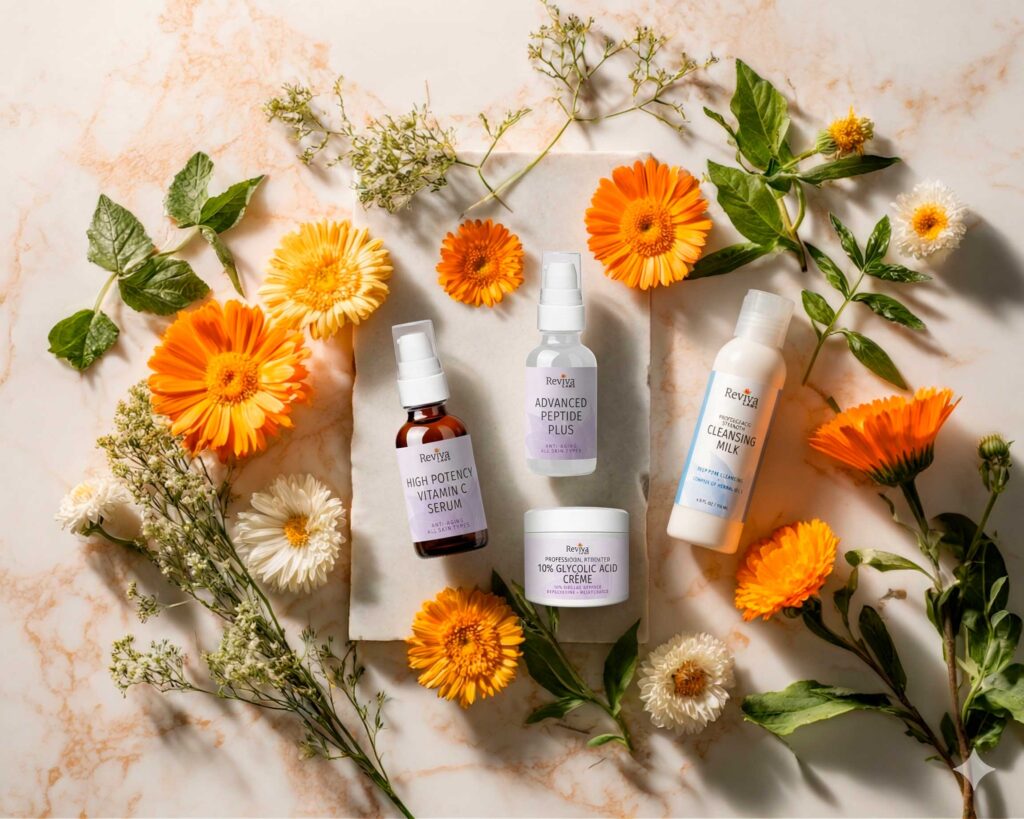
Reviva Labs has been formulating natural skincare for over 51 years, and that longevity comes with something most newer brands cannot claim: a documented history of responding to science. When early research began raising concerns about parabens as potential endocrine disruptors, Reviva reformulated. The brand did not wait for a regulatory mandate or a consumer backlash. It looked at the data, made a judgment call, and removed them. That same approach applies across the ingredient deck. Reviva continuously reviews the formulations it uses, and when evidence points to a safer or more natural alternative, the formula changes. It is not a one-time clean beauty pledge. It is an ongoing commitment to getting it right, even when getting it right means admitting that something that once seemed acceptable no longer meets the standard.
Making Changes Without Overwhelming Yourself
Shifting to cleaner, safer personal care products does not require throwing out everything you own at once. A more practical approach is the gradual swap method. As products run out, replace them with cleaner alternatives. Start with the products you use most frequently and in the largest amounts, since those represent your highest exposure. Body lotion applied from head to toe every day after a shower contributes more to cumulative exposure than a weekly face mask. Prioritize by frequency and coverage area and work outward from there. Over the course of six months to a year, most people can transition their entire routine without feeling like it was a disruptive overhaul.
Pay attention to how your skin responds. Switching to formulas without synthetic fragrance often reveals sensitivities that were masked by the fragrance itself, since fragrance is one of the most common causes of contact dermatitis and yet its presence can make a product feel pleasant even while triggering low-grade inflammation. Simplifying your routine, using fewer products with higher-quality ingredients, is often better for skin health than layering multiple products with ingredient lists that compete with each other. More is not more in skincare. The right ingredients, in the right formulas, applied consistently, produce better results than a complicated routine full of unknowns.
The conversation about what goes on your skin going into your body is not about fear. It is about paying the same kind of attention to personal care products that many people already pay to the food they eat. You would not eat something without knowing what was in it. Your skin deserves the same consideration.
Frequently Asked Questions
Does skin really absorb everything you put on it?
No, the skin does not absorb every ingredient applied to its surface. The stratum corneum provides a selective barrier. Absorption depends on the molecular size of an ingredient, its ability to dissolve in oils or fats, the condition of the skin barrier, the site of application, and how frequently the product is used. Some ingredients pass through easily, others barely penetrate at all, but the assumption that nothing absorbs is not supported by science.
Which skincare ingredients are most commonly absorbed into the bloodstream?
Lipophilic (fat-soluble) compounds with small molecular weights are generally the most readily absorbed. Some chemical sunscreen actives, parabens, and certain fragrance components have been detected in blood, urine, or tissue samples in research studies. This does not automatically mean they cause harm, but it does mean they enter systemic circulation rather than staying entirely on the surface of the skin.
Is parabens-free skincare actually safer?
Parabens have been studied in connection with endocrine disruption because they mimic estrogen in the body to varying degrees. Regulatory agencies have not banned them outright in the U.S., but several have been restricted in the EU, and many formulators have moved away from them due to consumer demand and the accumulating weight of precautionary research. Choosing paraben-free products reduces one source of synthetic preservative exposure, which is meaningful when viewed in the context of cumulative body burden.
Can damaged or sensitive skin absorb more of what you put on it?
Yes. A compromised skin barrier allows greater penetration of topically applied ingredients than healthy, intact skin. Conditions like eczema, psoriasis, windburn, or over-exfoliation all reduce the skin’s ability to act as a selective filter. This is one reason why ingredient quality matters even more for people with sensitive or reactive skin types.
How can I tell if a skincare product is genuinely clean?
Look beyond marketing claims. Check the ingredient list directly, using resources like EWG’s Skin Deep database to cross-reference flagged ingredients. Look for products that carry third-party certifications such as MADE SAFE or EWG Verified. Research the brand’s ingredient philosophy and whether they voluntarily disclose what they exclude. A brand with a documented, long-standing commitment to clean formulation offers more assurance than a product simply labeled “natural” or “non-toxic” without specific standards backing those claims.
Are fragrance-free products better for health?
For most people, fragrance-free formulas reduce the risk of contact sensitization and eliminate exposure to undisclosed fragrance compounds, some of which are allergens or have limited safety data. The term “unscented” is different from “fragrance-free” and can still contain masking fragrances. Fragrance-free products are especially recommended for people with sensitive skin, compromised barriers, or known fragrance allergies, but they represent a reasonable choice for anyone interested in reducing unnecessary chemical exposure.
References and Sources
- Environmental Working Group. “EWG’s Skin Deep Cosmetics Database: Why This Matters.” https://www.ewg.org/skindeep/
- Matta MK, Zusterzeel R, Pilli NR, et al. Effect of Sunscreen Application Under Maximal Use Conditions on Plasma Concentration of Sunscreen Active Ingredients. JAMA. 2019;321(21):2082-2091. https://jamanetwork.com/journals/jama/fullarticle/2733085
- Darbre PD, Aljarrah A, Miller WR, Coldham NG, Sauer MJ, Pope GS. Concentrations of parabens in human breast tumours. J Appl Toxicol. 2004 Jan-Feb;24(1):5-13. https://pubmed.ncbi.nlm.nih.gov/14745841/
- Centers for Disease Control and Prevention. Fourth National Report on Human Exposure to Environmental Chemicals. Updated Tables. https://www.cdc.gov/exposurereport/index.html
- European Commission. Cosmetics Regulation (EC) No 1223/2009 and restrictions on parabens. https://ec.europa.eu/growth/sectors/cosmetics/legislation_en
- MADE SAFE Certification Program. https://www.madesafe.org