
Clean Beauty, Ingredients, Natural, Reviva Labs, Skin Care
What Percentage of Bakuchiol is Effective?
Apr
A 2019 study published in the British Journal of Dermatology changed a great deal about how skincare professionals and consumers think about plant-based anti-aging. Researchers from the University of California Davis, along with colleagues from Michigan, Florida, and Pennsylvania, ran a rigorous twelve-week, double-blind, randomized trial comparing two topical treatments: one containing 0.5% bakuchiol and one containing 0.5% retinol. The outcome was striking. Both groups showed statistically significant reductions in wrinkle surface area and hyperpigmentation, with no meaningful difference between them. The retinol group, however, reported notably more facial skin scaling and stinging. That single study, led by Dhaliwal et al. and published in the British Journal of Dermatology in February 2019, put bakuchiol firmly on the map as a legitimate anti-aging ingredient, not a botanical curiosity.
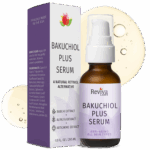
Bakuchiol Recommended Products
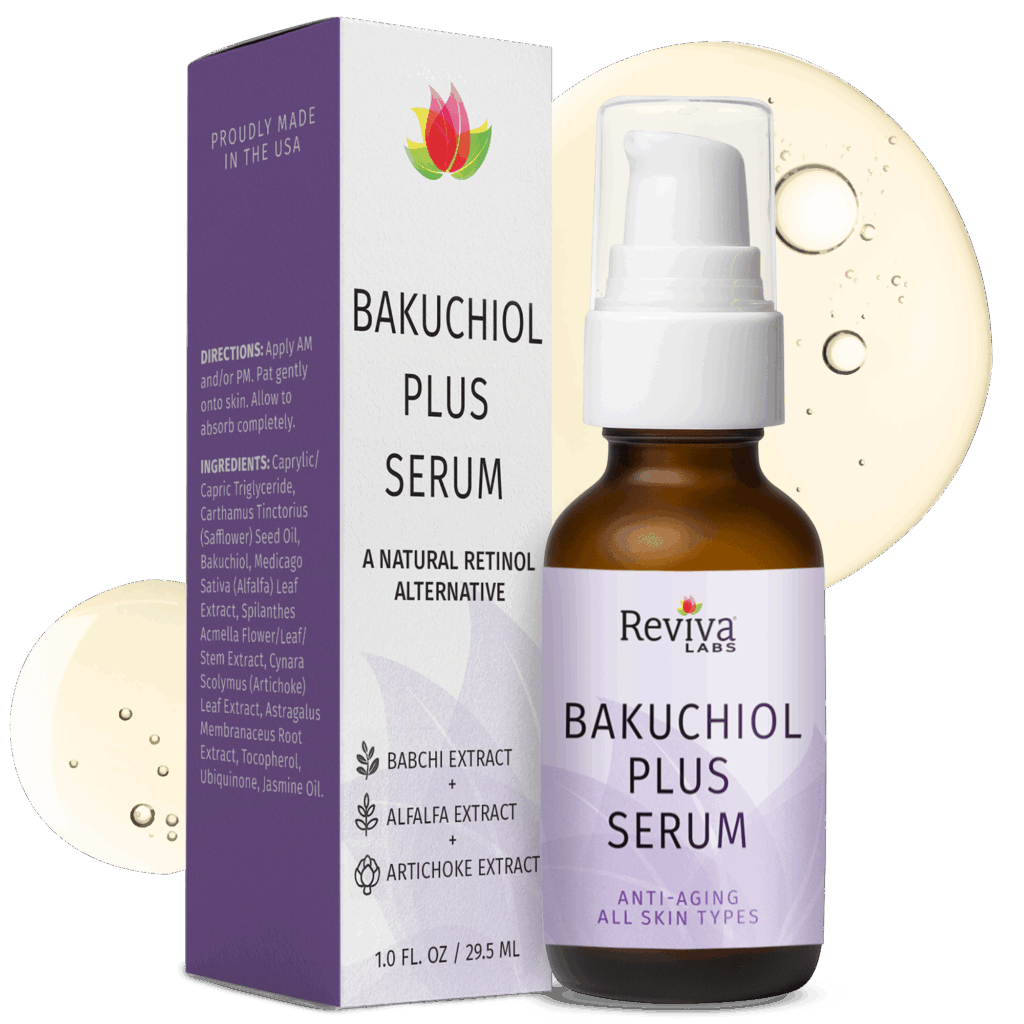


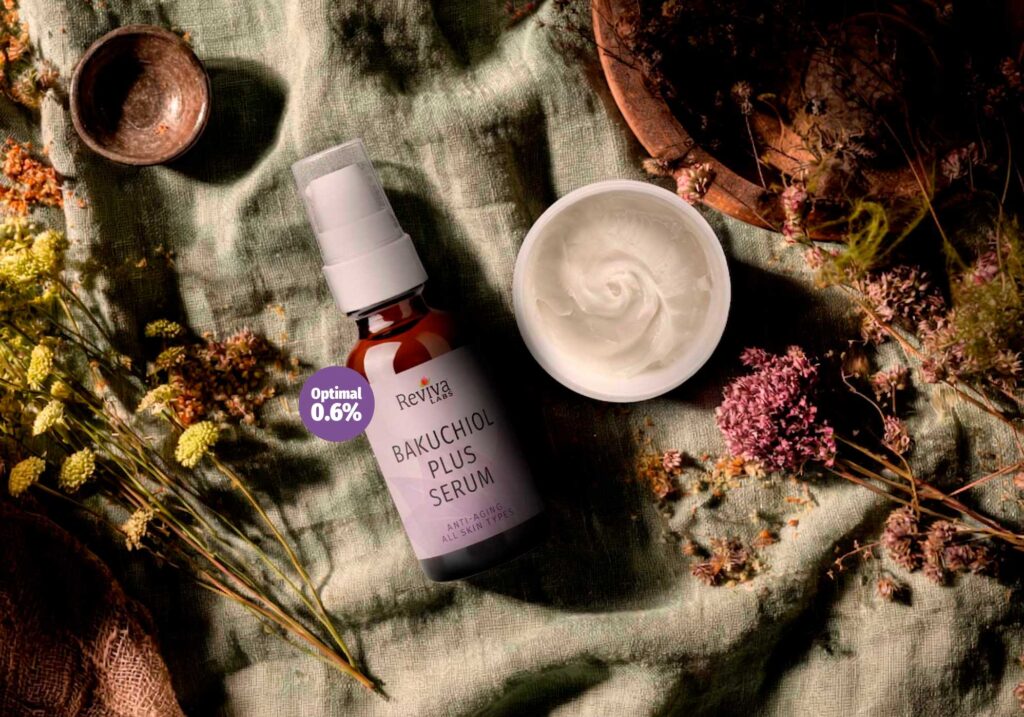
What the study did not answer, at least not directly, was the question that has since become one of the most searched topics in natural skincare: what percentage of bakuchiol is effective? Consumers scanning ingredient labels encounter bakuchiol listed in products ranging from 0.1% serums to boldly marketed 2% formulas, often with claims that higher automatically means better. The science tells a different story. Concentration matters, but the relationship between dose and benefit is not linear. There is a proven window where bakuchiol performs reliably, and going beyond that window offers little gain while potentially creating new problems.
Pharmaceutical grade bakuchiol used in most professionally formulated products, has published guidance based on both clinical study data and their own HPLC analysis of commercial products. Their recommendation is explicit: effective, safe use falls within 0.5% to 1.0%.
Where the Research Draws the Line
The consensus across multiple clinical studies and ingredient manufacturer guidelines is clear: bakuchiol performs most reliably at concentrations between 0.5% and 1%. This range is not arbitrary. It reflects the specific concentrations used in the clinical trials that have produced measurable, peer-reviewed results. The landmark Dhaliwal study used 0.5%. Other studies examining anti-aging outcomes, collagen stimulation, and skin texture improvement have used concentrations at or slightly above that threshold. These are the numbers that dermatologists and cosmetic scientists point to when recommending bakuchiol-based products.
Sytheon Ltd., the manufacturer of Sytenol A, the pharmaceutical grade bakuchiol used in most professionally formulated products, has published guidance based on both clinical study data and their own HPLC analysis of commercial products. Their recommendation is explicit: effective, safe use falls within 0.5% to 1.0%. Their analysis of 48 commercial products found that four contained bakuchiol levels significantly below 0.5%, the threshold clinically associated with anti-aging efficacy. For products making retinol-comparable claims based on sub-threshold concentrations, those claims are, at best, unsubstantiated.
The cosmethically active database, which aggregates peer-reviewed clinical study data, reached the same conclusion in their published review of bakuchiol research. Recommended concentrations in finished formulations range from 0.5% to 1%, with 0.5% being the most commonly evaluated in clinical work and consistently demonstrating meaningful cosmetic activity across multiple skin types. That includes normal, oily, combination, dry, and sensitive skin categories.
How Bakuchiol Works at the Cellular Level
To understand why more is not automatically better with bakuchiol, it helps to understand how the ingredient functions at a biological level. Bakuchiol is a meroterpene derived from the seeds and leaves of Psoralea corylifolia, a plant with deep roots in Ayurvedic and traditional Chinese medicine. Despite bearing no structural resemblance to retinol, bakuchiol activates many of the same gene expression pathways. Research by Chaudhuri and Bojanowski, published in 2014, established that bakuchiol upregulates type I and type III collagen synthesis, modulates matrix metalloproteinases, and influences the extracellular matrix in ways that closely parallel retinoid activity. Scientists refer to it as a functional analog of retinol.
The critical distinction is mechanism. Retinol works by converting to retinoic acid in the skin and binding to nuclear receptors. Bakuchiol does not follow that pathway. It achieves its effects through gene expression modulation, antioxidant activity, and anti-inflammatory action, operating through different molecular triggers that arrive at similar outcomes. Because bakuchiol works through gene signaling rather than aggressive chemical conversion, its activity has a ceiling. Once the relevant genes are maximally upregulated, adding more active ingredient does not increase the response. You reach a point of saturation, and anything beyond that threshold is simply excess.
At 1%, the anti-aging signal remains strong and well-tolerated. At 2% and beyond, the evidence for additional benefit thins considerably while the potential for irritation increases.
This biological reality explains why clinical studies consistently find 0.5% to be highly effective while also explaining the diminishing returns at higher concentrations. At 1%, the anti-aging signal remains strong and well-tolerated. At 2% and beyond, the evidence for additional benefit thins considerably while the potential for irritation increases. Sensitive skin, in particular, can respond to unnecessarily high concentrations with redness and barrier disruption. For an ingredient widely celebrated for being gentler than retinol, formulating at aggressive percentages undermines that core advantage.
What the Clinical Data Actually Shows
The Dhaliwal et al. study remains the gold standard in comparative bakuchiol research. The randomized, double-blind trial followed 44 participants with a mean age of 47 years over twelve weeks. Those applying 0.5% bakuchiol twice daily saw comparable reductions in wrinkle severity to those applying 0.5% retinol once daily. After twelve weeks, the bakuchiol group achieved a 59% rate of improvement in hyperpigmentation, compared to 44% in the retinol group. Both groups showed approximately a 20% average reduction in wrinkle severity. These are not marginal results. They are statistically significant findings published in one of dermatology’s most respected peer-reviewed journals.
Those applying 0.5% bakuchiol twice daily saw comparable reductions in wrinkle severity to those applying 0.5% retinol once daily.
Additional research has reinforced these findings at both 0.5% and 1% concentrations. A 2020 clinical study published in the Journal of Drugs in Dermatology, authored by Draelos, Gunt, Zeichner, and Levy, evaluated a bakuchiol-based anti-aging moisturizer for sensitive skin and found a 16% increase in skin moisture alongside improvements in clarity and smoothness. Studies by Goldberg et al. examining a night serum containing 0.5% bakuchiol in combination with melatonin and ascorbyl tetraisopalmitate reported significant hydration improvement, reduction in TEWL, and measurable improvements in pigmentation and skin quality over three months across 39 female subjects. At 1% concentration, separate trials have documented improvements in elasticity, firmness, and skin tone, all within the expected tolerability profile.
What is notably absent from the research landscape is any peer-reviewed clinical trial demonstrating that 2% or higher bakuchiol concentrations deliver superior results. The higher-percentage products that have entered the market do so largely on marketing assumptions, not study data. Sytheon’s own product testing found commercial bakuchiol products making label claims that significantly overstated or misrepresented actual ingredient concentrations. One product claiming 2% bakuchiol actually contained 2.35%, pushing it further outside the recommended range. These formulations create unnecessary risk without clinical justification.
The Role of Formulation Beyond the Number
Percentage alone does not determine how effective a bakuchiol product will be. Delivery system, vehicle, and supporting ingredients all play a meaningful role in how much of the active ingredient reaches the target layers of the skin and what it can do once it gets there. Bakuchiol is lipophilic, meaning it has a natural affinity for oil-based formulations. Oil serums and anhydrous (water-free) delivery vehicles tend to offer enhanced penetration and stability compared to water-heavy emulsions where the ingredient may have less solubility. Encapsulated bakuchiol, which uses technology to protect the active molecule and release it gradually, has shown particularly strong results in some studies, outperforming standard oil-based applications of the same concentration in measures like wrinkle reduction and pore visibility.
Oil serums and anhydrous (water-free) delivery vehicles tend to offer enhanced penetration and stability compared to water-heavy emulsions where the ingredient may have less solubility.
Supporting ingredients matter just as much as the bakuchiol percentage itself. When bakuchiol is paired with complementary actives, the results frequently exceed what bakuchiol would achieve working alone. Antioxidants such as coenzyme Q10 and vitamin E protect the skin from oxidative stress that accelerates collagen breakdown, giving bakuchiol’s collagen-stimulating work a stronger foundation. Plant extracts with firming or elasticity-supporting properties can amplify visible results. Hydrating agents like hyaluronic acid address moisture retention alongside bakuchiol’s structural benefits. The interaction of well-chosen ingredients within a cohesive formula is where real performance lives. A 0.5% bakuchiol serum in a thoughtful formula will outperform a poorly conceived 1.5% product nearly every time.
Sensitive Skin and Why the Proven Range Matters More
One of bakuchiol’s most significant advantages over traditional retinoids is its tolerability profile. People who have found retinol off-limits due to persistent irritation, dryness, or sensitivity, including those managing conditions like rosacea or reactive skin, have turned to bakuchiol as a viable alternative. That advantage depends entirely on staying within the concentration range where the ingredient has demonstrated safety. Aggressive concentrations negate the gentleness that makes bakuchiol worth choosing in the first place. Melanin-rich skin types, in particular, face an elevated risk: inflammation from any source, including unnecessarily high concentrations of an active ingredient, can trigger post-inflammatory hyperpigmentation that may take months to fade.
The photostability of bakuchiol is another key advantage over retinol. Traditional retinoids degrade when exposed to UV light and are typically recommended for nighttime use only. Bakuchiol does not share this limitation. Products formulated within the 0.5% to 1% range can be applied morning and evening without concern about UV-triggered degradation. Some research even suggests bakuchiol may help stabilize retinol when the two ingredients are used together, potentially allowing retinol users to achieve better results at lower retinol concentrations by pairing with bakuchiol. This combination approach is gaining traction among dermatologists who want the cellular benefits of both pathways without requiring patients to tolerate high-percentage retinoids on their own.
Pregnancy and breastfeeding are contexts where bakuchiol has attracted particular interest. Retinoids, including prescription tretinoin and over-the-counter retinol, are widely considered contraindicated during pregnancy due to concerns about teratogenicity. Bakuchiol, as a plant-derived ingredient with a different mechanism of action, is viewed by many practitioners as a safer option for pregnant individuals seeking some anti-aging support. While the research base here is still developing, the existing safety profile at recommended concentrations supports its consideration in these contexts. Anyone with specific health circumstances should consult a healthcare provider before introducing new active ingredients.
Reading Labels and Choosing Products Wisely
When selecting a bakuchiol product, percentage transparency is the first thing to look for. Reputable brands disclose the concentration. If a product prominently features bakuchiol in its marketing but does not state the percentage, that is a meaningful gap. Sytheon‘s analysis of commercial products found instances where label claims were not backed by actual ingredient content, a reminder that not all bakuchiol products are formulated with the same rigor. Looking for brands that cite the specific bakuchiol grade they use, and ideally point to clinical study data, provides a stronger basis for product selection than marketing language alone.
The position of bakuchiol in an ingredient list offers a secondary signal. Cosmetic ingredient lists are ordered from highest to lowest concentration. Bakuchiol appearing far down the list, nestled among preservatives and trace ingredients, suggests the concentration is very low and may fall below the clinically effective threshold. However, position alone is not conclusive, since some ingredients are used effectively at very low percentages. The most reliable information comes from brands that are transparent about their formulation choices and back those choices with reference to the research.
It is also worth considering the complete formula rather than fixating on bakuchiol as a standalone number. A product formulated at 0.5% bakuchiol alongside complementary antioxidants, skin-repairing botanicals, and effective delivery agents provides more value than a product leading with a higher percentage in an otherwise underdeveloped formula. Skincare is a system, not a single ingredient. Consistent application over at least eight to twelve weeks is necessary to see the full effect of any bakuchiol product, regardless of concentration, because the collagen-stimulating and gene-expression benefits accumulate over time.
Setting Realistic Expectations for Real Results
The research is clear that bakuchiol at 0.5% to 1% delivers measurable anti-aging benefits. It is also clear that those benefits take time. Eight to twelve weeks of consistent twice-daily application represents the minimum period in which most study participants began seeing statistically significant changes in wrinkle severity, skin texture, and hyperpigmentation. This timeline is similar to what is expected from retinol, and it reflects the biology: collagen synthesis, cellular turnover, and gene expression changes are gradual processes. Patience is not optional. The temptation to interpret slow early results as a sign that a higher percentage is needed runs counter to the science.
Realistic expectations also mean recognizing what bakuchiol does and does not do. It is a strong option for addressing fine lines, early to moderate wrinkle depth, surface texture irregularities, and hyperpigmentation. For deep structural wrinkles caused by significant dermal volume loss, prescription-strength retinoids or procedural interventions may deliver more dramatic outcomes. Bakuchiol’s strength lies in its combination of meaningful efficacy and exceptional tolerability, a combination that serves a wide audience across skin types and sensitivity levels. That is a genuinely valuable position, and it does not require inflated concentrations to deliver on its promise.
The 0.5% to 1% range is where the science lives. It is where the clinical trials were run, where the statistically significant results were measured, and where ingredient manufacturers draw the lines for safe and effective use. Anything below 0.5% enters territory where efficacy claims become speculative. Anything above 1% crosses into a zone where clinical justification is thin, and the risk of unnecessary irritation rises. Staying within the proven window is not a compromise. It is the smart choice backed by a decade of rigorous research.
Frequently Asked Questions
What is the most effective percentage of bakuchiol in skincare products?
Clinical research consistently supports concentrations between 0.5% and 1% as the effective range for bakuchiol in finished skincare formulations. The landmark study published in the British Journal of Dermatology in 2019 used 0.5% and found results comparable to 0.5% retinol in reducing wrinkle severity and hyperpigmentation. Ingredient manufacturer guidance from Sytheon, who produces the most widely studied bakuchiol grade, places the recommended range at 0.5% to 1.0%. Products within this window have the strongest clinical backing for anti-aging claims.
Is 2% bakuchiol better than 1%?
No peer-reviewed clinical studies demonstrate that 2% bakuchiol outperforms 1% for anti-aging outcomes. Bakuchiol works through gene expression modulation rather than aggressive chemical exfoliation, so once the relevant signaling pathways are maximally activated, adding more active ingredient does not enhance results. Sytheon’s own analysis explicitly notes that exceeding 1.0% may cause irritation in certain skin types without providing proportional benefit. Products marketed at 2% or higher concentrations are operating outside the range supported by published clinical data.
Can bakuchiol below 0.5% still be effective?
Concentrations below 0.5% may offer some antioxidant and skin-conditioning benefits, but the anti-aging efficacy claims associated with bakuchiol, specifically wrinkle reduction and improvements comparable to retinol, are not well supported at sub-threshold concentrations. Sytheon notes that levels as low as 0.2% may lack efficacy for retinol-comparable benefits, depending on the targeted outcome. If a product lists bakuchiol low on its ingredient list without disclosing a specific percentage, there is a meaningful chance it falls below the clinically effective threshold.
How long does it take to see results from bakuchiol?
Most clinical trials examining bakuchiol efficacy use a twelve-week timeline, and the most marked improvements in wrinkle severity and hyperpigmentation are typically observed after the full twelve weeks of consistent use. The Dhaliwal study documented measurable changes at the four and eight-week points, but the results were most pronounced at week twelve. This timeline is comparable to retinol and reflects the biology of collagen stimulation and cellular renewal. Using bakuchiol twice daily within the 0.5% to 1% range, consistently, over at least eight to twelve weeks, is the approach that matches how the studies were conducted.
Can bakuchiol be used during the day?
Yes. Unlike retinol, bakuchiol is photostable, meaning it does not degrade when exposed to UV light. This makes it suitable for morning and evening application, and it does not increase photosensitivity. The clinical trials that established bakuchiol’s efficacy typically had participants apply the product twice daily, morning and evening. Some research suggests bakuchiol may even help stabilize retinol in combination formulas, allowing those who use both ingredients to achieve better retinol performance. Applying SPF during the day remains important for overall skin health and protecting gains made by any anti-aging active.
Is bakuchiol safe for sensitive skin?
Bakuchiol has one of the more favorable tolerability profiles among skincare actives. In the head-to-head comparison with retinol at the same concentration, bakuchiol users reported significantly less facial scaling and stinging. The ingredient is considered appropriate for sensitive skin types and has been studied in subjects with dry, oily, combination, normal, and sensitive skin. The key is remaining within the clinically recommended 0.5% to 1% concentration range and ensuring the surrounding formulation does not include irritating additives that could undermine the ingredient’s inherent gentleness.
Does bakuchiol work differently from retinol?
Yes, the mechanisms are distinct even though many outcomes overlap. Retinol converts to retinoic acid in the skin and acts by binding to nuclear receptors in cells. Bakuchiol does not convert to retinoic acid. Instead, it modulates gene expression through different molecular pathways, stimulating collagen production, supporting extracellular matrix health, and providing antioxidant and anti-inflammatory benefits through its own distinct routes. Scientists describe bakuchiol as a functional analog of retinol because it activates many of the same downstream benefits without following the same biochemical pathway. This difference in mechanism is what allows bakuchiol to avoid the photosensitivity and irritation side effects commonly associated with retinoids.
References and Sources
- Dhaliwal S, Rybak I, Ellis SR, et al. Prospective, randomized, double-blind assessment of topical bakuchiol and retinol for facial photoageing. British Journal of Dermatology. 2019;180(2):289-296. https://doi.org/10.1111/bjd.16918
- Draelos Z, Gunt H, Zeichner J, Levy S. Clinical Evaluation of a Nature-Based Bakuchiol Anti-Aging Moisturizer for Sensitive Skin. Journal of Drugs in Dermatology. 2020;19(12):1181-1183. https://doi.org/10.36849/jdd.2020.5522
- Goldberg DJ, Robinson DM, Granger C. Clinical evidence of the efficacy and safety of a new 3-in-1 anti-aging topical night serum-in-oil containing melatonin, bakuchiol, and ascorbyl tetraisopalmitate: 103 females treated from 28 to 84 days. Journal of Cosmetic Dermatology. 2019;18(1):241-247.
- Sytheon Ltd. Creating a Trustworthy Bakuchiol Product: 3 Red Flags to Avoid. https://sytheonltd.com/trustworthy-bakuchiol-product/
- Hadiwidjaja et al. Comparative efficacy of bakuchiol oil and encapsulated bakuchiol cream formulations on facial skin quality. Journal of Pharmacy and Pharmacognosy Research. 2024;12(3):477. https://jppres.com/jppres/pdf/vol12/jppres23.1812_12.3.477.pdf
- CosmEthically ACTIVE. Bakuchiol: A promising ingredient to help slow down time. https://cosmethicallyactive.com/bakuchiol-a-promising-ingredient-to-help-slow-down-time/ (Published February 2023)
- Chaudhuri RK, Bojanowski K. Bakuchiol: a retinol-like functional compound that can be derived from nature. International Journal of Cosmetic Science. 2014;36(3):221-230.