Brightening your skin isn’t just about choosing a single hero ingredient and hoping for the best. It’s about building a formula – or routine – that layers ingredients intelligently for maximum results and minimal irritation. But can you actually mix powerhouses like vitamin C, kojic acid, glycolic acid, resveratrol, niacinamide, licorice root, and bearberry extract?
The short answer is yes – most of the time. But the full picture is more nuanced, especially when considering the pH requirements, stability, and skin sensitivity potential of these active ingredients. One wrong pairing could cancel out a benefit. Another could irritate the skin. But when done correctly, layering or formulating with multiple brighteners can enhance performance, speed up results, and help fade dark spots more evenly.
Let’s take a look at how these ingredients behave – alone and together – and what you need to know to use them safely and effectively.
Hyperpigmentation, melasma, and sunspots develop for different reasons. Some are triggered by inflammation, others by sun exposure, hormones, or acne. Using one ingredient might address just one pathway. But using two or more – if they’re compatible – can target multiple triggers at once.
Brighteners like vitamin C reduce melanin formation by interfering with tyrosinase, the enzyme that produces pigment. Niacinamide, on the other hand, doesn’t stop melanin production – it blocks its transfer to skin cells. Kojic acid breaks down existing discoloration. Glycolic acid lifts dead skin cells so your other actives absorb better. Together, they form a kind of team, each doing something different to create a smoother, more even tone.
Vitamin C is one of the most studied ingredients in skincare. It boosts brightness, reduces melanin, and improves collagen synthesis. But it’s finicky. The most effective form – L-ascorbic acid – is notoriously unstable and requires a low pH (around 3.5 or lower) to stay active.
Because of that, some ingredient combinations can weaken it or destabilize a formula. But that doesn’t mean you can’t mix it at all.
Vitamin C is compatible with:
Ferulic acid and vitamin E both boost stability and effectiveness
Niacinamide and vitamin C can be used together safely, even in the same formula or layered
Kojic acid and licorice both work on pigment pathways in a complementary way for brighter skin
Bearberry extract contains arbutin, which works synergistically with vitamin C
Use with caution:
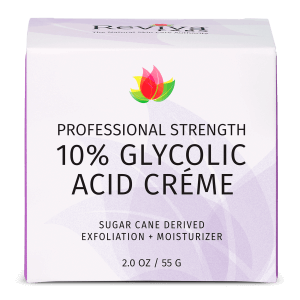
Glycolic acid and Vitamin C are both acidic so layering them may irritate sensitive skin. Some formulas combine them well, but mixing products requires careful attention.
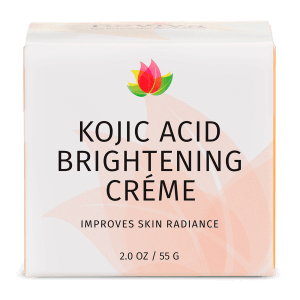
Kojic acid is a byproduct of fermentation and has become a go-to for skin lightening. It reduces melanin production and is often used to treat post-inflammatory hyperpigmentation.
Kojic acid works best when combined with other brighteners like niacinamide, vitamin C, or glycolic acid. It’s also effective when paired with licorice root and bearberry for gentler pigment control.
Compatible with:
Vitamin C and niacinamide
Glycolic acid which helps with penetration
Licorice and bearberry offer multiple brightening pathways to increase effectiveness
Potential issue when using Kojic acid:
Sensitivity. Kojic acid can irritate some skin types, especially when combined with other acids or used in high concentrations.
Glycolic Acid – The Exfoliator That Makes Everything Work Better
Glycolic acid doesn’t brighten skin on its own by inhibiting melanin – but it removes the barrier that keeps other ingredients from working well. It exfoliates the outer layer of the skin to help reveal fresher skin and allowing brighteners to penetrate deeper.
Using glycolic acid before ingredients like vitamin C, kojic acid, or niacinamide can enhance results – if your skin tolerates the combination.
Glycolic Acid is compatible with:
Kojic acid is an excellent pairing for spot treatments
Niacinamide is recommended when used in separate steps or buffered in a well-balanced formula
Licorice and bearberry are non-acidic and considered low-risk ingredients
Potential sensitivity with:
Vitamin C. Using two low-pH actives back-to-back may lead to redness or stinging. Start slow or alternate morning and evening.
Resveratrol is a polyphenol found in grapes, berries, and peanuts. It’s best known for its antioxidant and anti-aging benefits, but it also reduces melanin production by targeting tyrosinase.
It’s gentle, non-acidic, and highly stable – making it a good partner for other ingredients that may need more support in a formula. Plus it provides a long-term brightening effect make it ideal for sensitive skin routines.
Resveratrol is compatible with:
Vitamin C and niacinamide since resveratrol helps stabilize other antioxidants
Licorice, kojic acid, and bearberry all work well in antioxidant cocktails
Niacinamide is one of the most versatile skincare ingredients. It doesn’t exfoliate. It doesn’t irritate. And it works across multiple pathways. It not only blocks pigment transfer, it also strengthens the skin barrier and reduces inflammation.
For years, it was thought that vitamin C and niacinamide shouldn’t be combined. But those early findings were based on outdated research. Today’s formulations have proven that both can be used together – either in one product or layered, as long as skin tolerates it.
Niacinamide is compatible with:
Vitamin C especially in stable formulas
Glycolic acid though best separated in your routine if using high concentrations
Kojic acid, resveratrol, bearberry, and licorice are all gentle enough for layering
Best for:
Sensitive skin that still needs powerful brightening effects without acid-related irritation.
Licorice root extract contains glabridin, which inhibits pigmentation caused by UV exposure and calms inflammation. It’s often used in formulas for melasma and post-acne marks.
Unlike acids or vitamin C, licorice is soothing and gentle – making it an ideal choice to pair with more active ingredients to reduce potential irritation.
Compatible with:
Everything on this list. Especially helpful when combined with glycolic acid or kojic acid to ease redness and stinging.
Usage tip:
Great in daily formulas like toners, essences, or moisturizers that prep the skin for stronger serums.
Bearberry extract is rich in arbutin, a natural derivative of hydroquinone. It lightens skin by inhibiting tyrosinase, but does so gently and slowly. It’s often used in formulas meant for long-term use without causing rebound pigmentation or irritation.
Compatible with:
Vitamin C, kojic acid, and glycolic acid
Niacinamide and licorice
Resveratrol which boosts antioxidant protection
Formulating or Layering Brighteners Safely
If you’re using products that contain these ingredients, here’s how to reduce your risk of irritation and improve performance:
Start with fewer actives and build tolerance over time.
Use acids at night and antioxidants like vitamin C in the morning.
Pair exfoliants with barrier-repairing moisturizers that contain ceramides, peptides, or hyaluronic acid.
Avoid layering multiple acids unless your skin is conditioned.
Use SPF daily. All brightening routines require strict sun protection, or the pigment will return faster than you can fade it.
One Powerful Stat You Should Know
According to a 2020 review published in the Journal of Cosmetic Dermatology, combining multiple brightening agents can produce faster and more sustained results than using a single ingredient alone – especially in melasma cases.
Frequently Asked Questions
Can I mix vitamin C with niacinamide? Yes. New research confirms that this combo is safe and effective. Just watch for irritation if you have sensitive skin.
Should I avoid glycolic acid if I’m using kojic acid? Not necessarily. They work well together but may cause sensitivity. Start slowly or alternate their use.
Is it better to use brightening ingredients at night or in the morning? Vitamin C is ideal for morning use. Acids like glycolic are better at night. Niacinamide can be used twice daily.
Can licorice root lighten skin on its own? Yes, though its effect is subtle. It works best in combination with stronger pigment inhibitors.
Are natural extracts like bearberry as effective as synthetic lighteners? Bearberry is gentler than hydroquinone but still effective with consistent use. It’s a great option for long-term maintenance.
Learn More about Our Smarter Approach to Brightening
Nancy Reimer is a seasoned Sales Training/Product Education Development executive with over 20 years experience in cosmetics, personal care and supplement industries. Her experience includes training and selling in Natural, Prestige, and Specialty channels. She is consumer oriented, sales driven and a dedicated team player; analytical and detailed oriented with excellent communication and people skills. Nancy’s addition to the Reviva Labs’ team is guaranteed to help Reviva continue growing and expanding.


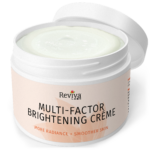 Multi-Factor Brightening Créme
1 × $42.00
Multi-Factor Brightening Créme
1 × $42.00 Reviva Labs Catalog 1 × $0.00
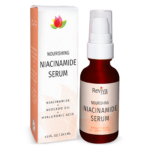
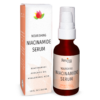 Nourishing Niacinamide Serum
$24.00
Nourishing Niacinamide Serum
$24.00 Kojic Acid Brightening Créme
$24.00
Kojic Acid Brightening Créme
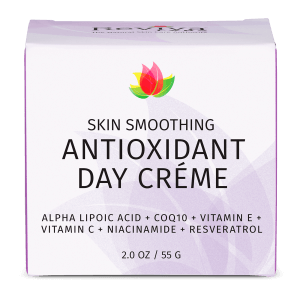
$24.00 Antioxidant Day Créme
$28.00
Antioxidant Day Créme
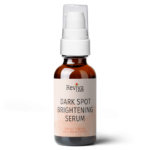
$28.00 Dark Spot Brightening Serum
$22.00
Dark Spot Brightening Serum
$22.00