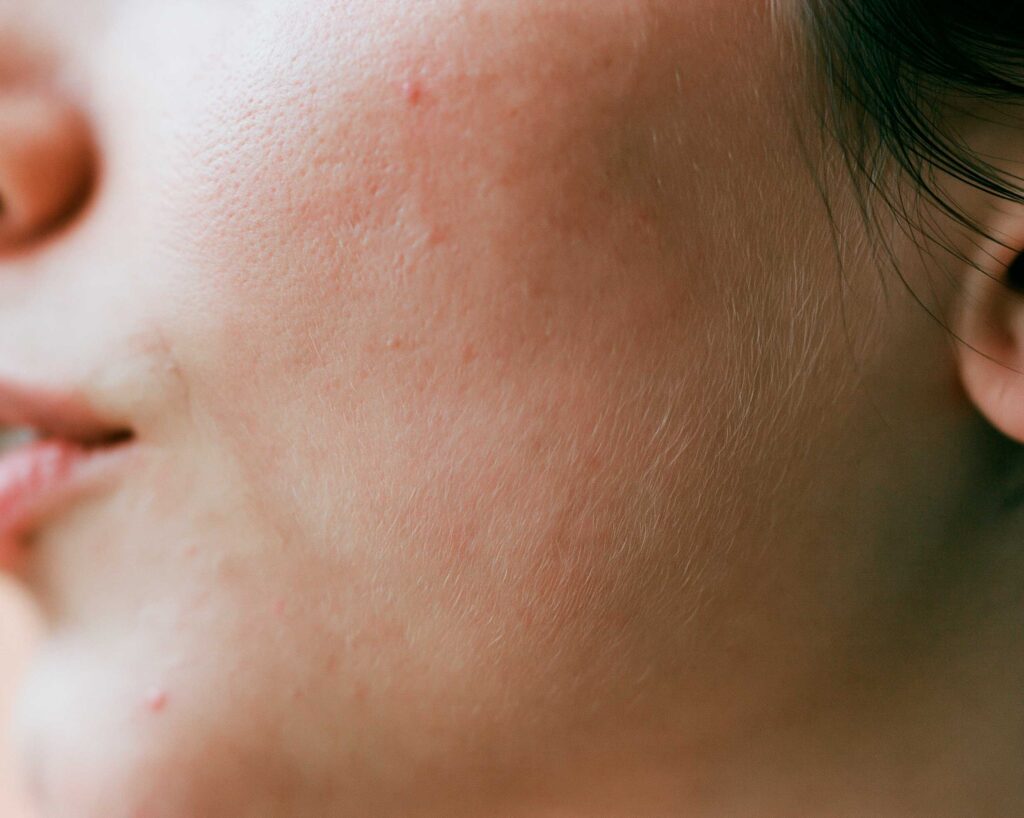
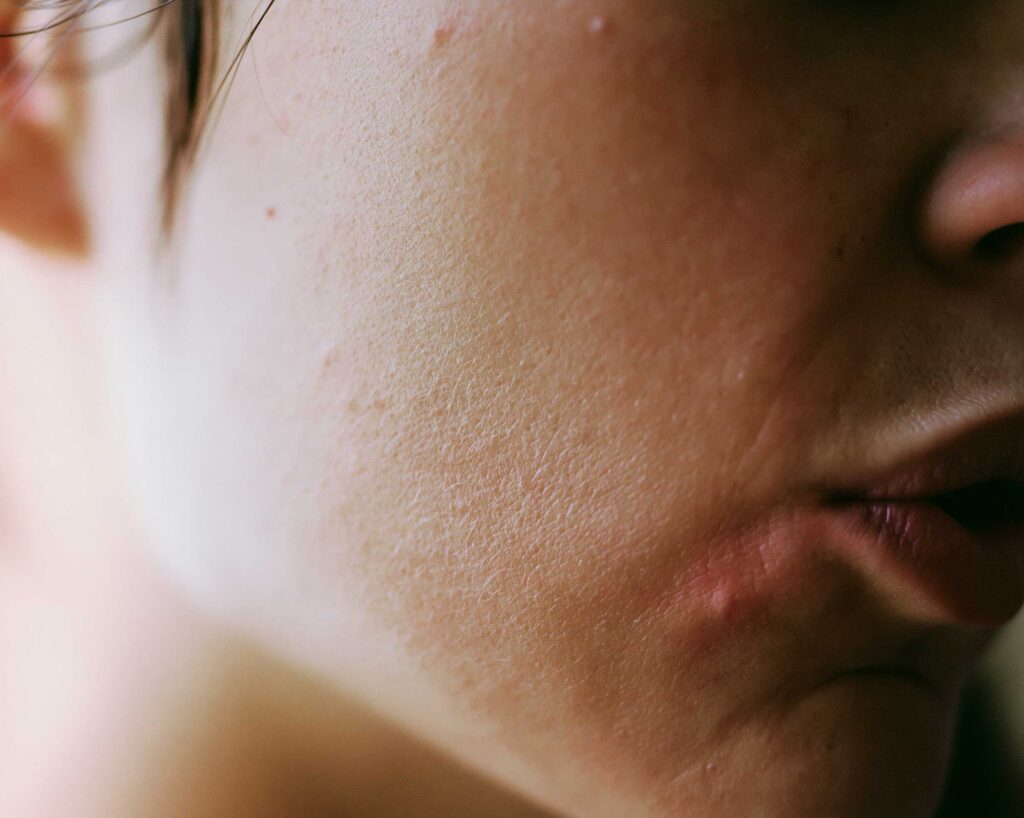
For millions of people who have reached for a product labeled “for sensitive skin” and found it did more harm than good, a new pilot study published in a dermatology brief report may finally offer a biological explanation worth paying attention to. Researchers from George Washington University School of Medicine and Health Sciences, La Sapienza University in Rome, and Galderma-affiliated faculty have confirmed that sensitive skin syndrome is not a mild form of rosacea. It is a distinct condition with its own biological signature, and the formulation strategies borrowed from rosacea management that have shaped the sensitive skin category for decades may be answering the wrong question entirely. At Reviva Labs, where ingredient decisions are revisited whenever science points toward a better path, findings like these are exactly the kind of evidence that should reshape how an entire category thinks, formulates, and communicates. The answer to whether sensitive skin products have been solving the wrong problem is, increasingly, yes, and the science now tells us what the right problem actually is.
Studies have consistently found that a majority of women self-report having sensitive skin, with some estimates placing that figure above 60 percent in the United States
Studies have consistently found that a majority of women self-report having sensitive skin, with some estimates placing that figure above 60 percent in the United States, yet complaint rates about product-triggered reactions remain remarkably high even among people actively seeking sensitive-specific formulas. Part of that disconnect has always been attributed to individual ingredient sensitivities or personal biology, but this new research suggests the explanation runs much deeper. If the underlying biology of sensitive skin syndrome has been systematically misread, then a significant portion of the formulation work done on its behalf has been built on an inaccurate foundation. That is not a minor gap. It is a structural one that this research is now positioned to close.
The implications for product development are immediate and specific. Sensitive skin syndrome, frequently abbreviated as SSS, has long been grouped with rosacea in clinical conversation and retail positioning because both conditions share a surface presentation of redness, burning, and reactivity. Formulas designed to manage rosacea were repositioned for sensitive skin with the working assumption that anti-inflammatory and antimicrobial mechanisms would carry across both conditions. The new molecular evidence shows the two conditions operate through fundamentally different biological pathways, which means the strategies built around one cannot simply be transferred to the other. Getting this right matters, and it starts with getting clear on what actually distinguishes the two.
When Rosacea and Sensitive Skin Get Lumped Together
Rosacea is a well-characterized chronic inflammatory skin condition with a known biological profile. It involves vascular dysfunction, persistent immune system activation, and notably, a significantly elevated population of a microscopic mite called Demodex folliculorum, which lives in hair follicles and sebaceous glands. When Demodex overpopulates in rosacea patients, it triggers a cascade of immune responses. The body produces elevated levels of antimicrobial peptides, particularly cathelicidin and dermcidin, which drive redness, burning, and visible inflammation. Rosacea management has logically focused on those pathways, targeting Demodex colonization and immune-mediated inflammation as the primary drivers of the condition. The strategies that followed from that work have been incorporated broadly into skincare, well beyond products positioned for rosacea itself.
Sensitive skin syndrome produces symptoms that look and feel remarkably similar to rosacea on the surface. People with SSS experience stinging, burning, tingling, and redness in response to products, temperature shifts, environmental stressors, and sometimes stress itself. Because the symptoms overlap, the two conditions have historically been clustered together in clinical contexts and in product development. Formulas designed to calm rosacea were positioned for sensitive skin as well, with the working assumption that anti-inflammatory and antimicrobial mechanisms would provide relief across both groups. That assumption held without serious challenge for years, largely because the tools to examine SSS biology at a molecular level were not widely applied. Now they have been, and the results are clear.
The pilot study compared 15 women with sensitive skin syndrome against 15 women with non-sensitive skin using clinical scoring, reflectance confocal microscopy, and proteomic analysis. These are not superficial assessment tools. They allow researchers to look at cellular structure and molecular activity with a level of specificity that symptom reporting alone cannot provide. The researchers specifically measured Demodex folliculorum colonization rates and levels of cathelicidin and dermcidin in both groups, targeting the exact biological markers that are characteristic of rosacea. What they found directly challenged the idea that SSS and rosacea share the same underlying drivers.
What the New Research Found
The Demodex finding alone is significant. In rosacea, elevated mite colonization is a measurable and well-documented feature that has shaped multiple lines of treatment. In this study, both the SSS group and the non-sensitive control group showed identical Demodex colonization rates of 20 percent, with no statistically significant difference between them. This removes one of the primary biological bridges that had been used to connect the two conditions in both research and commercial formulation contexts. If Demodex is not elevated in SSS, then strategies aimed at reducing Demodex have no biological rationale in SSS populations. That is not a minor revision to existing thinking. It is a foundational one.
The antimicrobial peptide findings were equally striking and arguably more so. Cathelicidin and dermcidin were not merely equivalent between the SSS group and non-sensitive controls. They were downregulated, meaning they were actually lower in sensitive skin participants than in people without sensitive skin. The innate immune activation pathway that is so central to rosacea is not just absent in SSS; it appears to be suppressed. This tells us that sensitive skin syndrome operates through a fundamentally different set of mechanisms than those that have been informing sensitive skin product development for years.
Taken together, these molecular findings paint a clear picture of what sensitive skin syndrome is not. It is not a condition driven by microbial overgrowth, and it is not a condition driven by an overactive innate immune system. Prior clinical assumptions that SSS represented a mild or early form of rosacea, or a condition that responded to the same therapeutic targets, are not supported by the biology now visible at the molecular level. The research does not merely refine our picture of SSS. It redraws it, and a redrawn picture calls for a redesigned approach.
The Neurosensory Story That Changes Everything
Prior research has already identified features of SSS that distinguish it from rosacea and from other inflammatory dermatoses. Reduced intraepidermal nerve fiber density has been documented in SSS skin, meaning there are fewer nerve endings present in the upper layers of the epidermis compared to non-sensitive skin. Altered epidermal barrier structure has also been documented, with SSS skin showing compromised structural integrity even when no visible irritation is present. The new pilot study builds directly on that body of work by adding molecular evidence that the immune activation pathways central to rosacea are not in play, reinforcing the view that SSS is driven by neurosensory dysfunction and barrier fragility rather than by inflammation or microbial overgrowth. What this means practically is one of the most important shifts in how sensitive skin care should be approached.
The skin is densely populated with sensory nerve endings that register temperature, pressure, chemical stimuli, and pain. In healthy skin, these nerves have a calibrated threshold, responding to signals that genuinely warrant a response and staying quiet otherwise. In SSS, that threshold is significantly lowered, so the nerves fire in response to stimuli that non-sensitive skin processes without issue. This is why people with SSS can experience intense stinging or burning from a product that someone with non-sensitive skin applies without any reaction at all. The problem is not the product triggering inflammation. The problem is a neurosensory system responding to inputs it would otherwise not register. That is a different problem entirely, and it requires a different solution.
Fewer nerve fibers but heightened reactivity describes a system that is dysregulated, not simply more active. A signal traveling through fewer channels but producing a larger response creates real unpredictability in daily life. Familiar products cause sudden reactions. Seasonal transitions become difficult to manage. The search for something that simply does not sting or burn becomes an exhausting process of elimination. When that experience is framed as sensitivity to specific ingredients rather than as a neurosensory condition with a biological basis, the approach to managing it is misdirected from the start.
Why Barrier Repair Should Be the Foundation
The epidermal barrier is the body’s first and most important defense against irritants, allergens, temperature extremes, and transepidermal water loss. It is made up of lipids, proteins, and structural components that work together to keep environmental aggressors out and moisture in. When that barrier is compromised, even at a microscopic level that is not visible on the surface, it allows substances to penetrate more readily and reach the nerve endings underneath. A weakened barrier effectively lowers the already reduced threshold that SSS skin maintains, increasing the frequency and intensity of reactive episodes. This connection between barrier integrity and neurosensory reactivity is one of the most useful frameworks for thinking about sensitive skin care.
Barrier repair has always been part of the conversation around sensitive skin, but it has often been treated as one element among many rather than as the foundation of the entire strategy. The new research provides a compelling argument for reorienting that priority. When Demodex colonization is identical to that of non-sensitive skin, and when cathelicidin and dermcidin are not upregulated but actually suppressed, the targets that have dominated sensitive skin formulation simply do not apply. The most productive focus is the structural integrity of the skin itself and the reduction of sensory burden. Ingredients that replenish lipids, support ceramide content, reinforce the natural moisture factor, and fill in the microscopic gaps in the barrier address the conditions that actually drive SSS reactivity. That is not a narrower approach. It is a more accurate one.
For Reviva Labs, this research aligns directly with the formulation principles we have applied since 1973. Our barrier-focused products are built around ingredients that support the skin’s own repair processes without adding unnecessary complexity or irritant potential. That philosophy does not come from being conservative for its own sake. It comes from the recognition that effective skincare works with the skin’s biology, not around it. When the science becomes more specific, that standard becomes more useful, not more restrictive.
Reading Labels Through a New Lens
Given what we now know about the distinct biology of SSS, reading a product label becomes a more meaningful activity. The presence of ceramides, squalane, niacinamide at thoughtful concentrations, beta-glucan, glycerin, and hyaluronic acid points toward a barrier-supportive formulation approach. These ingredients have strong published evidence for supporting the structural and hydration components of healthy skin without introducing the kind of sensory burden that SSS skin is poorly equipped to manage. They reinforce the skin’s own systems rather than overriding them, and that distinction matters significantly for a condition characterized by lowered reactivity thresholds. Products formulated around these actives are asking a fundamentally different question than those built around anti-inflammatory or anti-Demodex mechanisms.
Fragrance is one of the most commonly implicated sensitizing agents in skincare, and this concern is amplified for SSS skin. Both synthetic fragrance compounds and certain components of natural fragrances can lower the threshold for neurosensory reactivity. When the threshold is already reduced, adding sensory load through fragrance is a direct risk factor for reactive episodes. Fragrance-free does not mean less pleasant or less effective. It means the formulation is not introducing unnecessary stimulation to a system that is already primed to respond to stimulation it does not need.
Preservative selection also carries real consequences for SSS populations specifically. Certain preservative systems have documented irritation potential that would have limited significance for non-sensitive skin but becomes meaningfully relevant when the neurosensory threshold is reduced. A formulation that performs well across a general population can produce reactions in SSS skin not because of a specific allergy but because the cumulative sensory load of the formula exceeds what that skin can process without responding. Thoughtful preservative choices are not a marketing consideration. They are a functional one.
It is also worth thinking carefully about active concentrations. Many actives that deliver measurable benefits do so within a range, and the highest concentration is not always the most appropriate one for SSS skin. At the lower end of an effective range, they can support barrier function or provide meaningful skin benefits without introducing the level of stimulation that higher concentrations carry. For SSS skin, moderate concentrations paired with a simplified formula are often more effective in practice than maximally concentrated options, even when the ingredient itself is broadly well-tolerated. The goal is not maximum dosage. It is the most effective dosage for skin that is already processing more input than it can comfortably manage.
Building a Routine That Actually Holds
With the biology of SSS more clearly defined, building an effective routine becomes more straightforward. The goal is to reduce total sensory and irritant load on the skin while actively supporting barrier integrity and minimizing the environmental inputs that trigger neurosensory reactivity. Keeping the routine simple is not a compromise. It is a strategic choice. Every product added to a routine introduces additional exposure surface, and for SSS skin, fewer well-tolerated products used consistently will almost always outperform a more complex routine with mixed tolerability.
Cleansing is where many people with sensitive skin first encounter trouble. Cleansers that strip the barrier of its natural lipids and proteins are not just temporarily drying. They actively increase the permeability that allows irritants to reach nerve endings more easily. A gentle, low-lather cleanser that respects the skin’s natural pH removes surface debris and pollutants without compromising the structure underneath. After cleansing, the brief window before the skin fully dries is a useful moment to apply a humectant-rich product that draws moisture into the upper layers before evaporation can occur. That sequence supports barrier recovery as part of the daily routine rather than as an occasional repair intervention.
Sun protection is non-negotiable for sensitive skin, and yet it is also an area where reactive episodes are particularly common. Mineral sunscreens formulated with zinc oxide or titanium dioxide tend to be better tolerated by SSS skin than chemical UV filter systems, largely because they function on the surface of the skin rather than being absorbed into it. UV radiation and environmental pollutants both actively degrade epidermal barrier integrity and can increase baseline neurosensory reactivity. Selecting a well-formulated mineral option and applying it as a consistent daily habit, regardless of cloud cover or time spent indoors, is one of the most practical protective choices available for SSS skin. Consistent sun protection is a direct contribution to barrier health, not simply a step for preventing visible sun damage.
Consistency over novelty is the most reliable guiding principle for managing SSS effectively over time. Rotating through new products and trending ingredients in response to marketing or recommendation is one of the fastest ways to trigger a reactive episode and to lose track of what the skin is actually responding to. A stable routine built around a small number of well-tolerated, barrier-supportive products gives SSS skin the predictability it needs. Over time, that stability can meaningfully reduce baseline reactivity and make the skin more resilient to the environmental inputs that currently overwhelm it. Patience here is not a passive approach. It is one of the most active and effective choices a person with SSS can make.
FAQ
What is sensitive skin syndrome and how is it different from general skin sensitivity?
Sensitive skin syndrome is a specific, clinically characterized condition in which the skin exhibits a heightened neurosensory response to stimuli that would not normally cause discomfort. People with SSS experience stinging, burning, tingling, and itching that can occur without any visible skin changes, and they may react to products, temperature fluctuations, and environmental stressors that cause no reaction in people with non-sensitive skin. It is distinct from general or situational skin sensitivity in that it has identifiable biological features, including reduced intraepidermal nerve fiber density and compromised epidermal barrier structure. General skin sensitivity may be a temporary response to barrier disruption, overuse of exfoliants, or an allergic reaction, all of which can resolve once the trigger is removed. SSS is a persistent, baseline condition with a biological basis that requires ongoing management rather than a short-term adjustment.
Is sensitive skin syndrome the same as rosacea?
No, and the new pilot study from George Washington University, La Sapienza University, and Galderma-affiliated investigators provides direct molecular evidence for why they should not be treated as equivalent. Rosacea is an inflammatory condition driven in part by elevated Demodex mite colonization and upregulated antimicrobial peptides including cathelicidin and dermcidin. In the SSS participants studied, Demodex colonization was identical to that of non-sensitive controls at 20 percent, and cathelicidin and dermcidin were actually downregulated compared to the non-sensitive group. The innate immune activation pathway central to rosacea is not present in SSS, and the two conditions now have measurable molecular evidence to support treating them as separate entities. They can produce overlapping surface symptoms including redness and burning, which has historically led to their being grouped together, but their biology is meaningfully different and points toward different management strategies.
What ingredients should people with sensitive skin syndrome prioritize?
People with SSS generally benefit most from ingredients that support barrier repair and reduce irritant and sensory load rather than those designed to target inflammation or microbial activity. Ceramides, squalane, niacinamide at moderate concentrations, beta-glucan, glycerin, and hyaluronic acid are well-supported choices with strong evidence for barrier and hydration support and low irritant potential. Fragrance-free formulas are strongly preferable, as both synthetic and natural fragrance components can lower the neurosensory threshold that is already reduced in SSS skin. Products with simple ingredient lists and thoughtful preservative selections reduce the total exposure surface that SSS skin has to process with each application. Mineral-based sun protection is generally better tolerated than chemical UV filter systems, making it the preferred option for daily use.
Can sensitive skin syndrome improve over time?
The underlying biology of SSS, including reduced intraepidermal nerve fiber density and altered barrier structure, reflects a persistent condition rather than a temporary state. However, the frequency and intensity of reactive episodes can improve meaningfully with consistent barrier-supportive care and the systematic reduction of triggers. Many people with SSS find that simplifying their routine, removing known sensitizing ingredients, and committing to well-tolerated products over time leads to significant improvement in daily comfort. The skin does not become non-sensitive, but it can reach a more stable baseline where reactions are less frequent and less severe. That outcome is realistic and worth working toward with patience and consistency.
Why do some products labeled for sensitive skin still cause reactions?
Many sensitive skin formulations have been developed using assumptions borrowed from rosacea management, targeting inflammation, antimicrobial activity, and Demodex-related pathways. For people with true SSS, whose skin does not have elevated Demodex colonization and whose antimicrobial peptide levels are actually lower than those of non-sensitive skin, those formulation strategies do not address the actual biology of the condition. Products may also contain fragrance, specific preservatives, or active concentrations that introduce sensory load that SSS skin processes differently than non-sensitive skin would. The mismatch between the formulation strategy and the actual condition is a primary reason why products intended for sensitive skin can still produce reactive responses in SSS populations. The new research gives the industry a clearer target for what better formulation actually looks like.
Does sensitive skin syndrome affect all skin tones and types equally?
SSS can occur across all skin tones, backgrounds, and skin types, though research on how it presents differently across demographic groups is still developing. Self-reported rates of sensitive skin are somewhat higher among women than men, and some studies suggest variation across geographic and environmental contexts that may reflect differences in both biology and skincare practices. Anyone who experiences persistent stinging, burning, or reactivity in response to products or environmental changes that others tolerate without issue may benefit from approaching their routine through the framework of SSS rather than attributing all reactions to specific allergens or individual ingredients. Early awareness of the neurosensory and barrier dimensions of SSS can meaningfully shorten the search for a routine that actually works. The more precisely we frame the condition, the more precisely we can address it.
As a long time natural skin care fan I discovered Reviva Labs many years ago. After buying and using Reviva products for several years, I started contributing to Reviva Labs' blog in 2015.



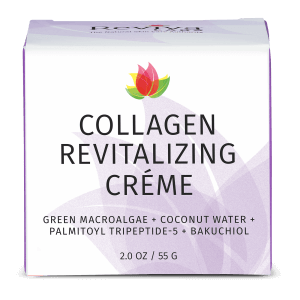 Collagen Revitalizing Créme
1 × $38.50
Collagen Revitalizing Créme
1 × $38.50 Bakuchiol Plus Serum
Original price was: $32.00.$24.00Current price is: $24.00.
Bakuchiol Plus Serum
Original price was: $32.00.$24.00Current price is: $24.00. Collagen Night Créme
$20.00
Collagen Night Créme
$20.00 High Potency Collagen Serum
$28.00
High Potency Collagen Serum
$28.00