The easiest way to miss out on better skin is to treat every cream like it does the same job. I learned this the hard way when a featherweight gel left my face tight by breakfast, even though it felt great at 9 p.m. That gap between how skin feels at night and how it behaves by morning is not a marketing trick, it is biology playing out on a clock. Skin shifts into repair mode as you sleep, while your barrier can become a little leaky and thirsty, which explains why some complexions wake up parched even in humid weather. Once you see that rhythm, the question stops being whether you need two products and becomes what you want your one nighttime formula to do that a daytime moisturizer simply cannot.
Moisturizer is a broad category, and that is part of the confusion. At its core, any moisturizer blends humectants that pull water in, emollients that smooth the skin’s surface, and occlusives that slow water loss. Some are airy gels built to disappear under sunscreen and makeup; others are creamier and more protective. Most daytime formulas are designed to be pleasant under an SPF and to behave nicely with layers, which often means a lighter sensory profile and a finish that does not migrate. You can absolutely wear many of these at night, but they were not always built for the heavier lifting your skin often needs while you sleep.
A night cream is not defined by the clock stamped on its label; it is defined by purpose. The best ones lean into evening biology by giving the barrier more cushioning, the surface more water, and the deeper layers the kind of actives that play well outside daylight. That often means a richer blend of emollients and occlusives, plus skin quieting and replenishing ingredients that support repair. Night creams also tend to avoid daytime frills like optical diffusers or heavy fragrance because there is no audience to impress at midnight. The goal is simple and practical, keep water in and help the skin reset before you greet the morning.
If you think of moisturizers as generalists, think of night creams as specialists that train for the night shift. They are not always heavier, although many are, but they are usually more intentional about buffering against overnight water loss. They may also include actives that are light sensitive or that make the most sense after sundown. Retinoids, gentle acids, and peptide complexes are common examples, and they can sit more comfortably on skin when you are not layering sunscreen and makeup over them. This is why a cream can be both a moisturizer and a night cream, but the reverse is not always true in practice.
Your skin changes after dark
Skin follows a daily rhythm, and several measurements swing in the evening. Transepidermal water loss, which is one-way scientists track how quickly skin loses water, tends to climb later in the day. That means your moisture can slip away a little faster at night, and your surface can feel more fragile than it did at 2 p.m. At the same time, many repair processes run hotter when you sleep, which is exactly when you want a formula that stays put and keeps the microenvironment calm. Put plainly, you are not imagining that night dryness, and it is smart to plan for it.
Sleep quality itself is part of the picture, and it is not just about puffiness or dark circles. In a controlled clinical study that stressed the skin barrier and then monitored how fast it healed, people who slept well showed 30 percent greater barrier recovery than poor sleepers at the 72-hour mark. That number gives weight to the idea of a solid night routine because barrier comfort and repair go hand in hand with sleep. A good formula will not fix bedtime habits by itself, but it can reduce overnight moisture loss and deliver support when your skin is doing housekeeping. I have seen even oily skin types wake looking calmer and less reactive once their night layer matched what their biology was already trying to do.
Another reason night creams feel different is temperature and microcirculation. Skin tends to be a bit warmer later in the evening, which softens lipids on the surface and makes formulas spread more easily. A cream that felt too rich at lunch can feel perfectly balanced at 10 p.m. because the skin’s environment has shifted. In that warmer window, occlusives can form a better film and humectants can hold onto the water you just gave your skin after cleansing. The net effect is simple; you give the barrier a head start.
It is also worth noting that sebum, the natural oil that can make midday skin shiny, is usually less active at night. That is helpful for two reasons. First, a richer cream has room to sit without competing with a big oil surge from your own skin. Second, actives like retinoids or gentle acids that can conflict with midmorning oil and sunscreen layers encounter fewer obstacles at night. You are not just changing when you apply a product, you are changing the conditions in which it has to work.
Formula design that matters after dark
Daytime moisturizers often chase spreadability and cosmetic elegance because they need to cooperate with SPF and makeup. Many have more volatile silicones for slip, and they balance water binding with a finish that avoids pilling under sunscreen. They may include antioxidants tuned to daylight stress and textures that disappear quickly. Night creams tend to push in a different direction, toward staying power, barrier support, and a water reservoir that does not evaporate before you fall asleep. They are also freer to use actives that make sense when UV exposure is low.
A well-built night cream layers humectants like glycerin and hyaluronic acid with emollients such as squalane, triglycerides, or jojoba esters. It is common to see a touch more occlusion from ingredients like dimethicone, shea butter, or natural waxes. That extra occlusion is not there to clog; it is there to slow down the escape of water that accelerates in the evening. When I test a night cream on the back of my hand, I look for a soft film that lingers instead of vanishing, because that is exactly what rescues me from waking tight.
Actives can flex more at night as well. Encapsulated retinol or gentle retinal alternatives, low level alpha hydroxy acids, peptides that target the appearance of lines, and barrier helpers like ceramides and cholesterol are all easier to deploy without competing with SPF. Soothing agents that reduce late night itch or redness, like allantoin, panthenol, bisabolol, and green tea components, are common too. It is a quiet, behind the scenes design brief, fewer bells, more substance, and the ability to work in peace for several hours.
Fragrance is another practical difference worth calling out. Many people tolerate a faint scent in a day cream yet find that the same note feels intrusive at bedtime. Night formulas often keep fragrance low or skip it entirely, not only to reduce potential irritation over a longer wear but also to make the ritual relaxing. Packaging sometimes shifts as well, with jars or airless pumps that favor thicker textures that do not need to vanish immediately. If a formula claims to be both day and night, read the texture and the ingredient list, not the label, and decide how it will behave in your routine.
If you are thinking this sounds heavier than you like, remember that weight and richness are not the same thing. Some of the most effective night creams feel almost bouncy because they use modern polymers and lamellar structures that mimic the way skin lipids organize. You can get more water retention without a greasy pillowcase. That is the sweet spot many of us are chasing, enough cushion to help the barrier, enough comfort to fall asleep, and no film to fight in the morning cleanse.
Who truly benefits from a separate night cream
If your skin is dry, dehydrated, or prone to feeling prickly by morning, you are the clearest candidate. A dedicated night cream gives you reliable occlusion and emollients that keep water in while you sleep longer stretches without drinking or misting. People living in heated or air-conditioned environments, especially in winter, also see the upside quickly because indoor air accelerates water loss. A richer night layer can make the difference between waking with a tight mask and waking with a calm surface that barely needs makeup.
Anyone using strong actives also gains from a clearly defined night step. Retinoids, even in moderate strengths, often pair better with a comfortable, replenishing cream that blunts dryness without smothering the active. The same is true for folks using exfoliating acids a few nights a week or for those managing seasonal sensitivity. A night cream gives you a consistent buffer and a predictable base that makes rotating treatment nights easier. It is not overkill; it is insurance for the barrier you are challenging.
Combination and oily skin may not feel instinctively drawn to the idea, yet they often benefit when texture is chosen well. A gel cream with robust humectants and a measured touch of occlusion can cut down on that stiff morning feel without aggravating pores. Look for weightless emollients like squalane and caprylic capric triglyceride rather than heavy plant butters if you are nervous about shine. The trick is not to strip at night and then try to catch up with oil during the day. A balanced night layer keeps the surface more even, which can dial down overproduction of sebum over time.
Sensitive skin is where a separate night cream can be most strategic. You can keep daytime simple with a gentle moisturizer and SPF, then use the night step to layer ingredients that reduce reactivity and build resilience. Ceramides, cholesterol, fatty acids, oat components, and panthenol are workhorses here. I like a formula that feels boring in the best way, meaning it does not tingle or flash hot and it consistently leaves the skin looking rested by morning. That is the whole point of a night cream for reactive skin, fewer surprises and a calmer baseline.
If you are very low maintenance, you can still justify a night formula by thinking of it as your one indulgence that actually pays dividends. Instead of buying three separate novelty items, choose a serious cream that shields your barrier when it is most vulnerable. You will use less serum, you will fight with your face less at 7 a.m., and you will probably enjoy washing your face at night because you know what is coming after. The ritual becomes easier to keep because it works.
How to make one cream do double duty
Plenty of people prefer to use the same moisturizer day and night, and that can work if you choose wisely and tweak the way you apply it. Favor formulas that offer a balanced mix of humectants and emollients, not just a water burst that evaporates in ten minutes. Pay attention to how your skin feels at 6 a.m., not just at application, because that is the tell. If you wake tight, your cream is either too light, or it needs help from a thin oil, or a separate occlusive balm dabbed sparingly over drier zones. You can keep your routine minimal and still avoid overnight dehydration.
Application strategy matters when you ask one cream to do both jobs. At night, apply it on skin that is slightly damp from a mist or essence to give humectants something to hold. Press instead of rubbing if you are prone to redness and give the cream a minute to settle before your head hits the pillow. In cold seasons, consider a tiny extra layer on cheeks and around the mouth where people often lose water fastest. In summer, use less and lean on humectant serums to build water without weight, then cap with the same cream. The product has not changed, but your technique has, and that can be enough.
If your daytime moisturizer includes sunscreen, do not wear it to bed. You never want to sleep in SPF, nor do you want to rely on an SPF formula for overnight comfort. If your favorite moisturizer happens to be a non-SPF version that layers beautifully under your separate sunscreen, then it can absolutely be your night layer as well. The difference is that you will apply more of it at night, and you will not dilute its effect with daytime layers. You get more mileage from one jar by treating it differently depending on the clock.
There is also an argument for alternating rather than multiplying products. You might use your everyday moisturizer most nights and keep a more occlusive rescue cream for windy days, retinoid bumps, or long flights. That way you do not commit to heavy textures every night, but you still own a formula that can prevent a rough patch from spiraling. This flexible approach can be budget friendly while still honoring what your skin needs when conditions change. It is not all or nothing.
And here is a small but meaningful tip, wash your face a little earlier. The longer your night cream sits on skin before you fall asleep, the better it settles and the less ends up on your pillowcase. Ten or fifteen extra minutes gives humectants time to pull in water and occlusives time to spread into an even film. You do not need a new product to get more from the ones you already own. You just need a head start.
Ingredient cues that signal a true night performer
When you scan a label looking for night potential, think in families rather than single heroes. Good night creams marry water binders like glycerin, hyaluronic acid, sodium PCA, or panthenol with emollients that make the surface feel supple. For the emollient part, squalane, jojoba esters, sunflower or safflower triglycerides, and lightweight synthetic esters are reliable and cosmetically elegant. Then there is the subtle but important occlusion piece from dimethicone, shea, or microcrystalline waxes that keep that water from escaping. The trio is what delivers comfort at 3 a.m., not a lone star ingredient.
If you want visible gains while you sleep, layer in actives that belong in the evening. Retinoids top the list for many, whether that is retinol or gentler next gen options that aim for similar benefits with fewer rough patches. Peptides that target the look of lines and firmness, like palmitoyl tripeptide 5 or other small sequences, are also popular at night because they do not clash with sunscreen. Low level lactic or glycolic acid can be useful in night creams when buffered well and used several times a week rather than every night. The trick is to pair these with barrier helpers so the skin wakes calm.
Sensitive or redness prone skin should prize soothing stacks. Allantoin, bisabolol, oat components, green tea catechins, and madecassoside are small things that add up over hours. A night cream should feel quiet after the first 60 seconds, no prickling or slow burn, and the surface should look slightly dewy rather than shiny. If your skin protests, it may be the fragrance or an unneeded botanical, not the entire idea of a night cream. Editing for calm can be more transformative than chasing the next big active.
Remember that “heavy” does not equal “effective,” and “light” does not equal “weak.” Many modern gels hold an impressive amount of water thanks to crosslinked hyaluronic acid and new film formers, while many buttery creams are mostly air and feel richer than they truly are. Test a pea sized amount, not a smear, and evaluate in the morning. A good night cream leaves you feeling like you need less in the day, not more. That is the metric that matters.
Finally, consider seasonality. The exact same face can crave a gel cream in August and a cream balm in January. There is no contradiction here, just different environments. Building a small wardrobe of textures is sensible if your climate swings. The difference between “moisturizer” and “night cream” can be seasonal as much as categorical, and that is perfectly fine.
Real product examples used thoughtfully
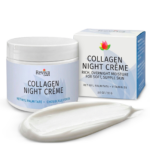
A classic night option many fans enjoy is a collagen forward cream that focuses on cushion and overnight comfort rather than daytime cosmetics. That type of formula reads like a true night product because it feeds emollients while the barrier is vulnerable and aims to leave the surface springy by morning. It is the sort of jar you reach for when heat is blasting indoors or when a new retinoid leaves your cheeks a touch scratchy. Wear it alone on easy nights or press it over a hydrating serum when you need extra help. The test is always how you feel at breakfast.
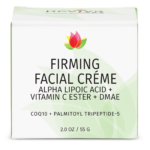
Another style that suits many routines is a firming night cream that pairs elastin friendly ingredients with supportive oils for a comfortable, slightly lifted feel by morning. People who want a little more tone without waking tight often like this approach because it fuses treatment with a cozy texture. On humid nights or for combination skin, a hyaluronic acid gel worn as an overnight layer can fill the night role without adding weight. That gel can even sit under a small dab of cream on drier patches, which is a trick I return to every winter. There is no single right answer, only right for your skin that night.
Common questions people ask themselves at the sink
Can you use a night cream in the morning. You can, but it may feel too rich under sunscreen or makeup, and you do not gain any special daytime protection from it. If you love the finish and you are not layering many products, it is not harmful, it is just not optimized for daytime needs. Can you use one moisturizer for both day and night. Yes, pick a balanced formula and adjust the amount at night, but keep a plan to add a touch of occlusion in dry seasons.
Will a night cream clog pores if you are acne prone. Not if you choose wisely and apply rationally. Look for non-greasy emollients like squalane and triglycerides and avoid heavy use of thick plant butters if those have bothered you in the past. Can a face oil replace night cream. Sometimes, but pure oils do not bind water, so pair them with a water-based serum or a lighter cream to avoid waking dehydrated.
What about a sleeping mask versus a night cream. A sleeping mask often leans more occlusive and is designed to seal in layers, which makes it a great occasional topcoat rather than a nightly replacement. Do teenagers need a separate night cream. Usually no, unless they are on drying acne treatments, in which case a simple soothing cream at night can be a skin saver. If you are pregnant or nursing, talk to your clinician before using retinoids in any night product and keep routines soothing and simple.
What this means for your routine
Night creams and moisturizers live in the same family, but they are not identical twins. A daytime moisturizer is built to play well under SPF and makeup and to keep your skin comfortable through light, heat, and activity. A night cream is built to sit longer, hold more water in place, and support the barrier and repair processes that are naturally more active after dark. You can make one jar do both roles if you are willing to adjust how much you use and how you layer it. Or you can let a dedicated night formula be your quiet workhorse that keeps your skin from running dry while you sleep.
If you are on the fence, try an experiment that costs nothing. Use your current moisturizer at night for a week but apply more on damp skin and add a pea sized second pass to the driest spots. Then compare that week to a week using a well formulated night cream with stronger humectants and a touch more occlusion. Pay attention to how your face feels before washing in the morning and how makeup sits on top afterward. Most people can tell which week served them better, and that answer settles the question for their skin, not someone else’s.
And remember, sleep is part of the potion. Your nightly product choice and your bedtime habits both influence how your skin behaves. When a good night cream meets a good night of rest, the results add up in a way you can see and feel. That is not hype, it is a practical way to help your barrier when it needs it most. Build your routine around that simple truth and the rest becomes easy.
As a long time natural skin care fan I discovered Reviva Labs many years ago. After buying and using Reviva products for several years, I started contributing to Reviva Labs' blog in 2015.



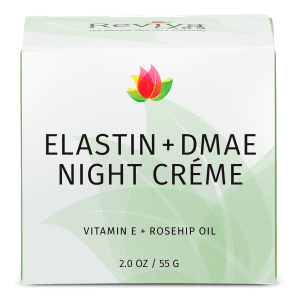 Elastin + DMAE Night Créme
1 × $20.00
Elastin + DMAE Night Créme
1 × $20.00 Reviva Labs Catalog 1 × $0.00
 Firming Facial Créme
$28.00
Firming Facial Créme
$28.00 Antioxidant Day Créme
$28.00
Antioxidant Day Créme
$28.00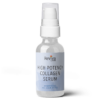 High Potency Collagen Serum
$28.00
High Potency Collagen Serum
$28.00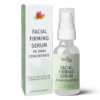 Facial Firming Serum (5% DMAE Concentrate)
$24.00
Facial Firming Serum (5% DMAE Concentrate)
$24.00