
Natural, Reviva Labs, Skin Care
The Complete Lip Care Routine for Soft Healthy Lips
Mar
Understanding Why Lips Require Special Care
The structure of lip skin explains why dryness occurs so easily. Lips contain far fewer sebaceous glands than facial skin, which means they produce little natural oil. Oil normally helps skin maintain flexibility and protect against environmental stress. Without that support, lips lose moisture rapidly and become vulnerable to irritation. This biological difference explains why lips often crack even when the rest of the face feels comfortable.
Environmental exposure adds another challenge. Lips sit at the center of the face and remain exposed to air movement, temperature changes, and sunlight throughout the day. Cold wind pulls moisture from the skin surface while indoor heating removes humidity from the air. Even simple activities such as speaking, eating, or wiping the mouth create friction. Each small stress slowly weakens the moisture barrier.
Ultraviolet exposure creates additional risk. Dermatology researchers note that lips contain less melanin than most facial skin, leaving them less protected from sun damage. Over time, repeated sun exposure contributes to dryness, discoloration, and rough texture. Many people never apply sun protection to their lips even though they apply sunscreen everywhere else. A complete lip care routine corrects that oversight and provides consistent protection.
Another common contributor involves personal habits. Lip licking, biting, and picking dry skin create a cycle that worsens irritation. Saliva evaporates quickly and removes moisture from the skin surface. This leaves lips drier than before and encourages further licking. Breaking that cycle becomes easier when lips remain consistently hydrated and comfortable.
How to Care for Lips with a Daily Lip Care Routine
A daily lip care routine focuses on prevention rather than repair. When lips remain hydrated and protected, they rarely reach the painful stage of cracking or peeling. The routine begins each morning as part of the broader skincare process. Start by rinsing the lips gently with lukewarm water while washing your face. Hot water strips moisture and should be avoided.
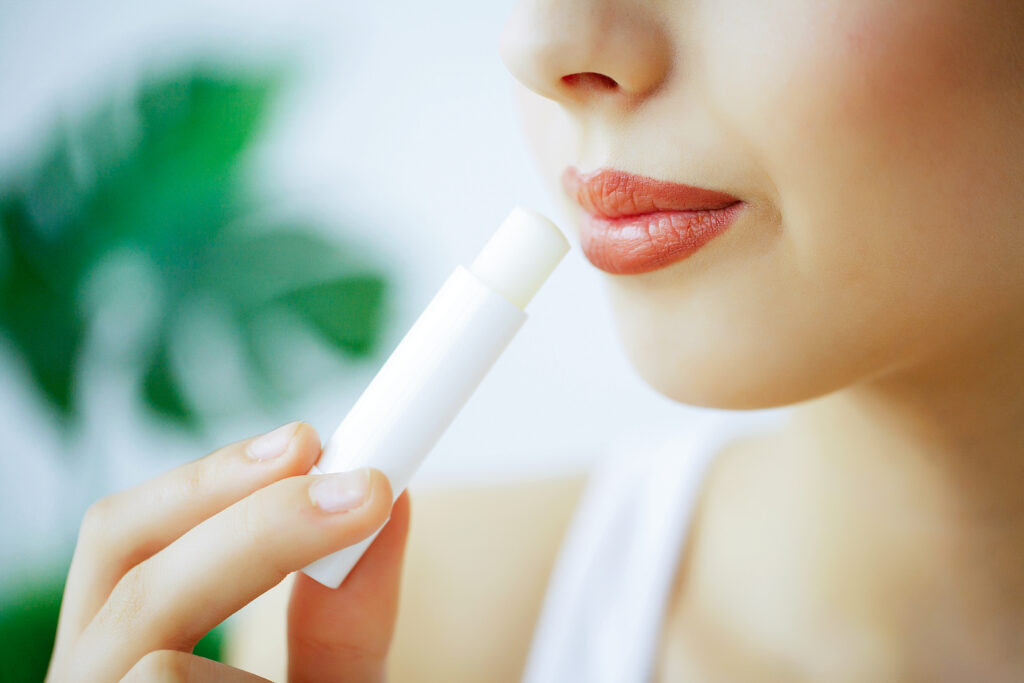
After cleansing, pat the lips dry rather than rubbing them with a towel. Friction damages the delicate surface and worsens dryness. Applying a nourishing lip balm immediately afterward helps trap moisture in the skin. Ingredients such as vitamin E, natural oils, and protective waxes help soften the lips and support their barrier. The goal is to create a protective layer before environmental exposure begins.
Sun protection deserves attention within daily lip care. Lips burn easily due to their thin skin and low melanin content. Applying a protective lip product before leaving the house helps shield lips from ultraviolet radiation. This small step reduces long term damage and prevents dryness caused by sun exposure.
Reapplication throughout the day maintains hydration. Eating, drinking, and speaking slowly remove lip products from the surface. Waiting until lips feel dry means the barrier has already weakened. Applying lip balm periodically keeps the lips comfortable and prevents moisture loss. Consistency forms the foundation of effective daily lip care.
Exfoliation and Smoothing in a Lip Care Routine
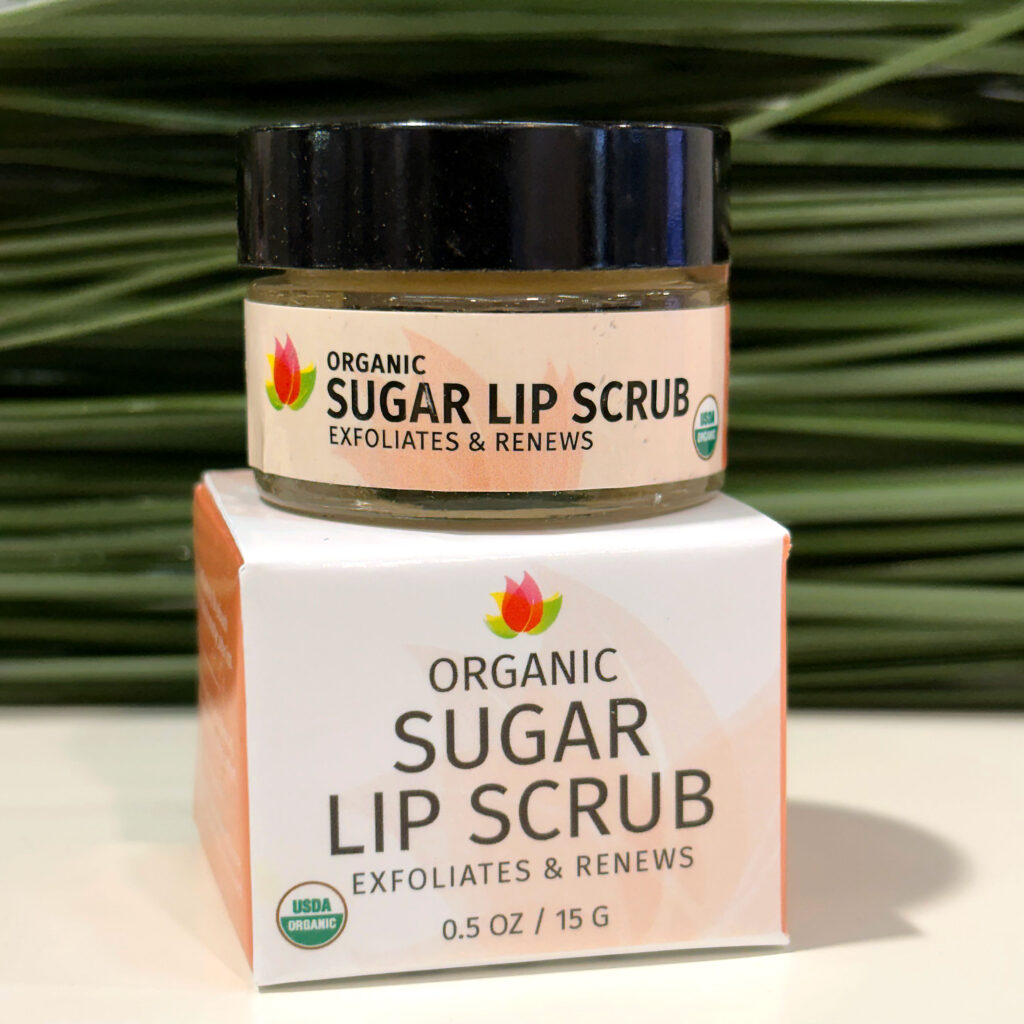
Smooth lips require occasional exfoliation. Dead skin cells accumulate on the lip surface over time and create rough texture. This buildup prevents lip treatments from absorbing effectively. Removing these dry flakes allows nourishing ingredients to penetrate the surface more easily.
A gentle lip scrub works well for this purpose. Sugar based scrubs remain popular because sugar crystals dissolve quickly and provide mild physical exfoliation. Oils included in the scrub help soften the lips during the process. The goal is to lift away dry skin rather than aggressively scrub the surface.
Frequency matters more than intensity. Exfoliating once or twice per week keeps lips smooth without causing irritation. Excess exfoliation damages the protective barrier and leads to more dryness rather than less. A light touch with a scrub or damp washcloth works best.
After exfoliation, lips absorb hydration more efficiently. Applying a nourishing balm or treatment immediately afterward helps seal moisture into the fresh surface. This step restores softness and prevents dryness from returning. A balanced lip care routine includes exfoliation as a supportive step rather than a daily habit.
Nighttime Lip Care for Deep Hydration
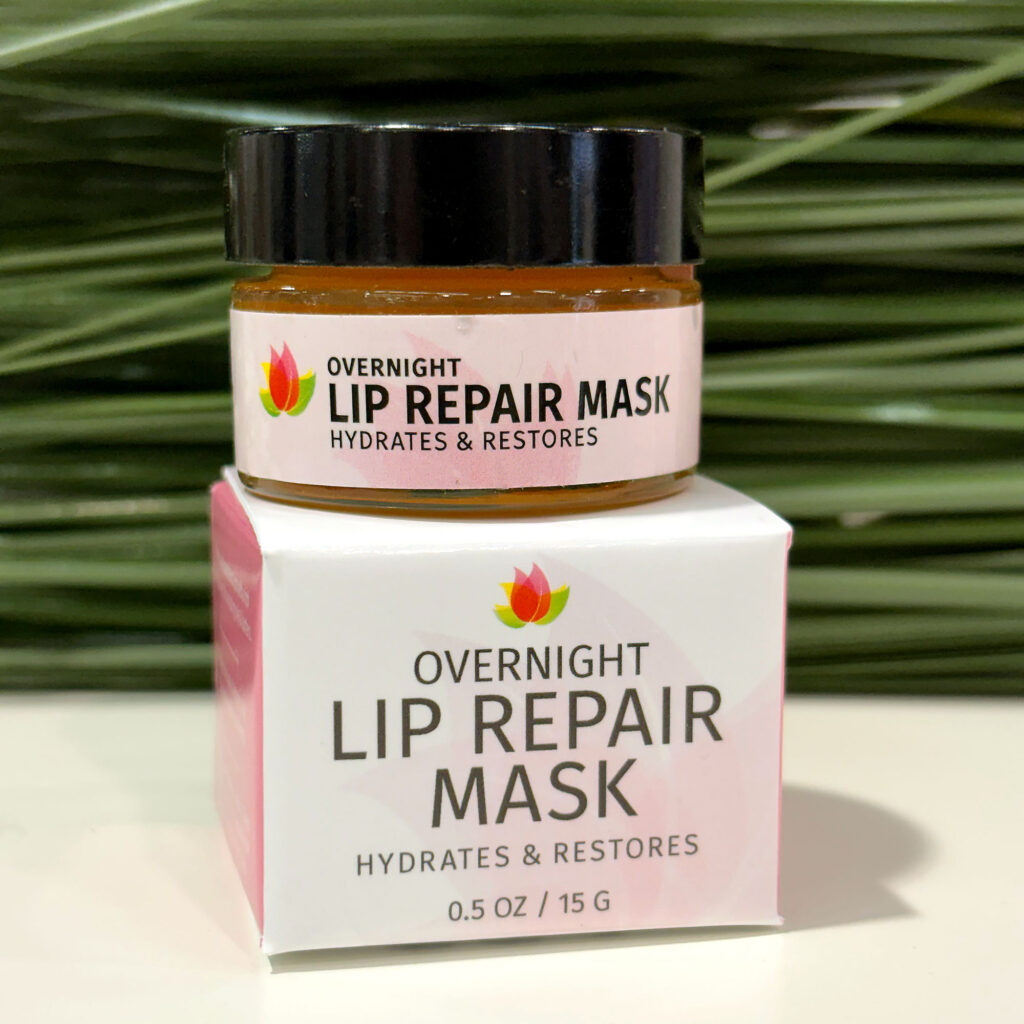
Nighttime provides the best opportunity for lip repair. During sleep the body increases cellular renewal and skin recovery. Lips benefit greatly from richer hydration applied before bedtime. Evening lip care helps replenish moisture lost throughout the day.
Begin nighttime care by removing lipstick, sunscreen, or environmental residue. Gentle cleansing ensures treatment products contact the skin directly. Once the lips are clean and dry, apply a thicker lip treatment or overnight mask. These formulas typically contain nourishing oils, antioxidants, and occlusive ingredients that seal moisture.
The overnight period allows these ingredients to work without interruption. Lips remain protected from environmental exposure while they absorb hydration. Many people wake up with noticeably softer lips after a single night of proper care. Repeating this step regularly strengthens the lip barrier and prevents recurring dryness.
Nighttime lip care also helps people break the habit of licking dry lips. When lips remain deeply hydrated overnight, they feel comfortable the next morning. This reduces the urge to lick or pick at dry skin. Over time the lips maintain softness without constant daytime attention.
How to Care for Lips in Harsh Weather
Weather plays a significant role in lip health. Winter often produces the most severe dryness because cold air holds less moisture. Indoor heating removes additional humidity from the air, creating conditions that dehydrate skin quickly. Lips become especially vulnerable under these conditions.
A winter focused lip care routine emphasizes protection. Rich balms containing waxes and nourishing oils form a protective barrier against wind and dryness. Applying balm before going outdoors helps prevent moisture loss during exposure to cold air. Reapplication becomes necessary after extended time outside.
Summer introduces a different challenge. Sun exposure increases significantly during warmer months, and lips remain highly vulnerable to ultraviolet radiation. Using a lip balm with sun protection reduces damage and prevents the dryness caused by sunburn. Reapplication becomes important after swimming or sweating.
Air travel also affects lip hydration. Aircraft cabins maintain extremely low humidity levels. Applying balm before boarding and during the flight helps prevent severe dryness. A consistent lip care routine adapts easily to these environmental changes.
Ingredients That Support Healthy Lips
Effective lip care products rely on ingredients that support moisture retention and barrier protection. Vitamin E remains one of the most widely recognized ingredients for lip hydration. It acts as both an antioxidant and an emollient, helping soften skin while supporting repair. These qualities explain why vitamin E often appears in lip treatments designed to soothe dry or cracked lips.
Natural oils also play an important role. Oils such as castor oil, olive oil, and plant derived butters help replenish moisture lost during the day. These ingredients create flexibility within the lip surface and prevent the stiffness that leads to cracking. Waxes provide additional protection by forming a barrier that slows moisture loss.
Beeswax and similar ingredients help lock hydration into the skin. They create a breathable shield that protects lips from wind and dryness without blocking natural repair processes. A formula combining oils, waxes, and antioxidants often delivers the best results.
One example appears in Reviva Labs Vitamin E Oil E Stick Lip Balm, which uses a beeswax base combined with vitamin E, nourishing oils, and allantoin to help protect and rehydrate dry lips. The blend of protective waxes and soothing ingredients supports healing while softening the surface of the lips. This type of balanced formulation illustrates how lip care products work most effectively when multiple ingredients support hydration and protection together.
Daily Lip Care Habits That Maintain Soft Lips
Healthy lips depend on small daily habits as much as products. Hydration remains the most important internal factor. Drinking adequate water supports skin hydration throughout the body, including the lips. Dehydration often shows on the lips before it appears elsewhere.
Avoiding irritation helps preserve the lip barrier. Picking or biting dry lip skin may feel satisfying in the moment but worsens irritation and slows healing. Gentle treatment allows the delicate skin to repair itself naturally. Consistent hydration reduces the urge to pick or bite.
Cosmetics also influence lip health. Matte lipsticks and long wear formulas often contain ingredients that dry the lips. Applying lip balm before lipstick creates a protective base layer. Removing makeup gently at the end of the day prevents residue from irritating the skin.
Indoor humidity plays a role as well. Running a humidifier during dry seasons helps maintain moisture levels in the air. Skin retains hydration more effectively when humidity levels remain balanced. This simple environmental adjustment supports daily lip care efforts.
Long Term Benefits of a Consistent Lip Care Routine
Soft healthy lips rarely happen by accident. They result from consistent care that protects and nourishes delicate skin over time. A thoughtful lip care routine works much like a facial skincare routine. Prevention, maintenance, and repair all play important roles.
Morning protection shields lips from environmental stress. Daytime hydration maintains comfort and flexibility. Nighttime treatments restore moisture and support repair. Each step reinforces the others and prevents the cycle of dryness and cracking.
When practiced consistently, these habits transform lip health. Lips remain smoother, softer, and more resilient against weather and environmental stress. Even people who struggle with chronic dryness often notice dramatic improvement within weeks of adopting a routine.
The real advantage lies in comfort. Healthy lips feel flexible rather than tight or irritated. Smiling, speaking, and eating become easier when lips remain smooth. A complete lip care routine creates lasting improvement that extends beyond appearance.