
Clean Beauty, Natural, Reviva Labs, Skin Care
What Hot Weather Actually Does to Oily and Combination Skin

Jun
Sebum production rises by roughly 10 percent for every one-degree increase in skin temperature – a figure confirmed by a study in the British Journal of Dermatology as far back as 1970 and since replicated in more recent clinical work. That single statistic explains a lot. It explains why your T-zone turns into an oil slick by noon in July. It explains why your chin breaks out every August even though your diet hasn’t changed. And it explains why the cleansing habits that worked fine in March suddenly feel completely inadequate come summer. If you have oily or combination skin, the season is working against you in a very specific, measurable way. The good news is that knowing the mechanism gives you a real edge over the problem.
Hot weather does more than crank up sebum output. Sweat production increases alongside it and sweat and sebum do not mix gracefully on the skin’s surface. Because oil and water repel each other, sebum sits on top of sweat in visible droplets, making the face appear even shinier than the actual oil load warrants. Add the dust, pollution particles, and sunscreen residue that stick to that tacky surface throughout the day, and you have a recipe for clogged pores, bacterial overgrowth, and the breakouts that follow. For combination skin, the situation gets more complicated still. The T-zone behaves like true oily skin, producing excess sebum in response to heat, while the cheeks and other drier zones can actually become more dehydrated from air conditioning and repeated sun exposure. Managing both conditions on the same face – at the same time – requires a more deliberate cleansing approach than most people default to.

Why Cleansing More Is Not the Answer
The instinct, when your skin feels oily and congested, is to wash it more often. It makes intuitive sense. But dermatologists have been pushing back on this logic for years, and the science supports their position. Over-cleansing – defined as washing more than twice a day or using harsh, high-pH formulas – strips the skin’s natural lipid barrier, the thin protective layer of ceramides, fatty acids, and natural moisturizing factors that sits at the top of the stratum corneum. When that barrier is compromised, two things happen that both make the oily skin problem worse. First, the skin senses the disruption and responds by ramping up sebum production to compensate – what dermatologists call rebound sebum production. Second, the barrier becomes less effective at keeping water in, so the skin becomes simultaneously oily and dehydrated. You end up with that classic combination-skin nightmare: a greasy T-zone sitting on top of tight, flaky cheeks.
The American Academy of Dermatology has identified over-cleansing and over-exfoliating as among the most common causes of barrier disruption, particularly in acne-prone individuals. This is not a fringe position. It is the mainstream dermatological consensus, and it has practical implications for how you approach your summer routine. Washing three or four times a day because your skin feels greasy by midday is more likely to extend the problem than solve it. The goal is not to eliminate oil – your skin needs a degree of sebum to stay healthy and resilient – but to remove the excess without disturbing the ecosystem underneath.
That said, twice-daily cleansing in hot weather is both appropriate and necessary. The morning cleanse removes overnight sweat, the natural oil that has accumulated since your evening routine, and any residue from overnight skincare products. The evening cleanse does the heavier work: it clears away sunscreen, makeup, the day’s pollution load, and the sebum-sweat mix that has built up through the heat. Skipping either cleanse in summer, particularly the evening one, leaves that mix on the skin surface for hours. Sebum oxidizes over time and contributes to the formation of comedones. Sunscreen residue, if left on overnight, is a well-documented pore-clogger. Two careful cleanses, properly executed, accomplish far more than three or four careless ones.

Which Cleanser Formula Actually Works in the Heat?
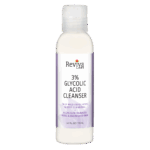
Gel cleansers are the most broadly recommended format for oily and combination skin in warm weather, and the reasoning is straightforward. Gel formulas are water-based, lightweight, and effective at dissolving water-soluble impurities like sweat, environmental debris, and lighter skincare residue without relying on heavy emollients or oils. For the T-zone and oilier areas of the face, a gel cleanser with salicylic acid – a beta hydroxy acid – offers a meaningful advantage. Salicylic acid is oil-soluble, which means it can penetrate into the follicle itself rather than just cleaning the surface. It dissolves the mix of dead skin cells and sebum that forms inside the pore, reducing the likelihood of blockages forming. At the one to two percent concentrations found in most over-the-counter cleansers, it provides gentle, ongoing exfoliation without the irritation risk of stronger exfoliants.
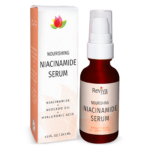
Niacinamide – vitamin B3 – is another ingredient worth looking for in summer cleansers and any products that follow them. It has been shown to reduce sebum production over time, minimize the appearance of pores, and calm the low-grade inflammation that often accompanies oily or acne-prone skin. Unlike salicylic acid, it is gentle enough for the drier zones of combination skin, making it a rare ingredient that works across the whole face rather than just the T-zone. A cleanser or micellar water containing niacinamide can be particularly useful as the morning step, when the goal is refreshing the skin without applying the stronger actives that belong in an evening routine.
Foaming cleansers are popular with oily skin types but deserve a word of caution in summer. Many traditional foaming cleansers use sulfate-based surfactants – sodium lauryl sulfate and its relatives – that produce a satisfying lather by aggressively stripping surface oils. They can feel deeply clean in the moment, but the pH they leave behind is typically too alkaline for the skin’s acid mantle, which should sit around pH 4.5 to 5.5. Research published in the Journal of Investigative Dermatology has shown that disrupting this pH range directly impairs the skin’s permeability barrier and its ability to regulate moisture. If you prefer a foaming formula, look for one that specifies it is sulfate-free or pH-balanced, and pay attention to how your skin feels in the hour after washing. If it feels tight, it is almost certainly being over-stripped.

Does Micellar Water Have a Place in a Summer Routine?
Micellar water earned its reputation in French pharmacies as a gentle, no-rinse cleanser designed for city-dwellers who needed to remove pollution and light makeup without access to running water. The mechanism is elegant: tiny spherical structures called micelles, formed by surfactant molecules in soft water, attract and trap oil and dirt on one side while remaining suspended in water on the other. When you wipe a cotton pad across the skin, the micelles lift impurities away without aggressive rubbing. The result is a clean skin surface without significant pH disruption or barrier damage. For oily and combination skin in summer, this makes micellar water a genuinely useful morning option on days when you are not wearing heavy makeup or high-SPF sunscreen.
The limitations are worth knowing, though. Micellar water alone does not provide the deeper follicular cleaning that a gel or foaming cleanser with active ingredients can. Dermatologists are generally consistent on this point: if you have oily or acne-prone skin, micellar water works well as a first step or as a standalone morning rinse on minimal-product days, but the evening cleanse should still involve a proper rinse-off cleanser that goes deeper. The exception worth noting is for those who have been over-cleansing and are actively trying to let their barrier recover. A week or two of gentler micellar water mornings, followed by a single evening gel cleanse, can give the skin time to rebalance before returning to a more active routine. For combination skin specifically, some dermatologists suggest a targeted approach: use a micellar formula on the drier cheek zones during the morning cleanse, and a more thorough gel formula on the T-zone only.
Temperature of the water you use to rinse matters more than most people realize. Hot water expands pores temporarily and strips the natural lipid layer faster than cool water does – and in summer, the instinct to splash cold water on a hot face is actually the right one. Lukewarm or cool water rinses are best. They remove cleanser residue without additional barrier disruption, and the slight cooling sensation temporarily reduces surface sebum viscosity, making it easier to remove. Finishing with a gentle cool rinse is a small habit that costs nothing and consistently gets underrated in cleansing advice.

What About Double Cleansing When Wearing Sunscreen?
Sunscreen is non-negotiable in summer, but mineral sunscreens in particular – those based on zinc oxide or titanium dioxide – can be genuinely difficult to remove with a single cleanse. The particles sit on the surface of the skin rather than absorbing into it, and a single pass with a gel cleanser may not lift them completely. The same applies to long wearing or waterproof formulations of any kind. Leaving sunscreen residue on the skin overnight is a real problem: it can contribute to the formation of comedones, and the occlusive film it creates prevents any actives in your nighttime routine from penetrating properly. For oily skin types who are inclined to avoid oil-based products on principle, this is one situation where a light first cleanse with an oil-based balm or micellar water makes good practical sense.
Double cleansing – an oil-based or micellar first step followed by a gel or gentle foaming second step – is most useful in the evening and most necessary when you have worn heavy sunscreen, makeup, or both. In the morning, when the skin has only overnight products and sweat to clear, a single well-chosen cleanser is sufficient. The concern sometimes raised about double cleansing is that it over-strips the skin barrier, and that concern is valid if both cleanser steps are harsh. But when the first step is gentle – a cleansing oil that emulsifies, or a micellar water used with a soft touch – and the second is a pH-appropriate gel, the total barrier impact is generally no worse than a single aggressive cleanse. The key word is gentle. Double cleansing is a two-step removal process, not an excuse to use two stripping formulas back-to-back.

How Does Cleansing Strategy Change for Mature Skin?
For women and men over 50 with oily skin or combination skin, the summer cleansing equation has an additional variable: the skin barrier thins naturally with age, and sebaceous gland activity – while often still higher in historically oily skin types – can also begin to shift in ways that are less predictable than in younger decades. Some mature skin types find that summer heat still triggers significant oiliness in the T-zone, while the cheeks and eye area are increasingly prone to dryness and sensitivity. The barrier is simply less resilient to aggressive cleansing than it was at 30.
The practical adjustment for mature oily and combination skin is to lean toward the gentler end of the cleanser spectrum, even in summer. A mild gel or gel-cream formula without strong actives may serve better in the morning than a salicylic acid foamer, reserving the more active ingredients for the evening step where they have longer contact time without the risk of daytime dryness or sun sensitivity. Niacinamide remains an excellent all-zones ingredient at any age. For the eye area and the thinner skin of the cheeks, micellar water applied with a light hand is often a better morning option than a full-face gel cleanse that can pull and irritate. Summer heat does not change the fundamental principle: mature skin needs thorough cleansing in the evening and gentler care in the morning, with careful attention to any signs of barrier stress – tightness, redness, or sudden sensitivity to products that have been used comfortably for months.
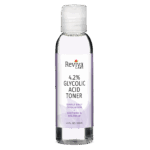
One change worth considering for mature oily skin in summer is the timing of exfoliating actives. Salicylic acid, glycolic acid, and other chemical exfoliants can increase photosensitivity when used in the morning routine, and in high summer, when UV exposure is at its peak, this is a meaningful concern. Moving these ingredients to an evening product – whether a leave-on serum or a targeted toner used after cleansing at night – is a small scheduling adjustment that reduces the risk of irritation and hyperpigmentation. Many dermatologists recommend this regardless of age, but it is particularly relevant for skin that is managing the double challenge of ongoing oiliness and the slower cell turnover that comes with getting older.

The Habits That Support Cleansing and the Ones That Undermine It
Cleansing does not happen in isolation. A few surrounding habits have an outsized effect on how well even the right cleanser performs. The most common mistake among oily skin types in summer is face-touching. Hands carry bacteria and transfer oils from other surfaces to the skin throughout the day, feeding the pore-clogging cycle that cleansing is trying to interrupt. Midday blotting papers or a gentle mineral-setting powder can reduce shine between cleanses without adding product to the skin, and they require no hand contact with the face. A clean, microfiber or soft cotton towel used specifically for the face – and changed regularly – matters more than most people think. Towel-sharing or using the bathroom hand towel on the face introduces bacterial contamination that no cleanser can fully compensate for.
Post-exercise cleansing is another summer-specific consideration. Sweat that sits on the skin surface for an extended period after a workout – mixed with SPF, pollution, and any products applied before exercise – creates ideal conditions for bacterial proliferation and pore blockages. The recommendation to cleanse promptly after sweating is not perfectionism; it reflects what happens chemically on a hot, oily skin surface when that mix is left in place. This does not necessarily mean a full two-step evening cleanse after every gym session. A quick rinse with cool water and a very gentle cleanser, followed by a lightweight toner or mist, is enough to reset the surface without counting as an additional full cleanse for barrier purposes.
Moisturizer after cleansing is not optional for oily skin in summer – it is part of the cleansing strategy. This point consistently surprises people. Skipping moisturizer because the skin already feels oily leads directly to dehydration, and dehydrated skin signals the sebaceous glands to produce more oil. The solution is not a heavy cream but a lightweight, oil-free gel moisturizer or hydrating serum – something with hyaluronic acid or glycerin that adds water to the skin without contributing additional lipids. Applying this immediately after cleansing while the skin is still slightly damp improves absorption and reduces the chances of dehydration-triggered rebound oiliness throughout the day.
Frequently Asked Questions
Is it okay to cleanse three times a day in summer if I exercise at midday?
A rinse with cool water or a very gentle, non-stripping cleanser after exercise is reasonable in summer. What you want to avoid is using an active cleanser – one with salicylic acid, glycolic acid, or a strong surfactant – three times a day. Save those for your morning and evening steps. A midday rinse with water alone, or with a very mild micellar formula, keeps the skin clean without adding a third round of barrier stress.
Can I use the same cleanser all over my face if I have combination skin?
Many people do and get acceptable results, but a zone-specific approach works better in summer. A gel or foaming formula with salicylic acid on the T-zone and a gentler micellar or hydrating gel on the cheeks addresses the two different problems without over-drying the areas that do not need deep oil control. If a single cleanser is more realistic for your routine, choose a gentle gel without high concentrations of actives and use a targeted toner on the T-zone afterward.
My skin still looks oily an hour after I cleanse. Am I using the wrong cleanser?
Not necessarily. Rebounding oiliness shortly after cleansing can be a sign that the cleanser is too stripping and the sebaceous glands are compensating. It can also simply reflect the underlying oil production that hot weather drives. Try switching to a gentler formula for a week and see if the rebound improves. If it does, your current cleanser is too aggressive. If it does not change, the issue is likely environmental – heat and humidity – and a mattifying toner or niacinamide serum applied after cleansing will help more than a stronger cleanser would.
Do I need a separate cleanser for morning and evening in summer?
It helps, but it is not essential. If you use one cleanser for both steps, make the morning application lighter – less product, less time on the skin, more gentle pressure – and the evening application more thorough. If budget allows two products, a micellar water or gentle gel for mornings and a salicylic acid gel for evenings is a well-supported combination for summer oily and combination skin.
Will using a cleansing brush improve my summer cleansing results?
For some people, yes – a soft silicone cleansing brush can improve product distribution and remove impurities more thoroughly than hands alone. The risk is over-use. Daily mechanical cleansing with a brush, added to an already active cleanser, can accelerate barrier disruption. If you use a cleansing device, limit it to once a day at most, use it with a gentle cleanser rather than an active formula, and watch for signs of sensitivity. In summer, when the skin is already under more stress from heat and UV, less is usually more.
Summer does not require a complete overhaul of your skincare routine. It requires an honest look at what your cleanser is actually doing – and whether your instincts around oil control are helping or quietly making the situation worse. The skin’s response to heat is predictable and measurable. The sebaceous glands produce more oil. The barrier becomes more vulnerable to disruption. The overlap of sweat, SPF, and pollution creates a surface environment that needs careful management. Getting the cleansing step right – the right formula, the right frequency, the right temperature, and the right follow-through – is the single change that sets up everything else in your hot-weather routine to work properly. It is less glamorous than a new serum or a corrective treatment, but it is where real summer skin management begins.