
Clean Beauty, Natural, Reviva Labs, Skin Care
Humidity Does Not Cause Large Pores
Jun
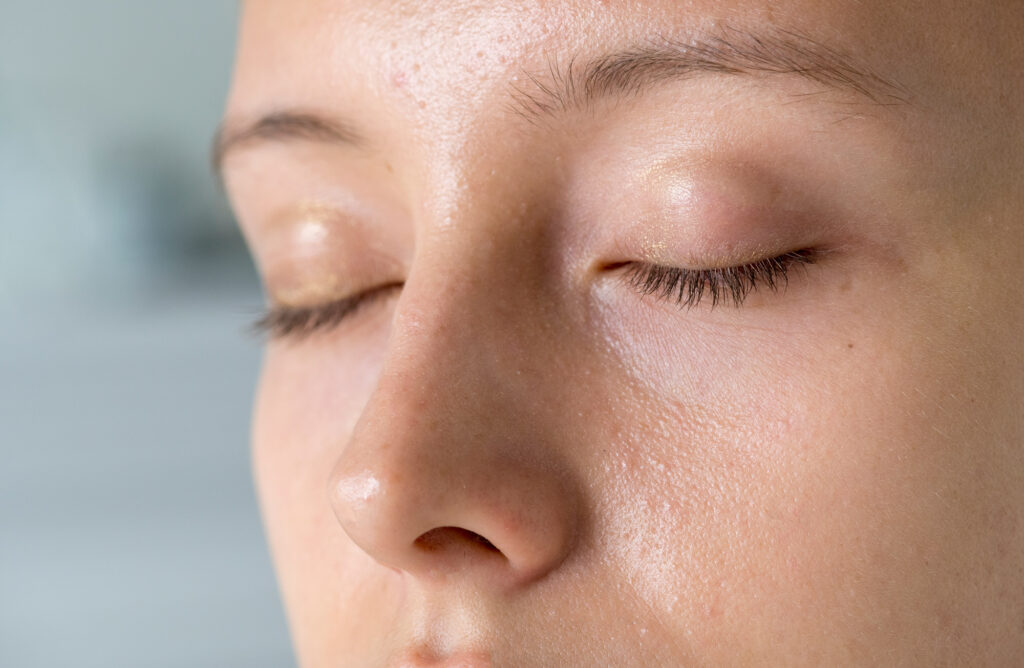
Step outside on a hot, humid morning, check your reflection an hour later, and your pores can appear more noticeable than they did indoors. Your face looks shinier. Makeup has started settling around your nose. The texture across your cheeks seems less even. It feels reasonable to blame the weather, but humidity does not suddenly stretch your pores or permanently make them larger.
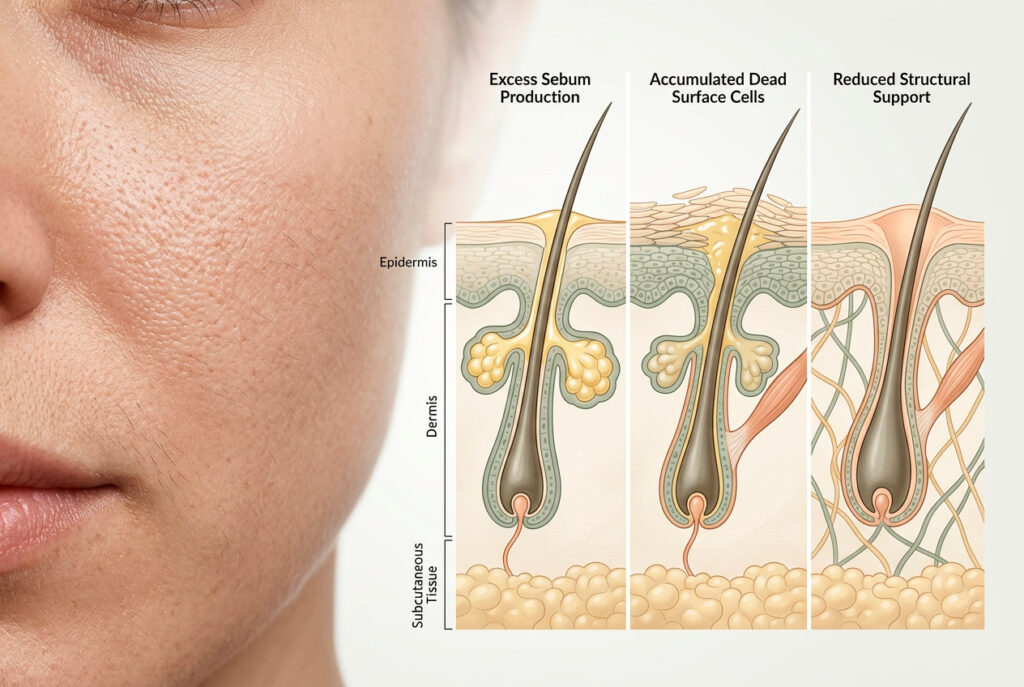
Visible facial pores have several recognized influences, including genetics, sebum production, hair-follicle size, acne history, sun exposure, and declining skin elasticity. A clinical review published in Dermatologic Surgery identified three major causes of enlarged-looking facial pores: high sebum output, reduced elasticity around the pore, and increased hair-follicle volume. Humidity did not make the list. Weather can change how oily, sweaty, or reflective your skin looks, but it does not rewrite your pore structure during an afternoon outdoors.
The distinction matters because treating the wrong cause often leads to the wrong routine. Someone who assumes humidity has enlarged her pores might scrub harder, cleanse four times a day, skip moisturizer, or cover the area with drying clay products every evening. Those habits can leave skin irritated, tight, flaky, and even shinier. A better approach starts with a basic fact: you cannot erase pores, but you can keep them clear, support the skin around them, and reduce how strongly they stand out.
Why Pores Exist in the First Place
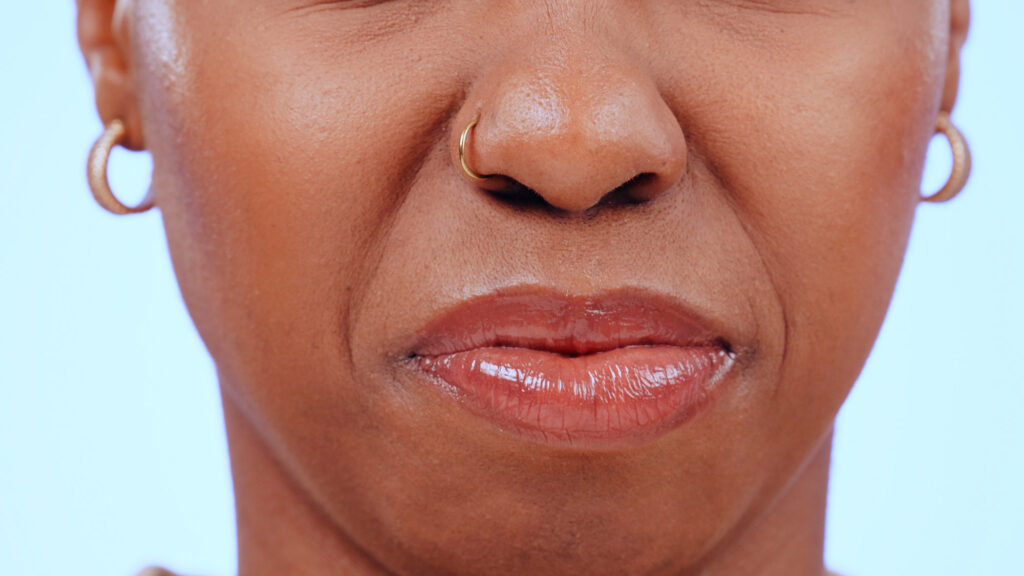
Pores are normal openings in the skin. Many visible facial pores connect to hair follicles and sebaceous glands, which release sebum onto the surface. Sebum helps lubricate the skin and supports its protective barrier. The pores around the nose, inner cheeks, forehead, and chin often look more prominent because those areas contain a greater concentration of active oil glands.
Your pore pattern also has a genetic component. Some people naturally have smaller-looking follicles, while others see more visible openings even when their skin stays clear and balanced. Hormones can influence oil production, which helps explain why pores often become more noticeable around puberty and during periods of hormonal change. None of this means your skin is dirty or poorly maintained. Pores do not contain muscles that open when you feel hot and close when you feel cold. Warm water can soften surface oil and make cleansing easier, while cool water can briefly make skin feel tighter. Neither one permanently changes the physical size of a pore. Ice rollers, chilled spoons, and cold rinses can create a temporary tightening effect, but the pore’s underlying structure stays the same.
The same principle applies to steam. Steam can soften oil, dead cells, and other material near the surface, which can make extraction or cleansing easier. It does not open a sealed door in your skin. Excessive steaming can also increase redness and discomfort, especially for sensitive or reactive complexions. Use warmth for comfort and gentle cleansing, not as a pore-resizing treatment.
Why Humidity Gets Blamed
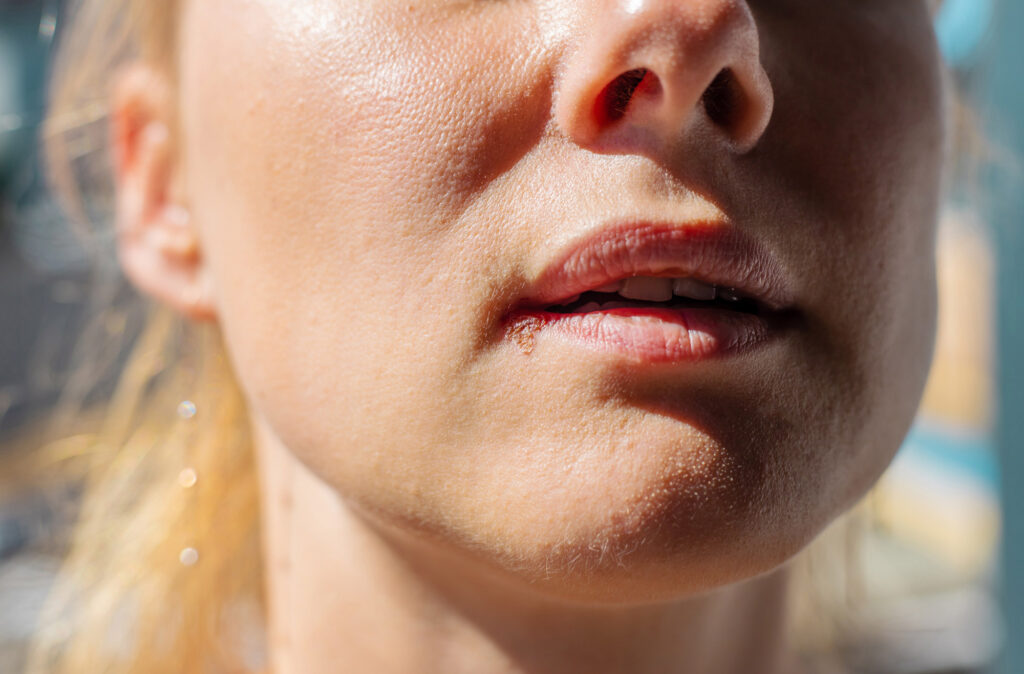
Humidity changes the environment around your skin. Sweat evaporates less efficiently when the air already holds a high amount of moisture. Sebum, sunscreen, makeup, and perspiration can remain on the surface longer, creating more shine and a heavier feel. Light reflects differently from oily skin, making every dip, opening, and patch of texture appear more defined.
A humid day also affects how products wear. A rich cream that feels comfortable in January can feel heavy in July. Foundation can separate around the nose. Powder can gather where oil and perspiration collect. These changes make pores look more obvious in the mirror, even though the actual follicular openings did not suddenly expand.
People also touch or blot their faces more often in muggy weather. Repeated rubbing can disturb sunscreen, shift makeup, and irritate the surface. Harsh cleansing after a sweaty day can add another layer of trouble. The result is uneven texture, redness, shine, and dehydration, all of which draw attention to pores. Hot, humid conditions can increase surface oiliness for some people, so weather still plays an indirect role in pore appearance. More sebum can mix with dead skin cells and cosmetic residue. When that material collects inside a follicle, the opening looks darker, fuller, and wider. Humidity did not create a new large pore, but the conditions made an existing pore more visible.
What Actually Makes Pores Look Larger
High sebum production ranks among the clearest factors. Oil can fill the follicle, combine with shed skin cells, and make the opening look more pronounced. This effect often appears across the nose and center of the face. Oily skin does not need punishment, though. It needs consistent cleansing and measured exfoliation.
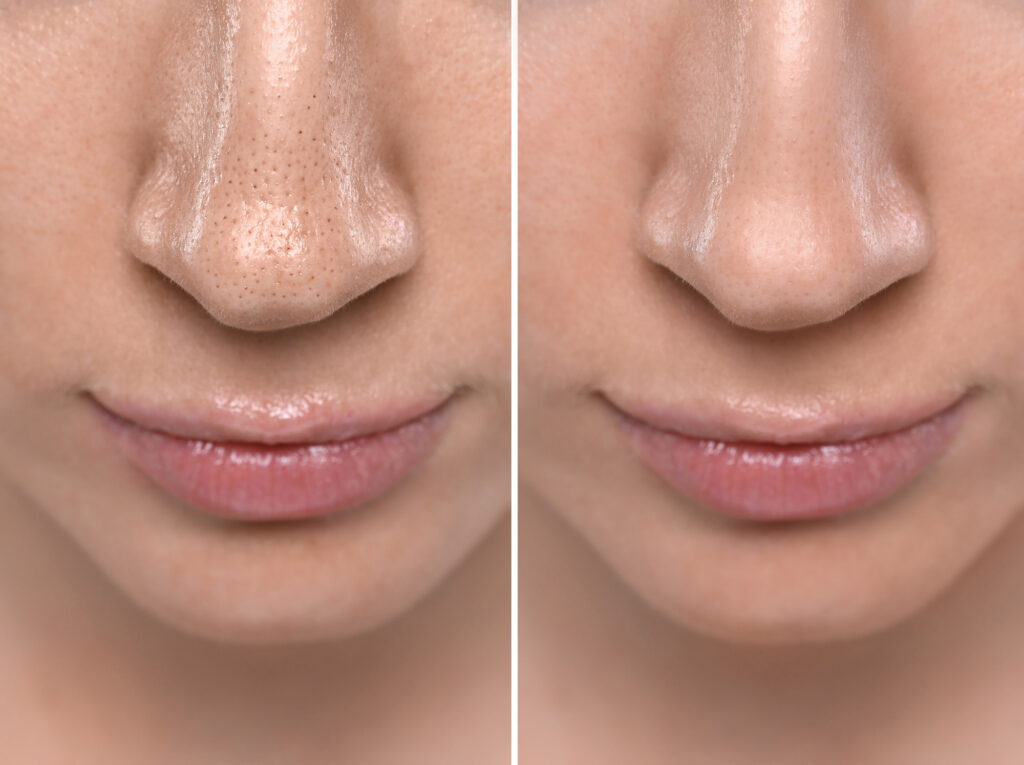
Clogged pores can also appear wider because accumulated material stretches and darkens the opening. Some of the tiny gray or tan dots on the nose are sebaceous filaments rather than blackheads. Sebaceous filaments help guide oil to the skin’s surface and form a normal part of healthy skin function. Aggressively extracting them offers brief visual satisfaction, but they fill again because the skin still needs to move sebum.
Blackheads differ from sebaceous filaments. A blackhead forms when oil and dead skin create a plug inside a follicle and the exposed material oxidizes. The dark color does not come from dirt. Gentle exfoliating ingredients can help keep these plugs from forming, while squeezing often causes redness, swelling, and damage around the pore. Reduced skin elasticity also changes pore appearance. Collagen and elastin help provide support around follicular openings. As those support structures weaken with age and cumulative sun exposure, pores can look more elongated or relaxed. This explains why someone with dry mature skin can have visible pores without producing excessive oil.
Acne history adds another factor. Repeated inflammation can alter the tissue around follicles, while acne scarring can create depressions mistaken for large pores. Treating active breakouts early and avoiding picking helps protect the surrounding skin. Deep or persistent acne often needs professional care rather than a stronger home scrub.
The Difference Between Pore Size and Pore Appearance
Skincare advertising often promises to shrink, close, erase, or tighten pores. Those claims blur the line between permanent structural change and temporary visual improvement. You cannot safely remove a functioning pore from normal skin. You can make it look cleaner, less shadowed, and better supported.
Think about what makes a pore easy to see. Oil adds shine. A plug creates contrast. Rough surface cells cast tiny shadows. Dehydration makes texture look uneven. Loss of firmness changes the shape of the opening. A useful routine addresses those visible effects instead of chasing an impossible pore-free complexion.
This approach also produces better expectations. A cleanser can remove excess oil, but it cannot change your genetics. An exfoliant can clear accumulated cells, but it cannot permanently seal a follicle. A retinoid can support smoother texture and collagen production over time, but it will not make adult skin look filtered in natural daylight. Progress should look like cleaner pores, fewer clogs, more even texture, balanced oil, and healthier-looking skin. You will still see pores when you stand close to a mirror. Everyone else has them too. Skin without visible texture exists mostly in edited photographs, beauty filters, and carefully controlled studio lighting.

Start With Gentle Consistent Cleansing
A reliable pore routine begins with cleansing, especially at night. Sunscreen, makeup, oil, perspiration, and airborne residue collect throughout the day. Removing them prevents unnecessary buildup without requiring abrasive scrubs. Use lukewarm water and massage the cleanser gently rather than treating your face like a stained surface. People with oily skin often assume squeaky-clean skin signals success. That tight feeling usually indicates the cleanser removed too much surface oil or disturbed the skin barrier. The skin can then feel uncomfortable, look red, and develop dry patches while still producing sebum. Choose a cleanser suited to your skin and stop when the skin feels clean, not stripped.
During humid weather, cleanse after heavy sweating when practical. You do not need a full skincare ritual every time you perspire. A gentle rinse or mild cleanse can remove salt, oil, and residue before they sit on the surface for hours. Avoid washing repeatedly throughout the day unless your dermatologist has given specific instructions.
Double cleansing can help when you wear water-resistant sunscreen or long-wear makeup, but it is not mandatory for everyone. The first step loosens cosmetic films and sunscreen. The second removes remaining residue. Both steps should feel gentle, and neither should involve harsh brushes or rough cloths.
Use Exfoliation to Keep the Surface Clear
Exfoliation can make pores look less visible by removing dead surface cells and reducing material around the follicular opening. Alpha hydroxy acids, including glycolic acid and lactic acid, work mainly on the skin’s surface. They can improve dullness, rough texture, and uneven-looking tone. A smoother surface reflects light more evenly, which softens the contrast around pores. Beta hydroxy acids, especially salicylic acid, have an oil-soluble character that makes them useful for oily, clogged, or blackhead-prone areas. Salicylic acid helps loosen dead cells and oil inside follicles. This makes it a logical choice when visible pores come with congestion. More frequent use does not always produce faster results, since irritation can make texture look worse.
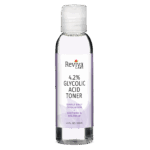
Glycolic acid also has a place in a pore-focused routine. Reviva Labs’ 4.2% Glycolic Acid Toner offers measured exfoliation alongside aloe, allantoin, glycerin, and sodium hyaluronate. It can support smoother-looking skin when introduced gradually and used according to your skin’s tolerance. You do not need several exfoliating products in the same routine.
Start with one exfoliating step a few times a week. Increase use only when your skin stays comfortable, calm, and free of persistent dryness. Stinging, peeling, burning, or lasting redness signals a need to reduce frequency. Exfoliation should improve texture, not create a cycle of damage and repair. Physical scrubs require more caution. Large, rough, or irregular particles can create unnecessary friction, especially when applied with pressure. A mild, evenly textured exfoliant used infrequently can suit some complexions, but acids often provide more controlled results. Never scrub an inflamed breakout or irritated patch.
Retinoids Help Address More Than Clogs
Retinoids rank among the most useful options for visible pores because they influence cell turnover and support smoother-looking skin. They can help prevent dead cells from accumulating inside follicles. Over time, retinoids also support collagen, which matters when pores look larger due to declining firmness. This gives them relevance for both oily younger skin and mature skin.
Over-the-counter retinol tends to work more gradually than prescription retinoids. Start slowly, especially if your routine already contains glycolic or salicylic acid. Applying retinol two nights a week gives your skin time to adjust. Increase frequency based on comfort rather than a rigid calendar. Do not introduce a retinoid, a strong exfoliating toner, and an acid mask during the same week. When irritation appears, you will not know which product caused it. Add one active at a time and observe the skin for several weeks. Consistency with a tolerable routine beats an aggressive routine you abandon after ten days.
Retinoids can increase dryness and sensitivity during the adjustment period. Use a gentle cleanser, a comfortable moisturizer, and daily sunscreen. Pregnant or breastfeeding consumers should discuss retinoid use with a qualified healthcare professional. Anyone dealing with eczema, rosacea, or a compromised barrier also benefits from professional guidance before adding stronger actives.

Niacinamide Can Help Balance the Picture
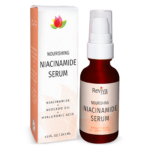
Niacinamide, a form of vitamin B3, supports the skin barrier and can help improve the appearance of uneven tone, redness, and texture. It also fits well in routines designed for oil-prone skin. By supporting a more balanced surface and reducing excessive shine for some users, it can make pores look less conspicuous.
Concentration matters less than compatibility. Higher percentages can irritate some complexions without delivering a proportional improvement. A well-formulated product used consistently often outperforms an extreme concentration used sporadically. Look at the complete formula rather than buying based on the largest number printed on the front.
Niacinamide also layers well with many hydrating ingredients and antioxidants. It can sit beneath moisturizer and sunscreen in the morning or join a simple evening routine on nights without stronger exfoliation. It does not dissolve clogs as directly as salicylic acid, but it supports several conditions that affect the way pores appear. Give it time. Cosmetic improvement comes from repeated use across weeks, not from the temporary matte finish of one application. Track changes in oiliness, texture, comfort, and congestion instead of inspecting one pore under magnification. Skin changes slowly, and visual texture can shift with lighting throughout the day.
Hydration Does Not Make Oily Skin Worse
Skipping moisturizer in humid weather often backfires. Oily skin and hydrated skin describe different conditions. Oil refers to sebum, while hydration refers to water content. A person can have a shiny surface and still experience dehydration, tightness, flaking, or barrier discomfort. Dehydrated skin can make fine lines and surface texture look more obvious. It can also encourage people to add more powder, scrub more aggressively, or use harsher cleansers. A lightweight moisturizer helps maintain comfort without creating a heavy film. Gel textures, fluid lotions, and humectant-rich serums often feel better during warm weather.
Hyaluronic acid attracts and holds water at the skin’s surface. Reviva Labs’ Hyaluronic Acid Serum combines sodium hyaluronate with aloe and green tea in a light formula. Apply a modest amount and follow with a suitable moisturizer when your skin needs one. Humectants work best as one part of a balanced routine, not as a replacement for every other moisturizing ingredient. Do not judge hydration by shine alone. Pay attention to tightness after cleansing, makeup catching on dry patches, increased sensitivity, or a rough papery feel. Those signs suggest your routine needs more support, even when your forehead becomes oily by noon.
Sunscreen Protects the Structure Around Pores
Daily sun protection belongs in any serious pore routine. Ultraviolet exposure contributes to collagen and elastin breakdown. As the supporting tissue around follicles loses firmness, pores can appear broader, longer, or less defined. Sunscreen will not instantly blur them, but it helps prevent one of the factors that worsens their appearance over time.
Choose a broad-spectrum sunscreen with an SPF suitable for daily exposure and apply enough to cover the face, neck, and other exposed areas. Reapply during prolonged outdoor activity, sweating, or swimming. A hat adds another useful layer, especially when the sun sits high. Texture matters for consistent use. During humid months, many people prefer light fluids, gels, or matte-finish formulas. A sunscreen that feels comfortable stands a better chance of becoming part of your daily routine. Heavy application does not mean you need to accept a greasy finish, since modern formulas offer many choices.
Remove sunscreen thoroughly at night. Water-resistant products need more careful cleansing than a light daytime lotion. Leaving layers of sunscreen, makeup, and oil on the skin can contribute to congestion in susceptible users. Protection during the day and proper removal at night work together.
What to Stop Doing to Your Pores
Stop squeezing them. Pressure can injure the follicle wall, increase inflammation, and damage the surrounding tissue. Even when material comes out, the pore usually fills again. The repeated trauma can leave the area redder and more noticeable than it looked before. Use pore strips sparingly, if at all. They remove surface material and can pull out sebaceous filaments, creating a cleaner look for a short period. They do not change oil production or follicle structure. Frequent use can irritate the skin and encourage an endless removal cycle. Avoid stacking multiple drying products because the weather feels humid. Clay masks, strong cleansers, alcohol-heavy toners, acids, and retinoids can each affect the skin differently. Combining all of them can impair the barrier and create more visible roughness. Choose targeted steps and give them time to work.
Do not chase the sensation of tingling, burning, or extreme tightness. Those feelings do not prove a product is clearing pores. Healthy progress often feels uneventful. Your skin becomes calmer, smoother, and more predictable rather than dramatically stripped.

A Practical Routine for Humid Weather
In the morning, cleanse gently or rinse based on how your skin feels. Apply a light hydrating or niacinamide product, followed by a comfortable moisturizer when needed. Finish with broad-spectrum sunscreen. Keep layers thin and allow each one to settle before applying the next.
At night, remove sunscreen and makeup thoroughly. Use your chosen pore-focused active on the appropriate evenings. Salicylic acid suits oily congestion, glycolic acid supports surface smoothness, and retinol helps with turnover and long-term structural support. Do not use every option at full frequency. On recovery nights, use only gentle cleansing, hydration, and moisturizer. These quiet nights protect the barrier and help you tolerate active ingredients over time. Mature or dry skin often benefits from more recovery nights, while oily resilient skin might tolerate actives more frequently.
Adjust texture before adding intensity when summer arrives. Swap a heavy cream for a lighter lotion instead of abandoning moisturizer. Choose a thinner sunscreen instead of applying less. Blot excess oil gently rather than washing your face every few hours. Seasonal skincare works best when you change the feel of the routine without discarding its purpose.
When Home Skincare Is Not Enough
Persistent clogged pores, inflammatory acne, scarring, or sudden changes deserve professional attention. A dermatologist can separate enlarged pores from acne scars, sebaceous filaments, comedones, rosacea-related texture, and other concerns. That distinction guides treatment and prevents wasted time. Prescription retinoids offer stronger treatment than cosmetic retinol. Dermatologists also use chemical peels, microneedling, resurfacing lasers, and other procedures to improve texture and support collagen. Results vary based on skin type, pore cause, treatment depth, and recovery time.
Professional procedures still cannot erase every pore. They aim to improve texture, firmness, congestion, and visual uniformity. Ask about expected results, downtime, pigment risks, and aftercare before proceeding. People with deeper skin tones need a practitioner experienced in reducing post-treatment discoloration risks.
Seek care sooner when pores accompany painful breakouts, cysts, widespread inflammation, or scarring. Home products have limits. Early treatment can protect the skin’s texture and reduce the temptation to pick or extract.
The Truth Your Mirror Often Hides
Humidity can make your face shinier, your products heavier, and your texture easier to see. It does not create permanently large pores. The real drivers sit deeper: genetics, sebum output, follicle structure, congestion, acne history, sun damage, and declining elasticity. The best routine keeps follicles clear without stripping them. It supports hydration, protects collagen, and uses proven actives at a pace your skin tolerates. Gentle cleansing, appropriate exfoliation, retinoids, niacinamide, moisturizer, and sunscreen each address a different part of the problem.
You do not need to fight your pores. You need to manage the conditions that make them stand out. Healthy skin still has texture, movement, lines, follicles, and visible pores. The goal is not artificial perfection. The goal is skin that looks balanced, clear, comfortable, and cared for in every season.
Frequently Asked Questions
Does humidity permanently enlarge pores?
No. Humidity can make skin feel oilier and cause sweat, sebum, sunscreen, and makeup to remain visible on the surface. The added shine and residue can emphasize texture and make pores look larger for a few hours. Once the skin is gently cleansed and surface oil settles, the pores often look less noticeable. Genetics, sebum production, follicle size, congestion, acne history, sun damage, and elasticity have a stronger relationship with persistent pore appearance.
Can pores open and close?
Pores do not contain muscles, so they cannot open and close like doors. Warm water or steam can soften oil and debris near the surface, which makes cleansing easier. Cold water can create a temporary tightening sensation and reduce surface redness for some people. Neither method permanently changes pore size. Use lukewarm water for cleansing because extreme temperatures can irritate the skin.
What ingredient works best for clogged pores?
Salicylic acid often works well for oily or clogged skin because it helps loosen oil and dead cells inside follicles. Glycolic acid focuses more on surface exfoliation and visible smoothness. Retinoids support cell turnover and help prevent future buildup. The best choice depends on whether your main concern involves blackheads, surface roughness, oiliness, aging, or a combination of factors.
How long does it take to improve the appearance of pores?
Surface oil and congestion can improve within several weeks of consistent care. Changes linked to retinoids, collagen support, or sun protection take longer. Give a new routine at least six to eight weeks before judging it, unless irritation develops. Take photographs in the same lighting rather than relying on a magnifying mirror. Texture can look dramatically different under bright bathroom lights, window light, and phone-camera processing.
Should oily skin use moisturizer in humid weather?
Yes. Oily skin still needs water and barrier support. Choose a light gel, fluid, or lotion rather than skipping moisturizer completely. Over-cleansing and under-moisturizing can leave skin tight, irritated, and uneven while oil production continues. A lightweight moisturizer can help the skin feel more balanced without adding a heavy or greasy layer.
Can a facial mask shrink pores?
A clay or exfoliating mask can absorb surface oil and remove accumulated cells, which can make pores look cleaner for a limited time. It cannot permanently alter follicle size. Use masks as occasional support rather than as a daily correction. Frequent masking, especially with strong clays or acids, can dry and irritate the skin.
References and Sources
- Lee, Sang Ju, et al. “Facial Pores: Definition, Causes, and Treatment Options.” Dermatologic Surgery, 2016. https://pubmed.ncbi.nlm.nih.gov/26918966/
- Kim, Byung Young, et al. “Sebum, Acne, Skin Elasticity, and Gender Difference: Which Is the Major Influencing Factor for Facial Pores?” Skin Research and Technology, 2013. https://pubmed.ncbi.nlm.nih.gov/22211382/
- Flament, Frédéric, et al. “Facial Skin Pores: A Multiethnic Study.” Clinical, Cosmetic and Investigational Dermatology, 2015. https://pmc.ncbi.nlm.nih.gov/articles/PMC4337418/
- Cleveland Clinic. “7 Ways to Minimize Pores.” Medically reviewed dermatology guidance. https://health.clevelandclinic.org/how-to-shrink-pores
- Cleveland Clinic. “Clogged Pores.” Medically reviewed April 19, 2022. https://my.clevelandclinic.org/health/diseases/22773-clogged-pores
- Cleveland Clinic. “Sebaceous Filaments.” Medically reviewed January 4, 2023. https://my.clevelandclinic.org/health/diseases/24571-sebaceous-filaments
- Gehring, Winfried. “Nicotinic Acid and Niacinamide and the Skin.” Journal of Cosmetic Dermatology, 2004. https://pubmed.ncbi.nlm.nih.gov/17147561/
- Palawisuth, Sirichai, et al. “Quantitative Assessment of the Long-Term Efficacy and Safety of a 1064-nm Picosecond Laser With Fractionated Microlens Array for Enlarged Pores.” Lasers in Surgery and Medicine, 2022. https://pmc.ncbi.nlm.nih.gov/articles/PMC9291000/