
Clean Beauty, Ingredients, Natural, Reviva Labs, Skin Care
Niacinamide for Pore Appearance and Smoother Looking Skin

Jun
Pores do not open and close like doors, and no topical product can erase them. That fact has not stopped “pore shrinking” from becoming one of skincare’s most persistent promises. The better goal is to make pores look less noticeable by addressing the conditions that exaggerate them, including excess oil, congestion, uneven texture, dehydration, and declining skin elasticity. Niacinamide stands out because it supports several of these concerns at once without acting like an aggressive exfoliant. Used consistently, it can help skin look smoother, more balanced, and refined, but the change develops gradually rather than overnight.
Niacinamide is a water-soluble form of vitamin B3, also known as nicotinamide. In skincare, it functions as a versatile conditioning ingredient that supports the skin barrier, helps balance surface oil, improves uneven tone, and reduces the visible effects of environmental stress. Those benefits explain why it appears in serums, moisturizers, brightening treatments, and products made for oily or blemish-prone skin. It also pairs well with many established ingredients, which makes it easier to add to an existing routine. For people focused on visible pores, its broad range of activity matters more than any single dramatic claim.
Large-looking pores often reflect a combination of genetics, oil production, age, sun exposure, and the condition of the surrounding skin. A pore filled with excess sebum and compacted skin cells tends to look darker and wider than a clear one. Dehydrated or rough skin can also increase the contrast between the pore opening and the surrounding surface. As collagen and elasticity decline with age and cumulative sun exposure, the tissue around a pore provides less support, which can make the opening look more stretched. Niacinamide does not change your genetic pore structure, but it can improve several visual factors that make pores stand out.

Why Pores Become More Noticeable
Every visible facial pore represents the opening of a hair follicle, and most contain a sebaceous gland that releases sebum. Sebum serves a useful purpose because it helps lubricate the skin and supports its protective surface. Problems begin when oil production, dead skin, makeup, sunscreen, or environmental debris collect around the follicular opening. This buildup can make the pore look more prominent, particularly across the nose, inner cheeks, forehead, and chin. The effect often becomes stronger under bright overhead lighting or magnifying mirrors, which can make normal skin texture look like a flaw.
Research has found a relationship between sebum output and facial pore size. In a study examining factors linked to enlarged facial pores, researchers identified sebum production as an important contributor alongside age, sex, genetics, acne, and chronic ultraviolet exposure. This does not mean everyone with oily skin will have visibly large pores, nor does it mean oil removal alone will solve the problem. It does show why ingredients that help balance oil can improve the overall appearance of pore-prone areas. Niacinamide fits into this strategy because it can influence oiliness without stripping the skin.
Age introduces another layer. As the proteins supporting the skin become less resilient, the tissue surrounding each pore can lose some of its firmness. Sun exposure accelerates visible aging and can contribute to roughness, uneven pigmentation, and reduced elasticity. These changes often make pores look more oval, shadowed, or stretched, especially across the cheeks. A good pore-focused routine should therefore address oil and congestion while also protecting moisture, texture, tone, and the visible firmness of the skin.
Harsh cleansing often makes the situation worse. A strong cleanser or frequent scrubbing can remove surface oil quickly, creating a temporary tight feeling that people mistake for smaller pores. Yet excessive cleansing can disrupt the moisture barrier, increase dryness, and leave the surface rougher. The pores then stand out against dehydrated or irritated skin. Niacinamide works best as part of a balanced routine that keeps skin clean without repeatedly stripping away the lipids it needs.
What Niacinamide Does for Pore Appearance
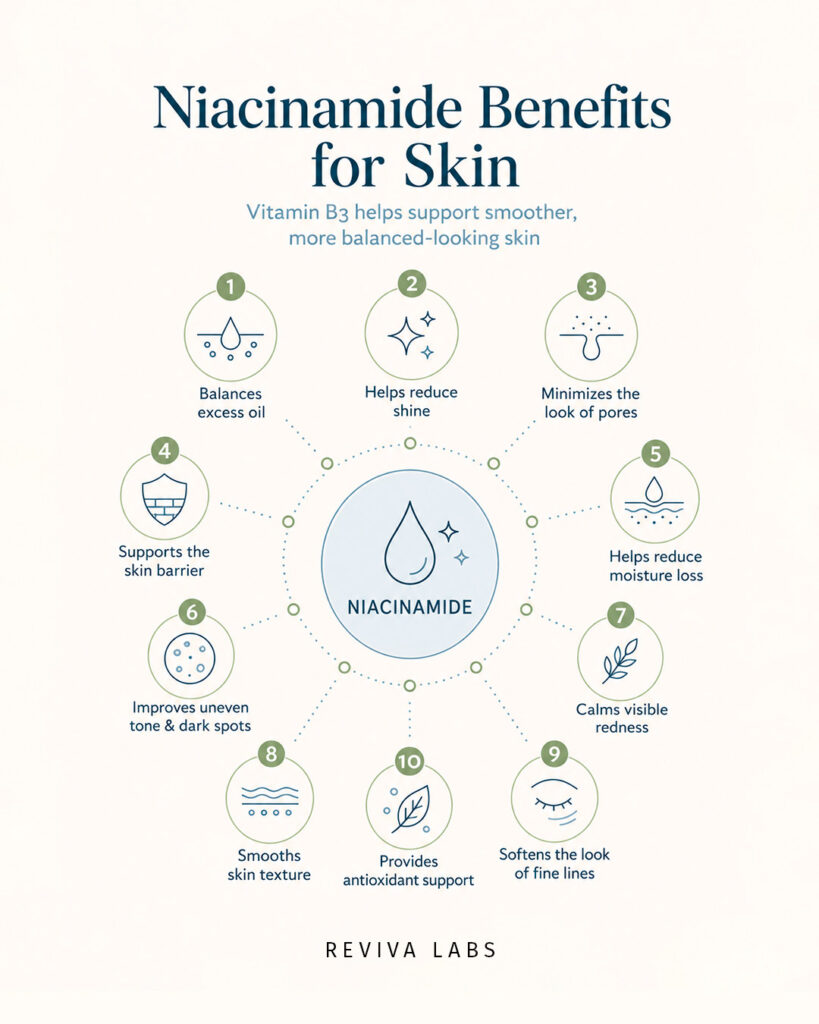
Niacinamide’s most relevant pore benefit comes from its effect on facial oil. A clinical study evaluating a moisturizer with 2% niacinamide found measurable changes in sebum production after several weeks of use. Results varied between the study populations, but the findings supported niacinamide’s role in reducing facial oiliness rather than merely absorbing oil already sitting on the surface. That distinction matters because powders and clays can reduce shine for a few hours, while a consistently used treatment aims to support a more balanced appearance over time. Less excess oil can make pore openings look cleaner and less reflective.
Oil control does not mean eliminating sebum. Skin without enough surface lipids can feel tight, flaky, or irritated, and those conditions can make texture appear worse. Niacinamide offers a more measured approach because it also supports barrier function. Research has linked topical nicotinamide with increased ceramide and free fatty acid levels in the outer skin, along with reduced transepidermal water loss. Ceramides and fatty acids help form the protective structure that keeps moisture inside and irritants outside. Better barrier performance can leave the surface smoother, which reduces the visual contrast around pores.
This smoothing effect deserves attention because pore appearance involves light and shadow. Rough, dehydrated skin reflects light unevenly, causing every depression and raised area to appear more pronounced. A hydrated, conditioned surface reflects light more evenly and often looks softer. Niacinamide supports this cosmetic improvement without coating the face in a heavy layer. It can therefore suit people who want hydration but dislike rich textures that feel greasy or occlusive.
Niacinamide also supports more even-looking pigmentation. Dark material within a pore, post-blemish marks around it, or uneven tone across the cheeks can increase the perception of pore size. Research has shown that topical niacinamide can reduce the transfer of melanosomes, the pigment-containing structures passed to surface skin cells. Clinical changes in hyperpigmentation have been documented after several weeks of use. As surrounding discoloration becomes less noticeable, the skin often looks clearer and more uniform, which makes pores attract less visual attention.
How Long Niacinamide Takes to Work
Skincare timelines often frustrate people because different benefits appear at different speeds. A niacinamide formula can make skin feel softer or more comfortable within the first few applications, especially when the product also contains glycerin, hyaluronic acid, aloe, or other hydrating ingredients. That early softness comes mainly from the complete formula and improved surface hydration. It does not mean the pore itself has physically changed after one night. Meaningful improvement in oil balance, tone, and texture requires steady use.
For excess shine, allow about four weeks before judging the product. The frequently cited 2% niacinamide sebum study assessed changes after several weeks, not several days. Some people notice less midday shine sooner, especially when they switch from a harsh routine to a gentler one at the same time. Others need six to eight weeks before the difference becomes clear. Photos taken under similar lighting every two weeks provide a more honest comparison than daily inspection in a magnifying mirror.
Barrier-related changes can begin during the first month, but the visible payoff often becomes clearer between four and eight weeks. Skin can feel less tight after cleansing, hold moisture more comfortably, and develop a smoother surface. These changes help reduce the dry, crinkled look that can exaggerate pores. Consistent moisturizing and gentle cleansing influence the result as much as the niacinamide product itself. A serum cannot compensate for repeated over-exfoliation or cleanser use that leaves skin squeaky and uncomfortable.
Higher percentages do not automatically create better results. Research supports benefits at relatively modest concentrations, including 2% for oil control and 5% in studies focused on visible aging and uneven tone.
Changes in uneven tone usually require more patience. Clinical research has documented improvements in hyperpigmentation after four weeks, but more stubborn discoloration often needs eight to twelve weeks or longer. Daily sunscreen use plays a central role because repeated ultraviolet exposure can deepen existing discoloration and create new contrast around the pores. A brightening routine without sun protection works against itself. Niacinamide supports the process, but sunscreen helps protect the progress.
Visible texture and pore refinement should be assessed after eight to twelve weeks of regular use. By that point, improvements in oil balance, hydration, surface smoothness, and tone can combine to make pores look less obvious. People often abandon a good product during week two because they expected an immediate blurring effect. Silicone-rich primers can blur texture right away, but that is a temporary optical effect. Niacinamide works through gradual improvements in skin condition, so patience gives it a fair test.

Choosing a Niacinamide Concentration
Higher percentages do not automatically create better results. Research supports benefits at relatively modest concentrations, including 2% for oil control and 5% in studies focused on visible aging and uneven tone. Many well-designed formulas rely on niacinamide within this general range. A product does not need to contain 10%, 15%, or 20% to provide value. Concentration matters, but formula quality, stability, supporting ingredients, frequency, and skin tolerance matter too.
A lower-strength formula often works well for people new to niacinamide, those with dry or sensitive skin, and anyone already using several active ingredients. It also makes sense when niacinamide appears in a moisturizer or multitasking serum that stays on the skin for hours. People with oily skin often assume they need the strongest available product, yet irritation can create redness and roughness that makes pores look more obvious. Starting with a moderate formula gives the skin a better chance to adjust. Results come from regular use, not from forcing the highest number into every routine.
High-concentration niacinamide products can produce temporary flushing, itching, dryness, or small irritated bumps in some users. The reaction does not always mean a true allergy. It often signals that the product strength, total routine, or application frequency exceeds what the skin tolerates. Using several niacinamide products at once can also increase the total exposure without providing a proportional benefit. Check cleansers, serums, moisturizers, and sunscreens before assuming only one product contains it.
When irritation appears, stop using the newest product until the skin feels normal. Restart two or three times per week rather than applying it twice daily. Use a smaller amount and follow with a plain moisturizer. Avoid introducing an acid, retinoid, scrub, and niacinamide treatment during the same week because you will struggle to identify the cause of any reaction. A controlled routine gives you useful information about what your skin accepts.
What to Pair With Niacinamide
Hyaluronic acid makes one of the easiest pairings. Hyaluronic acid attracts and holds water at the skin’s surface, while niacinamide supports the barrier systems that help reduce moisture loss. Together, they address dehydration without requiring a dense or greasy formula. Apply a water-based hyaluronic acid serum to slightly damp skin, then apply the niacinamide product and moisturizer. The exact order can change based on product thickness, so use the lighter formula first.
Glycerin, panthenol, aloe vera, and sodium PCA also work well with niacinamide. These humectants and skin conditioners improve comfort and help create the smoother surface needed for a refined appearance. A routine focused only on oil removal often leaves mature or combination skin dehydrated. Adding water-binding ingredients keeps the cheeks comfortable while niacinamide addresses shine through the central face. This balance matters for adults whose skin produces oil in the T-zone but feels dry everywhere else.
Salicylic acid provides a more direct approach to congestion. As an oil-soluble beta hydroxy acid, it can work within the pore lining to loosen compacted material and support clearer-looking follicles. Niacinamide then complements this action by supporting the barrier and helping manage excess shine. Start with salicylic acid two or three times per week if your skin has not used it before. Apply niacinamide at another time of day or on non-acid nights until you know how your skin responds.
Glycolic acid can improve rough surface texture and the dull layer that makes pores look more defined. It works mainly at the surface, while salicylic acid has greater affinity for oily follicular material. Pairing glycolic acid with niacinamide can suit sun-damaged, mature, or rough skin when introduced carefully. Use glycolic acid at night and niacinamide in the morning, or alternate nights. Daily use of multiple exfoliating products often produces irritation rather than faster refinement.
Retinol supports smoother texture, more even tone, and the appearance of firmer skin over time. This makes it a logical partner when visible pores reflect age, sun exposure, and reduced elasticity as much as oil. Niacinamide can support comfort and barrier function within a retinol routine. Beginners often do well using niacinamide in the morning and retinol two nights per week. As tolerance grows, both ingredients can appear in the same evening routine, with moisturizer added to reduce dryness.
Vitamin C pairs well with niacinamide for antioxidant support and uneven tone. Old advice claimed the two ingredients should never be combined, but modern cosmetic formulations and normal home use do not support such a broad restriction. Stable vitamin C derivatives often fit comfortably beside niacinamide. Pure L-ascorbic acid formulas can feel acidic or sting sensitive skin, so separating the products by time of day can improve comfort. Vitamin C in the morning and niacinamide at night offers a simple option.
Azelaic acid also complements niacinamide, particularly when visible pores appear alongside uneven tone, blemishes, redness, or post-blemish marks. Both ingredients can support a clearer and more even-looking complexion without relying on physical scrubbing. The pairing can still feel drying in a crowded routine, especially when acids or retinoids are already present. Begin with one application per day or alternate them. Judge the combination by skin comfort as well as visible progress.

Building a Routine That Works
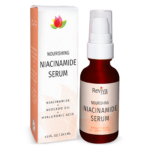
Begin the morning with a gentle cleanser or a lukewarm-water rinse if your skin is dry. Apply our Nourishing Niacinamide Serum or moisturizer, followed by a hydrating product when needed. Finish with a broad-spectrum sunscreen suitable for your skin type. Sunscreen helps prevent the collagen breakdown and uneven pigmentation that can make pores look more noticeable over time. Choose a texture you will apply generously instead of selecting one based only on a fashionable finish.
At night, cleanse thoroughly to remove sunscreen, makeup, excess oil, and environmental residue. Apply niacinamide after cleansing and toning, then follow with moisturizer. On exfoliation nights, apply your acid product according to its directions and use niacinamide only when the combination feels comfortable. On retinol nights, keep the rest of the routine simple. A routine with fewer well-chosen steps often outperforms an overloaded routine because it reduces irritation and improves consistency.
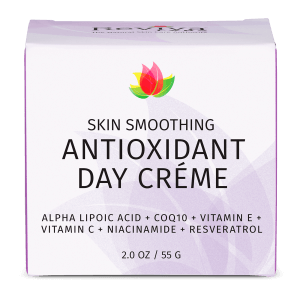
Reviva Labs includes niacinamide in several products rather than treating it as a one-purpose ingredient. The Antioxidant Day Crème combines it with Alpha Lipoic Acid, Vitamins C and E, CoQ10, resveratrol, green tea, hyaluronic acid, and conditioning oils. This type of formula suits someone who wants antioxidant support, moisture, and help with the appearance of oil and uneven tone in one daytime step. The niacinamide works as part of the complete formula rather than acting alone. People focused exclusively on visible pores can still benefit, but they should judge the moisturizer by how its texture fits their skin.
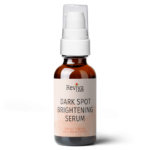
Reviva’s Dark Spot Brightening Serum places niacinamide alongside glycolic acid, kojic acid, arbutin, a vitamin C derivative, resveratrol, bearberry, and licorice root. This combination is better suited to people whose pore concerns overlap with discoloration, roughness, or post-blemish marks. Because it contains several active brightening and exfoliating ingredients, it should be introduced gradually. A separate niacinamide serum is not necessary when a treatment already supplies it. Sunscreen becomes essential when using a brightening formula that includes glycolic acid.
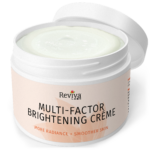
The Multi-Factor Brightening Crème also contains niacinamide, paired with azelaic acid, tranexamic acid, kojic acid, HEPES, aloe, hydroxyethyl urea, and glycerin. It targets visible discoloration and uneven texture rather than serving as a basic pore serum. People using this type of multitasking treatment should avoid stacking several strong brighteners during the same routine. One focused treatment, a supportive moisturizer, and sunscreen create a cleaner test. More ingredients do not guarantee faster progress.
Mistakes That Keep Pores Looking Larger
The first mistake is expecting permanent pore removal. Pores form part of normal skin anatomy, and their baseline visibility reflects genetics and sebaceous gland activity. Skincare can improve their appearance, cleanliness, surrounding texture, and the amount of oil that makes them stand out. It cannot remove the follicular opening. Honest expectations make it easier to recognize a good result.
The second mistake is attacking oil with aggressive cleansers, alcohol-heavy toners, frequent clay masks, and daily exfoliation. These steps can reduce shine for a brief period while weakening the moisture barrier. The resulting dryness, redness, and roughness often increase the appearance of texture. Niacinamide performs better when the skin receives gentle cleansing and enough moisture. Balanced skin usually looks more refined than stripped skin.
The third mistake is changing products too often. Niacinamide needs several weeks of steady use before you can judge oil, pigmentation, and texture changes. Adding a new acid after five days, switching moisturizers the following week, and starting retinol soon afterward makes the result impossible to track. Keep the core routine stable for at least eight weeks unless irritation develops. Take photos in the same location, at the same time of day, and without makeup.
The fourth mistake is skipping sunscreen because pores seem unrelated to sun exposure. Ultraviolet exposure contributes to uneven pigmentation, rough texture, and loss of elasticity, all of which can increase pore visibility. Sunscreen does not shrink pores, but it protects the conditions surrounding them. Daily use also supports the brightening work performed by niacinamide, vitamin C, azelaic acid, and other tone-evening ingredients. Prevention matters because repairing visible sun-related changes takes longer than protecting the skin.
The fifth mistake is applying too much product. A thin, even layer gives the skin enough exposure without creating unnecessary pilling, stickiness, or irritation. More serum does not force faster results. Two or three drops often cover the face, depending on the package and formula. Follow the product directions and evaluate the complete routine rather than chasing a heavier application.
Frequently Asked Questions
Does niacinamide shrink pores permanently?
Niacinamide does not permanently shrink or erase pores because pore size reflects skin anatomy, genetics, oil gland activity, age, and environmental exposure. It can make pores look less noticeable by helping balance excess surface oil, supporting a smoother moisture barrier, and improving uneven tone. Cleaner-looking follicles and smoother surrounding skin reduce the shadows and contrast that draw attention to pores. Results last best with consistent use and a balanced routine. Stopping treatment does not damage the skin, but oiliness and texture can gradually return to their earlier appearance.
How long should I use niacinamide before deciding it does not work?
Give a well-formulated niacinamide product at least eight weeks unless it causes irritation. Oil and shine often begin improving within four to six weeks, while texture, tone, and overall pore appearance often need eight to twelve weeks. Keep the rest of your routine stable during this period so you can judge the product fairly. Use photographs rather than memory, since gradual changes are hard to notice day by day. Persistent burning, itching, swelling, or worsening redness warrants stopping the product earlier.
Can I use niacinamide every day?
Most people can use niacinamide daily, and many tolerate it twice a day in moderate concentrations. New users or people with reactive skin should begin once daily or several times per week. The total formula matters because a niacinamide product containing acids or other strong ingredients can require slower introduction. Check whether niacinamide already appears in your moisturizer, serum, or brightening cream before adding another layer. Daily consistency matters more than using several niacinamide products at once.
Is niacinamide better than salicylic acid for pores?
The ingredients address different parts of the problem. Salicylic acid exfoliates within oily follicles and works well for blackheads, congestion, and blemish-prone skin. Niacinamide supports oil balance, barrier function, hydration, and more even-looking tone. Many people gain the best cosmetic result by using both in a measured routine. Start slowly, separate them by time of day when needed, and reduce frequency if dryness or irritation develops.
Can mature or dry skin use niacinamide for pores?
Yes. Mature and dry skin often shows visible pores because dehydration, cumulative sun exposure, uneven texture, and reduced elasticity increase their contrast. Niacinamide supports ceramide production and barrier performance, which can improve moisture retention and surface smoothness. Pair it with glycerin, hyaluronic acid, squalane, or a comfortable moisturizer rather than relying on an oil-control formula alone. Sunscreen and a carefully introduced retinoid can address other age-related factors. Avoid stripping cleansers, since dryness can make pores appear more pronounced.
Can niacinamide cause breakouts?
Niacinamide itself does not commonly clog pores, but any complete formula can contain ingredients that do not suit a particular person. A new product can also cause irritation that resembles small breakouts, especially at high concentrations or when combined with several active treatments. Stop the product and let the skin settle if bumps appear with burning, itching, or redness. Review the entire ingredient list and the other products introduced during the same period. Restart slowly only after the skin feels comfortable.
References and Sources
- Draelos ZD, Matsubara A, Smiles K. “The effect of 2% niacinamide on facial sebum production.” Journal of Cosmetic and Laser Therapy. 2006. https://pubmed.ncbi.nlm.nih.gov/16766489/
- Roh M, Han M, Kim D, Chung K. “Sebum output as a factor contributing to the size of facial pores.” British Journal of Dermatology. 2006. https://pubmed.ncbi.nlm.nih.gov/17034515/
- Tanno O, Ota Y, Kitamura N, Katsube T, Inoue S. “Nicotinamide increases biosynthesis of ceramides as well as other stratum corneum lipids to improve the epidermal permeability barrier.” British Journal of Dermatology. 2000. https://pubmed.ncbi.nlm.nih.gov/10971324/
- Gehring W. “Nicotinic acid and niacinamide and the skin.” Journal of Cosmetic Dermatology. 2004.
https://pubmed.ncbi.nlm.nih.gov/17147561/ - Bissett DL, Oblong JE, Berge CA. “Niacinamide, a B vitamin that improves aging facial skin appearance.” Dermatologic Surgery. 2005. https://pubmed.ncbi.nlm.nih.gov/16029679/
- Hakozaki T, Minwalla L, Zhuang J, et al. “The effect of niacinamide on reducing cutaneous pigmentation and suppression of melanosome transfer.” British Journal of Dermatology. 2002. https://pubmed.ncbi.nlm.nih.gov/12100180/
- Mohammed D, Crowther JM, Matts PJ, et al. “Influence of niacinamide containing formulations on the molecular and biophysical properties of the stratum corneum.” International Journal of Pharmaceutics. 2013. https://pubmed.ncbi.nlm.nih.gov/23220080/
- DermNet New Zealand. “Nicotinamide.” https://dermnetnz.org/topics/nicotinamide