
Clean Beauty, Ingredients, Natural, Reviva Labs, Skin Care
Why Peptides Are Becoming Skincare’s Most Trusted Signal

Aug
For years, peptides sat in the same bucket as most trending skincare ingredients. They showed up on labels, got a line or two in marketing copy, and were expected to speak for themselves. That is starting to change. As the research around skin biology matures, peptides are being understood less as a trendy ingredient and more as a category of tools that work with skin’s own communication channels rather than against them.
A recent article from Skin Inc., written by Mark Viktora and published August 5, 2026, makes this case well. Titled “The Skin Microbiome: Cellular Communication and the Role of Peptides in Microbiome Health,” the piece reframes how professionals should think about skin function. Its central argument is that visible skin concerns, including sensitivity, redness, acne-prone conditions, and slow healing, are rarely just surface problems. More often they are signs that the skin’s internal signaling network and its microbial ecosystem have fallen out of balance. When that happens, the article explains, the skin becomes more reactive, and a reactive skin environment in turn puts more pressure on the microbiome. It becomes a cycle rather than an isolated event.
That framing matters to us at Reviva Labs, because it echoes a principle we have built into our formulas for years now. Skin does not respond well to force. It responds to communication.
The Case for Working With Skin Instead of Against It
Viktora’s article describes peptides as short chains of amino acids that function as signaling molecules. Rather than pushing skin into an artificial response, they participate in pathways the skin already uses to repair itself, regulate inflammation, and maintain hydration. The article also draws a distinction worth sitting with. Some peptides, specifically antimicrobial peptides, are part of skin’s native defense system and play a direct role in keeping the microbiome balanced. Others support different functions entirely, including repair signaling, barrier resilience, and collagen communication.
That distinction is one we want to be precise about, because precision is part of respecting the science rather than borrowing its credibility. The peptides in our own formulas, including the ones featured in this week’s collection, are signal peptides. Their role is to support the skin’s communication around firmness, texture, and visible aging, not to directly modulate the microbiome. We think that is worth saying plainly rather than letting the two ideas blur together. The broader point from the article still stands regardless of which peptide function is in play. Skin improves when you support its existing systems instead of stripping or overcorrecting them.
This is the same logic behind our approach to formulation. We have never believed that skincare needs to overwhelm the skin to produce results. Aggressive exfoliation, harsh actives used without restraint, and formulas that disrupt the skin’s natural pH can create short-term smoothness at the cost of long-term resilience. The Skin Inc. article makes a similar point about barrier function, noting that when pH, hydration, and lipid balance are disrupted, the skin’s protective architecture weakens, and the microbiome becomes more vulnerable as a result. Supporting the barrier, in other words, is not just a comfort measure. It is a foundational part of keeping skin functioning the way it is designed to.
What This Looks Like in Practice
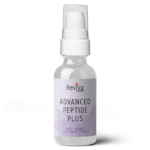
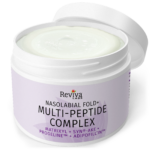
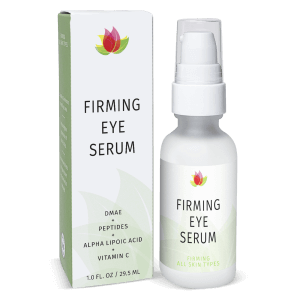
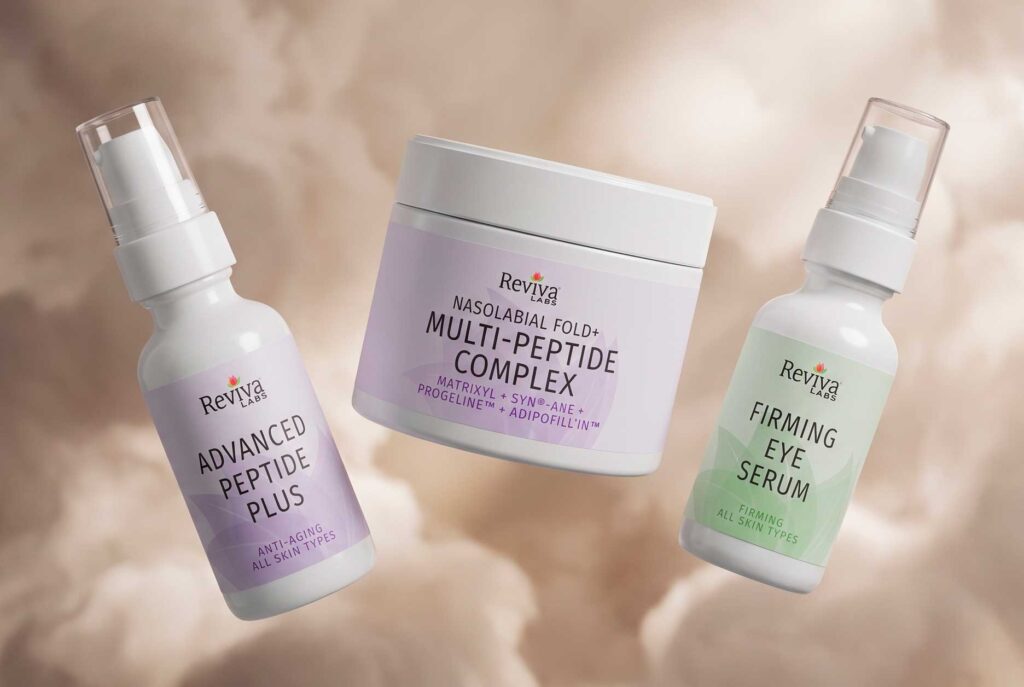
This week we are highlighting three products built around that same philosophy of steady, signal-based support rather than forced change. Multi-Peptide Complex is a nourishing cream formulated to be worked into the skin with the fingertips, where its peptide blend supports the look of firmer, more resilient skin over time. Advanced Peptide Plus takes a broader approach, combining Argireline, Vitamin C, DMAE, collagen, and Swiss apple stem cell extract to support multiple visible concerns at once rather than targeting a single one. Rounding out the collection, our Firming Eye Serum brings that same peptide-driven support to the eye area, where skin tends to show fatigue and fine lines first.
None of these products claim to correct the microbiome, and we want to be clear about that. What they do share with the research Viktora describes is a formulation mindset. They are built to support skin’s own processes rather than override them, which is the same underlying idea that makes peptides worth taking seriously as an ingredient category in the first place.
Why This Distinction Matters for Skincare Shoppers
It is easy for skincare marketing to flatten nuance in the name of a simpler story. “Peptides support the microbiome” is a tidy sentence, but it is not accurate for every peptide or every product that contains one. We think shoppers deserve more precision than that, even when the precise version is slightly more complicated. Understanding which peptides do what allows people to choose products based on what they actually need, whether that is firmer texture, a calmer barrier, or support for the skin’s natural defenses.
The research is moving in a direction we find encouraging. Skin is increasingly being understood as a system of communication rather than a surface to be treated, and that shift benefits everyone who cares about long-term skin health rather than short-term shine. We plan to keep formulating with that system in mind, and we will keep being specific about what our ingredients are actually doing rather than reaching for the broadest possible claim.
It also changes how we think a shopper should evaluate a peptide product in the first place. Instead of asking whether a formula simply contains the word peptide, it is worth asking what that peptide is meant to do. Is it there to support the appearance of firmness over months of consistent use, the way the peptides in Advanced Peptide Plus and Multi-Peptide Complex are formulated to do? Is it targeting a specific area prone to early fine lines, the way our Firming Eye Serum is designed around the eye contour? Those are reasonable questions, and they lead to better expectations than a vague promise of transformation.
That kind of specificity also creates trust over time. Skincare has a long history of borrowing credibility from research that technically applies to a different ingredient function than what is actually in the bottle. We would rather describe our peptide formulas accurately than let a shopper assume more than the product is built to deliver. None of this diminishes what peptides, as a broader category, are capable of. It simply asks for precision about which peptides are doing which job, and that precision is its own form of respect for the science, the skin, and the people trusting a formula to do exactly what it claims.
Reference
- Viktora, Mark. “The Skin Microbiome: Cellular Communication and the Role of Peptides in Microbiome Health.” Skin Inc., August 5, 2026. https://www.skininc.com/science/research/article/22970015/the-skin-microbiome-cellular-communication-and-the-role-of-peptides-in-microbiome-health