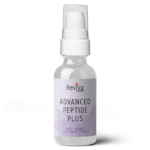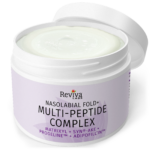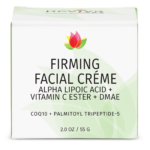

Ingredients, Natural, Reviva Labs, Skin Care
Why Peptides Reward Patience on Mature Skin

Aug
A double-blind clinical study published on a topical collagen like peptide found that after just four weeks of twice daily use, seventy five percent of participants showed a measurable reduction in total wrinkle surface area, confirmed through silicone replica analysis rather than self-reported opinion. That number matters because it puts a real timeline on something skincare marketing often glosses over. Peptides are not an overnight fix, and they were never meant to be. They are a slower, steadier category of ingredient, and for skin that has spent decades accumulating fine lines, sagging, and uneven texture, slow and steady is often exactly what works.
If you have ever felt discouraged by a serum that seemed to do nothing after two weeks, you are not alone, and you may not have given it enough time. Mature skin generally considered skin over the age of forty-five, behaves differently than it did in your twenties or thirties. Collagen production has already begun its gradual decline, cell turnover has slowed, and the skin barrier can be more easily disrupted by harsh actives. Peptides work with these realities rather than against them, which is part of why they have earned such a loyal following among people who have tried nearly everything else first.
This piece is meant to walk through what peptides actually are, how they behave once applied, and how to build a routine around them without overcomplicating your morning or evening. There is no need to memorize a chemistry textbook to use peptides well. You mostly need to understand a few basic categories, know what to expect timeline wise, and get comfortable with the idea that visible change here tends to arrive gradually rather than all at once.
What a Peptide Actually Is
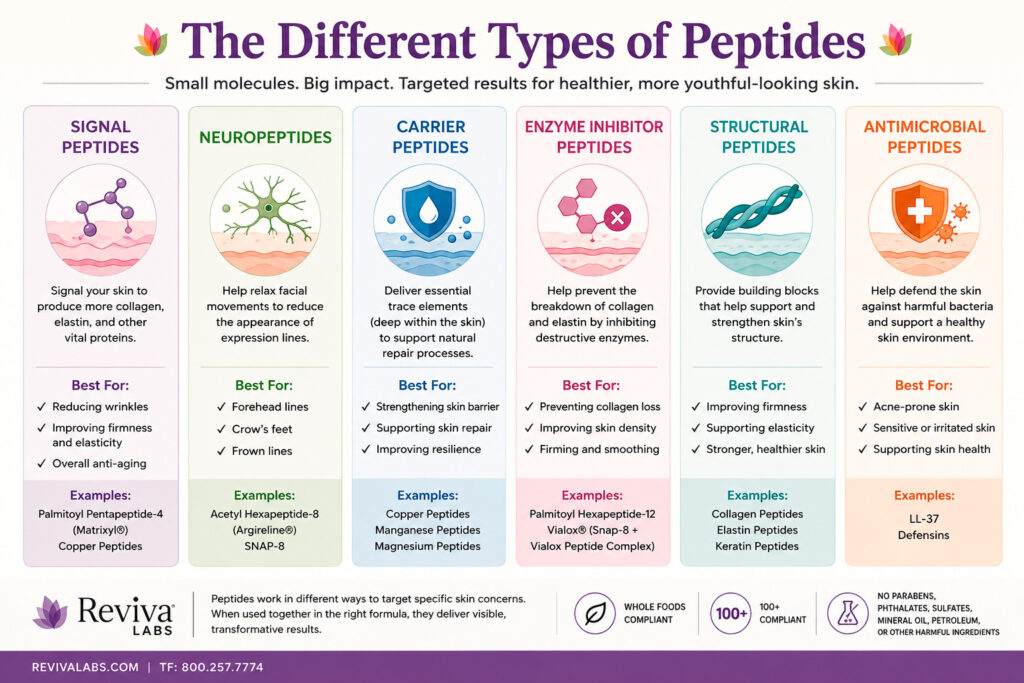
Strip away the marketing language and a peptide is simply a short chain of amino acids, the same building blocks that make up the proteins already present in your skin, including collagen and elastin. Full length proteins like collagen are too large to be absorbed effectively when applied topically, but peptides are small enough to interact meaningfully with the outer layers of skin. When a peptide touches a skin cell, it can trigger a response, essentially telling that cell to behave a certain way, whether that means producing more collagen, calming inflammation, or reducing the strength of a muscle contraction that contributes to expression lines over time.
Not every peptide does the same job, which is why so many peptide products list several different types on their ingredient panel rather than just one. Signal peptides are probably the most well-known category, and they work by mimicking fragments of collagen that appear naturally when skin experiences minor injury. That fragment essentially tricks the skin into a mild repair response, prompting fibroblasts to produce more collagen even though no actual wound occurred. Carrier peptides take a different approach, delivering trace minerals like copper to skin cells to support enzymatic processes tied to wound healing and collagen synthesis.
A third category, sometimes called neurotransmitter inhibiting peptides, works closer to the surface by relaxing the small facial muscles responsible for expression lines. Argireline is probably the most recognized ingredient in this group, often compared informally to a topical alternative to more invasive muscle relaxing treatments, though its effect is milder and works over a longer timeline. A fourth category, enzyme inhibiting peptides, focuses on slowing the breakdown of existing collagen rather than encouraging new production, which matters because skin aging is really a balance between collagen synthesis and collagen degradation, not just one side of that equation.

Why Consistency Outperforms Intensity
One of the more counterintuitive lessons in skincare is that gentler, more consistent ingredients often outperform aggressive ones over the long run, particularly for mature skin that has become more reactive to harsh formulas. Peptides fall firmly into the gentle category. They rarely cause irritation, they do not increase sun sensitivity the way some other actives can, and they layer easily with almost anything else in a routine. That gentleness is precisely why they need time. A peptide is not stripping away a layer of skin or forcing a visible reaction the way a strong exfoliating acid might. It is nudging a biological process that already exists, and biological processes simply take weeks to complete a visible cycle.
Skin cell turnover alone typically takes around four weeks in healthy adult skin, and that timeline tends to lengthen somewhat as skin matures. Collagen synthesis triggered by a signal peptide does not appear in the mirror the next morning, it appears gradually as new collagen fibers are laid down and integrated into the dermis over multiple turnover cycles. This is why most peptide focused clinical studies measure results at the four-week, eight week, and twelve-week marks rather than at day three or day seven. Expecting a peptide serum to behave like a filler or an injectable sets an unfair standard that the ingredient was never designed to meet.
There is also a practical lesson buried in this timeline. Switching products every few weeks in search of faster results actually works against you, because each new product resets the clock on whatever process the previous one had started. A simpler, more sustainable approach is choosing one or two well formulated peptide products and giving them a full two to three months before deciding whether they are working. That single change in mindset, patience over product hopping, tends to matter more than almost any specific ingredient choice.

Building a Peptide Routine Without Overcomplicating It
A peptide routine does not need to be elaborate to be effective. Most peptide serums and creams are formulated to sit comfortably alongside other skincare staples, applied to clean skin either in the morning, at night, or both, depending on the specific product and your personal preference. Peptides are generally applied after cleansing and toning but before heavier creams or oils, since a thinner serum consistency needs direct contact with skin to absorb properly. If your routine already includes a vitamin C serum or a moisturizer with SPF in the morning, a peptide serum typically fits in just before those steps.
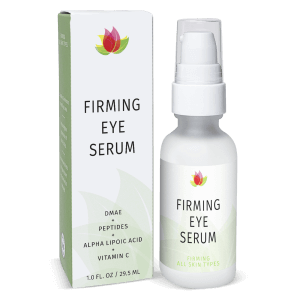
For the eye area specifically, a dedicated eye formula often makes more sense than trying to extend a facial serum outward, since the skin around the eyes is thinner and more delicate than skin elsewhere on the face. Products designed for that area, formulated with peptides alongside ingredients like DMAE, tend to use a lighter texture and a gentler concentration suited to that sensitivity. Applying eye specific formulas with a light tapping motion rather than rubbing helps avoid unnecessary tugging on skin that is already more fragile than the rest of the face.
Layering multiple peptide products, such as a facial serum alongside a targeted eye treatment, is generally safe and can address different areas of concern simultaneously, since peptides do not typically compete with or destabilize one another the way some stronger actives can. What matters most is applying products in order from thinnest to thickest consistency, allowing each layer a minute or two to absorb before adding the next, and being consistent about the routine day after day rather than treating it as an occasional add on.

Setting Realistic Expectations
It helps to think about what peptides can realistically accomplish versus what they cannot. Peptides are not going to replace the structural volume loss that comes with significant aging, and they are not a substitute for sun protection, which remains the single most impactful thing you can do to slow visible skin aging. What peptides can do, based on the clinical evidence available, is meaningfully support the appearance of firmness, help smooth the look of existing fine lines, and encourage skin to behave a bit more like it did in earlier decades, all through a gentle, well tolerated mechanism suited to long term use.
Patience genuinely is the operative skill here. Give a peptide formula a full eight to twelve weeks before judging its results, take a baseline photo in consistent lighting if you want an objective comparison point, and resist the urge to introduce three new products at once, which makes it impossible to know what is actually responsible for any change you do see. Skincare that works quietly and gradually rarely gets the same social media attention as something dramatic, but for skin that has already lived through a few decades, gradual and dependable tends to be exactly what serves it best.

Reading a Peptide Ingredient Label
Ingredient panels can be intimidating, especially once a product lists four or five different peptide names in a row, each with its own scientific sounding term. It helps to know that longer ingredient names ending in peptide, such as palmitoyl pentapeptide or acetyl hexapeptide, are simply describing the specific amino acid sequence and any fatty acid attached to help it penetrate skin more effectively. The fatty acid portion, often palmitoyl, is added because pure peptides on their own often struggle to move past the outermost layer of skin, so this modification improves how well the ingredient actually reaches the cells it is meant to influence.
Trade names can add another layer of confusion, since many peptides are sold under branded names by the labs that develop them rather than their full chemical names. Matrixyl, for example, is a trade name for palmitoyl pentapeptide, and Argireline refers to acetyl hexapeptide. Neither name tells you much on its own, but once you recognize a handful of the more common ones, ingredient panels become much easier to parse. Looking for products that combine two or three complementary peptide types, rather than relying on a single ingredient, is generally a reasonable way to address more of the different aging processes peptides can influence.
It is also worth paying attention to what a formula is built around beyond peptides alone. Many peptide serums include supporting ingredients like hyaluronic acid for moisture, antioxidants such as vitamin C for environmental defense, or soothing botanical extracts to reduce the likelihood of irritation. These additions do not replace what the peptides themselves are doing, but they do create a more complete formula, one that supports skin on several fronts rather than asking a single ingredient to carry the entire routine.

Frequently Asked Questions
How long does it actually take to see results from peptides?
Most clinical research on topical peptides measures visible change starting around four weeks, with more pronounced results typically appearing between eight and twelve weeks of consistent, daily use. Results build gradually rather than appearing all at once.
Can I use a peptide serum and a vitamin C serum together?
Yes, peptides and vitamin C are generally considered compatible and are often layered together, with vitamin C applied either before or after depending on the specific formulas involved. If irritation ever occurs, alternating them between morning and evening is a simple adjustment.
Are peptides suitable for sensitive skin?
Peptides are typically well tolerated by most skin types, including sensitive skin, since they work through cellular signaling rather than exfoliation or resurfacing. As with any new product, patch testing on a small area first is a reasonable precaution.
Do peptides work as well as retinol for fine lines?
Peptides and retinol work through different mechanisms and are not directly interchangeable, though both are supported by research for reducing the appearance of fine lines over time. Many routines use both together, since peptides tend to be gentler and can help support skin that is adjusting to retinol.
Should peptides be applied in the morning or at night?
Most peptide formulas are stable enough for either time of day or do not carry the sun sensitivity concerns associated with some other actives. Personal routine and product texture usually decide this more than any strict rule.
Why do some peptide products list several different peptides instead of just one?
Different peptide types address different parts of the aging process, from encouraging new collagen production to relaxing expression related muscle movement to slowing collagen breakdown. Combining several types in one formula allows a single product to address more of these processes at once.
References and Sources
- Tran, C., et al. Topical delivery of a collagen like peptide reduces wrinkle appearance: a double-blind clinical study. International Journal of Cosmetic Science. Available via PubMed: https://pubmed.ncbi.nlm.nih.gov/15648443/