
Clean Beauty, Natural, Reviva Labs, Skin Care
Three Signs of Aging That Often Show Up Together
Jul
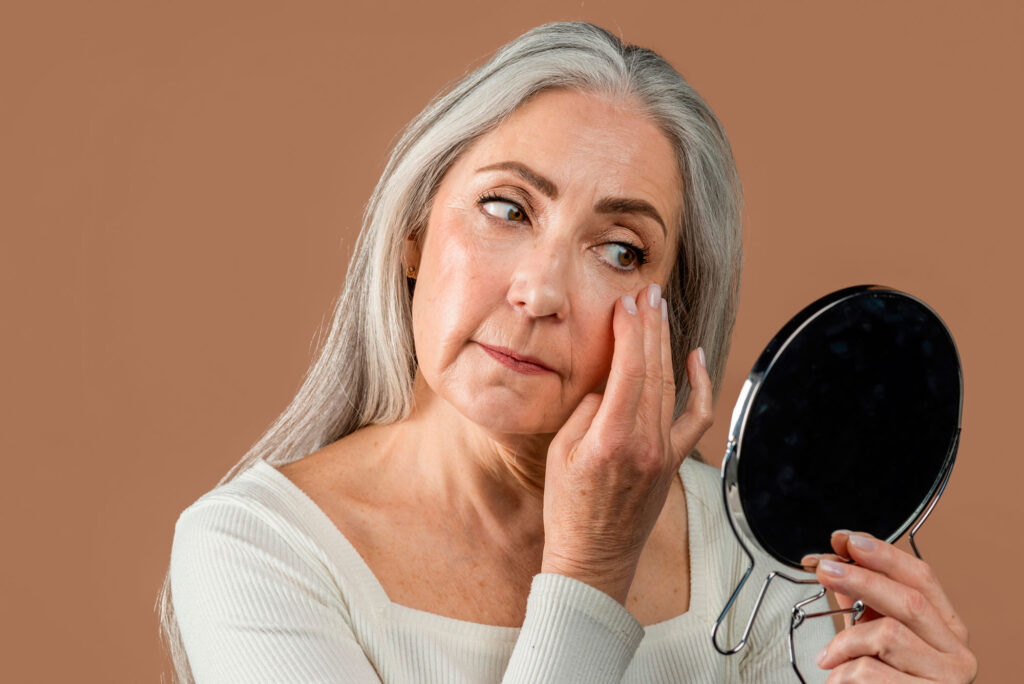
Skin rarely ages one concern at a time. You might first notice a little softness along the jawline, then realize your complexion looks less even than it once did. Around the same time, your skin starts feeling drier, makeup catches on rough patches, and the smooth surface you remember seems harder to maintain. These changes can feel unrelated, but loss of firmness, uneven tone, and dryness or rough texture often develop together because many of the same biological and environmental forces influence all three.
Sun exposure plays an especially important role. One frequently cited clinical study examining visible facial aging found UV exposure was associated with about 80% of visible facial aging signs among the women studied. That does not mean every change you see comes from sunlight, because genetics, hormonal shifts, lifestyle, environmental exposure, and chronological aging all contribute. It does show why firmness, discoloration, wrinkles, dryness, and roughness often appear as parts of the same larger picture rather than isolated problems.
This matters when you build a skincare routine. Treating every concern as a separate project can quickly produce a crowded bathroom shelf and a complicated routine you struggle to follow consistently. A better approach looks at how aging changes the skin as a whole, then layers complementary products around different visible needs. Firmness support, tone correction, hydration, moisturization, exfoliation, antioxidants, and daily sun protection can work together without forcing you to chase every new line or spot with another product.
Aging Changes More Than Wrinkles
Wrinkles receive much of the attention in conversations about aging skin, but they tell only part of the story. Many people notice something broader before individual lines become their main concern. The face begins to look less defined. Light reflects differently from the skin because the surface becomes rougher or drier. Areas of discoloration create visual contrast, making the complexion appear less uniform even when the skin itself remains healthy.
Structural changes contribute to this shift. Collagen and elastin help support the skin’s firmness, resilience, and overall architecture, and these components change with both chronological aging and long-term environmental exposure. Research has documented reduced collagen production in chronologically aged skin, while UV exposure also contributes to collagen degradation and other structural changes associated with photoaging. The result can appear gradually as softer contours, less bounce, deeper-looking folds, and a less firm appearance.
At the same time, pigmentation often becomes less uniform. Years of cumulative UV exposure can contribute to visible dark spots and mottled pigmentation, while previous inflammation can leave areas of discoloration behind. Hormonal changes also influence pigmentation in some people. Because these processes accumulate over years, uneven tone often becomes increasingly noticeable during the same period when changes in firmness become easier to see.
Then there is texture. Aging skin commonly becomes drier, and its ability to maintain the smooth, hydrated surface associated with younger-looking skin can decline. Dryness emphasizes fine lines, creates roughness, and changes the way light reflects from the face. A complexion with adequate moisture tends to appear smoother and more luminous, while dehydrated or dry surface skin can make nearly every other visible sign of aging look more pronounced.

Why Loss of Firmness Often Comes First Into Focus
You usually do not wake up one morning with suddenly loose-looking skin. Changes in firmness happen gradually. You might notice makeup sitting differently around the mouth, a softer jawline in photographs, or lines beside the nose appearing deeper even when your expression is relaxed. These observations reflect changes occurring across several layers of the skin and supporting tissues.
Collagen plays an important structural role. Research has shown reduced production of type I and type III collagen in chronologically aged skin, while accumulated UV exposure can accelerate collagen breakdown. Elastin and other components of the extracellular matrix also change over time. These shifts affect the support network responsible for much of skin’s resilient, firm appearance.
This is one reason firmness-focused skincare works best as part of a broader strategy rather than as an emergency response to sagging. Cosmetic skincare cannot recreate the effects of surgery or replace lost facial volume, but well-formulated topical products can improve hydration, smoothness, surface plumpness, and the appearance of fine lines and firmness. Peptides, antioxidants, retinoids, moisturizing ingredients, and other targeted ingredients can each approach visible aging from a different direction.
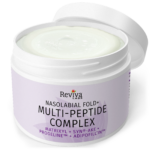
Peptides fit particularly well into this type of layered routine. Different peptides perform different cosmetic functions, so the word “peptide” does not describe one universal effect. Formulas often combine multiple peptides with moisturizers and conditioning ingredients to support a smoother, firmer-looking complexion over time. Reviva Labs’ Multi-Peptide Complex, for example, combines several peptides with sodium hyaluronate, glycerin, oils, and other skin-conditioning ingredients to target the appearance of deeper facial lines while supporting hydration and smoother-looking skin.
The most important expectation to set is gradual improvement. Skin does not rebuild its visible appearance overnight. A formula that makes skin feel smoother immediately through hydration still needs consistent use before you can fairly judge longer-term improvements in the appearance of firmness, texture, or lines. Think in weeks and months of steady care rather than a few isolated applications.
Uneven Tone Can Make Aging Look More Pronounced
Our eyes respond strongly to contrast. A face with relatively uniform tone often appears smoother even when fine lines are present, while clusters of dark spots and uneven pigmentation can make the same skin appear older. This visual effect explains why brightening routines can make such a noticeable difference in the overall impression of aging skin without changing facial structure.
Uneven tone develops through several pathways. Ultraviolet radiation stimulates processes related to pigmentation, and years of sun exposure can leave visible areas of discoloration. Inflammation from breakouts or irritation can also leave persistent marks. Hormones, genetics, medications, and other factors influence pigmentation as well, making discoloration one of the more complex cosmetic concerns to address.
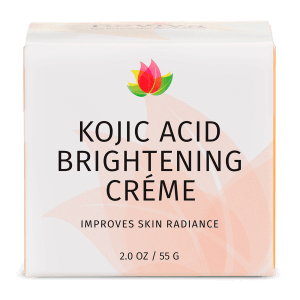
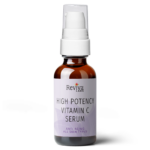
A good brightening strategy therefore needs patience. Skin discoloration develops at different depths and for different reasons, so one ingredient rarely does everything. Niacinamide, vitamin C derivatives, kojic acid, arbutin, licorice-derived ingredients, certain exfoliating acids, and other brightening ingredients approach the appearance of uneven tone through different mechanisms.
The goal is not to make your natural skin color lighter. Good cosmetic brightening focuses on reducing the appearance of unwanted contrast, such as visible dark spots and uneven areas, so the complexion looks more balanced and radiant. This distinction matters because healthy skin comes in every natural shade, and an even-looking complexion does not require changing your underlying skin tone.
Sun protection belongs at the center of this strategy. Trying to improve visible discoloration while repeatedly exposing unprotected skin to UV radiation works against your goal. A broad-spectrum sunscreen used daily helps limit additional UV-driven damage while your brightening routine works on the appearance of existing uneven tone. The American Academy of Dermatology includes sun protection among the most important steps for reducing premature skin aging.
Dryness and Rough Texture Change How Everything Looks
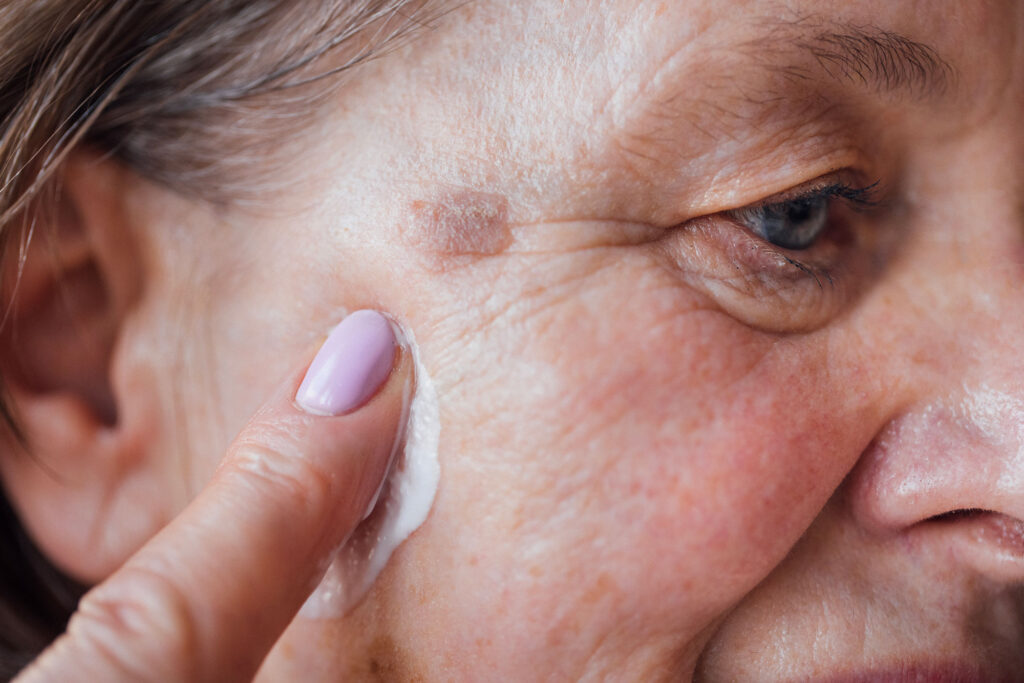
Dryness sounds simple compared with collagen loss or pigmentation, but it can dramatically influence how old skin appears. When the outer surface becomes dry and uneven, fine lines look deeper, pores can appear more noticeable, makeup settles differently, and the complexion loses some of its natural light reflection. Skin can look tired even when pigmentation and firmness have not changed substantially.
Chronological aging can contribute to drier skin, and hormonal changes can intensify the issue for many women during midlife and beyond. Changes in oil production, barrier function, and water retention alter how comfortable and supple the skin feels. Environmental factors such as low humidity, indoor heating, harsh cleansing, prolonged hot water exposure, and aggressive exfoliation can make the problem worse.
Hydration and moisturization address related but different needs. Humectants such as glycerin and hyaluronic acid help attract and retain water within the outer layers of skin. Emollients help soften and smooth the surface. Occlusive ingredients help slow water loss by reinforcing the surface barrier. Many good moisturizers combine all three approaches rather than relying on one category alone.
Texture also depends on how efficiently dead surface cells shed. When dry, compacted cells accumulate unevenly, skin can feel rough and appear dull. Appropriate exfoliation can help remove some of this excess surface buildup, improving smoothness and radiance. More exfoliation does not mean better results, though. Overusing acids, scrubs, retinoids, or other strong treatments can increase irritation and dryness, creating exactly the roughness you were trying to correct.
The right balance produces skin that feels comfortable first. Comfort matters because chronically irritated skin rarely looks its best. When the barrier functions well and moisture levels improve, the complexion often appears smoother, softer, and more reflective. These changes also help your entire anti-aging routine perform better visually because hydrated skin makes lines, roughness, and dullness less obvious.
The Three Concerns Reinforce One Another
Firmness, tone, and texture interact visually, which explains why improving one area sometimes makes another look better too. Consider skin with good structural firmness but significant dryness. Rough surface cells create tiny irregularities that scatter light, reducing radiance and emphasizing lines. Hydrating and smoothing the surface can make the skin look younger even though its underlying collagen did not suddenly change.
The same relationship exists with pigmentation. Uneven patches create contrast across the face, which draws attention to textural differences and facial contours. Improving the appearance of tone can create a more uniform visual field, making the entire complexion look smoother. This helps explain why people often describe successful brightening routines as making their skin look “younger” even when the treatment did not directly lift the jawline.
Firmness influences texture too. As structural support changes, folds and lines deepen, creating shadows. Dryness can exaggerate those shadows, while pigmentation differences add further contrast. The face then shows several overlapping signals we collectively interpret as aging.
UV exposure connects many of these changes. Photoaging has been associated with wrinkles, altered pigmentation, roughness, dryness, loss of tone, and laxity. Rather than causing one isolated cosmetic problem, years of cumulative exposure affect multiple processes within skin. This shared origin helps explain why the three concerns so often appear together.
The practical lesson is simple. Build your routine around the skin you have as a whole. You do not need a separate ten-step program for firmness, another for spots, and another for dry texture. You need complementary steps placed in the right order and repeated consistently.

A Layered Routine Makes More Sense Than a Single Hero Ingredient
Skincare marketing often encourages people to search for one ingredient capable of doing everything. Biology rarely works so neatly. The processes influencing firmness differ from those driving pigmentation, and both differ from the processes controlling surface hydration and barrier function. Some ingredients affect several concerns, but no single topical ingredient handles every visible aspect of aging equally well.
Layering solves this problem without requiring an excessive number of products. A targeted serum can address one primary concern, another treatment can support a second pathway, and a moisturizer can reinforce hydration and comfort. Sunscreen then helps protect the progress you are trying to make. Each step has a defined purpose.
The order usually follows texture. After cleansing, lighter water-based treatments generally come first, followed by thicker serums or treatment creams, then moisturizer when needed. Sunscreen finishes the morning routine. At night, the same light-to-rich approach works, minus sunscreen.
You also do not need every treatment in both routines. Some products work well morning and evening, while others fit more comfortably into one part of the day. Separating stronger actives can simplify the routine and reduce irritation. For example, someone using exfoliating acids, retinoids, and a multi-ingredient brightening treatment does not need to stack every active together in one application.
A sustainable routine beats a theoretically perfect routine you abandon after ten days. Three or four carefully selected steps used consistently will usually serve you better than nine products rotated randomly. Consistency gives ingredients enough time to affect the appearance of skin and gives you enough information to judge what is working.
Build Around Function Instead of Chasing Every Concern
Start with gentle cleansing. Aging or dry skin often benefits from avoiding the tight, stripped feeling people once associated with being “squeaky clean.” Cleansing should remove makeup, sunscreen, excess oil, and daily debris without leaving the complexion uncomfortable. Aggressive cleansing can worsen dryness and make rough texture more apparent.
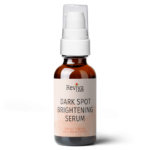
Next comes targeted treatment. This is where you decide which visible concern needs the most concentrated attention. Someone bothered primarily by uneven tone might prioritize a brightening serum. Someone more concerned with deeper lines and loss of firmness might choose a peptide-focused treatment. You can address both concerns in the same routine or divide them between morning and evening.
Hydration should run through the entire routine rather than exist as an afterthought. Humectants such as glycerin and hyaluronic acid appear in many serums and creams because moisturized skin looks smoother, feels more flexible, and tends to show fine surface lines less prominently. A dedicated hydrating serum can help dry or dehydrated skin, but it is not mandatory when your other products already provide adequate hydration.
A moisturizer then helps support softness, comfort, and moisture retention. Richness should match your skin rather than your age. Some people in their sixties prefer lightweight gels, while others in their thirties need richer creams. Your climate, medications, cleansing habits, seasonal conditions, and natural oil production all influence what feels right.
During the day, sunscreen completes the system. Broad-spectrum protection does more than help prevent sunburn. Consistent protection helps reduce ongoing UV exposure associated with premature visible aging and pigmentation changes. In one randomized controlled trial, participants assigned to daily sunscreen use showed less progression of skin aging over 4.5 years than those instructed to use sunscreen at their discretion.
Nighttime Is an Opportunity to Focus on Comfort and Renewal
Evening routines often give you more freedom because you do not need to layer makeup or sunscreen on top. This makes nighttime a practical place for richer moisturizers, certain treatment products, or ingredients you prefer not to combine during the day. The goal is not to create a complicated overnight ritual. It is to give skin consistent targeted care while supporting moisture and comfort.
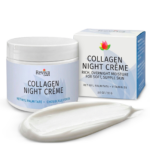
A richer night cream can become especially useful as dryness becomes more persistent. Reviva Labs’ Collagen Night Créme, for example, combines hydrolyzed collagen with sunflower seed oil, avocado oil, sweet almond oil, jojoba-derived ingredients, and other conditioning components. In a topical moisturizer, collagen primarily contributes to surface conditioning, hydration, and a smoother, more supple appearance rather than replacing collagen deep inside the skin.
This distinction matters. Applying collagen to the skin is not the same as rebuilding the skin’s internal collagen network. Cosmetic formulas containing collagen can still provide useful moisturizing and surface-smoothing benefits. Those benefits matter because better-hydrated skin often looks plumper and more refined, reducing the visual prominence of fine dryness lines.
Nighttime also offers a natural opportunity to evaluate your routine. Skin that consistently stings, burns, flakes, or feels painfully tight is telling you something. More actives will not automatically solve the problem. Scaling back, restoring moisture, and reintroducing treatments gradually often produces better long-term results than forcing irritated skin through an aggressive regimen.
Your routine should feel repeatable. If you dread doing it, you probably built too many steps into it. Aging skin benefits from months and years of consistent care, not occasional bursts of intense treatment.
Protecting the Barrier Helps Every Other Goal
People sometimes treat barrier care as separate from anti-aging skincare, but the two belong together. The outer skin barrier helps limit excessive water loss and protects against environmental stressors. When it becomes compromised, skin often feels dry, tight, rough, sensitive, or irritated.
A weakened or irritated surface also makes it harder to use many targeted ingredients consistently. You might own an excellent brightening serum, exfoliant, or retinoid, but it cannot help much if irritation forces you to stop using it every week. Maintaining comfortable skin therefore supports adherence to the rest of your routine.
This is especially important when combining products. Introduce new actives gradually rather than starting several at once. Doing so gives your skin time to adjust and lets you identify the source if irritation develops. It also prevents the common mistake of assuming stronger sensations mean stronger results.
Exfoliation deserves particular restraint. Removing excess dead surface cells can improve roughness and brightness, but repeatedly stripping the surface can increase water loss and inflammation. The goal is controlled renewal, not constant peeling. Smooth skin should feel comfortable, not raw.
Moisturizer can also improve the immediate appearance of aging skin more than people sometimes expect. By increasing surface hydration and smoothing irregularities, a good moisturizer changes how light reflects from the complexion. Lines can look softer, skin feels more supple, and overall radiance improves. These immediate cosmetic benefits complement the slower effects of targeted treatments.
Consistency Beats Constantly Changing Products
Skincare results develop on different timelines. Hydration can improve the way skin feels quickly. Changes in the appearance of dark spots, firmness, fine lines, or deeper texture typically require more patience. Switching products every few days makes it difficult to determine whether anything works.
Choose a routine you can follow consistently and give it a fair evaluation period unless irritation develops. Take occasional photographs in similar lighting rather than relying entirely on your memory. Daily mirror checks make subtle progress difficult to notice because you see your face constantly.
Also remember how aging actually progresses. Your skin continues to change while you treat it. Maintaining your current appearance for years can represent meaningful success even when you do not see dramatic before-and-after transformations. Prevention and maintenance deserve as much respect as correction.
Lifestyle choices matter too. Daily sun protection, avoiding intentional tanning, not smoking, eating a balanced diet, getting adequate sleep, and treating your skin gently all support its appearance. No serum can fully offset repeated UV exposure or chronic irritation.
A good routine should become more stable as you learn what your skin likes. You can adjust for seasons, hormonal changes, new concerns, or evolving preferences, but constant product turnover rarely improves consistency. Give good formulas enough time to do their jobs.
Think About Aging Skin as a Connected System
The biggest mistake in anti-aging skincare might be treating every visible change as an independent defect. A dark spot gets one product. A line gets another. Dryness gets a third. A softer jawline triggers another purchase. Soon the routine becomes a collection of reactions rather than a coherent plan.
Aging skin benefits from a systems approach because the visible signs overlap. Supporting hydration improves texture and temporarily softens the appearance of fine lines. Improving uneven tone creates a more uniform, radiant complexion. Firming-focused ingredients support smoother-looking contours and lines. Sunscreen helps reduce the environmental exposure capable of worsening all three concerns over time.
This does not require an enormous routine. Cleanse gently. Apply targeted treatments according to your main concerns. Keep skin well moisturized. Protect it from UV exposure every morning. Add exfoliation thoughtfully when rough surface buildup calls for it. Then repeat.
The repeated routine matters more than the occasional intensive treatment. Skin aging develops over years, so skincare works best when you think in the same long time frame. A consistent routine supports your complexion day after day instead of waiting for visible concerns to become severe before responding.
Loss of firmness, uneven tone, and dryness or rough texture often arrive together because aging affects skin on multiple levels at once. They also influence one another visually, making the overall change appear greater than any single concern alone. Addressing them together creates a more balanced strategy and often produces a more satisfying cosmetic result.
The goal is not to erase every sign of age. Healthy skin at 55 should not look exactly like skin at 25. The better goal is skin that looks smooth, hydrated, even, comfortable, and well cared for at every stage. When your routine supports those qualities together, you stop chasing individual flaws and start caring for your complexion as one connected system.
Frequently Asked Questions
Why do dark spots and loss of firmness often appear around the same time?
Both become more noticeable through cumulative aging and environmental exposure, especially long-term UV exposure. UV radiation contributes to pigmentation changes while also affecting collagen and other structural components associated with firmness. Chronological aging adds another layer through changes in collagen production, moisture retention, and cellular activity. The two concerns do not always share exactly the same cause, but they often become visible during the same period of life because several aging processes occur simultaneously.
Can one skincare product treat firmness, dark spots, and dry texture?
Some formulas contain ingredients that support several cosmetic goals, but no single product addresses every aspect equally well. A moisturizer with niacinamide, for example, can support hydration while helping improve uneven-looking tone. A peptide formula can also contain humectants that improve surface smoothness. A layered routine gives you greater flexibility because you can combine targeted treatment, hydration, moisturization, and sun protection without expecting one formula to perform every job.
Should I treat dark spots or dryness first?
You generally do not need to choose between them. Supporting moisture can make it easier to tolerate brightening ingredients and maintain a consistent routine. When skin feels dry, irritated, or compromised, focus first on gentle cleansing, moisturization, and sun protection while introducing brightening treatments gradually. Comfortable skin gives you a stronger foundation for consistent treatment.
How long does it take to improve the appearance of aging skin?
Different changes happen at different speeds. Hydration and surface softness can improve quickly, while visible changes in uneven tone, fine lines, texture, or firmness generally require consistent use over weeks or months. Product formulation, ingredient concentration, frequency of use, sun exposure, skin type, age, and the nature of the concern all influence results. Taking photographs under consistent lighting every four to eight weeks can help you notice gradual changes more accurately.
Does dry skin make wrinkles look worse?
Yes, surface dehydration and dryness can make fine lines appear more pronounced because dry skin reflects light less evenly and lacks the temporary plumping effect associated with good hydration. Moisturizers and humectants can soften this appearance by increasing water content and smoothing the outer surface. They do not erase structural wrinkles, but well-hydrated skin often looks smoother, fresher, and more supple.
Do I still need sunscreen if most of my visible aging has already happened?
Yes. Existing signs of aging do not mean additional UV-related changes have stopped. Continued exposure can contribute to further pigmentation changes and structural damage. Daily broad-spectrum sunscreen helps limit ongoing UV exposure while supporting the work of your brightening, firming, and smoothing routine. Sun protection becomes especially important when you use exfoliating acids, retinoids, or products intended to improve uneven tone.
Is a complicated anti-aging routine better than a simple one?
Not necessarily. A smaller routine you follow consistently often makes more sense than a complicated routine filled with overlapping active ingredients. Gentle cleansing, one or two targeted treatments, appropriate moisturization, and daily broad-spectrum sunscreen provide a strong foundation. You can add other steps when your skin has a clear need for them. Consistency, tolerability, and proper use matter more than the number of bottles on your shelf.
References and Sources
- Flament F, Bazin R, Laquieze S, Rubert V, Simonpietri E, Piot B. “Effect of the sun on visible clinical signs of aging in Caucasian skin.” Clinical, Cosmetic and Investigational Dermatology. 2013. The study reported UV exposure appeared responsible for approximately 80% of visible facial aging signs in the population studied.
https://pubmed.ncbi.nlm.nih.gov/24101874/ - Hughes MCB, Williams GM, Baker P, Green AC. “Sunscreen and Prevention of Skin Aging.” Annals of Internal Medicine. 2013. Randomized controlled trial evaluating daily sunscreen use and progression of skin aging over 4.5 years.
https://pubmed.ncbi.nlm.nih.gov/23732711/ - Varani J, Dame MK, Rittie L, et al. “Decreased Collagen Production in Chronologically Aged Skin.” American Journal of Pathology. 2006. Research examining reduced collagen synthesis in chronologically aged human skin.
https://pmc.ncbi.nlm.nih.gov/articles/PMC1606623/ - Pandel R, Poljšak B, Godic A, Dahmane R. “Skin Photoaging and the Role of Antioxidants in Its Prevention.” ISRN Dermatology. 2013. Reviews clinical signs of photoaging including pigmentation changes, roughness, dryness, loss of tone, wrinkles, and laxity.
https://pmc.ncbi.nlm.nih.gov/articles/PMC3789494/ - American Academy of Dermatology Association. “11 Ways to Reduce Premature Skin Aging.” Guidance addressing sun protection, moisturization, and lifestyle factors associated with premature skin aging.
https://www.aad.org/public/everyday-care/skin-care-secrets/anti-aging/reduce-premature-aging-skin - American Academy of Dermatology Association. “Skin Care in Your 40s and 50s.” Dermatologist guidance addressing firmness, complexion, wrinkles, sun protection, and healthy skincare habits.
https://www.aad.org/public/everyday-care/skin-care-basics/care/skin-care-in-your-40s-and-50s